
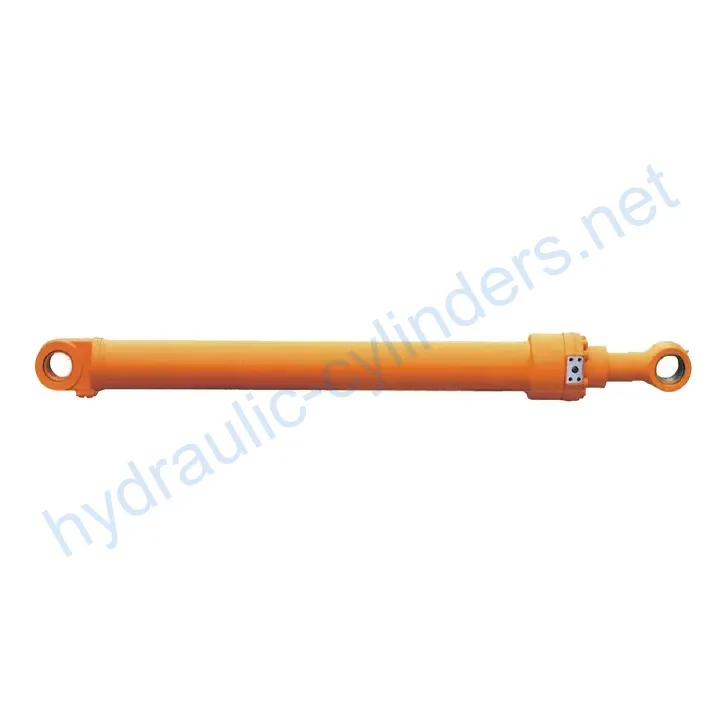
Siłownik ramienia do małej koparki Doosan DH60-7
Jako jeden z producentów, dostawców i eksporterów produktów mechanicznych, oferujemy cylindry hydrauliczne i wiele innych produktów.
Prosimy o kontakt w celu uzyskania szczegółowych informacji.
Poczta:sales@hydraulic-cylinders.net
Producent dostawca eksporter siłowników hydraulicznych.
Arm Cylinder For Doosan Small Excavator DH60-7
Wstęp
The Arm Cylinder for Doosan Small Excavator DH60-7 is a specialized hydraulic cylinder designed to provide linear motion and power for various types of machinery, such as excavators, cranes, and robotic arms. The arm cylinder plays a crucial role in hydraulic systems, enabling effective movement and control of additional tools or attachments. These cylinders not only ensure smooth motion but also withstand heavy loads, ensuring efficient operation and reliability of the machinery under various working conditions.
Cechy
- Wysokowydajna skrzynia biegów: Siłownik ramienia zapewnia mocny ruch liniowy i siłę, gwarantując wysoką wydajność ramienia mechanicznego w różnych operacjach.
- Precyzyjna kontrola: Dzięki układowi hydraulicznemu siłownik ramienia umożliwia precyzyjną kontrolę ruchu, co sprawia, że praca z podłączonymi narzędziami jest bardziej elastyczna i dokładna.
- Wytrzymały: Cylindry ramienia są zazwyczaj wykonane z materiałów o wysokiej wytrzymałości, charakteryzujących się doskonałą odpornością na zużycie i korozję, dzięki czemu nadają się do długotrwałego użytkowania w trudnych warunkach.
- Wielofunkcyjna adaptowalność: These cylinders can be widely applied to various machinery, such as excavators, cranes, and robotic arms, to accommodate different job requirements.
- Łatwa konserwacja: Projekt uwzględnia łatwość konserwacji i wymiany, co sprawia, że regularne kontrole i serwisowanie są wygodniejsze, a przestoje sprzętu skrócone.

Aplikacje
Here are some key applications of the arm cylinder:
- Inżynieria budowlana: W koparkach i dźwigach siłownik ramienia steruje ruchem łyżki lub wysięgnika podczas robót ziemnych, przenoszenia materiałów i instalacji konstrukcyjnych.
- Przemysł wytwórczy: W zautomatyzowanych liniach produkcyjnych siłownik ramienia jest stosowany do poruszania ramionami robota w procesach takich jak montaż, spawanie i obsługa materiałów, co zwiększa wydajność i precyzję produkcji.
- Maszyny rolnicze: In agricultural machinery like harvesters and seeders, the arm cylinder controls the movement of operating arms for tasks such as planting, fertilizing, and harvesting.
- Górnictwo: In mining equipment, the arm cylinder controls the arm movement for mining and transporting ores.
- Logistyka i transport: W wózkach widłowych i robotach przeładunkowych siłownik ramienia steruje podnoszeniem i ruchem wideł, ułatwiając przenoszenie materiałów i ich układanie.
Zagadnienia projektowe i kryteria wyboru
When it comes to designing arm cylinders, several key considerations and selection criteria should be taken into account:
- Nośność: The arm cylinder must be able to withstand the required loads and forces to ensure safe and efficient operation.
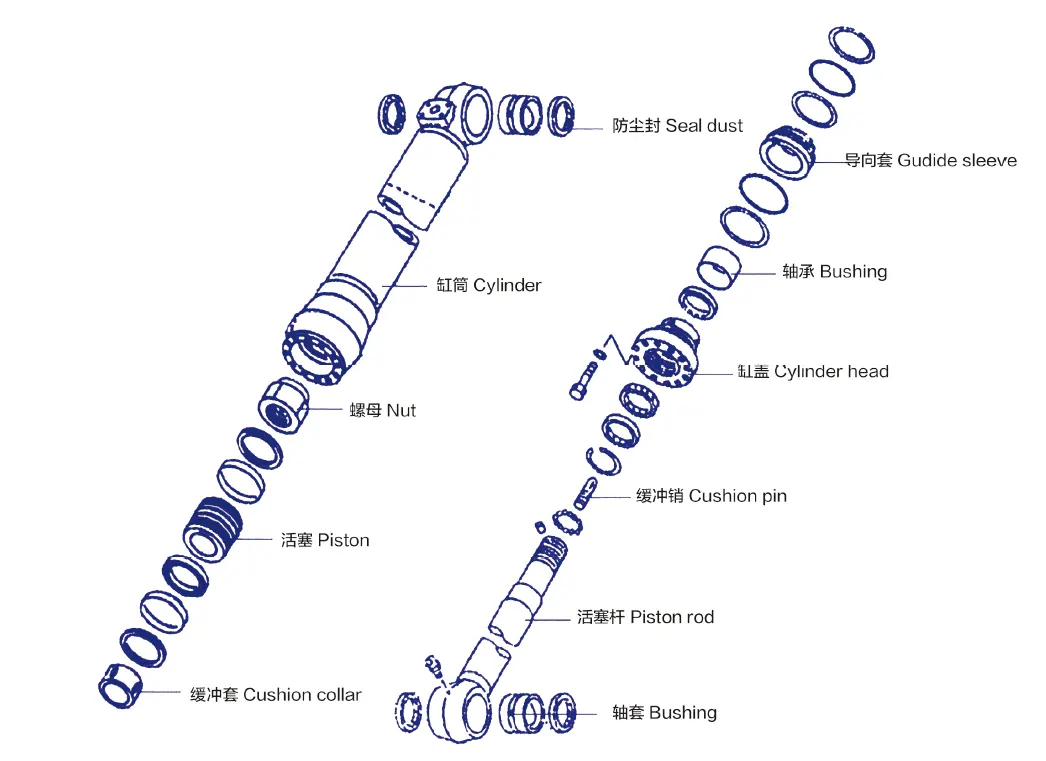
- Opieczętowanie: Various sealing components, such as piston seals and rod seals, should be used. These seals are typically made of wear-resistant materials like polyurethane and nitrile rubber. The cylinder head and threaded end surfaces are finely processed to improve wear resistance.
- Trwałość: Arm cylinders are often exposed to challenging environments, so they should be made of materials with high durability and resistance to corrosion and wear.
- Bezpieczeństwo: Safety measures should be incorporated into the design, ensuring the cylinder’s reliable operation and preventing accidents.
- Utrzymywalność: Design features should facilitate easy maintenance and replacement of components, reducing downtime and minimizing disruptions to operations.

Uszczelnianie i smarowanie
To ensure proper sealing and lubrication, various sealing components are used in arm cylinders. These include piston seals, rod seals, and other wear-resistant materials such as polyurethane and nitrile rubber. The cylinder body and threaded end surfaces undergo meticulous processing to enhance wear resistance. Regular lubrication with the appropriate amount of hydraulic oil is necessary to maintain optimal performance.
Regularne kontrole i konserwacja zapobiegawcza
Regular inspection and preventive maintenance are crucial for ensuring the longevity and reliable performance of arm cylinders. The following measures should be taken:
- Sprawdź cylinder pod kątem oznak zużycia, nieszczelności lub uszkodzeń.
- Clean the cylinder and its components regularly to remove dirt and debris.
- Sprawdź układ hydrauliczny pod kątem prawidłowego ciśnienia i poziomu płynów.
- Ensure all connections and fittings are secure and tightened.
- W razie potrzeby wymień zużyte uszczelki i inne elementy.
Instrukcja instalacji produktu
Proper installation of the arm cylinder is essential for its optimal functioning. Follow these guidelines:
- Ensure the excavator’s hydraulic system is turned off before installation.
- Position the cylinder in the designated mounting area, aligning the attachment points.
- Solidnie zamocuj cylinder za pomocą odpowiednich śrub lub wsporników montażowych.
- Podłącz przewody hydrauliczne do cylindra, zwracając uwagę na prawidłowe wyrównanie i szczelne połączenia.
- Perform a thorough inspection to verify the correct installation of the arm cylinder.

Zagadnienia bezpieczeństwa i czynniki środowiskowe
When working with arm cylinders, safety measures are of utmost importance. It is essential to consider environmental factors and adhere to safety guidelines to prevent accidents and ensure safe operations.
Rozwiązywanie problemów i typowe problemy
Arm cylinders may encounter various issues. Here are some common problems and troubleshooting tips:
- If the cylinder is not extending or retracting properly, check the hydraulic fluid level and pressure. Adjust as necessary.
- If there is excessive noise or vibration, inspect the cylinder for loose connections or damaged components. Tighten connections or replace damaged parts.
- If the cylinder is leaking, check the seals and replace them if necessary. Ensure proper lubrication.
- If the cylinder’s movement is erratic or unresponsive, check for any obstructions or blockages in the hydraulic system. Clear any debris and ensure proper fluid flow.
- If the cylinder shows signs of wear or damage, consult a professional for inspection and repair.

Pamiętaj, aby artykuł był logicznie uporządkowany, używaj podtytułów ułatwiających nawigację, dodawaj odpowiednie obrazy i wykresy, aby ułatwić zrozumienie, a także zadbaj o to, aby treść była przejrzysta, zwięzła i odpowiednia dla czytelników o różnym poziomie wiedzy technicznej.
O nas
We are a professional manufacturer of replacement hydraulic cylinders, offering a wide range of products. Our company has become one of the leading hydraulic cylinder manufacturers and wholesale distributors in domestic and international markets. We uphold the principle of excellence in quality and continually improve our technical expertise and production efficiency. By introducing advanced digital manufacturing equipment and professional testing systems, we optimize our manufacturing platform and enhance product quality control processes. We are dedicated to meeting diverse customer needs with efficiency, precision, and high-quality standards.
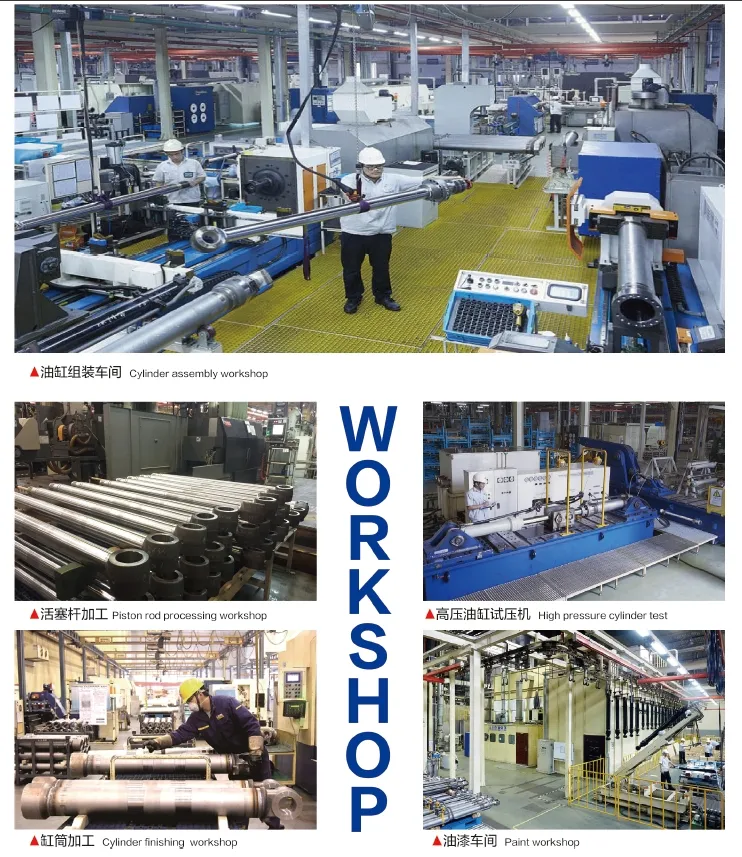
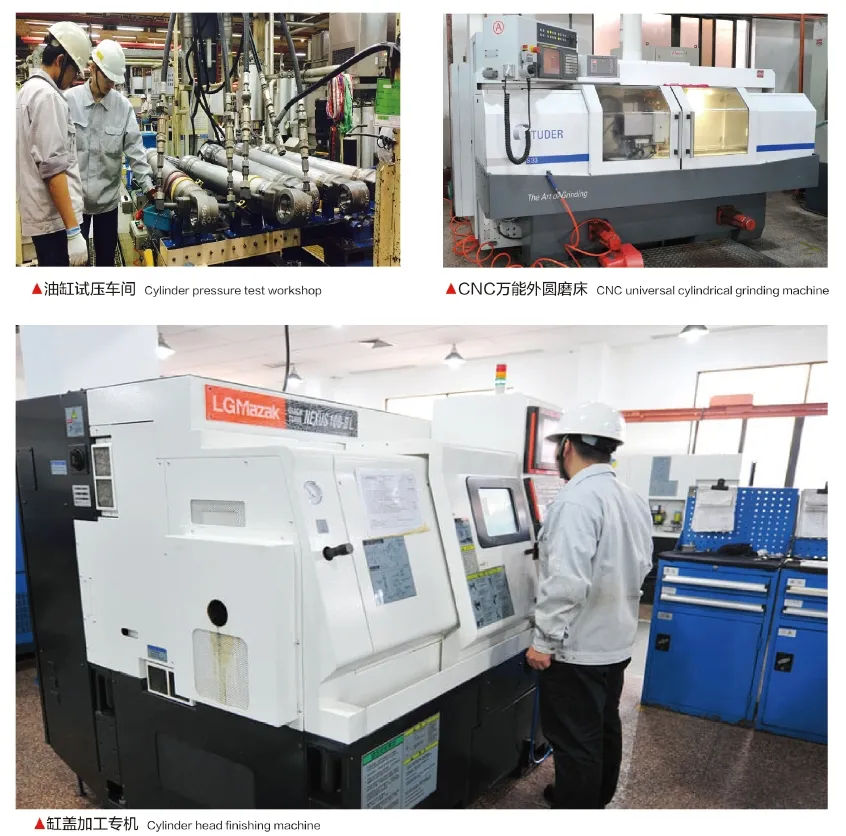
Naszą firmę wyróżnia profesjonalizm, międzynarodowe certyfikaty, zindywidualizowane usługi, sprzęt produkcyjny i serwis posprzedażowy.
Autor: lyl
Siłownik hydrauliczny Zastosowanie:

 PL
PL  EN
EN  PT
PT  ES
ES  DE
DE  FR
FR  IT
IT  AR
AR  ZH
ZH  RU
RU  KO
KO  KA
KA  BG
BG  CS
CS  DA
DA  EL
EL  ET
ET  FI
FI  HU
HU  ID
ID  LT
LT  LV
LV  NB
NB  NL
NL  RO
RO  SK
SK  SL
SL  SV
SV  TR
TR  UK
UK