


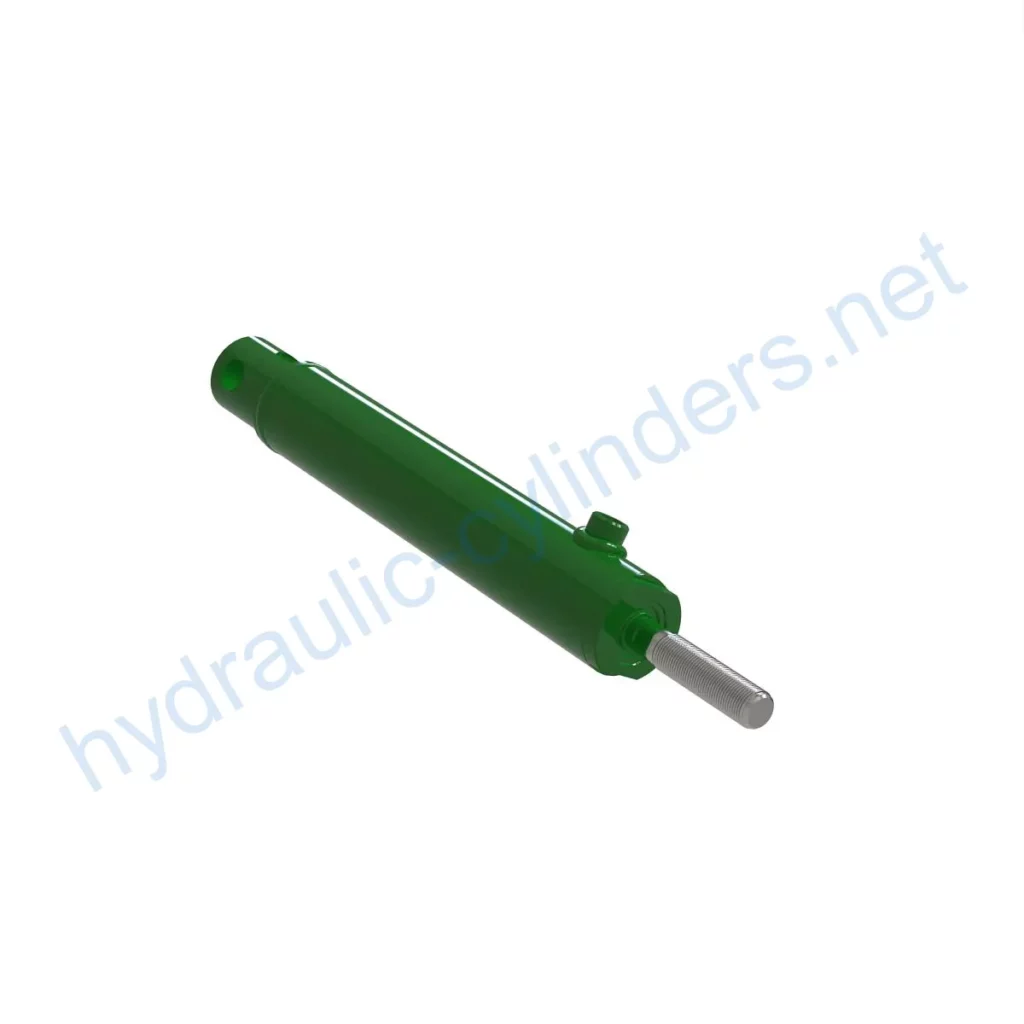
Wymiana cylindra hydraulicznego AFH223623
Wstęp
The Replacement Of AFH223623 Hydraulic Cylinder is a vital component used in various applications. It plays a crucial role in the efficient operation of hydraulic systems. This cylinder is designed to replace the damaged or worn-out hydraulic cylinders, ensuring the equipment’s performance in different applications.
Specyfikacje
- Weight: 6.233 lb
- Height: 1.9 in
- Width: 2.9 in
- Length: 15.9 in
Kompatybilne modele
- 440E
- 449
- 450E
- 450M
- 451M
- 459
- 460M
- 460R
- 461M
- 469
- 550M
- 551M
- 559
- 560M
- 560R
- 561M
- 569
Cechy
- Lepsza wydajność sprzętu: Replacing damaged or worn-out hydraulic cylinders can restore the equipment’s normal operational capabilities, ensuring optimal performance in various applications.
- Zwiększone bezpieczeństwo: Regularna wymiana cylindrów hydraulicznych może ograniczyć zagrożenia bezpieczeństwa spowodowane awariami cylindrów, zapewniając bezpieczeństwo operatorów i sprzętu.
- Zabezpieczenie przed przeciążeniem: The design of new cylinders often includes better overload protection mechanisms, improving overall safety.
- Szybka instalacja: Nowoczesne siłowniki hydrauliczne zaprojektowano tak, aby ich montaż i wymiana były łatwe, co minimalizuje przestoje.
- Standaryzowane komponenty: Wiele siłowników hydraulicznych to produkty standaryzowane, co ułatwia dostęp do części zamiennych na rynku.
Aplikacje
- Koparki: Hydraulic cylinders in excavators may get damaged due to prolonged use or overload in the arm or bucket. Replacement restores normal operation.
- Żurawi: Hydraulic cylinders in crane boom arms are prone to wear during frequent lifting and lowering processes, requiring regular replacement for safety.
- Ciągniki: Front-end loader hydraulic cylinders in tractors may experience leaks or performance decline during continuous lifting and tilting operations, necessitating replacement.
- Kombajny: High-pressure hydraulic systems in harvesters can cause fatigue damage to cylinders during the harvesting process, requiring timely replacement to maintain efficiency.
- Zautomatyzowane linie produkcyjne: Hydraulic cylinders are used to control robotic arms and other automated equipment. Immediate replacement is necessary to prevent disruptions in production efficiency.
- Maszyny odlewnicze ciśnieniowe: Hydraulic cylinders in die casting machines may experience decreased performance in high-pressure and high-temperature environments. Regular replacement ensures product quality.
- Sprzęt górniczy: Hydraulic cylinders are used for lifting and moving heavy loads in mining equipment. Regular inspection and replacement are necessary to avoid equipment failures in harsh working conditions.
- Buldożery: Hydraulic cylinder wear on bulldozer blades can lead to decreased pushing capacity, requiring timely replacement to maintain operational efficiency.
Zadania konserwacyjne
- Regularna kontrola: Periodically inspecting the hydraulic cylinder ensures its proper functioning and identifies any potential issues.
- Prawidłowe smarowanie: Adequate lubrication using suitable hydraulic oil helps reduce friction and extends the lifespan of the cylinder.
- Wymiana uszczelki i kontrola kalibracji: Replacing worn-out seals and performing calibration checks are essential for maintaining optimal performance and preventing leaks.
Zagadnienia bezpieczeństwa i czynniki środowiskowe
When using hydraulic cylinders, it is crucial to prioritize safety measures to prevent accidents and injuries. Adhering to safety guidelines and using appropriate safety equipment is of utmost importance. Additionally, considering environmental factors ensures the responsible use and disposal of hydraulic fluids and other associated materials to minimize ecological impact.
Diagnostyka usterek i typowe problemy
Common hydraulic cylinder issues include leaks, insufficient pressure, and slow operation. These problems can be diagnosed by carefully inspecting the cylinder and its components. If leaks are detected, checking the seals and connections is necessary. Inadequate pressure may result from fluid contamination or a faulty pump. Slow operation can be caused by a restricted flow or worn-out internal components.
Rozwiązywanie problemów i środki zapobiegawcze
To troubleshoot hydraulic cylinder problems, it is advisable to refer to the manufacturer’s guidelines and seek professional assistance if needed. Regular maintenance, including inspections, proper lubrication, and seal replacements, can help prevent potential issues. Following recommended installation procedures, using alignment guides during installation, and utilizing appropriate support fixtures for securing the cylinder are essential for optimal performance and longevity.


Zagadnienia projektowe i kryteria wyboru
When selecting a hydraulic cylinder, several factors must be considered:
- Nośność: The cylinder should be capable of handling the maximum expected load without compromising performance.
- Opieczętowanie: The selection of suitable sealing components, such as piston seals and rod seals, is crucial for preventing leaks and ensuring efficient operation.
- Trwałość: The cylinder’s design and construction should prioritize durability to withstand various working conditions and extend its lifespan.
- Bezpieczeństwo: Incorporating safety features into the cylinder design enhances operator and equipment protection during use.
- Utrzymywalność: Easy access for maintenance and repair, along with readily available replacement parts, contributes to efficient servicing and reduced downtime.
Uszczelnianie i smarowanie
The hydraulic cylinder incorporates various sealing components, including piston seals and rod seals, made from wear-resistant materials such as polyurethane and nitr