


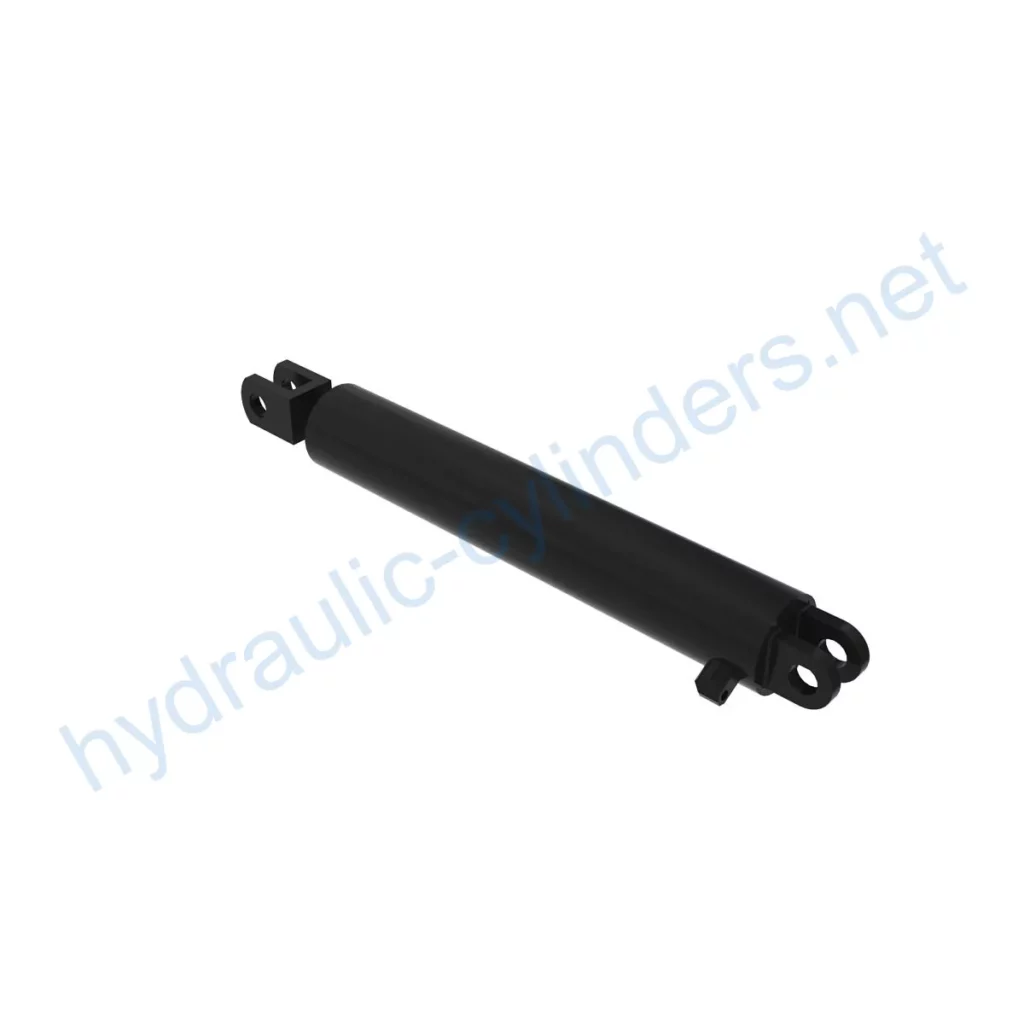
Replacement Of AN205471 Tread Adjust Hydraulic Cylinder
Replacement Of AN205471 Tread Adjust Hydraulic Cylinder is a hydraulic cylinder designed to replace the original AN205471 cylinder. It is used in models 4700, 4710, 4720, 4730, and 4830 to adjust the tread of the equipment. This cylinder is an essential component that ensures the proper functioning of the machinery.
Specyfikacje
- Weight: 24.72 lb
- Wysokość: 2,8 cala
- Szerokość: 4,5 cala
- Length: 26.8 in
Modele
The Replacement Of AN205471 Tread Adjust Hydraulic Cylinder is compatible with the following models:
- 4700
- 4710
- 4720
- 4730
- 4830
Cechy
Replacement Of AN205471 Tread Adjust Hydraulic Cylinder offers the following key features:
- Improved Equipment Performance: Replacing damaged or worn hydraulic cylinders can restore the equipment’s normal operational capabilities, ensuring its performance in various applications.
- Większe bezpieczeństwo: Regularna wymiana cylindrów hydraulicznych może zmniejszyć zagrożenia bezpieczeństwa spowodowane awariami cylindrów, zapewniając bezpieczeństwo operatorów i sprzętu.
- Zabezpieczenie przed przeciążeniem: Nowe konstrukcje cylindrów często zawierają lepsze mechanizmy zabezpieczające przed przeciążeniem, co zwiększa bezpieczeństwo.
- Szybka instalacja: Nowoczesne siłowniki hydrauliczne są projektowane z myślą o łatwej instalacji i wymianie, co pozwala ograniczyć przestoje.
- Standaryzowane komponenty: Wiele siłowników hydraulicznych to produkty standaryzowane, co ułatwia dostęp do części zamiennych na rynku.
Aplikacje
The Replacement Of AN205471 Tread Adjust Hydraulic Cylinder finds its applications in various equipment. Here are three examples:
- Excavators: On the boom or bucket of an excavator, hydraulic cylinders may get damaged due to prolonged use or overload, requiring replacement to restore normal operation.
- Cranes: Hydraulic cylinders in the lifting boom of a crane can wear out due to frequent lifting and lowering, necessitating regular replacement to ensure safety.
- Tractors: The front loader hydraulic cylinders on tractors may experience leaks or performance degradation due to continuous lifting and tilting operations, requiring replacement.
Zadania konserwacyjne
There are several common maintenance tasks associated with the Replacement Of AN205471 Tread Adjust Hydraulic Cylinder:
- Regularna kontrola: Należy okresowo sprawdzać, czy na cylindrze hydraulicznym nie ma śladów zużycia, nieszczelności lub uszkodzeń.
- Proper Lubrication: Ensure adequate lubrication of the cylinder components to reduce friction and extend their lifespan.
- Seal Replacement: Replace seals as necessary to maintain the cylinder’s sealing effectiveness and prevent leaks.
Zagadnienia bezpieczeństwa i czynniki środowiskowe
When using the Replacement Of AN205471 Tread Adjust Hydraulic Cylinder, it is crucial to prioritize safety measures. Safety precautions must be followed to prevent accidents and ensure the well-being of personnel and the environment.
Rozwiązywanie problemów i typowe problemy
Common issues that may arise with the Replacement Of AN205471 Tread Adjust Hydraulic Cylinder include:
- Leakage: Inspect for any signs of hydraulic fluid leakage and address the issue promptly.
- Reduced Performance: If the cylinder’s performance decreases, check for worn-out components or insufficient lubrication.
- Noise or Vibration: Unusual noise or vibration may indicate a problem with the cylinder’s operation, requiring further inspection.
Środki zapobiegawcze
Aby zminimalizować potencjalne problemy i zapewnić optymalną wydajność, należy rozważyć następujące środki zapobiegawcze:
- Regular Inspections: Conduct routine inspections to identify potential problems before they escalate.
- Proper Maintenance: Adhere to recommended maintenance tasks, including lubrication, seal replacements, and calibration checks.
- Correct Installation: Follow proper installation guidelines, aligning the cylinder accurately, and using appropriate installation brackets for stability.

Zagadnienia projektowe i kryteria wyboru
When selecting and designing the Replacement Of AN205471 Tread Adjust Hydraulic Cylinder, various factors should be considered:
- Load-Bearing Capacity: The cylinder should be able to withstand the anticipated loads without compromising its performance.
- Sealing and Durability: Proper sealing mechanisms and durable materials are essential to prevent leaks and ensure the cylinder’s longevity.
- Safety: The cylinder design should incorporate safety features to protect operators and equipment during operation.
- Maintenance and Repairability: Consider ease of maintenance and availability of repair options to minimize downtime.
Uszczelnianie i smarowanie
The Replacement Of AN205471 Tread Adjust Hydraulic Cylinder utilizes various sealing components, such as piston seals and rod seals, made from durable materials like polyurethane and nitrile rubber. The cylinder body and threaded ends undergo precise surface treatment to enhance wear resistance. Regular lubrication with the appropriate hydraulic oil is necessary to ensure smooth operation and prevent premature wear.
Regularne kontrole i konserwacja zapobiegawcza
Regular inspection and preventive maintenance are essential for the Replacement Of AN205471 Tread Adjust Hydraulic Cylinder:
- Prawidłowa instalacja: Podczas instalacji należy zapewnić prawidłowe wyrównanie i wskazówki dotyczące wyrównania cylindra.
- Recommended Inspection, Repair, and Replacement Procedures: Follow recommended procedures for inspection, repair, and replacement to maintain optimal performance.
- Component Replacement and Rebuilding Services: Offer replacement parts and rebuilding services to extend the lifespan of the hydraulic cylinder.
- Tips for Prolonging the Cylinder’s Lifespan: Provide tips and techniques to maximize the lifespan of the Replacement Of AN205471 Tread Adjust Hydraulic Cylinder.
Instrukcja instalacji produktu
Follow these steps for proper installation of the Replacement Of AN205471 Tread Adjust Hydraulic Cylinder:
- Prepare the equipment by ensuring it is adequately supported and stable.
- Remove the old hydraulic cylinder, carefully disconnecting all hydraulic lines and fittings.
- Inspect the mounting area and clean it from any debris or contaminants.
- Align the Replacement Of AN205471 Tread Adjust Hydraulic Cylinder with the mounting holes and secure it tightly using appropriate fasteners.
- Reconnect the hydraulic lines and fittings, ensuring proper alignment and sealing.
- Test the cylinder’s operation to ensure it is functioning correctly.

