
Fluid Power Polymer Engineering
Choosing the Right Seal Material: Nitrile, Viton, or Polyurethane?
An authoritative engineering blueprint detailing elastomeric degradation, thermodynamic thresholds, chemical compatibility, and the definitive guide to selecting the optimal internal sealing architecture for your fluid power actuators.
The Microscopic Guardians of Macro Power
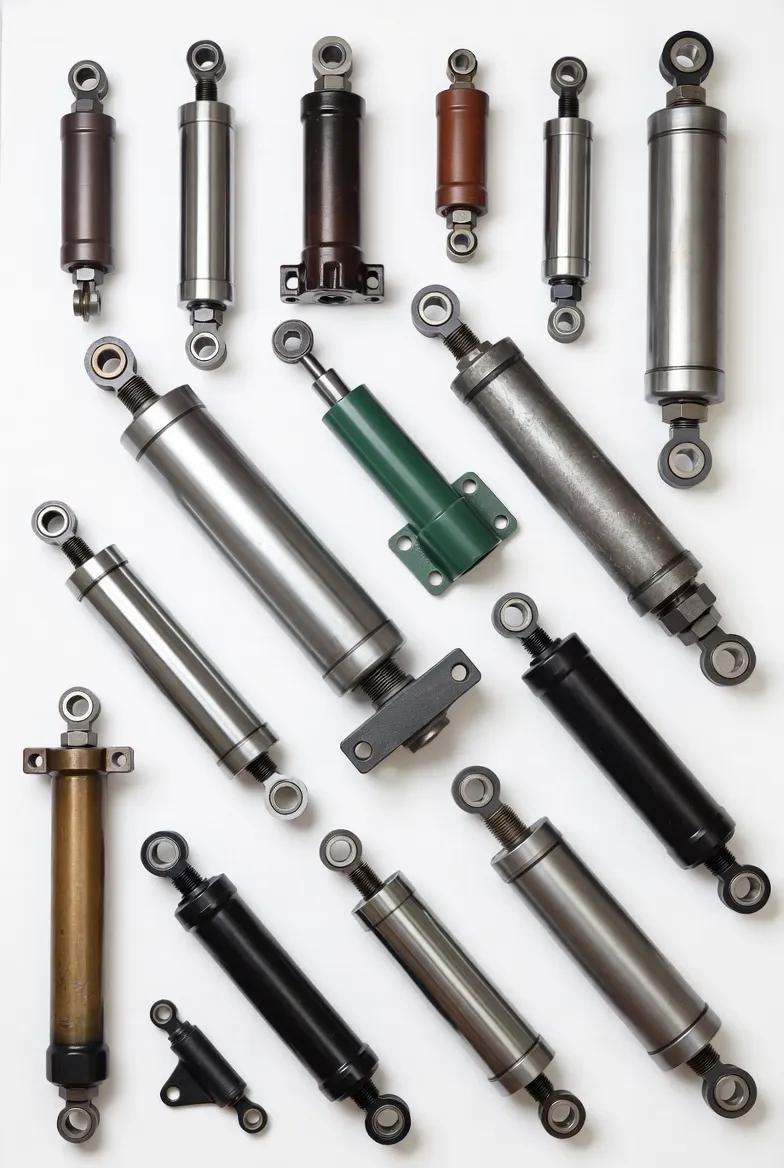
In the highly intensive disciplines of automated manufacturing, commercial earthmoving, deep underground mining, and heavy materials handling, hydraulic cylinders serve as the undisputed mechanical muscles of the operation. These massive steel pressure vessels are designed to convert the hydrostatic energy of pressurized synthetic fluid into perfectly controlled linear force. However, the entirety of this immense power relies absolutely on a few microscopic millimeters of elastomeric polymer: the hydraulic seals. The forged steel barrel and the induction hardened chrome rod are virtually indestructible, but without a perfect internal sealing boundary, high pressure fluid simply bypasses the piston, rendering the entire machine paralyzed. If you are configuring a new fluid power system, exploring the comprehensive capabilities of our premium hydraulic cylinders platform will establish the ultimate engineering baseline.
Choosing the right seal material is not a trivial maintenance decision; it is the most consequential thermodynamic and chemical engineering choice in the entire actuator specification process. Hydraulic seals are subjected to an incredibly hostile environment. They must effortlessly glide against micro honed steel millions of times without wearing down. They must survive extreme hydrostatic pressure spikes that attempt to physically extrude them through the microscopic clearance gaps between the piston and the barrel. Most critically, they must resist brutal thermodynamic fluctuations and complex chemical attacks from various specialized hydraulic fluids. Selecting an incompatible polymer guarantees catastrophic seal swelling, severe embrittlement, massive external fluid hemorrhaging, and sudden load dropping.

From a highly authoritative engineering perspective evaluated against international fluid power manufacturing criteria, there is no single universal seal material that excels in every application. Engineers must choose between three primary elastomeric families: Nitrile, Viton, and Polyurethane. Each of these materials possesses distinct tribological friction profiles, unique chemical resistances, and strict operational temperature thresholds. This comprehensive technical guide will meticulously dissect the molecular advantages and fatal vulnerabilities of Nitrile, Viton, and Polyurethane, providing the exact engineering parameters you must evaluate to select the ultimate sealing architecture for your heavy machinery.
Nitrile (NBR): The Industrial Standard
Nitrile rubber, also known universally as NBR or Buna-N, is the absolute bedrock of the fluid power sealing industry. It is the default, baseline elastomer utilized in the vast majority of standard hydraulic cylinders globally.
Superior Oil Compatibility
Nitrile is a synthetic rubber copolymer of acrylonitrile and butadiene. The primary reason it dominates the industry is its exceptional resistance to petroleum based hydraulic oils, standard mineral oils, and water-glycol fluids. When submerged in standard hydraulic fluid, Nitrile experiences virtually zero volumetric swelling and maintains its original structural geometry. It provides an excellent balance of tensile strength, abrasion resistance, and low compression set. For standard indoor manufacturing facilities and controlled logistics environments where machines operate predictably, Nitrile is a highly cost-effective and reliable choice. This makes it the dominant polymer for equipment like standard Forklift Hydraulic Cylinders operating in climate controlled distribution warehouses.
Thermodynamic and Ozone Limitations
While NBR is magnificent for baseline operations, it has strict operational limits. Nitrile possesses a functional temperature ceiling of approximately two hundred and fifty degrees Fahrenheit (120 Celsius). If a hydraulic circuit operates inefficiently and fluid temperatures spike above this threshold, the Nitrile seals will rapidly bake, harden, and crack, leading to immediate fluid bypass. Furthermore, standard Nitrile has exceptionally poor resistance to ozone, direct ultraviolet sunlight, and extreme weathering. If a cylinder sits unused outdoors for extended periods, the exposed NBR wiper seals will dry rot and physically crumble. Therefore, standard Nitrile is rarely recommended for extreme outdoor applications without specialized chemical modifiers.

Viton (FKM): The Extreme Temperature Champion
When industrial machinery operates in the most extreme, punishing environments where standard rubber physically melts, engineers deploy fluorocarbon elastomers, globally recognized by the commercial brand name Viton (FKM). Viton is the absolute pinnacle of thermodynamic and chemical sealing technology.
Conquering Extreme Heat and Chemistry
The defining characteristic of Viton is its unparalleled heat resistance. While Nitrile degrades at two hundred and fifty degrees, Viton seals can continuously operate in fluid temperatures exceeding four hundred degrees Fahrenheit (200 Celsius) without losing their elasticity or structural integrity. Furthermore, Viton boasts almost absolute immunity to severe chemical attacks. If your hydraulic system utilizes specialized fire resistant synthetic fluids, phosphate esters, or aggressive biodegradable oils, Nitrile will swell and disintegrate, but Viton remains entirely unaffected. This chemical and thermal invulnerability makes Viton the mandatory standard for aerospace actuators, steel mill blast furnace hydraulics, and specialized Aerial Work Vehicle Hydraulic Cylinders that must operate safely near high-heat industrial exhaust systems.
The Cold Weather Vulnerability
Viton is an engineering marvel, but it is not without compromises. The molecular structure that allows it to survive blast furnaces makes it incredibly stiff in freezing temperatures. Standard Viton compounds exhibit extremely poor cold temperature flexibility. If an actuator equipped with Viton seals is operated in sub-zero Arctic conditions, the seals will shrink, become rigid as plastic, and fail to maintain contact with the dynamic chrome rod, resulting in massive fluid leaks until the system warms up. Additionally, Viton is significantly more expensive to manufacture than standard Nitrile, meaning it should only be specified when the operational environment absolutely demands its extreme properties.

Polyurethane (PU): The Indestructible Bruiser
When the primary threat to the actuator is not extreme heat or exotic chemicals, but rather brutal, unrelenting physical violence, engineers turn to Polyurethane. PU is the undisputed champion of mechanical toughness.
Unmatched Abrasion Resistance
Polyurethane boasts a physical tensile strength and tear resistance that dwarfs both Nitrile and Viton. In the brutal realm of commercial earthmoving, abrasive silica dust constantly attempts to bypass the external wiper seals. A soft Nitrile seal will rapidly shred under this abrasive assault. A highly dense Polyurethane U-cup, however, will violently resist tearing, maintaining its sharp sealing lip even when subjected to minor particulate contamination. Furthermore, Polyurethane possesses an incredibly high resistance to extrusion. When a cylinder is hit by a massive kinetic shock load, causing pressure to spike to 6000 PSI, PU seals will not physically extrude into the micro-clearance gaps, preventing catastrophic blowout. This makes Polyurethane the absolute mandatory standard for heavy duty Excavator Hydraulic Cylinders and massive rock quarrying equipment.
The Hydrolysis Weakness
Like all polymers, Polyurethane has an Achilles heel: hydrolysis. If standard Polyurethane is exposed to water or high humidity environments combined with elevated fluid temperatures (above 150 degrees Fahrenheit), a devastating chemical reaction occurs. The water molecules actively attack the polymer chains, causing the Polyurethane to rapidly soften, degrade, and literally revert to a mushy, gel-like state. Once hydrolysis occurs, the seal is utterly destroyed. Therefore, standard PU is never recommended for water-glycol systems or extremely humid subsea environments. However, for dry, heavy-impact applications like Dump Truck Hydraulic Cylinders, its physical toughness is unrivaled.
Strategic Application Matrix: Making the Final Decision
Choosing the right seal material requires a holistic evaluation of the machine’s operational envelope. Procurement engineers must cross-reference temperature, pressure, chemistry, and environmental hostility to specify the perfect polymer.
- ✔️
Specify Nitrile (NBR) When: You are operating standard indoor factory automation, logistics equipment, or general-purpose actuators where fluid temperatures remain consistently below two hundred degrees Fahrenheit and standard mineral-based hydraulic oil is utilized. It provides the best cost-to-performance ratio for predictable environments.
- ✔️
Specify Polyurethane (PU) When: The machine is subjected to violent kinetic shock loads, extreme hydraulic pressure spikes, and highly abrasive outdoor dirt. Its unmatched tear strength and extrusion resistance make it the only viable choice for heavy construction and rugged Agricultural Hydraulic Cylinders plowing through dense, rocky soil.
- ✔️
Specify Viton (FKM) When: The actuator is operating in extreme proximity to blast furnaces, aircraft exhaust, or deep chemical processing plants. If the fluid temperature regularly exceeds two hundred and fifty degrees, or if the system utilizes highly aggressive synthetic, non-flammable hydraulic fluids, Viton is the absolute mandatory specification to prevent immediate chemical melting and catastrophic load failure.


Conclusion: Engineering Flawless Hydrostatic Boundaries
Understanding the profound differences in hydraulic cylinder seal materials is the ultimate differentiator between highly profitable industrial operations and crippling, reactive repair cycles. The forged steel of the actuator provides the structural skeleton, but the elastomeric polymers provide the absolute hydrostatic barrier that makes kinetic force possible. By carefully matching the chemical resilience of Nitrile for standard operations, deploying the unmatched thermal invulnerability of Viton for high heat environments, and harnessing the brutal mechanical toughness of Polyurethane for violent earthmoving, engineering professionals can architect flawless fluid power systems. Selecting the correct polymer guarantees that your machinery will perform with unyielding, safe reliability, preventing devastating internal fluid bypass and ensuring decades of operational success. If you require expert guidance on specifying the perfect advanced sealing architecture for your next machine design, our engineering team is ready to assist.