
Fluid Power Reliability Engineering
How Long Should a Hydraulic Cylinder Last? A Definitive Engineering Analysis
An authoritative technical guide exploring cycle fatigue, seal degradation lifespans, environmental hostility vectors, and the predictive maintenance protocols required to maximize fluid power actuator longevity.

Defining the Baseline Expectation of Fluid Power
In the highly capital intensive industries of automated manufacturing, commercial construction, deep underground mining, and aerospace engineering, hydraulic systems represent massive financial investments. These fluid power networks are relied upon to deliver unyielding, relentless kinetic force hour after hour, year after year. At the very forefront of this mechanical output is the linear actuator. When equipment owners, fleet managers, and mechanical design engineers ask the critical question, how long should a hydraulic cylinder last, they are seeking a definitive metric to calculate their total cost of ownership and schedule predictive maintenance. However, unlike a lightbulb with a simple hourly rating, a hydraulic cylinder is a highly dynamic assembly of metallurgy and polymer science. Its lifespan is not strictly dictated by the calendar, but by the violence of its operational environment.
From a highly authoritative engineering perspective evaluated against international fluid power standards, there is no single chronological answer. A hydraulic cylinder operating on an indoor, climate controlled assembly line pushing a perfectly aligned, lightweight payload might operate flawlessly for over fifteen years without requiring a single seal replacement. Conversely, an identical cylinder mounted on the boom of a massive rock quarry excavator, subjected to extreme shock loads, abrasive silica dust, and violently fluctuating hydrostatic pressures, might suffer catastrophic failure in less than eighteen months. Therefore, engineers do not measure hydraulic cylinder lifespan in pure years; they measure it in total linear miles of seal travel, hours of pressurization, and total operational cycles.
As a general industrial benchmark, a premium, correctly specified hydraulic cylinder operating under optimal conditions with rigorous fluid maintenance should comfortably surpass ten thousand hours of continuous operation or exceed several million extension and retraction cycles before requiring a major overhaul. This comprehensive technical engineering manual will meticulously dissect the specific variables that accelerate mechanical destruction, explore the chemistry of polymer seal degradation, analyze the metallurgical fatigue limits of steel rods, and detail the precise preventative maintenance protocols required to maximize your fluid power investment.
Phase 1: The Lifespan of Internal Polymer Seals
The solid steel barrel and hardened chrome rod of an actuator will theoretically last decades. The true limiting factor in the average life expectancy of a hydraulic cylinder is the degradation of its internal dynamic sealing architecture.
Thermodynamic Degradation
Hydraulic seals are manufactured from advanced elastomeric polymers, typically Polyurethane or PTFE Teflon. These materials have strict thermal operational limits. If a fluid power circuit operates inefficiently, pushing fluid over relief valves or suffering from flow restrictions, the hydraulic oil becomes superheated. Prolonged exposure to fluid temperatures exceeding one hundred eighty degrees Fahrenheit will rapidly bake these polymer seals. The material loses its crucial elasticity, becomes brittle, and physically cracks under high pressure. Thermal degradation can slash a seal’s intended lifespan from five years down to a matter of weeks.
Abrasive Particulate Wear
The dynamic piston seals must constantly slide against the interior wall of the steel barrel. Under perfectly clean conditions, a microscopic film of hydraulic oil provides flawless lubrication, allowing millions of friction free cycles. However, if the hydraulic fluid becomes contaminated with microscopic silica dust, rust flakes, or metal shavings, these hard particles embed themselves into the soft polymer seals. The seal transforms into a piece of high speed liquid sandpaper, grinding aggressively against the steel barrel with every stroke until the sealing lip is entirely eroded away, resulting in massive internal fluid bypass.

Phase 2: Structural Fatigue and Metallurgical Limits
While seal degradation is the most frequent cause of required maintenance, the ultimate lifespan of the entire actuator assembly is dictated by the metallurgical endurance of its hard parts. Steel can only endure a finite number of immense stress cycles before it yields to structural fatigue.
Every time a hydraulic cylinder extends to push a massive payload, the internal hydrostatic pressure attempts to physically blow the end caps off the barrel. In a tie rod cylinder, the external steel rods stretch microscopically under this tension. In a welded body cylinder, the fused joints absorb the shockwave. Over hundreds of thousands of high pressure cycles, this constant stretching and relaxing induces microscopic molecular fatigue within the steel lattice. If a machine is constantly operated at its absolute maximum pressure relief setting, or if it frequently experiences violent shock loads dropping heavy weights abruptly the metal will eventually suffer from tensile rupture or barrel ballooning. A properly engineered cylinder running at seventy percent of its maximum rated capability will structurally outlast a cylinder constantly pushed to one hundred percent capacity by a factor of ten to one.
The Vulnerability of the Chrome Rod
The hardened chrome piston rod is uniquely vulnerable because it is the only component routinely exposed to the outside environment. The lifespan of the rod is severely compromised by lateral side loading. If the mounting kinematics of the machine are misaligned, the cylinder extends at a diagonal trajectory. This forces the rigid steel rod to grind heavily against the brass bearing guides inside the head gland.
This severe metal on metal friction will rapidly strip the hard chrome plating right off the steel core. Furthermore, in highly corrosive environments like offshore marine decks, if saltwater penetrates the microscopic pores of the chrome, the underlying steel will rust, expanding and flaking the chrome off in massive chunks. A heavily pitted or side loaded rod signifies the absolute end of the actuator’s viable lifespan, necessitating total rod replacement.

Phase 3: The Impact of Duty Cycles and Application Velocity
Engineers calculating the longevity of a fluid power system must differentiate between chronological time and operational duty cycles. Ten years on a calendar means nothing if the machine is rarely activated.
High Frequency Automation
Consider a robotic sorting arm in a logistics warehouse. The cylinder may only push a ten pound payload, but it extends and retracts sixty times per minute, operating twenty four hours a day. The hydrostatic pressures are low, but the sheer linear mileage the seals accumulate is astronomical. In these high frequency applications, the cylinder’s lifespan is entirely dictated by tribological friction. The seals will inevitably wear down from sheer physical abrasion long before the steel components ever suffer from pressure fatigue. Routine seal replacement every twelve to eighteen months is considered a standard operational expectation here.
Low Frequency, Heavy Tonnage
Conversely, consider the massive hydraulic cylinders raising the spillway gates of a hydroelectric dam. These actuators may only move a few feet per month, but when they do, they are lifting millions of pounds against crushing hydrostatic resistance. The linear mileage on the seals is practically zero, but the sheer static pressure resting on the components is immense. In these scenarios, the seals can last for twenty years without physical abrasion, but the steel holding the pressure must be meticulously engineered to resist long term creep and microscopic metallurgical deformation. The lifespan here is dictated by material endurance, not dynamic friction.
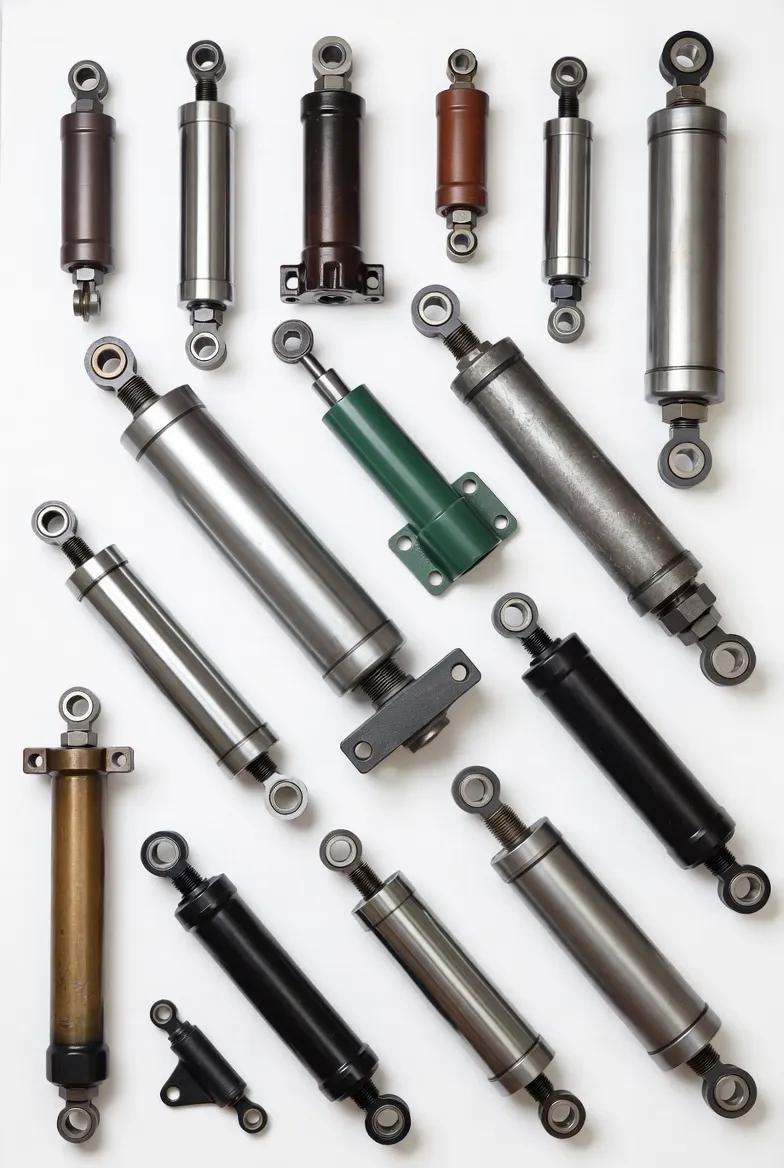
Engineering a Maximized Lifespan: Proactive Protocols
A hydraulic cylinder does not possess an expiration date stamped onto its barrel. Its longevity is entirely malleable. A fleet manager can double or even triple the operational lifespan of their fluid power actuators by implementing strict, uncompromising preventative maintenance protocols.
- ✔️
Absolute Fluid Purity (ISO Cleanliness Codes): Over 75 percent of all premature cylinder failures are traced directly back to contaminated oil. Maintaining rigorous ISO fluid cleanliness standards is non negotiable. You must deploy high efficiency spin on return filters and dedicated kidney loop filtration carts to scrub the oil of microscopic silica and metal shavings before they can reach the actuator and shred the dynamic seals. Regular laboratory oil sampling must be conducted to monitor particulate counts and chemical degradation.
- ✔️
Perfect Kinematic Alignment: Side loading is a silent, rapid killer. Maintenance technicians must regularly inspect the equipment chassis for worn pivot pins, sloppy bushings, or bent mounting clevises. Any geometric misalignment in the machine frame will instantly transfer lethal lateral bending moments directly into the extended cylinder rod. Replacing a cheap worn brass chassis bushing can save a five thousand dollar hydraulic cylinder from catastrophic failure.
- ✔️
Protecting the Chrome Armor: In hostile environments, relying solely on the internal wiper seal is insufficient. Deploying heavy duty Kevlar bellows or rigid steel shrouds over the extended rod prevents falling rocks, abrasive concrete dust, and corrosive chemicals from ever making physical contact with the highly polished chrome plating, preserving the pristine surface required for infinite seal life.

Predictive Overhauls vs Run-to-Failure
Understanding the lifecycle of your fluid power components dictates your financial maintenance strategy. In many industrial environments, companies operate on a “run to failure” methodology they ignore the cylinder until oil is violently spraying across the factory floor. This is the most expensive operational strategy possible.
When a seal completely blows out during production, you lose thousands of dollars in unscheduled machine downtime, contaminate the surrounding environment, and frequently cause secondary damage, such as scoring the steel barrel as the piston grinds without lubrication. World class engineering facilities operate on predictive schedules. Knowing that a specific cylinder configuration typically exhibits seal wear after 5,000 hours, they proactively remove the cylinder at 4,500 hours during a planned holiday shutdown. They install a fifty dollar seal kit while the steel components are still in pristine condition, resetting the operational clock to zero and ensuring the actuator functions flawlessly for another half decade.

Conclusion: Dictating Your Own Durability
When determining how long a hydraulic cylinder should last, the most accurate engineering answer is: exactly as long as you allow it to. While high quality metallurgy and advanced polymer seals create a robust foundation capable of decades of service, their ultimate survival is entirely dependent on the operational environment. By rigorously defending the system against abrasive fluid contamination, fiercely eliminating the geometric misalignment that causes lethal side loading, and implementing intelligent, predictive seal replacement schedules, engineering professionals can push the boundaries of mechanical endurance. Proactive fluid power management transforms expensive, unpredictable catastrophic breakdowns into routine, manageable maintenance, ensuring your heavy machinery continues to deliver uncompromising kinetic force far into the future.