
Fluid Power Structural Engineering
What is a Welded Body Hydraulic Cylinder? The Ultimate Engineering Guide
An authoritative and highly comprehensive technical analysis exploring the metallurgical integrity, mobile equipment applications, hydrostatic pressure containment, and advanced manufacturing processes of welded fluid power actuators.

The Indestructible Backbone of Mobile Machinery
In the highly rigorous, punishing environments of heavy construction, underground mining, offshore marine engineering, and commercial agriculture, fluid power systems are the undisputed driving force behind immense mechanical capabilities. These extreme industrial sectors require linear actuators that can endure relentless hydrostatic pressures, violent physical shock loads, and abrasive environmental contamination without suffering structural failure. To meet these extreme demands, engineers rely exclusively on the welded body hydraulic cylinder. Understanding exactly what a welded body hydraulic cylinder is, how it is manufactured, and why it completely dominates the mobile equipment sector is absolutely essential for any fluid power engineer, heavy machinery designer, or maintenance professional.
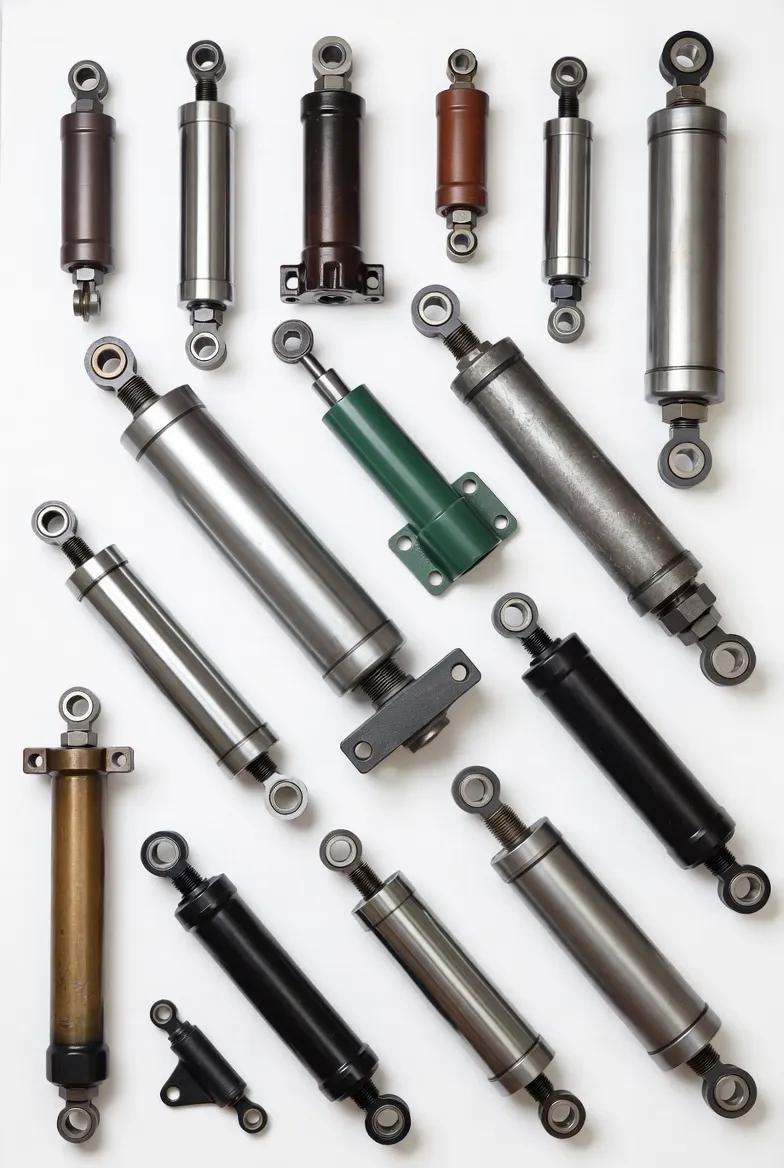
Unlike its tie rod counterpart, which relies on external threaded bolts to clamp the assembly together, a welded body hydraulic cylinder features a monolithic, permanently fused steel housing. The heavy duty base cap, the fluid ports, and the mounting clevises are physically welded directly to the seamless steel cylinder barrel using advanced automated fabrication techniques. This creates a remarkably robust, highly rigid pressure vessel that eliminates the external bulky hardware. The resulting actuator is significantly narrower, lighter, and vastly more durable when subjected to the chaotic, multi directional forces experienced by moving vehicles traversing uneven terrain.
From a highly authoritative engineering perspective evaluated against international fluid power standards, the widespread adoption of welded hydraulic cylinders represents a triumph of metallurgical science. This comprehensive, highly detailed technical manual will systematically dissect the anatomical architecture of welded actuators, explore the complex physics of hydrostatic stress management, contrast their performance metrics against tie rod designs, and detail the precise industrial mobile applications that rely on their flawless execution.
The Anatomical Architecture of Welded Actuators
The structural integrity of a welded body fluid power actuator relies on a perfectly synchronized assembly of highly machined steel components, advanced welding metallurgy, and premium polymer sealing architectures.
The Fused Base Weldment
The defining characteristic of this cylinder style is the base cap. The heavy duty steel base is completely and permanently welded to the seamless cold drawn steel barrel. This automated orbital welding process penetrates deeply into the steel, creating a solid, impenetrable joint. By eliminating the mechanical joint found in tie rod designs, the welded base absolutely eradicates the potential for high pressure fluid blowouts at the rear of the cylinder, allowing the actuator to safely contain extreme pressure spikes exceeding five thousand PSI without structural fatigue.
The Threaded Head Gland
While the base is permanently fused, the front of the cylinder must remain accessible for internal maintenance. Welded cylinders utilize a heavy duty cylinder head gland that is threaded directly into the internal diameter of the steel barrel. This ductile iron or steel gland houses the primary high pressure rod seals, the aggressive dirt wiper rings, and the bronze bearing guides. Because it is threaded internally, it maintains the sleek, narrow outer profile of the cylinder while securely trapping the massive outward forces generated during the extension stroke.

Welded vs Tie Rod Cylinders: The Engineering Showdown
When designing a new hydraulic system, selecting the correct actuator architecture is paramount. The debate between welded body hydraulic cylinders and tie rod cylinders is a fundamental cornerstone of fluid power mechanical engineering. Each style offers distinct advantages specifically tailored to entirely different operational environments.
The Spatial Envelope and Form Factor
The most obvious physical difference is the footprint. Tie rod cylinders feature square end caps and protruding external steel rods, making them incredibly bulky. In factory automation, space is generally abundant, so this bulk is acceptable. However, in mobile equipment design such as the compact chassis of a skid steer loader or the articulated joints of an aerial manlift physical space is at an absolute premium. Welded cylinders present a sleek, highly streamlined profile. Without the protruding tie rods, engineers can squeeze massive fluid power capabilities into incredibly tight, confined mechanical spaces.
Tensile Fatigue and Environmental Resilience
Mobile equipment operates on uneven terrain, subjecting the machinery to violent vibrations, heavy side loading, and massive shock spikes. If a tie rod cylinder is subjected to these extreme shock loads, the external steel rods will physically stretch under tensile fatigue. When the tie rods stretch, the clamping force is lost, and the cylinder suffers a massive blowout. Welded cylinders completely eliminate this vulnerability; their monolithic steel construction easily absorbs brutal shockwaves. Furthermore, the exposed threads on a tie rod cylinder act as magnets for mud, ice, and corrosive debris, making them highly susceptible to environmental destruction. The smooth exterior of a welded cylinder easily sheds mud and concrete, making it the only logical choice for outdoor industrial applications.

Advanced Manufacturing and Metallurgy
Producing a high pressure welded body hydraulic cylinder requires mastering the complex intersection of heavy metallurgical fabrication, precision machining, and non destructive testing.
Automated Friction and Orbital Welding
To guarantee the pressure vessel will not rupture under immense hydrostatic loads, premium manufacturers utilize advanced automated orbital MIG welding or solid state friction welding. Friction welding spins the base cap against the steel barrel at incredibly high velocities, generating massive heat through kinetic friction. Once the steel reaches a plastic state, immense hydraulic forging force is applied, permanently fusing the two components without the use of filler metals. This creates a joint that is frequently stronger than the parent steel itself, entirely immune to the porosity or slag inclusions common in manual welding operations.
Post-Weld Machining and Micro-Honing
The extreme heat of the welding process inevitably causes microscopic distortion in the steel tube. Therefore, the internal barrel must undergo precision machining after the welding phase is complete. The bore is subjected to a highly sophisticated multi stage micro honing process. This ensures the interior wall achieves absolute geometric roundness and a mirror like finish with microscopic cross hatching. This specific surface texture is crucial for retaining a tiny film of lubricating hydraulic oil, preventing the high pressure seals from shredding due to dry mechanical friction.
Induction Hardened Chrome Rods
Because mobile equipment cylinders are exposed to brutal outdoor environments, the piston rod requires ultimate protection. The high yield strength steel rod undergoes an induction hardening process to drastically increase its physical dent resistance against falling rocks or debris. Subsequently, it is coated in a thick, precision ground layer of hard chrome. This creates a diamond hard armor that resists abrasive scoring and aggressive environmental corrosion from saltwater, agricultural fertilizers, or acidic mining mud.
Global Industrial Applications of Welded Actuators
The unparalleled structural rigidity and compact spatial envelope of custom welded hydraulic actuators make them the absolute mandatory choice across a vast array of heavy industries where equipment failure is not an option.
- ✔️
Heavy Construction and Earthmoving: Every single hydraulic excavator, wheel loader, bulldozer, and articulated dump truck relies exclusively on welded cylinders. These machines demand massive breakout force to tear through compacted soil and bedrock. The welded construction ensures the cylinders survive the violent, continuous shock loads and heavy lateral bending forces experienced during aggressive earthmoving operations.
- ✔️
Material Handling and Aerial Lifts: Forklifts, telehandlers, and scissor lifts utilize highly specialized, long stroke welded cylinders for mast elevation and boom extension. The integration of load holding counterbalance valves directly welded onto the cylinder barrel guarantees that the suspended payload or human operators will not crash to the ground in the event of a catastrophic hose rupture.
- ✔️
Commercial Agriculture and Forestry: Harvesters, high capacity balers, and logging feller bunchers operate deep in hostile environments far from repair facilities. The sleek profile of a welded cylinder prevents vines, branches, and heavy crop debris from snagging on the actuator and ripping it off the equipment chassis, ensuring continuous operational uptime during critical harvest windows.

The Digital Horizon: Smart Welded Cylinders and Predictive Maintenance
The heavy equipment sector is currently undergoing a monumental technological paradigm shift driven by the Industrial Internet of Things. Traditional welded body hydraulic cylinder design, long considered a purely passive mechanical force generator, is rapidly evolving into a highly intelligent, sensor driven data node deeply integrated into mobile equipment telematics.
Next generation smart welded cylinders are being deeply integrated with absolute linear position sensors hidden safely inside the hollow piston rod. These advanced sensors feed real time stroke telemetry directly to the machine’s central computer, allowing for automated grading, precise bucket positioning, and electronic stroke cushioning. Furthermore, integrated high resolution pressure transducers and vibration sensors can analyze the performance signature of the cylinder over millions of operational cycles. Artificial intelligence algorithms utilize this big data to accurately predict internal seal wear, detect fluid aeration, or identify impending structural fatigue. This crucial shift toward AI driven predictive maintenance allows fleet managers to schedule targeted rebuilds during planned off season downtime, entirely eradicating the catastrophic financial costs and safety hazards associated with sudden, unexpected hydraulic failures on the job site.

Conclusion: The Ultimate Standard of Mobile Power
Understanding what a welded body hydraulic cylinder is and recognizing its specific engineering advantages is the fundamental bedrock of designing and maintaining successful heavy mobile equipment. By perfectly balancing immense hydrostatic force containment with unparalleled environmental resilience and a highly compact spatial envelope, these actuators have secured their position as the driving force behind modern global infrastructure development. For engineering professionals and heavy equipment fleet managers, mastering the structural physics of welded pressure vessels, executing rigorous preventative maintenance protocols, and embracing the integration of advanced smart sensors guarantees operational safety, maximizes machine productivity, and ensures long term mechanical reliability in the world’s most unforgiving outdoor environments.