
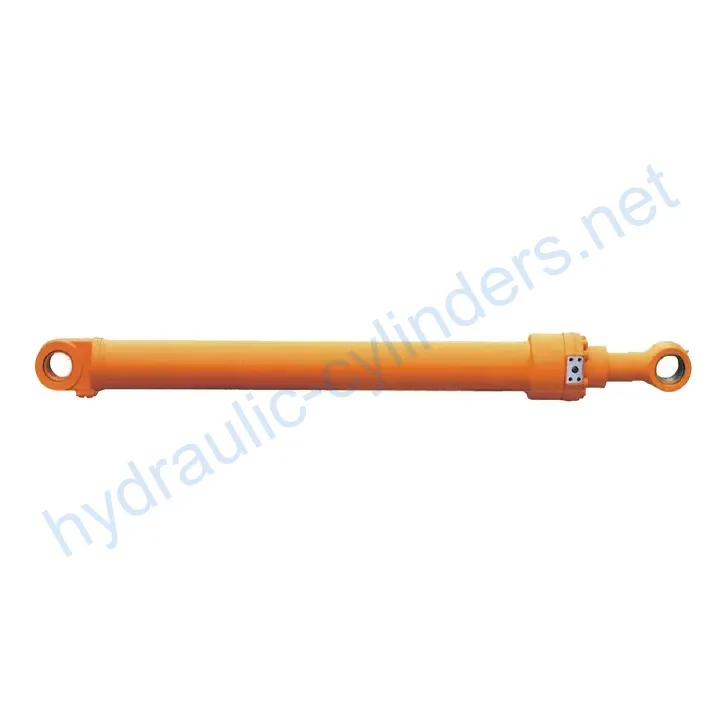
Arm Cylinder For John Deere E330LC
Como um dos fabricantes, fornecedores e exportadores de produtos mecânicos de cilindros hidráulicos, oferecemos cilindros hidráulicos e muitos outros produtos.
Entre em contato conosco para obter detalhes.
Correio eletrônico:sales@hydraulic-cylinders.net
Fabricante, fornecedor e exportador de cilindros hidráulicos.
Arm Cylinder For John Deere E330LC
Definição e Explicação
The arm cylinder is a specially designed hydraulic cylinder that provides linear motion and power for the arm of various types of machinery, such as excavators, cranes, and robotic arms. The arm cylinder plays a crucial role in hydraulic systems, enabling the effective movement and control of additional tools or attachments. These cylinders not only ensure smooth motion but also withstand heavy loads, ensuring efficient operation and reliability of the machinery under various working conditions.
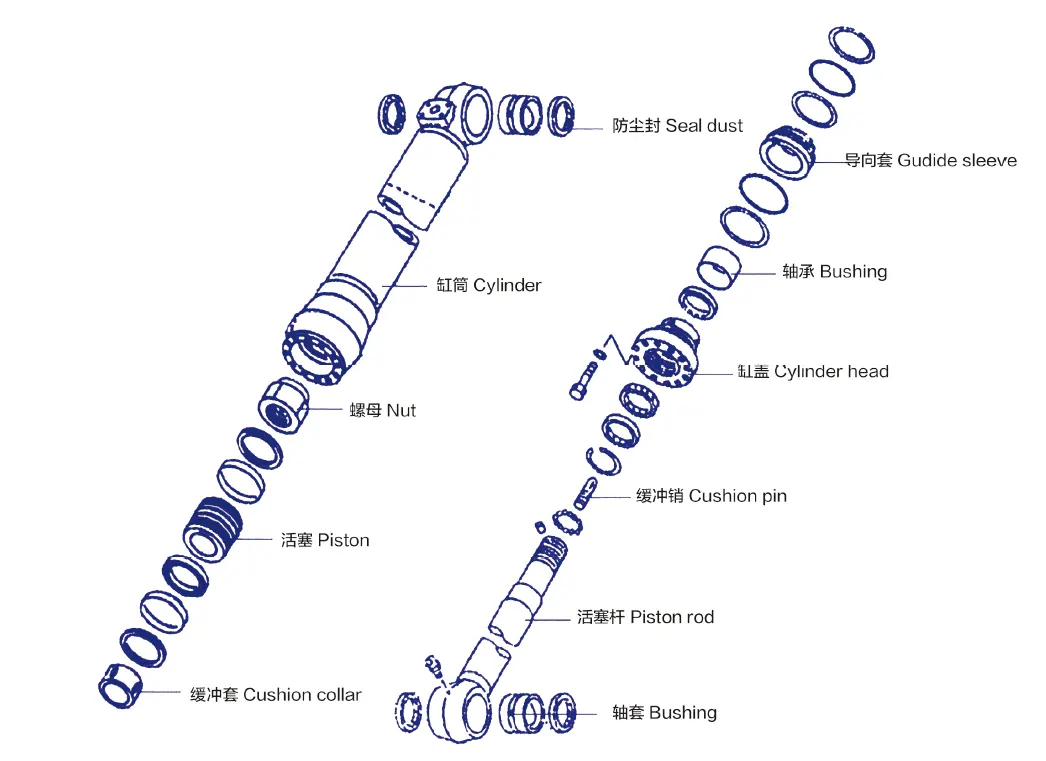
Características
- Transmissão de alta eficiência: The arm cylinder provides powerful linear motion and force, ensuring high-performance capabilities in various operations.
- Controle de precisão: Por meio do sistema hidráulico, o cilindro do braço permite um controle preciso do movimento, tornando a operação de ferramentas adicionais mais flexível e precisa.
- Durabilidade: Arm cylinders are typically manufactured with high-strength materials, offering excellent wear resistance and corrosion resistance, suitable for long-term use in harsh environments.
- Adaptabilidade multifuncional: Esses cilindros podem ser amplamente utilizados em diversos equipamentos de maquinário, como escavadeiras, guindastes e braços robóticos, adaptando-se a diferentes requisitos de trabalho.
- Fácil manutenção: Designed with consideration for ease of maintenance and replacement, the arm cylinder facilitates convenient periodic inspections and maintenance, reducing equipment downtime.

Aplicações
O cilindro de braço encontra aplicações em vários setores:
- Engenharia de Construção: Em escavadeiras e guindastes, o cilindro do braço controla o movimento das caçambas ou das lanças para trabalhos de terraplenagem, movimentação de materiais e instalação de estruturas.
- Indústria de transformação: In automated production lines, the arm cylinder is used for the movement of robotic arms in processes such as assembly, welding, and material handling, improving production efficiency and precision.
- Maquinaria agrícola: In agricultural equipment such as harvesters and planters, the arm cylinder controls the movement of operating arms for tasks like seeding, fertilizing, and harvesting.
- Mineração: Em equipamentos de mineração, o cilindro do braço controla o movimento do braço da máquina de mineração para extração e transporte de minério.
- Logística e Transporte: Em empilhadeiras e robôs de movimentação, o cilindro do braço controla o levantamento e o movimento dos garfos, facilitando o manuseio e o empilhamento de materiais.
Considerações de design e critérios de seleção
- Capacidade de carga: Discuss the arm cylinder’s capacity to withstand different loads and its importance in selecting the appropriate cylinder for specific applications.
- Selagem: Explain the use of various sealing components, such as piston seals and rod seals, made with wear-resistant materials like polyurethane and nitrile rubber. Also, discuss the surface treatment of the cylinder body and threaded ends to enhance wear resistance.
- Durabilidade: Highlight the durability of the arm cylinder due to its construction with high-quality materials and manufacturing processes.
- Segurança: Discuss the safety considerations in arm cylinder design, including features for preventing accidents and ensuring operator protection.
- Manutenibilidade: Describe the ease of maintenance and repair, including the accessibility of components and the need for regular lubrication with hydraulic oil.

Vedação e Lubrificação
The arm cylinder incorporates various sealing components, such as piston seals and rod seals, made with wear-resistant materials like polyurethane and nitrile rubber. The cylinder body and threaded ends undergo fine treatments to enhance their wear resistance. Regular lubrication with an appropriate amount of hydraulic oil is necessary to ensure smooth operation and longevity.
Inspeções regulares e manutenção preventiva
To maintain optimal performance and prolong the lifespan of the arm cylinder, regular inspections and preventative maintenance are essential:
- Inspecting seals and components for signs of wear or damage.
- Checking hydraulic connections for leaks.
- Verifying proper lubrication levels.
- Periodically cleaning the cylinder and removing any contaminants.
- Following manufacturer’s guidelines for maintenance intervals and procedures.

Guia de instalação do produto
Para garantir a instalação correta do cilindro do braço, siga estes passos:
- Prepare the mounting surface and ensure it is clean and free from debris.
- Posicione o cilindro do braço no local desejado.
- Securely attach the cylinder using appropriate mounting brackets or bolts.
- Connect hydraulic hoses or pipes, ensuring proper tightness and leak-free connections.
- Check for any interference or misalignment and make necessary adjustments.
- Test the cylinder’s operation to ensure it functions correctly.

Considerações de segurança e fatores ambientais
When working with the arm cylinder, safety measures are crucial to prevent accidents and ensure the well-being of operators. It is important to emphasize the significance of complying with safety guidelines, such as wearing appropriate protective equipment and following proper operating procedures. Additionally, consideration should be given to environmental factors, such as avoiding fluid leakage and proper disposal of hydraulic oil.
Solução de problemas e problemas comuns
When encountering problems with the arm cylinder, the following troubleshooting tips and solutions can help diagnose and resolve issues effectively:
- Issue 1: Cylinder not extending or retracting fully.
- Possible Solution: Check hydraulic fluid levels and system pressure. Inspect for any blockages or restrictions in the hydraulic lines.
- Issue 2: Cylinder leaking hydraulic fluid.
- Possible Solution: Inspect the seals and connections for damage or wear. Replace any faulty components and ensure proper tightening of connections.
- Issue 3: Cylinder operating slowly or with reduced power.
- Possible Solution: Check hydraulic fluid viscosity and system pressure. Clean or replace clogged filters if necessary.
By following these troubleshooting tips and implementing preventative measures, potential issues can be minimized, ensuring the smooth operation of the arm cylinder.
Autor: lyl
Sobre nossa empresa
We are a professional manufacturer of replacement hydraulic cylinders, offering a wide range of products. As one of the leading manufacturers and wholesale distributors in the domestic and international markets, we adhere to the principle of excellent quality. We continuously improve our technical expertise and production efficiency through the implementation of industrialized production management strategies in our advanced manufacturing workshops. By introducing high-end digital manufacturing equipment and professional testing systems, we optimize our manufacturing platform and enhance product quality control processes, enabling us to possess strong innovation capabilities. Our goal is to meet the diverse needs of customers with efficiency, precision, and high-quality products.

Cilindro hidráulico Aplicação:

 PT
PT  EN
EN  ES
ES  DE
DE  FR
FR  IT
IT  AR
AR  ZH
ZH  RU
RU  KO
KO  KA
KA  BG
BG  CS
CS  DA
DA  EL
EL  ET
ET  FI
FI  HU
HU  ID
ID  LT
LT  LV
LV  NB
NB  NL
NL  PL
PL  RO
RO  SK
SK  SL
SL  SV
SV  TR
TR  UK
UK