

Arm Cylinder For Kato Small Excavator HD1638R
Como um dos fabricantes, fornecedores e exportadores de produtos mecânicos de cilindros hidráulicos, oferecemos cilindros hidráulicos e muitos outros produtos.
Entre em contato conosco para obter detalhes.
Correio eletrônico:sales@hydraulic-cylinders.net
Fabricante, fornecedor e exportador de cilindros hidráulicos.
Arm Cylinder For Kato Small Excavator HD1638R
Introdução
An arm cylinder is a specially designed hydraulic cylinder that is primarily used to provide linear motion and power to the arm of various machinery such as excavators, cranes, and robotic arms. The arm cylinder plays a crucial role in hydraulic systems, enabling the efficient movement and control of additional tools or attachments. These cylinders not only ensure smooth motion but also withstand heavy loads, ensuring the efficient operation and reliability of the machinery under various working conditions.
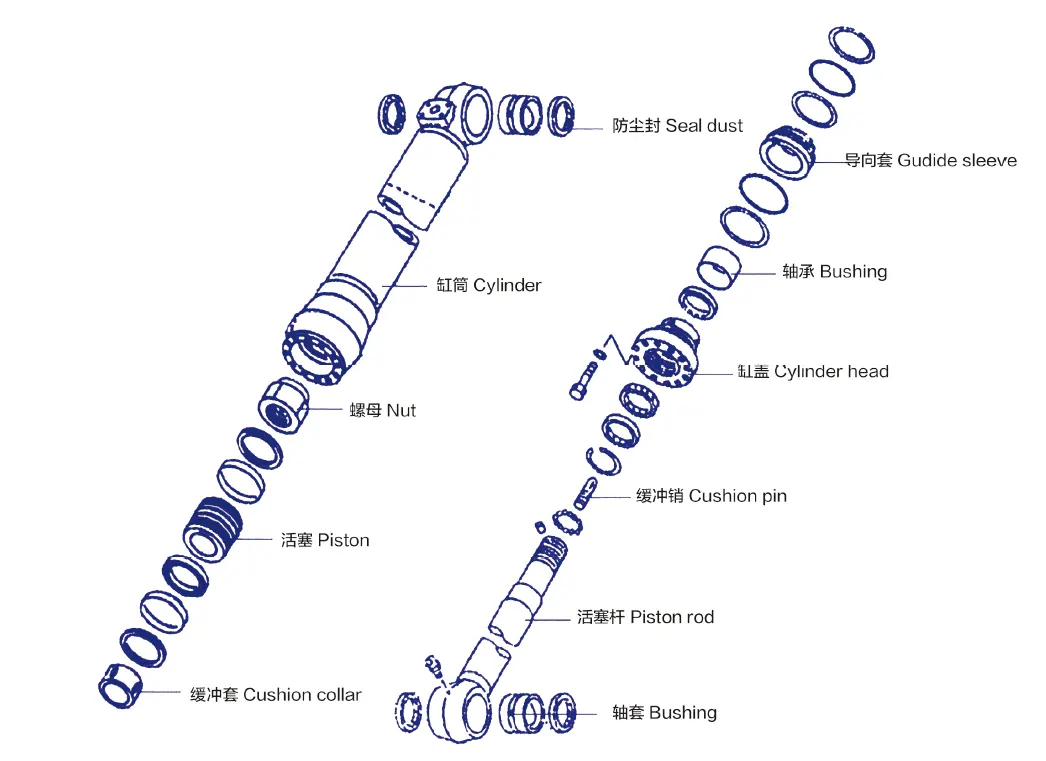
Características
- Transmissão de alta eficiência: O cilindro do braço proporciona movimento linear e força potentes, garantindo alto desempenho em diversas operações.
- Controle preciso: Por meio do sistema hidráulico, o cilindro do braço permite um controle preciso do movimento, tornando a operação das ferramentas acopladas mais flexível e precisa.
- Durabilidade: Os cilindros de braço são normalmente feitos de materiais de alta resistência com excelente resistência ao desgaste e à corrosão, tornando-os adequados para uso a longo prazo em ambientes agressivos.
- Adaptabilidade multifuncional: Esses cilindros podem ser amplamente aplicados em diversas máquinas, como escavadeiras, guindastes e braços robóticos, adaptando-se a diferentes requisitos de trabalho.
- Fácil manutenção: The design of the arm cylinder ensures ease of maintenance and replacement, making regular inspections and upkeep convenient and reducing equipment downtime.

Aplicações
O cilindro de braço encontra aplicações em vários setores:
- Engenharia de Construção: In excavators and cranes, the arm cylinder controls the movement of buckets or booms, facilitating earthworks, material handling, and structural installations.
- Fabricação: Em linhas de produção automatizadas, o cilindro do braço permite o movimento dos braços robóticos para processos de montagem, soldagem e manuseio, melhorando a eficiência e a precisão da produção.
- Maquinaria agrícola: Em equipamentos agrícolas como colheitadeiras e semeadoras, o cilindro do braço controla o movimento dos braços operacionais para tarefas como semeadura, fertilização e colheita.
- Mineração: Em equipamentos de mineração, o cilindro do braço controla o movimento do braço da máquina de mineração para extração e transporte de minério.
- Logística e Transporte: Em empilhadeiras e robôs de movimentação, o cilindro do braço controla a elevação e o movimento dos garfos, permitindo o manuseio e o empilhamento de materiais.
Considerações de design e critérios de seleção
When it comes to arm cylinders, several design considerations and selection criteria play a vital role:
- Capacidade de suporte: The arm cylinder must be able to withstand the expected loads and forces during operation.
- Selagem: Various sealing components, such as piston seals and rod seals, should be employed using wear-resistant materials like polyurethane or nitrile rubber. The cylinder body and threaded ends should undergo fine treatment to enhance wear resistance.
- Durabilidade: Arm cylinders should be manufactured with high-quality materials to ensure long-term reliability and resistance to wear and corrosion.
- Segurança: Design features should prioritize safety aspects, including safeguards to prevent accidents and ensure operator protection.
- Manutenibilidade: Considerations for easy maintenance and repair should be incorporated into the cylinder design to minimize downtime and facilitate regular inspections.

Vedação e Lubrificação
Arm cylinders utilize various seals, such as piston seals and rod seals, which are made of wear-resistant materials like polyurethane or nitrile rubber. The cylinder body and threaded ends undergo fine treatment to enhance wear resistance. Routine lubrication with the appropriate amount of hydraulic oil is necessary to ensure smooth operation.
Inspeção regular e manutenção preventiva
To maintain the performance and longevity of arm cylinders, regular inspections and preventive maintenance are essential:
- Inspect seals for wear and damage, and replace if necessary.
- Check for any signs of leakage and address the issue promptly.
- Monitor the condition of the cylinder body, and perform necessary cleaning and lubrication.
- Verify the proper functioning of safety features and adjust if needed.
- Perform periodic pressure tests to ensure optimal performance.
Guia de instalação do produto
Proper installation of the arm cylinder is crucial for its performance and reliability. Follow these steps:
- Prepare a área de montagem, certificando-se de que esteja limpa e livre de quaisquer detritos.
- Apply lubricant to the threaded ends of the cylinder.
- Align the cylinder with the mounting points and secure it using appropriate bolts or fittings.
- Tighten the bolts gradually and evenly to the specified torque.
- Connect the hydraulic hoses or pipes to the cylinder, ensuring proper alignment and tight connections.
- Test the cylinder’s functionality by operating the associated machinery.

Considerações de segurança e fatores ambientais
When working with arm cylinders, safety measures are crucial to prevent accidents and ensure operator well-being. Adequate training and adherence to safety protocols are necessary during installation, operation, and maintenance. Additionally, environmental factors such as temperature, humidity, and exposure to corrosive substances should be considered to enhance the longevity of the arm cylinder.
Solução de problemas e problemas comuns
Arm cylinders may encounter various issues that can be diagnosed and addressed with the following steps:
- Problema 1: O cilindro não está estendendo ou retraindo corretamente.
Solução: Check for hydraulic pressure and flow issues, inspect seals for damage, and ensure proper lubrication. - Edição 2: Vazamento do cilindro.
Solução: Inspect seals for wear or damage, and replace if necessary. Ensure proper tightening of connections. - Edição 3: Abnormal noises during operation.
Solução: Check for loose components, damaged seals, or misalignment. Address the issue accordingly.

By following these troubleshooting steps and providing solutions, readers can effectively diagnose and resolve issues and implement preventive measures to minimize potential problems.
Sobre nós
We are a professional manufacturer of replacement hydraulic cylinders, offering a wide range of products. As one of the leading hydraulic cylinder manufacturers and wholesale distributors in domestic and international markets, we always uphold the principles of excellence and rely on industrialized production management strategies in our refined manufacturing workshops. We continuously improve our technical capabilities and production efficiency by introducing advanced digital manufacturing equipment and professional testing systems. With a strong focus on innovation, we aim to meet the diverse needs of our customers with principles of efficiency, accuracy, and high quality.
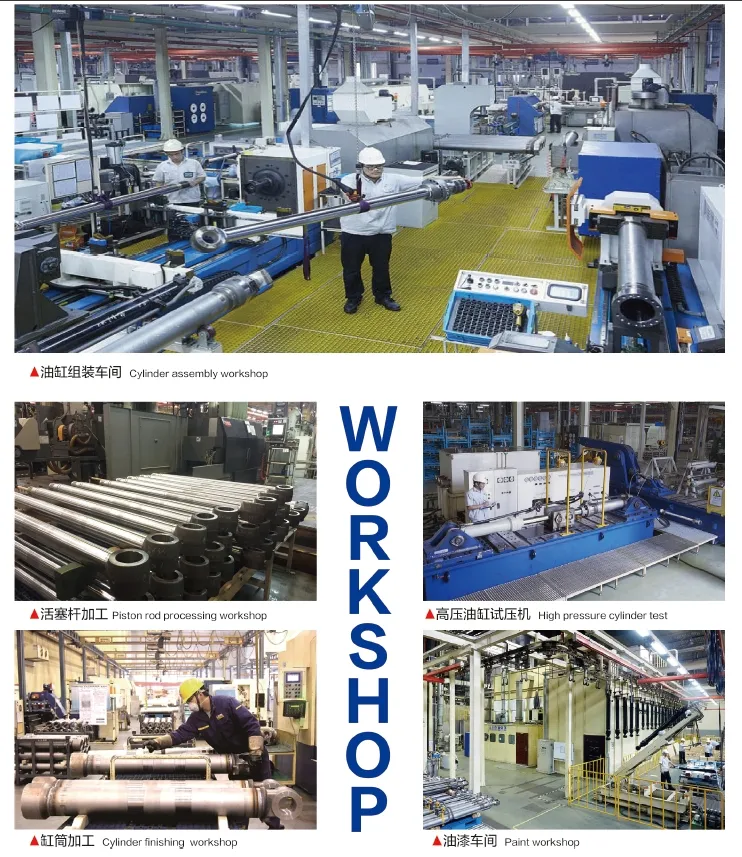
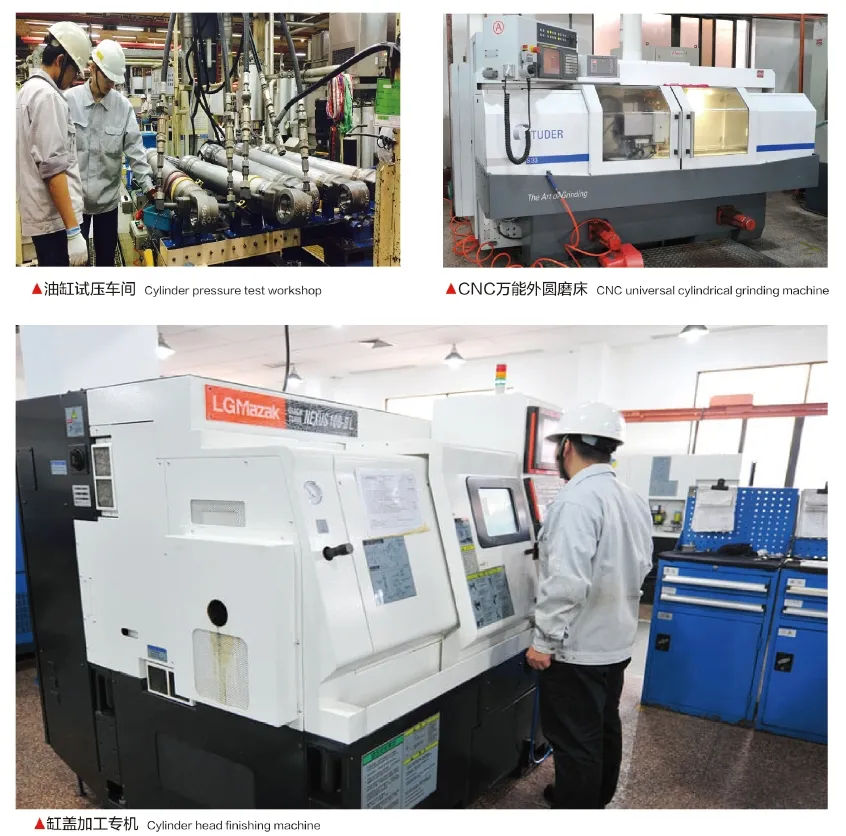
Our company stands out in terms of professionalism, international certifications, customized services, production
Cilindro hidráulico Aplicação:

 PT
PT  EN
EN  ES
ES  DE
DE  FR
FR  IT
IT  AR
AR  ZH
ZH  RU
RU  KO
KO  KA
KA  BG
BG  CS
CS  DA
DA  EL
EL  ET
ET  FI
FI  HU
HU  ID
ID  LT
LT  LV
LV  NB
NB  NL
NL  PL
PL  RO
RO  SK
SK  SL
SL  SV
SV  TR
TR  UK
UK