


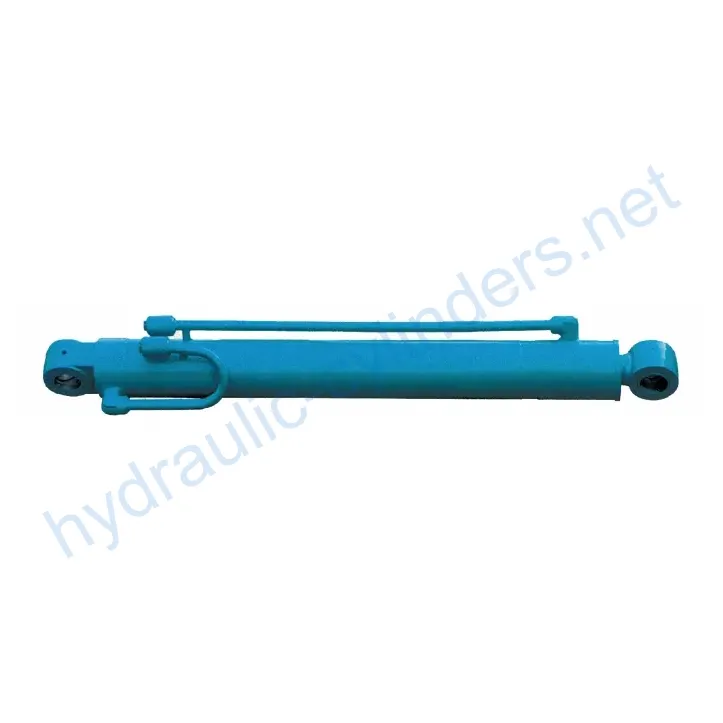
Cilindro do braço para Pengpu SW60E
Introdução
O cilindro do braço é um cilindro hidráulico especialmente projetado para fornecer movimento linear e potência ao braço de diversas máquinas, como escavadeiras, guindastes e braços robóticos. Ele desempenha um papel crucial nos sistemas hidráulicos, permitindo o movimento e o controle eficazes de ferramentas ou acessórios adicionais. Esses cilindros não apenas garantem um movimento suave, mas também suportam cargas pesadas, assegurando a operação eficiente e a confiabilidade da máquina em diversas condições de trabalho.
Definição e Explicação
The arm cylinder is a hydraulic cylinder designed to provide linear motion and power to the arm of different types of machinery, such as excavators, cranes, and robotic arms. It functions as a crucial component in hydraulic systems, allowing for the efficient movement and control of additional tools or attachments. These cylinders are capable of smooth motion and can withstand heavy loads, ensuring the machinery operates efficiently and reliably in various working conditions.
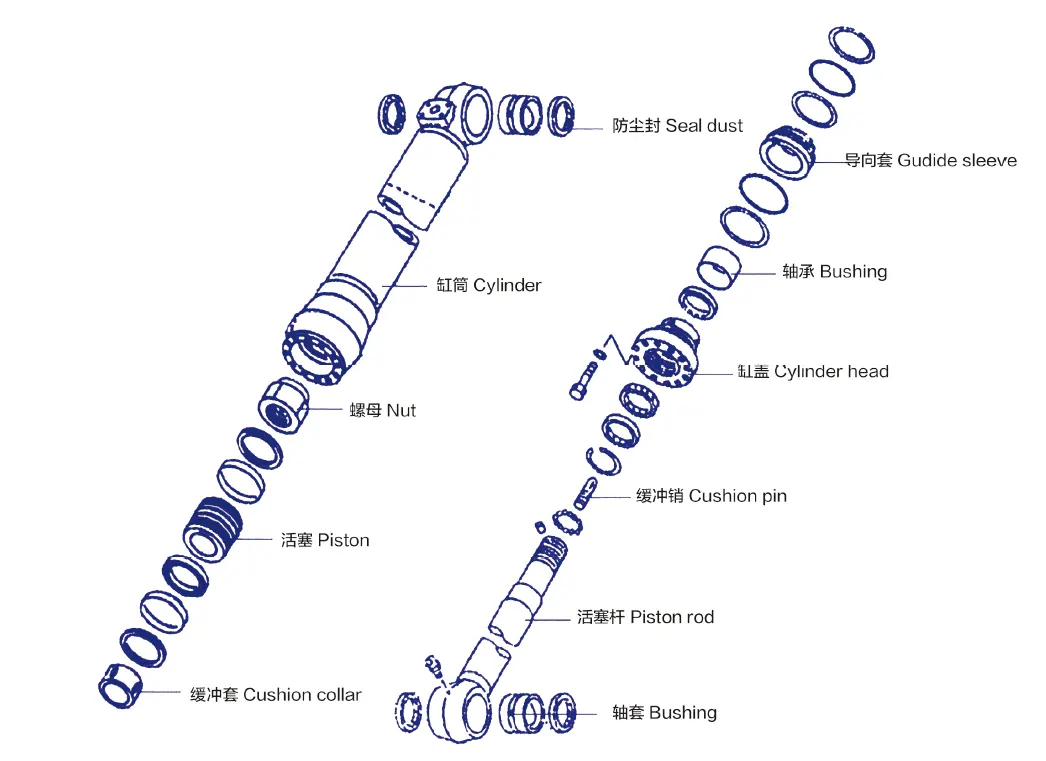

Características
- Transmissão de alta eficiência: O cilindro do braço proporciona movimento linear e força potentes, garantindo o alto desempenho do braço robótico em diversas tarefas.
- Controle preciso: Through hydraulic systems, the arm cylinder enables precise motion control, enhancing the flexibility and accuracy of operating tools.
- Durabilidade: Arm cylinders are typically manufactured with high-strength materials, offering excellent wear and corrosion resistance, making them suitable for long-term use in harsh environments.
- Adaptabilidade multifuncional: These cylinders can be widely applied to various machinery, such as excavators, cranes, and robotic arms, catering to different working requirements.
- Fácil manutenção: O projeto leva em consideração a facilidade de manutenção e substituição, tornando as inspeções e revisões regulares convenientes e reduzindo o tempo de inatividade do equipamento.


Aplicações
O cilindro de braço encontra aplicações em vários setores:
- Engenharia de Construção: In excavators and cranes, the arm cylinder controls the movement of buckets or booms, facilitating earthwork, materials handling, and structural installation.
- Fabricação: Em linhas de produção automatizadas, o cilindro do braço é utilizado para movimentar os braços robóticos, possibilitando processos como montagem, soldagem e manuseio de materiais, melhorando assim a eficiência e a precisão da produção.
- Maquinaria agrícola: Em equipamentos agrícolas como colheitadeiras e semeadoras, o cilindro do braço controla o movimento dos braços operacionais, realizando tarefas como semeadura, fertilização e colheita.
- Mineração: In mining equipment, the arm cylinder controls the arm movement of mining equipment, facilitating ore extraction and transportation.
- Logística e Transporte: Em empilhadeiras e robôs de movimentação, o cilindro do braço controla a elevação e o movimento dos garfos, permitindo o manuseio e o empilhamento de materiais.
Considerações de design e critérios de seleção
When designing arm cylinders, several factors and criteria are taken into account:
- Capacidade de carga: The arm cylinder should be designed to handle the intended load without compromising performance or safety.
- Capacidade de vedação: Various sealing elements, such as piston seals and rod seals, are used to ensure effective sealing. Materials like polyurethane or nitrile rubber with excellent wear resistance are chosen for the seals.
- Durabilidade: The cylinder body and threaded ends undergo precise surface treatment to enhance durability and wear resistance.
- Segurança: Safety features, such as pressure relief valves and position sensors, are incorporated to prevent accidents and ensure safe operation.
- Manutenibilidade: O design permite fácil manutenção e substituição, reduzindo o tempo de inatividade e garantindo uma operação eficiente.


Vedação e Lubrificação
The arm cylinder utilizes various sealing components, such as piston seals and rod seals, made of wear-resistant materials like polyurethane or nitrile rubber. The cylinder body and threaded ends undergo meticulous surface treatment to improve wear resistance. Regular lubrication with the appropriate hydraulic oil is necessary to maintain smooth operation and prevent excessive wear.
Inspeção regular e manutenção preventiva
To ensure optimal performance and longevity, regular inspection and preventive maintenance measures should be implemented:
- Inspecione o cilindro para verificar se há sinais de desgaste, vazamento ou danos.
- Verifique as vedações e substitua-as, se necessário.
- Monitor the lubrication levels and top up with the recommended hydraulic oil.
- Verify the proper functioning of safety features.
- Perform any required adjustments or repairs as soon as issues are identified.
Guia de instalação do produto
A instalação correta do cilindro do braço é crucial para o desempenho e a segurança ideais. Siga estas orientações:
- Certifique-se de que a superfície de montagem esteja limpa e livre de quaisquer detritos.
- Attach the cylinder securely to the machinery, following the recommended torque specifications.
- Conecte as mangueiras ou tubos hidráulicos, garantindo o alinhamento correto e conexões firmes.
- Bleed the hydraulic system to remove any air bubbles.
- Test the cylinder’s functionality before using it for actual operations.


Considerações de segurança e fatores ambientais
When using arm cylinders, adhering to safety measures is essential to prevent accidents and ensure operator well-being. Environmental factors, such as temperature and humidity, should also be considered:
- Follow all safety guidelines and instructions provided by the machinery manufacturer.
- Wear appropriate personal protective equipment when operating or working near the machinery.
- Be cautious of potential hazards, such as pinch points or falling objects.
- Consider environmental conditions that may affect cylinder performance, such as extreme temperatures or corrosive substances.
Diagnóstico de falhas e problemas comuns
In case of any problems or malfunctions, understanding common issues and their potential causes can aid in efficient troubleshooting:
- Vazamento: Possible causes include worn-out seals, damaged cylinder walls, or loose connections.
- Movimento lento ou brusco: This can result from insufficient lubrication, internal contamination, or worn-out components.
- Falta de energia: Causes may include insufficient hydraulic pressure, worn-out seals, or internal damage.
- Ruídos incomuns: Noises may indicate loose components, damaged parts, or excessive friction.
- Failure to Hold Position: This may be due to worn-out seals, insufficient hydraulic pressure, or internal leakage.
When troubleshooting, consider the symptoms and potential causes mentioned above. If necessary, consult the manufacturer or a professional for further assistance.
Conclusão
We are a professional manufacturer of arm cylinders, offering a wide range of products. We have become one of the leading manufacturers and wholesale distributors of hydraulic cylinders in domestic and international markets. With a commitment to excellent quality, we continuously improve our technological level and production efficiency. By introducing advanced digital manufacturing equipment and professional testing systems, we optimize our manufacturing platform and enhance product quality control processes, demonstrating strong innovative capabilities. Our goal is to meet diverse customer needs with