

Arm CylinderFor JCB Small Excavator JS220LC
Como um dos fabricantes, fornecedores e exportadores de produtos mecânicos de cilindros hidráulicos, oferecemos cilindros hidráulicos e muitos outros produtos.
Entre em contato conosco para obter detalhes.
Correio eletrônico:sales@hydraulic-cylinders.net
Fabricante, fornecedor e exportador de cilindros hidráulicos.
Arm Cylinder For JCB Small Excavator JS220LC
Introdução
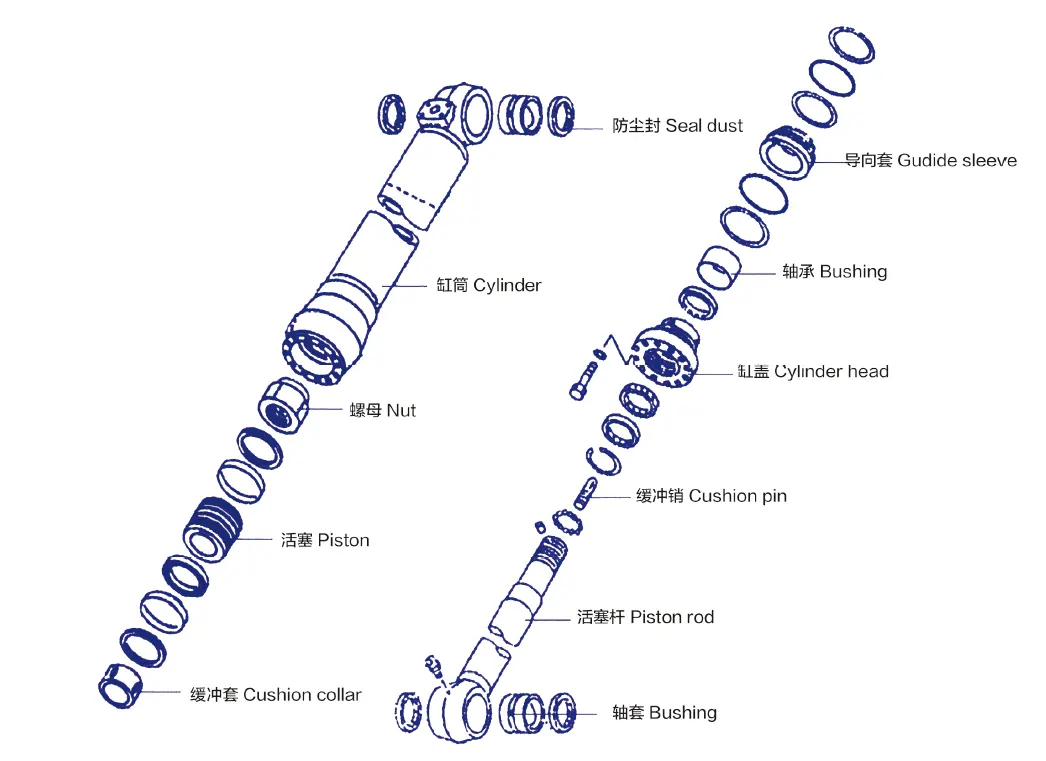
The arm cylinder is a specially designed hydraulic cylinder that provides linear motion and power to the arm of various machinery, such as excavators, cranes, and robotic arms. The arm cylinder plays a crucial role in hydraulic systems, allowing for the efficient movement and control of attachments or accessories. These cylinders not only enable smooth motion but also withstand heavy loads, ensuring the efficient operation and reliability of machinery under various working conditions.
Características
- Transmissão de alta eficiência: O cilindro do braço proporciona movimento linear e força potentes, garantindo recursos de alto desempenho para o braço mecânico em diversas operações.
- Controle preciso: Por meio de sistemas hidráulicos, o cilindro do braço permite controle preciso do movimento, tornando a operação das ferramentas acopladas mais flexível e precisa.
- Alta durabilidade: Os cilindros de braço são normalmente feitos de materiais de alta resistência, oferecendo excelente resistência ao desgaste e à corrosão, tornando-os adequados para uso a longo prazo em ambientes adversos.
- Adaptabilidade multifuncional: These cylinders can be widely applied in various machinery, such as excavators, cranes, and robotic arms, adapting to different working requirements.
- Fácil manutenção: As considerações de projeto para facilitar a manutenção e a substituição tornam as inspeções e a manutenção regulares mais convenientes, reduzindo o tempo de inatividade do equipamento.

Aplicações
Os cilindros de braço encontram aplicações em vários setores:
- Engenharia de Construção: In excavators and cranes, arm cylinders control the movement of buckets or booms for earthmoving, material handling, and structural installations.
- Fabricação: In automated production lines, arm cylinders facilitate the movement of robotic arms for assembly, welding, and material handling processes, improving production efficiency and accuracy.
- Maquinaria agrícola: Em equipamentos agrícolas como colheitadeiras e semeadoras, os cilindros dos braços controlam o movimento dos braços operacionais para tarefas como semeadura, fertilização e colheita.
- Mineração: In mining equipment, arm cylinders control the movement of mining arms for ore extraction and transportation.
- Logística e Transporte: Em empilhadeiras e robôs de movimentação, os cilindros de braço controlam a elevação e o movimento dos garfos, permitindo o manuseio e o empilhamento de materiais.
Considerações de design e critérios de seleção
Ao projetar cilindros de braço, vários fatores e critérios de seleção devem ser considerados:
- Capacidade de carga: The arm cylinder should be able to withstand the intended load during operation.
- Selagem: Various sealing elements, such as piston seals and rod seals, should be used. These seals should be made of wear-resistant materials like polyurethane and nitrile rubber. The cylinder body and threaded end surfaces should undergo fine processing for increased wear resistance.
- Durabilidade: Arm cylinders should be manufactured using high-quality materials with excellent durability, ensuring long-term performance even in demanding environments.
- Segurança: Recursos de segurança devem ser incorporados ao projeto para prevenir acidentes e garantir a proteção do operador durante a operação.
- Manutenibilidade: Arm cylinders should be designed for easy maintenance and repair, allowing for efficient inspections and reducing downtime.

Vedação e Lubrificação
To ensure proper sealing and lubrication of arm cylinders:
- Devem ser utilizados diversos componentes de vedação, como vedações de pistão e vedações de haste.
- Sealing components should be made of wear-resistant materials like polyurethane and nitrile rubber.
- O corpo do cilindro e as superfícies roscadas das extremidades devem passar por um processo de usinagem fina para melhorar a resistência ao desgaste.
- Regular lubrication with an appropriate amount of hydraulic oil is necessary to ensure smooth operation and extend the lifespan of the cylinder.
Inspeção regular e manutenção preventiva
To maintain optimal performance and prevent potential issues, the following measures should be taken:
- Regularly inspect the arm cylinder for any signs of wear, damage, or leaks.
- Perform preventive maintenance tasks such as cleaning, lubrication, and tightening of connections.
- Replace any worn or damaged parts promptly to avoid further complications.
Guia de instalação do produto
Siga estes passos para a instalação correta do cilindro do braço:
- Ensure the hydraulic system is depressurized and power is disconnected.
- Posicione o cilindro do braço no local desejado, alinhando os furos de montagem.
- Insert and tighten the mounting bolts to secure the cylinder in place.
- Conecte as mangueiras hidráulicas às portas apropriadas, garantindo uma vedação adequada.
- Double-check all connections and fittings for tightness.

Considerações de segurança e fatores ambientais
When using arm cylinders, safety measures are of utmost importance. Consider the following:
- Adhere to safety regulations and guidelines provided by equipment manufacturers.
- Ensure proper training and certification of operators handling machinery with arm cylinders.
- Regularly inspect and maintain safety features such as emergency stop buttons and safety guards.
- Dispose of hydraulic fluids and cylinder components following environmental regulations and guidelines.
Diagnóstico de falhas e problemas comuns
Some common faults and troubleshooting tips for arm cylinders include:
- Vazamento: Check for damaged seals or connections and replace them if necessary.
- Slow or Erratic Motion: Inspect the hydraulic system for low fluid levels, blockages, or worn components, and address the issue accordingly.
- Ruído ou vibrações excessivas: Check for loose or damaged parts, insufficient lubrication, or misalignment, and take appropriate measures to rectify the problem.
Autor: lyl
Sobre nossa empresa
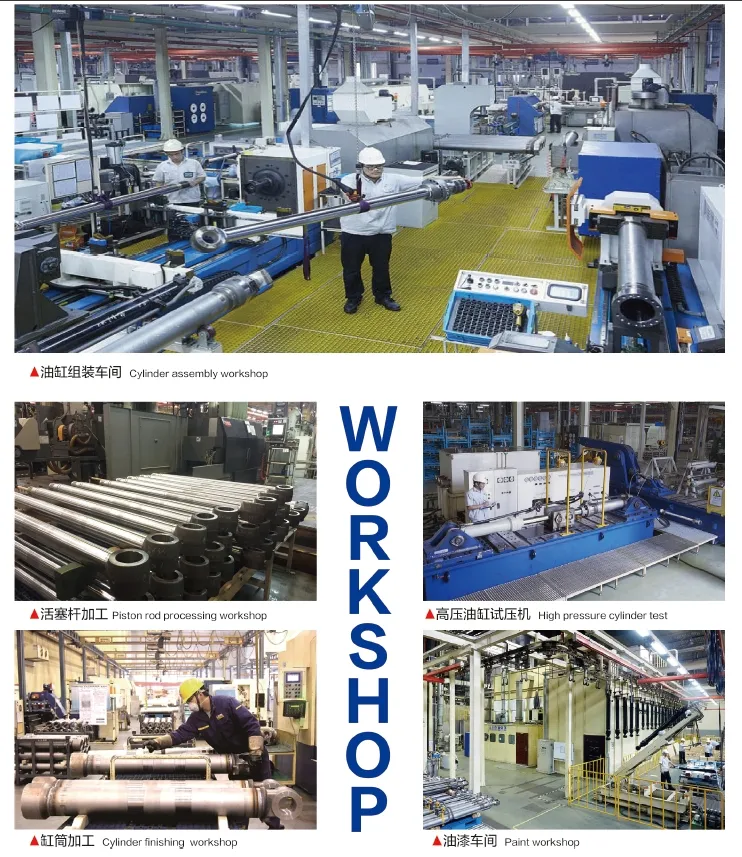
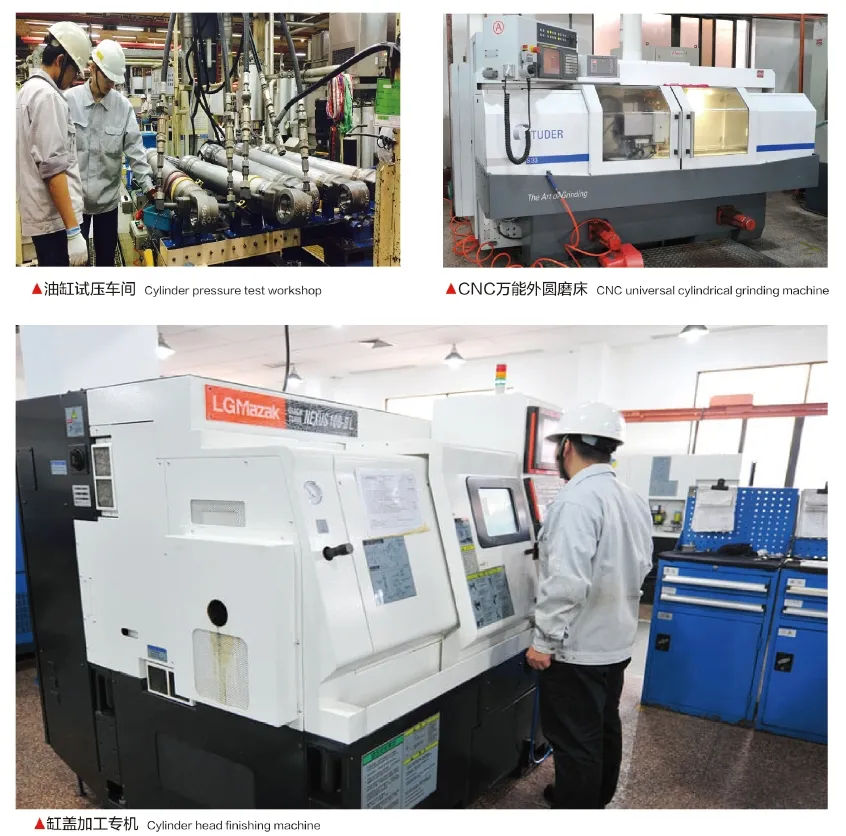
We are a professional manufacturer of replacement hydraulic cylinders, offering a wide range of products. We have established ourselves as one of the leading manufacturers and wholesalers of hydraulic cylinders in both domestic and international markets. Upholding the principle of excellence in quality, we continuously improve our technical expertise and production efficiency through fine manufacturing workshops and industrialized production management strategies. By introducing advanced digital manufacturing equipment and professional testing systems, we optimize our manufacturing platform and enhance our product quality control processes. We have a strong innovative capacity and aim to meet diverse customer needs with principles of efficiency, precision, and high quality.
Cilindro hidráulico Aplicação:

 PT
PT  EN
EN  ES
ES  DE
DE  FR
FR  IT
IT  AR
AR  ZH
ZH  RU
RU  KO
KO  KA
KA  BG
BG  CS
CS  DA
DA  EL
EL  ET
ET  FI
FI  HU
HU  ID
ID  LT
LT  LV
LV  NB
NB  NL
NL  PL
PL  RO
RO  SK
SK  SL
SL  SV
SV  TR
TR  UK
UK