
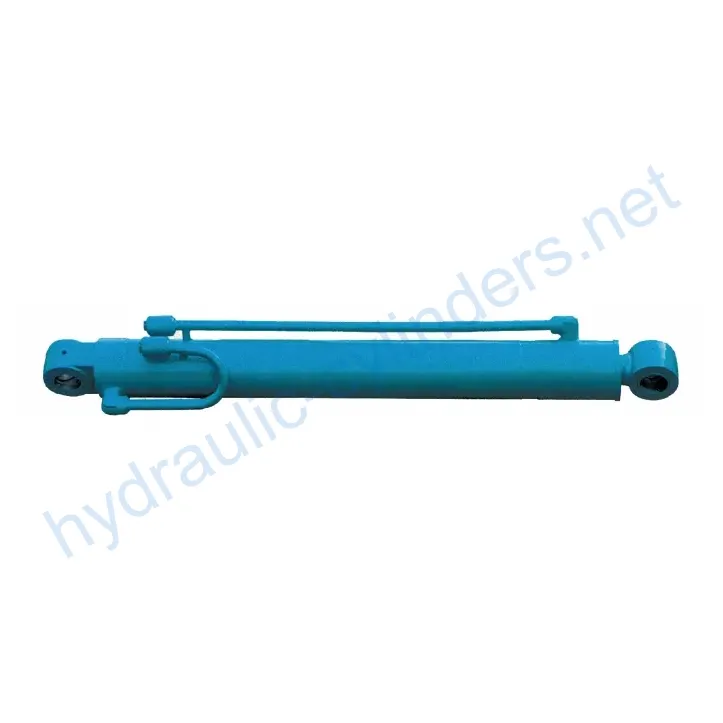
Arm CylinderFor Kobelco Middle Excavator SK200-3-3E-5-6-6E-7-8
Como um dos fabricantes, fornecedores e exportadores de produtos mecânicos de cilindros hidráulicos, oferecemos cilindros hidráulicos e muitos outros produtos.
Entre em contato conosco para obter detalhes.
Correio eletrônico:sales@hydraulic-cylinders.net
Fabricante, fornecedor e exportador de cilindros hidráulicos.
Arm Cylinder For Kobelco Middle Excavator SK200-3-3E-5-6-6E-7-8
Introdução
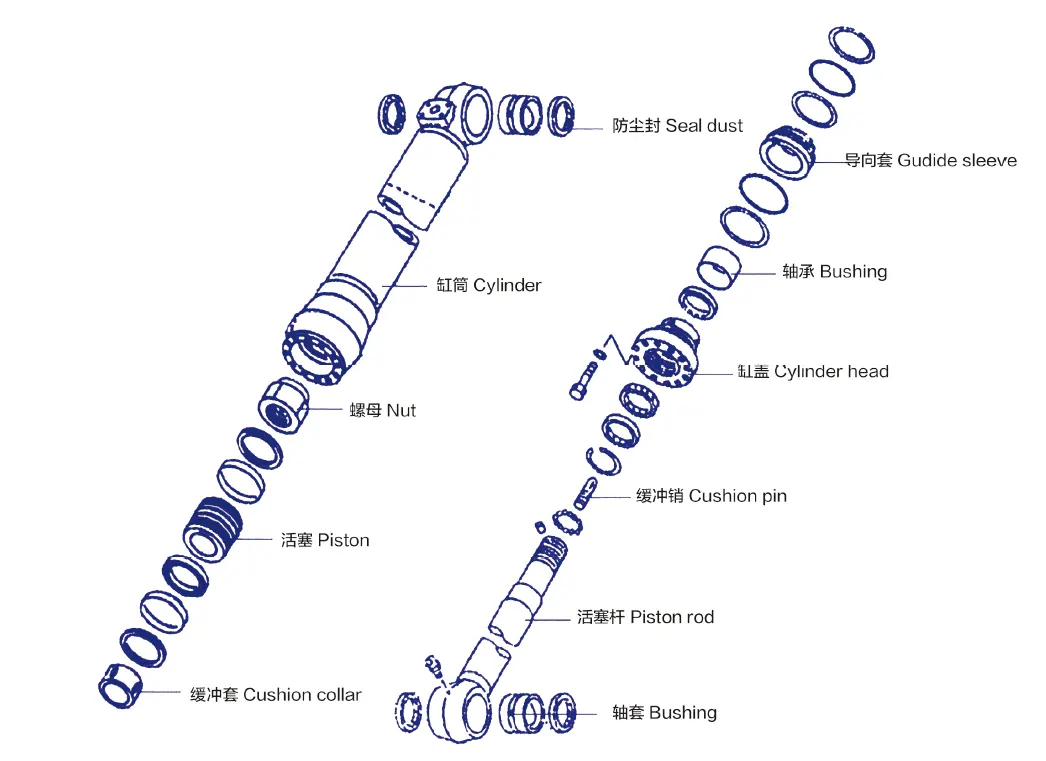
The arm cylinder is a specially designed hydraulic cylinder that provides linear motion and power to the arm of various machinery, such as excavators, cranes, and mechanical arms. It plays a key role in hydraulic systems, enabling the efficient movement and control of additional tools or attachments. These cylinders not only ensure smooth motion but also withstand heavy loads, ensuring high efficiency and reliability of the machinery in various operating conditions.
Características
-
Transmissão de alta eficiência
The arm cylinder provides powerful linear motion and force, ensuring efficient performance during various operations.
-
Controle Preciso
Por meio do sistema hidráulico, o cilindro do braço permite um controle preciso do movimento, tornando a operação dos implementos mais flexível e precisa.
-
Forte durabilidade
O cilindro do braço é normalmente feito de materiais de alta resistência, oferecendo excelente resistência ao desgaste e à corrosão, sendo adequado para uso prolongado em ambientes agressivos.
-
Adaptabilidade multifuncional
These cylinders are widely applicable to various mechanical equipment, such as excavators, cranes, and mechanical arms, adapting to different working requirements.
-
Fácil manutenção
Projetado com foco na facilidade de manutenção e substituição, o cilindro do braço facilita verificações e manutenções periódicas convenientes, reduzindo o tempo de inatividade do equipamento.

Aplicações
-
Engenharia de Construção
Em escavadeiras e guindastes, o cilindro do braço controla o movimento da caçamba ou da lança, possibilitando trabalhos de terraplenagem, movimentação de materiais e instalação de estruturas.
-
Indústria de manufatura
In automated production lines, the arm cylinder is used for the motion of robotic arms, enabling processes such as assembly, welding, and material handling, thereby enhancing production efficiency and accuracy.
-
Maquinaria agrícola
In agricultural machinery such as harvesters and planters, the arm cylinder controls the movement of the operating arm, performing tasks such as seeding, fertilization, and harvesting.
-
Mineração
In mining equipment, the arm cylinder is used to control the arm movement of mining machinery, enabling the extraction and transportation of minerals.
-
Logística e Transporte
Em empilhadeiras e robôs de movimentação, o cilindro do braço controla a elevação e o movimento dos garfos, permitindo o manuseio e o empilhamento de materiais.
Considerações de design e critérios de seleção

-
Capacidade de carga
The arm cylinder should be designed to withstand the intended load to ensure safe and efficient operation.
-
Selagem
Various sealing components, such as piston seals and rod seals made of wear-resistant materials like polyurethane and nitrile rubber, should be used to ensure proper sealing and prevent leakage.
-
Durabilidade
The cylinder body and threaded end surfaces should undergo fine treatment to enhance wear resistance, ensuring long-lasting performance.
-
Segurança
The design should incorporate safety features to prevent accidents and ensure the protection of operators and surrounding equipment.
-
Manutenibilidade
Easy access for regular inspection, maintenance, and timely replacement of components should be considered to minimize downtime and ensure smooth operation.
Vedação e Lubrificação
Various sealing components, such as piston seals and rod seals, should be used to ensure proper sealing. These seals are made of wear-resistant materials such as polyurethane and nitrile rubber. The cylinder body and threaded end surfaces are finely treated to improve wear resistance. Regular lubrication with appropriate hydraulic oil is necessary to ensure smooth operation and extend the service life of the arm cylinder.
Inspeção regular e manutenção preventiva
-
Regularly inspect the arm cylinder for any signs of wear, leakage, or damage. Replace any worn or damaged parts promptly.
-
Keep the cylinder and its components clean from dirt and debris to prevent contamination and ensure optimal performance.
-
Monitor the hydraulic oil level and quality regularly. Replace or replenish the hydraulic oil as necessary.
-
Check all connections and fittings for tightness to prevent leaks.
Guia de instalação do produto

1. Prepare the necessary tools and equipment for installation, including a suitable lifting device.
2. Ensure the excavator is in a stable and secure position before starting the installation process.
3. Remove any protective covers or packaging materials from the arm cylinder.
4. Carefully position the arm cylinder in the appropriate location, aligning it with the mounting points on the excavator.
5. Use the appropriate bolts and fasteners to secure the arm cylinder to the excavator’s frame.
6. Tighten all bolts and fasteners to the specified torque settings.
7. Connect the hydraulic hoses to the arm cylinder, ensuring proper alignment and secure connections.
8. Test the arm cylinder for proper operation by moving the arm through its full range of motion.
9. If any issues or abnormalities are detected, assess and troubleshoot the problem accordingly.
10. Once the arm cylinder is properly installed and functioning, perform a final inspection to ensure all connections are secure and there are no leaks.
Considerações de segurança e fatores ambientais
When using the arm cylinder, it is crucial to follow safety measures to prevent accidents and ensure the well-being of operators and surrounding personnel. Proper training and adherence to safety guidelines are essential. Additionally, considering environmental factors such as temperature and humidity can help optimize the performance and longevity of the arm cylinder.
Diagnóstico de falhas e problemas comuns
1. Leakage: Check for any signs of fluid leakage from the arm cylinder. Inspect the seals and connections for damage or wear.
2. Erratic motion: If the arm cylinder’s movement becomes inconsistent or jerky, it may indicate a problem with the hydraulic system or internal components.
Cilindro hidráulico Aplicação:

 PT
PT  EN
EN  ES
ES  DE
DE  FR
FR  IT
IT  AR
AR  ZH
ZH  RU
RU  KO
KO  KA
KA  BG
BG  CS
CS  DA
DA  EL
EL  ET
ET  FI
FI  HU
HU  ID
ID  LT
LT  LV
LV  NB
NB  NL
NL  PL
PL  RO
RO  SK
SK  SL
SL  SV
SV  TR
TR  UK
UK