


Introdução
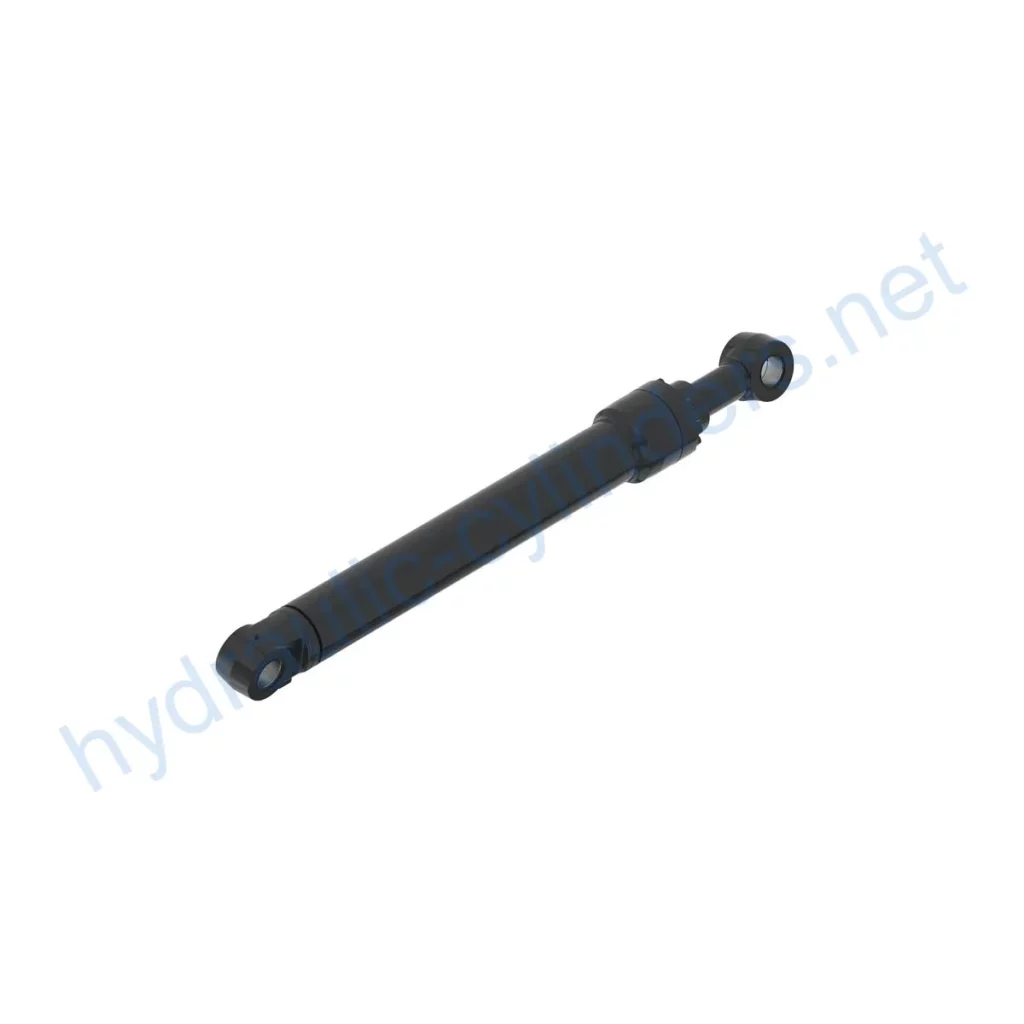
The Replacement Of AHC14774 Hydraulic Cylinder is a crucial component in various machinery models, including 803MH, 853M, 853MH, 859M, 859MH, 903KH, 903MH, 909KH, 909MH, 953K, 953M, 953MH, 953ML, 959K, 959M, 959MH, and 959ML. This hydraulic cylinder plays a vital role in ensuring the proper functioning of the equipment by providing the necessary force and control in hydraulic systems.
Especificações e Modelos
The Replacement Of AHC14774 Hydraulic Cylinder boasts the following specifications:
- Weight: 467.39 lb
- Altura: 7,5 polegadas
- Largura: 8 polegadas
- Length: 71 in
É compatível com os seguintes modelos:
- 803MH
- 853M
- 853MH
- 859M
- 859MH
- 903KH
- 903MH
- 909KH
- 909MH
- 953 mil
- 953M
- 953MH
- 953 ml
- 959 mil
- 959M
- 959MH
- 959 ml
Principais características
The Replacement Of AHC14774 Hydraulic Cylinder offers several notable features:
- Improved Equipment Performance: Replacing damaged or worn hydraulic cylinders restores the equipment’s normal operational capabilities, ensuring optimal performance in various applications.
- Enhanced Safety: Regularly replacing hydraulic cylinders reduces safety hazards caused by cylinder failures, ensuring the security of both operators and equipment.
- Proteção contra sobrecarga: Os projetos de cilindros modernos geralmente incorporam mecanismos de proteção contra sobrecarga mais eficazes, aumentando a segurança geral.
- Instalação rápida: Os cilindros hidráulicos modernos são projetados para fácil instalação e substituição, minimizando o tempo de inatividade.
- Componentes padronizados: Muitos cilindros hidráulicos são produtos padronizados, o que facilita a aquisição de peças de reposição no mercado.
Aplicações
The Replacement Of AHC14774 Hydraulic Cylinder finds versatile applications in various industries. Here are a few examples:
-
Escavadeiras
In excavators, the hydraulic cylinder in the boom or bucket may get damaged due to long-term use or overloading, necessitating replacement to restore normal operation.
-
Guindastes
The crane’s boom hydraulic cylinder is prone to wear and tear during frequent lifting and lowering processes. Regular replacement is essential to ensure safety.
-
Tratores
The front-end loader hydraulic cylinder in tractors may experience leaks or performance deterioration due to constant lifting and tilting operations, requiring replacement.
-
Colheitadeiras
During the harvesting process, hydraulic systems endure significant pressure. Fatigue-related cylinder damage may occur, necessitating timely replacement to maintain work efficiency.
-
Linhas de Produção Automatizadas
Cilindros hidráulicos são usados para controlar braços robóticos e outros equipamentos automatizados. Falhas nos cilindros podem impactar significativamente a eficiência da produção e devem ser prontamente substituídos.
-
Máquinas de fundição sob pressão
Under high pressure and temperature environments, hydraulic cylinders may experience performance degradation. Regular replacement ensures product quality.
-
Equipamentos de Mineração
Hydraulic cylinders are utilized for lifting and moving heavy loads in mining equipment. Regular inspections and replacements are necessary to avoid equipment failures in harsh working conditions.
-
Tratores
Worn hydraulic cylinders on a bulldozer’s dozer arm can lead to decreased pushing ability. Timely replacement is essential to maintain operational efficiency.
Tarefas de manutenção
Regular maintenance tasks for the Replacement Of AHC14774 Hydraulic Cylinder include:
- Inspeção Periódica
- Lubrificação adequada
- Substituição do selo e verificação da calibração
Regularly inspect the hydraulic cylinder for signs of damage, leaks, or abnormal wear.
Ensure adequate lubrication of the cylinder to minimize friction and extend its lifespan.
Replace worn seals and periodically check the calibration to maintain optimal performance.
During installation, it is crucial to provide proper guidance for aligning the cylinder, recommend using appropriate mounting brackets to secure the cylinder, and follow recommended inspection, repair, and replacement procedures. Consider utilizing our replacement parts and rebuilding services to enhance the lifespan of your hydraulic cylinder.
Considerações de segurança e fatores ambientais
When using hydraulic cylinders, it is important to implement safety measures to prevent accidents and protect personnel. Proper handling and adherence to safety guidelines are critical to ensuring a safe working environment.
Diagnóstico de falhas e problemas comuns
When encountering hydraulic cylinder faults, it is crucial to diagnose and address them promptly. Here are some common issues:
- Vazamento
- Desempenho ruim
- Ruído ou vibrações
Leakage in hydraulic cylinders can be caused by worn seals or damaged components. Inspect and replace faulty parts to resolve the issue.
If the hydraulic cylinder’s performance is subpar, it may be due to internal wear or contamination. Proper diagnosis and maintenance can help identify and rectify the problem.
Unusual noises or vibrations can indicate issues such as misalignment, loose components, or worn parts. Thorough inspection and appropriate adjustments are necessary to resolve these problems.
For effective fault diagnosis and issue resolution, consider following the provided troubleshooting tips and solutions. Additionally, preventive measures can help minimize potential problems and maintain the optimal performance of the hydraulic cylinder.

Considerações de design e critérios de seleção
Ao selecionar um cilindro hidráulico, vários aspectos de projeto e critérios de seleção devem ser levados em consideração:
- Capacidade de carga
Ensure the hydraulic cylinder can withstand the expected load to prevent premature