
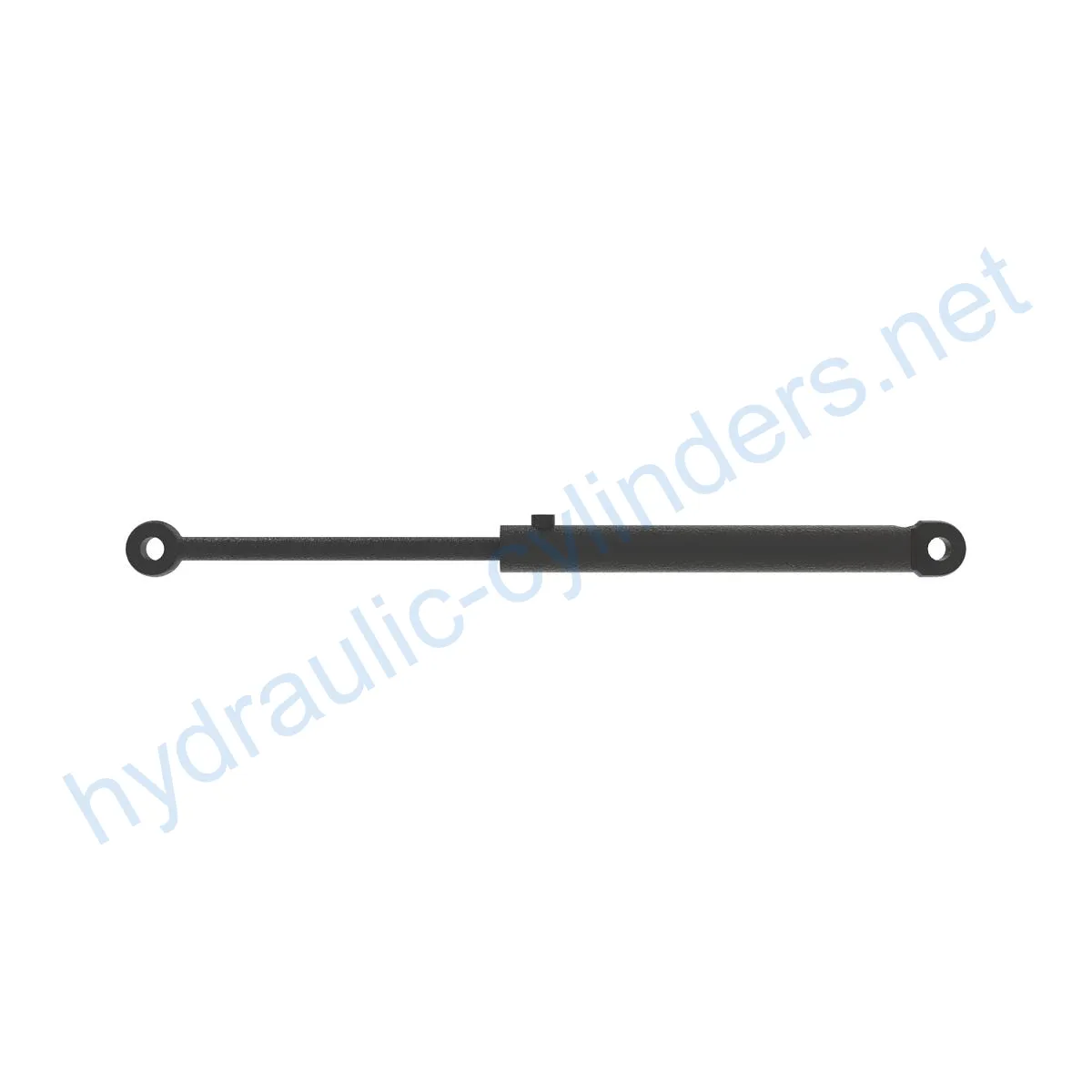
Replacement Of F619983 Hydraulic Cylinder
Como um dos fabricantes, fornecedores e exportadores de produtos mecânicos de cilindros hidráulicos, oferecemos cilindros hidráulicos e muitos outros produtos.
Entre em contato conosco para obter detalhes.
Correio eletrônico:sales@hydraulic-cylinders.net
Fabricante, fornecedor e exportador de cilindros hidráulicos.
Replacement Of F619983 Hydraulic Cylinder
Introdução:
The Replacement Of F619983 Hydraulic Cylinder is a crucial component used in various industrial applications. This hydraulic cylinder is designed to provide reliable and efficient performance, ensuring the smooth operation of equipment. With its exceptional specifications and compatibility with multiple machine models, it offers a versatile solution for hydraulic system needs.
Specifications and Machine Models:
Especificações:
- Weight: 11.44 lb
- Altura: 2,1 polegadas
- Largura: 2,8 polegadas
- Comprimento: 22 polegadas
Machine Models:
- 1110D
- 1210E
- 1210G
- 1410D
- 1510E
- 1510G
- 1710D
- 1711D
- 1910E
- 1910G
Principais características:
- Improved Equipment Performance: Replacing damaged or worn-out hydraulic cylinders can restore the normal operation of equipment and ensure optimal performance across various applications.
- Segurança aprimorada: a substituição regular dos cilindros hidráulicos pode reduzir os riscos de segurança causados por falhas nos cilindros, garantindo a segurança dos operadores e do equipamento.
- Overload Protection: The new cylinder designs often incorporate better overload protection mechanisms, enhancing safety during operations.
- Instalação rápida: Os cilindros hidráulicos modernos são projetados para fácil instalação e substituição, minimizando o tempo de inatividade.
- Componentes padronizados: Muitos cilindros hidráulicos são produtos padronizados, o que facilita o acesso a peças de reposição no mercado.
We specialize in manufacturing replacement hydraulic cylinders that perfectly substitute for the mentioned models. Our products are engineered to meet the highest standards of quality, performance, and durability.
Cenários de aplicação:
1. Excavators: Hydraulic cylinders in excavator arms or buckets may get damaged due to long-term use or overload, requiring replacement to restore normal operation.
2. Cranes: Hydraulic cylinders for crane boom lifts are susceptible to wear and tear during frequent lifting and lowering operations, necessitating regular replacement to ensure safety.
3. Tractors: Front-end loader hydraulic cylinders on tractors may experience leaks or performance decline during continuous lifting and tilting operations, demanding replacement.
4. Harvesters: Hydraulic cylinders in harvesting equipment endure high pressure during the harvesting process, and timely replacement is necessary to maintain operational efficiency.
5. Automated Production Lines: Hydraulic cylinders are used to control robotic arms and other automated equipment. Immediate replacement is crucial in case of cylinder malfunctions to minimize production disruptions.
6. Die Casting Machines: Hydraulic cylinders in die casting machines may experience performance degradation in high-pressure and high-temperature environments. Regular replacement ensures product quality.
7. Mining Equipment: Hydraulic cylinders are used for lifting and moving heavy loads in mining equipment. Due to harsh working conditions, regular inspection and replacement are essential to prevent equipment failures.
8. Bulldozers: Hydraulic cylinder wear on bulldozer blades can result in decreased pushing ability, requiring timely replacement to maintain operational efficiency.
Manutenção e medidas preventivas:
As tarefas regulares de manutenção dos cilindros hidráulicos incluem:
- Periodic inspections: Regularly inspect the hydraulic cylinder for signs of wear, leaks, or damage.
- Proper lubrication: Ensure appropriate lubrication to minimize friction and enhance performance.
- Seal replacement: Replace seals when they show signs of deterioration or leakage.
- Calibration checks: Verify the calibration of the hydraulic cylinder to ensure accurate operation.
Proper installation, lubrication, and adjustment are crucial for optimal performance. Provide guidance on aligning the cylinder correctly during installation and recommend the use of appropriate installation brackets to secure the cylinder. Additionally, suggest recommended inspection, repair, and replacement procedures, offer replacement parts and rebuilding services, and provide tips to extend the lifespan of the hydraulic cylinder.
Considerações de segurança e fatores ambientais:
When using hydraulic cylinders, it’s essential to prioritize safety measures to prevent accidents and ensure personnel well-being. Proper equipment handling, adherence to safety guidelines, and the use of appropriate protective gear are paramount. Additionally, environmental factors such as temperature, humidity, and contaminants can impact the performance of hydraulic cylinders. Adequate protection and maintenance strategies should be implemented to mitigate any adverse effects.
Solução de problemas e problemas comuns:
Common issues related to hydraulic cylinders include:
- Leakage: Identify potential causes of leakage, such as damaged seals or misaligned components, and provide troubleshooting tips and solutions.
- Insufficient or erratic movement: Discuss possible reasons for inadequate or irregular cylinder movement, such as insufficient lubrication or internal blockages, and offer suitable troubleshooting approaches.
- Noise and vibration: Address the causes of abnormal noise and vibrations in hydraulic cylinders, such as worn-out components or air contamination, and suggest appropriate remedies.
Provide practical tips and solutions for troubleshooting hydraulic cylinder problems, assisting readers in diagnosing and resolving issues effectively. Additionally, recommend preventive measures to minimize potential problems.

Considerações de design e critérios de seleção:
Design considerations for hydraulic cylinders encompass various key factors:
- Load-bearing capacity: Discuss the importance of selecting a hydraulic cylinder with adequate load-bearing capacity based on the application requirements.
- Sealing and durability: Highlight the significance of choosing appropriate seals and durable materials to ensure optimal performance and longevity.
- Safety: Emphasize the need to prioritize safety features in hydraulic cylinder designs to prevent accidents and hazards.
- Maintainability: Discuss the importance of easy maintenance and repairability in hydraulic cylinder designs, enabling efficient servicing and minimizing downtime.
Sealing and lubrication play crucial roles in the proper functioning of hydraulic cylinders. Various sealing components, such as piston seals and rod seals, should be made of wear-resistant materials like polyurethane and nitrile rubber. Additionally, the cylinder body and threaded ends should undergo meticulous surface treatment to enhance wear resistance. Regular lubrication with suitable hydraulic oil is essential to ensure proper functioning and longevity.
Manutenção e medidas preventivas:
As tarefas regulares de manutenção dos cilindros hidráulicos incluem:
- Periodic inspections: Regularly inspect the hydraulic cylinder for signs of wear, leaks, or damage.
- Proper lubrication: Ensure appropriate lubrication to minimize friction and enhance performance.
- Seal replacement: Replace seals when they show signs of deterioration or leakage.
- Calibration checks: Verify the calibration of the hydraulic
Cilindro hidráulico Aplicação:

 PT
PT  EN
EN  ES
ES  DE
DE  FR
FR  IT
IT  AR
AR  ZH
ZH  RU
RU  KO
KO  KA
KA  BG
BG  CS
CS  DA
DA  EL
EL  ET
ET  FI
FI  HU
HU  ID
ID  LT
LT  LV
LV  NB
NB  NL
NL  PL
PL  RO
RO  SK
SK  SL
SL  SV
SV  TR
TR  UK
UK