

Aerial Work Vehicle
Cilindru hidraulic
Cilindru electric pentru platformă de lucru aeriană


O hydraulic cylinder for aerial work vehicles is crucial for providing the lifting and positioning power needed for safe and efficient operations at height. These cylinders convert fluid pressure into linear motion, enabling aerial work vehicles to elevate and accurately position both workers and equipment.
The performance and quality of an aerial work vehicle hydraulic cylinder have a direct impact on the stability, safety, and overall efficiency of your equipment. To ensure optimal performance and safety, operators should prioritize proper maintenance and timely replacement of these hydraulic cylinders.
Investing in high-quality cilindri hidraulici pentru vehicule de lucru aeriene specifically designed for demanding work environments can significantly enhance operational efficiency and minimize downtime. By choosing the right hydraulic cylinders, you can ensure that your aerial work vehicles operate smoothly and safely, allowing your team to focus on getting the job done.
Aerial Work Vehicle Hydraulic Cylinder Series

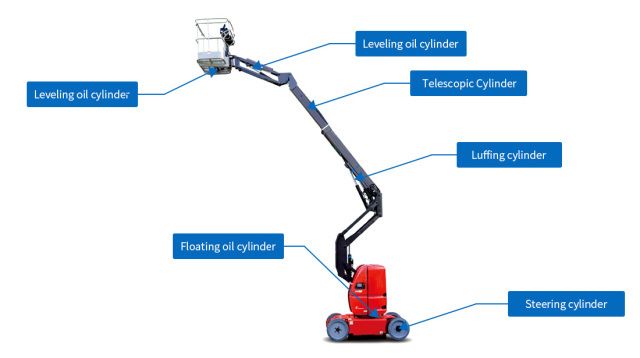
Arm Type Aerial Work Vehicle Hydraulic Cylinder
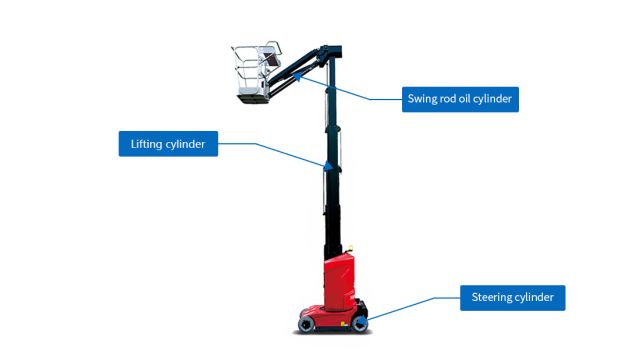
Mast Type Aerial Work Vehicle Hydraulic Cylinder
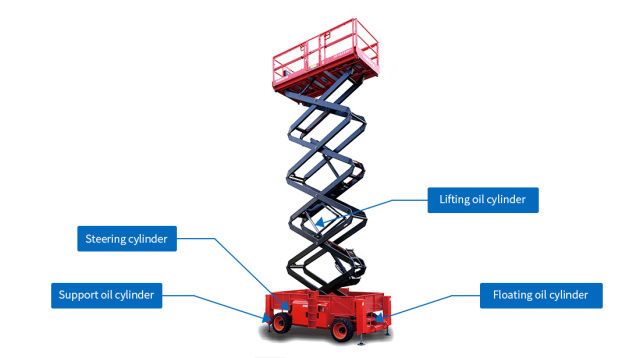
Scissor Type Aerial Work Vehicle Hydraulic Cylinder

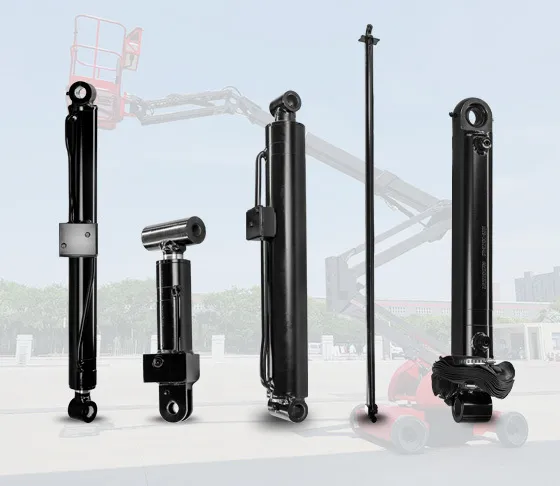
Arm Type Aerial Work Vehicle Hydraulic Cylinder
Arm Type Aerial Work Vehicle Hydraulic Cylinder
Cilindru de direcție pentru vehicule de lucru aeriene de tip braț
Cilindru unghiular al brațului pliabil pentru vehicule de lucru aeriene de tip braț
Cilindru de ridicare pentru vehicule de lucru aeriene de tip braț
Cilindru telescopic pentru vehicule de lucru aeriene de tip braț
Cilindru de nivelare a uleiului pentru vehicule de lucru aeriene de tip braț
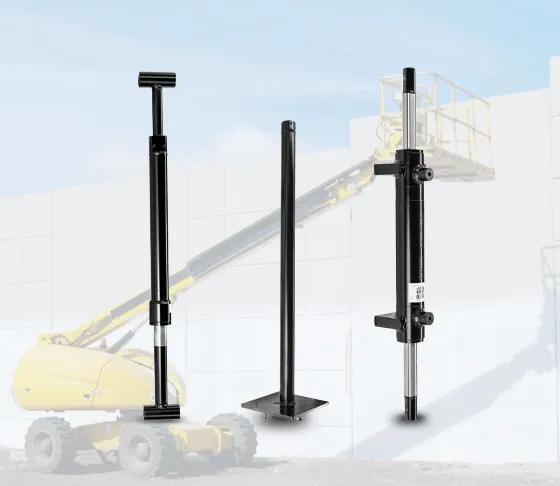
Mast Type Aerial Work Vehicle Hydraulic Cylinder
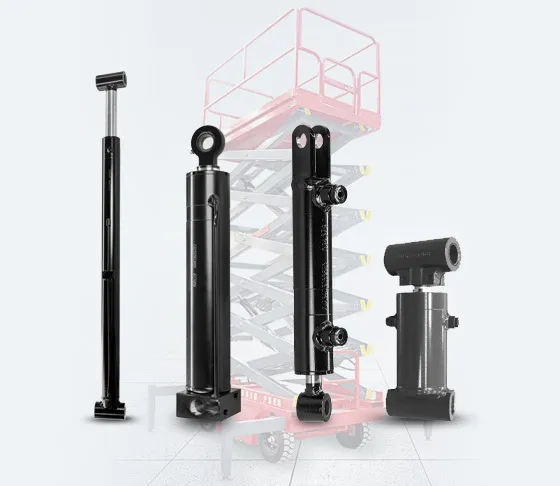
Scissor Type Aerial Work Vehicle Hydraulic Cylinder
Scissor Type Aerial Work Vehicle Hydraulic Cylinder
Aerial Work Vehicle Hydraulic Cylinder Production Area
Suntem un producător de top specializat în cilindri hidraulici și sisteme hidraulice, dedicat furnizării de soluții de înaltă tehnologie. Compania noastră deservește în principal producători de echipamente originale (OEM) din industrii precum utilaje de construcții, platforme de lucru aeriene, vehicule de salubritate, energie eoliană și utilaje agricole. Oferim o gamă versatilă de cilindri hidraulici cu diametre interioare cuprinse între +20 și 500 mm, având o capacitate anuală de proiectare impresionantă de 1,2 milioane de unități.
Facilitățile noastre de ultimă generație includ un institut de cercetare provincial, un centru de cercetare și dezvoltare de înaltă tehnologie și un laborator specializat pentru testarea produselor hidraulice. Utilizăm echipamente avansate, cum ar fi centre de strunjire dedicate, mașini de tăiere și lustruire de mare viteză, sisteme automate de prelucrare și sudare, linii automate de curățare și asamblare, linii flexibile de vopsire complet automatizate și linii inteligente de asamblare logistică. Această capacitate cuprinzătoare de producție și testare ne permite să menținem o capacitate puternică de dezvoltare tehnologică, asigurându-ne că procesele noastre de fabricație și calitatea produselor îndeplinesc standardele naționale avansate.
Vizitați fabrica noastră de cilindri hidraulici VR:


Atelier de producție și procesare


Roboți de încărcare și descărcare pentru linii de vopsire


Centru de testare a produselor

Centru de prelucrare a compozitelor cilindrice

Mașină automată de asamblare a cilindrilor
Cu un sistem robust de asigurare a calității implementat, am obținut certificarea ISO 9001 pentru managementul calității, precum și ISO 45001 pentru sănătate și securitate ocupațională și ISO 14001 pentru managementul mediului. Procesele noastre eficiente și standardizate și echipamentele de ultimă generație, dezvoltate de noi, garantează că cilindrii noștri hidraulici sunt durabili, rezistenți la presiune, etanși și foarte stabili, cu indicatori de performanță care îndeplinesc standardele internaționale.
Cilindrii hidraulici din seria „Huachang” sunt proiectați punând accent pe integritatea structurală, performanța fiabilă și ușurința întreținerii. Formele lor structurale diverse permit soluții personalizate pentru a satisface nevoile specifice ale clienților. Împreună cu sistemul nostru digital de management al producției, răspundem rapid și eficient cerințelor clienților, asigurându-ne că depășim așteptările dumneavoastră.
Alegeți-ne pentru soluții hidraulice de înaltă calitate care îmbunătățesc performanța și fiabilitatea utilajelor dumneavoastră.


Linie de asamblare a cilindrilor


Mașină specială de testare a cilindrilor


Zona de inspecție a cilindrilor


Robot de sudură cu mai multe stații


Depozit
Aerial Work Vehicle Hydraulic Cylinder For Sale
-

Cilindru electric pentru platformă de lucru aeriană
-
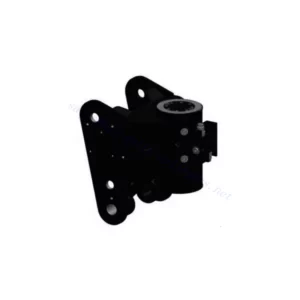
Actuator rotativ pentru platformă de lucru aeriană
-

Cilindru de ridicare a platformei de lucru aeriene
-
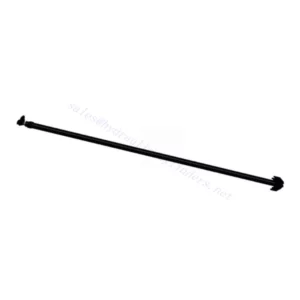
Cilindru telescopic pentru platformă de lucru aeriană
-
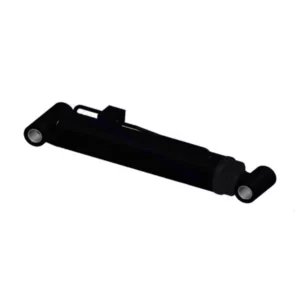
Cilindru de stabilizare a platformei de lucru aeriene
-
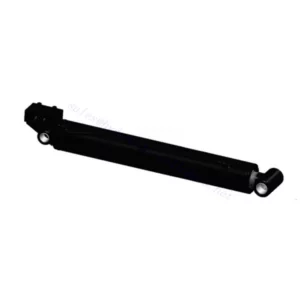
Cilindru de nivelare a platformei de lucru aeriene
-
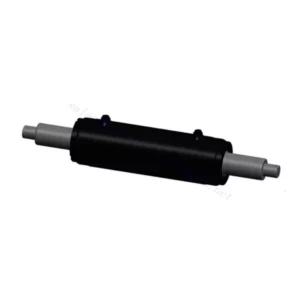
Cilindru de direcție pentru platformă de lucru aeriană
-
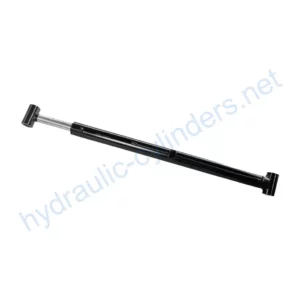
Cilindru de ridicare pentru vehicule de lucru aeriene tip foarfecă
-
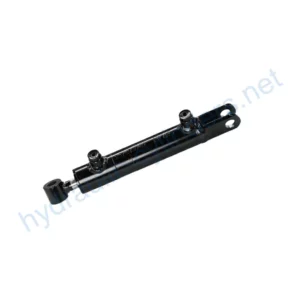
Cilindru de direcție pentru vehicule de lucru aeriene tip foarfecă
-
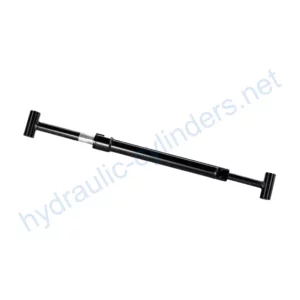
Cilindru de ulei pentru tija oscilantă pentru vehicule de lucru aeriene de tip catarg
-
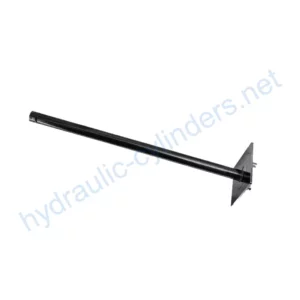
Cilindru de ridicare pentru vehicule de lucru aeriene de tip catarg
-
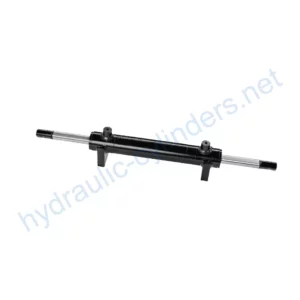
Cilindru de direcție pentru vehicule de lucru aeriene de tip catarg

Reliable Aerial Hydraulic Repair Services
When your aerial lift starts showing signs of trouble—maybe it’s a slow lift, a jerky motion, or a noticeable leak—you need reliable aerial hydraulic repair to get back to work fast. Our team specializes in fixing aerial hydraulic cylinders used in boom lifts, scissor lifts, and telehandlers, ensuring your equipment runs smoothly and safely.
We know downtime costs money, whether you’re on a construction site, maintaining a warehouse, or setting up an event, so we focus on quick, lasting repairs that keep your lifts in top shape.


Our Comprehensive Repair Process
Our repair process starts with a thorough inspection to pinpoint issues like worn seals, damaged rods, or fluid contamination. For hydraulic cylinders for aerial lifts, common problems include seal leaks due to high-pressure wear or bent rods from overloading.
We use premium replacement parts, like polyurethane and seals, to restore performance and prevent future breakdowns. Whether your equipment is a boom lift, a scissor lift, or a platform, our technicians have the expertise to handle it. We also recondition chrome-plated rods to resist corrosion and test each cylinder at pressures up to 3,000 PSI to ensure reliability.
Minimizing Your Downtime
What sets our aerial hydraulic repair apart is our commitment to minimizing your downtime. We offer on-site repair services for urgent needs, bringing tools and parts directly to your job site, whether it’s a construction project or a facility maintenance task.


For more complex issues, our shop is equipped to rebuild aerial work platform cylinders, replacing components like pistons or glands with OEM-quality parts. We also provide preventive maintenance plans to catch issues early, saving you from costly emergency repairs. For example, regular seal checks every six months can extend the life of your cylinder significantly.
Safety-First Approach
Safety is a top priority in our repair services. A faulty aerial hydraulic cylinder can lead to unstable lifts, putting operators at risk. That’s why we follow strict safety protocols, including pressure testing and verifying alignment with your lift’s pivot points.
After repairs, we provide detailed maintenance tips, like using ISO VG 32/46 hydraulic oil and checking fluid levels monthly, to keep your equipment performing at its best.

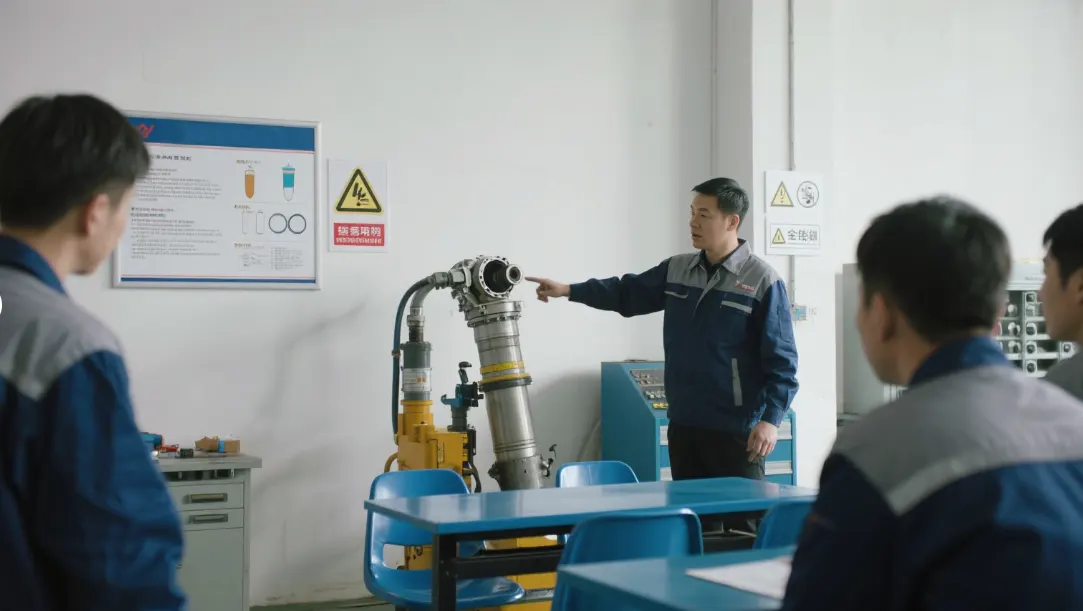
Extend Your Equipment’s Lifespan
Looking to extend the life of your aerial lifts? Our aerial hydraulic repair services are tailored to your needs, whether you’re a contractor, facility manager, or equipment rental company.
Top Tips for Maintaining Your Aerial Work Vehicle Hydraulic Cylinder
1. Inspecții regulate
Schedule routine inspections of your aerial work vehicle hydraulic cylinders at least once a month. During these inspections, look for signs of wear, such as scratches, dents, or corrosion. Inspect the seals for any signs of leakage, and ensure all connections are secure. Early detection of issues can prevent costly repairs later and significantly enhance safety during operations.
2. Check Fluid Levels
Maintaining the correct hydraulic fluid levels is essential for optimal performance. Regularly check the fluid level using the dipstick or sight glass, as specified by the manufacturer’s guidelines. Low fluid levels can lead to inadequate pressure, resulting in reduced lifting capacity and potential damage to the hydraulic system. Always use the recommended hydraulic fluid type to ensure compatibility and performance.
3. Monitor for Leaks
Conduct thorough checks for hydraulic fluid leaks around the seals and fittings. Leaks can compromise the hydraulic system’s integrity, leading to sudden failures and unsafe working conditions. If you notice any leaks, address them immediately by tightening fittings or replacing damaged seals to maintain pressure and reliability in your aerial work vehicle hydraulic cylinder.


4. Clean the Cylinder
Keeping the exterior of your hydraulic cylinder clean is vital for preventing dirt and debris from entering the system. Regularly wash the cylinder with a soft cloth and mild detergent, avoiding abrasive materials that could scratch the surface. Additionally, inspect the area around the cylinder for debris before each use to ensure a clean working environment.
5. Lubricate Moving Parts
Proper lubrication of all moving parts associated with the hydraulic cylinder is essential for reducing friction and wear. Use high-quality lubricants recommended by the manufacturer, and apply them according to the specified intervals. Regular lubrication not only enhances the smooth operation of the hydraulic system but also helps prevent premature wear and tear.
6. Follow Manufacturer Guidelines
Adhere strictly to the maintenance schedule outlined in the manufacturer’s manual. This includes recommended service intervals for hydraulic fluid changes, filter replacements, and cylinder inspections. Following these guidelines ensures that your aerial work vehicle hydraulic cylinder operates within its designed parameters, maximizing both efficiency and safety.
7. Train Your Operators
Ensure that all operators receive comprehensive training on the proper use and maintenance of the aerial work vehicle hydraulic cylinder. Understanding how to operate the hydraulic system safely can prevent misuse, which is a common cause of damage. Regular refresher courses can also keep operators updated on best practices and new safety protocols.
8. Use Quality Replacement Parts
When it comes time for replacement, always invest in high-quality components specifically designed for your aerial work vehicle hydraulic cylinder. Using OEM (Original Equipment Manufacturer) parts ensures compatibility and reliability, which is crucial for maintaining optimal performance. Avoid aftermarket parts that may compromise the integrity of the hydraulic system.
9. Document Maintenance Activities
Keep a detailed log of all maintenance activities, inspections, and repairs performed on your hydraulic cylinders. This documentation not only helps track performance over time but also provides valuable insights into recurring issues that may need addressing. A well-maintained log can also be beneficial for compliance with safety regulations and for audits.
By following these expanded tips, you can ensure the longevity and performance of your aerial work vehicle hydraulic cylinder. Regular maintenance not only enhances operational efficiency but also ensures a safer working environment, allowing your team to focus on completing tasks effectively and reliably.
Cum se reconstruiește un cilindru hidraulic?


The performance and efficiency of a hydraulic cylinder depend on several factors, including the hydraulic fluid’s viscosity, the size and design of the cylinder, and the applied pressure. The hydraulic fluid’s incompressible nature ensures that the force applied to one side of the piston is transmitted to the other side, resulting in a smooth and consistent movement.
To control the direction and speed of the hydraulic cylinder’s movement, various valves, such as control valves and check valves, are incorporated into the hydraulic system. By adjusting these valves, operators can regulate the flow of hydraulic fluid, enabling precise and controlled operation of the hydraulic cylinder.
A hydraulic cylinder operates based on the principles of fluid mechanics and Pascal’s Law. It consists of a cylindrical barrel, a piston, and a piston rod, all enclosed within a sealed chamber. The chamber is filled with hydraulic fluid, typically oil, which acts as the working medium.
When a force is applied to the hydraulic cylinder, usually through a hydraulic pump, the hydraulic fluid is pressurized. This pressure is transmitted uniformly in all directions within the fluid, following Pascal’s Law. As a result, the hydraulic fluid exerts an equal force on the entire surface area of the piston.
This force causes the piston to move within the cylinder, either extending or retracting the piston rod. The movement of the piston rod is harnessed to perform mechanical work, such as lifting heavy loads or moving machinery components.


How To Measure Hydraulic Cylinder ?


Measuring a hydraulic cylinder accurately is crucial for identifying the right replacement or repair options. Whether you are dealing with a double-acting hydraulic cylinder or a small hydraulic cylinder, the following steps will guide you through the measurement process:
Identify Cylinder Type:
Determine whether you have a double-acting hydraulic cylinder or a small hydraulic cylinder. This will help you understand the specific characteristics and measurement points relevant to your cylinder.
Measure Cylinder Bore Diameter:
The bore diameter refers to the inner diameter of the cylinder barrel. To measure it, use a caliper or micrometer to capture the diameter at several points along the cylinder’s length. Take multiple measurements and calculate the average for accuracy.
Determine Rod Diameter:
The rod diameter refers to the diameter of the piston rod. Measure it using a caliper or micrometer, similar to the bore diameter measurement. Again, take multiple measurements and calculate the average for precision.
Measure Stroke Length:
The stroke length refers to the distance the piston travels inside the cylinder. Extend the piston rod fully and measure the distance from the fully retracted position to the fully extended position. This measurement determines the required length of the replacement or repair part.
Inspect Mounting Style:
Assess the mounting style of your hydraulic cylinder, as it can vary depending on the application. Determine whether it uses flange mounts, clevis mounts, or other mounting mechanisms. Note down the specific dimensions and configurations required for proper installation.
Note Additional Specifications:
Depending on the specific hydraulic cylinder and its application, there may be additional specifications to consider. These can include overall length, port size and type, pressure rating, and any unique features or accessories.