
Renewable Energy Fluid Power
Solar Tracker Cylinders: Maximizing Photovoltaic Efficiency
An authoritative engineering analysis of hydraulic positioning systems, wind load mitigation, and fluid power dynamics in utility scale solar power generation.

The Foundation of Solar Power Optimization
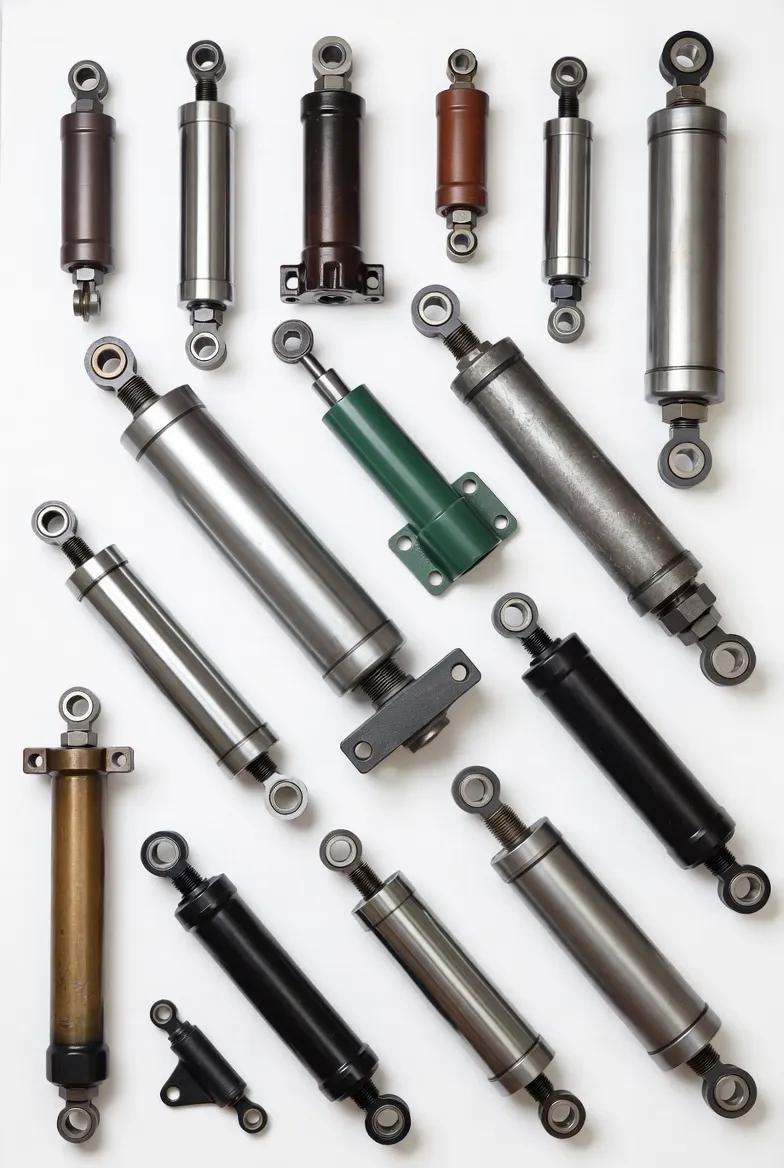
The transition toward a sustainable global energy grid relies heavily on the continuous advancement of solar power technology. While the efficiency of photovoltaic cells dominates public discussion, the structural mechanisms that orient these panels are equally critical. Utility scale solar farms require massive arrays of panels to follow the sun across the sky, maximizing direct irradiance from dawn until dusk. This dynamic orientation is achieved through solar tracking systems. At the core of the most robust and durable tracking architectures are solar tracker cylinders. These highly specialized hydraulic actuators provide the immense force and microscopic precision required to pivot tons of steel and glass silently and reliably.
Unlike stationary solar installations that suffer significant energy yield drops during early morning and late afternoon hours, dynamic tracking systems can increase overall energy production by up to thirty percent. This monumental increase in yield completely alters the financial return on investment for utility scale solar power plants. However, the actuators driving these movements operate in some of the most unforgiving environments on the planet, from scorching desert expanses to freezing high altitude plateaus. The fluid power industry has responded by engineering photovoltaic tracking system cylinders capable of operating flawlessly under extreme thermal fluctuations, severe dust contamination, and colossal aerodynamic wind loads.
Understanding the fluid dynamics, metallurgical innovations, and intelligent control algorithms integrated into modern solar power hydraulics is absolutely essential for renewable energy developers, EPC contractors, and maintenance engineers. A failure in a tracker actuator can leave a massive array stranded in a suboptimal position, or worse, vulnerable to catastrophic destruction during high wind events. This comprehensive engineering analysis delves deep into the operational imperatives, extreme environmental durability, and predictive maintenance strategies associated with single axis and dual axis solar tracker cylinders.
Mechanical Architecture of Photovoltaic Actuation
The operation of a solar tracker hydraulic system represents a sophisticated interplay of active fluid power and passive structural dampening. The cylinders must execute commands with millimeter precision while simultaneously acting as massive shock absorbers against turbulent wind events.
Single Axis Tracking Dynamics
In single axis tracking systems, massive rows of solar panels pivot from east to west along a central torque tube. Hydraulic cylinders are strategically mounted along this axis to push and pull the structural linkage. Because these rows can extend for hundreds of meters, the cylinders must overcome significant static friction and rotational inertia to initiate movement. Hydraulic systems excel here, offering immense torque density and smooth, judder free acceleration that electromechanical linear actuators struggle to match.
Aerodynamic Dampening
A vast array of solar panels acts essentially as a giant sail. When turbulent wind gusts strike the array, immense torsional forces are transferred directly to the actuator. Hydraulic solar tracker cylinders act as active structural dampeners. The incompressibility of hydraulic fluid, combined with specialized pressure relief valves, absorbs these violent shocks, preventing the structural steel framework from suffering catastrophic fatigue and preventing gear backlash.

Surviving Extreme Desert and Coastal Environments
Utility scale solar power plants are frequently constructed in harsh environments characterized by maximum solar irradiance. These locations, such as arid deserts or coastal salt flats, are uncompromisingly hostile to precision mechanical systems. Solar tracker cylinders face continuous exposure to abrasive silica dust, extreme ultraviolet radiation, aggressive temperature swings from freezing nights to blistering days, and highly corrosive salt laden air. A standard industrial hydraulic cylinder would succumb to seal failure and galvanic corrosion within months in such an environment.
To guarantee the twenty to thirty year design life expected of modern photovoltaic installations, tracker actuators are manufactured using cutting-edge material science. The integrity of the fluid power system is entirely dependent on its ability to repel environmental contamination while maintaining zero leakage performance under extreme holding loads.
Advanced Metallurgy and Seal Technology
The piston rods of solar tracker cylinders undergo highly specialized surface treatments. Standard chrome plating is often insufficient due to the harsh abrasive nature of desert sand. Instead, leading manufacturers utilize advanced nitrocarburizing techniques, creating an impenetrable, corrosion proof, and scratch resistant barrier that chemically alters the steel surface. Furthermore, because these cylinders spend the majority of their life making microscopic movements to track the sun at roughly fifteen degrees per hour, the internal seals must be specially formulated. Standard polyurethane seals would suffer from stick slip friction. Proprietary energized PTFE sealing profiles are utilized to ensure frictionless, zero leakage performance during continuous micro vibrations, while aggressive double lip wiper seals prevent dust ingress.

Failsafe Stow Mechanisms and Structural Security
From an authoritative EEAT engineering perspective, the safety of the photovoltaic array during severe weather events takes absolute precedence. High velocity storm winds can generate catastrophic uplifting forces. The hydraulic tracking system must be able to rapidly transition to a defensive posture.
Emergency Stow Positioning
When meteorological sensors detect wind speeds exceeding safe operational thresholds, the central controller commands all solar tracker cylinders to move the panels into a zero degree horizontal stow position. This minimizes the aerodynamic profile of the array. Hydraulic systems are uniquely suited for this, as they can rapidly deploy high flow rates to move tons of steel into safety in a matter of seconds, far faster than traditional geared electromechanical drives.
Hydraulic Accumulator Integration
To ensure the array can reach the stow position even during a total grid blackout, hydraulic accumulators are integrated into the fluid power circuit. These devices store pressurized fluid energy. During a power failure combined with a severe storm, the accumulators autonomously release this stored energy directly into the tracker cylinders, forcing the panels into the safe horizontal position without requiring external electricity. This redundancy is a critical standard in renewable energy design.
Maintenance Strategies for Maximizing Plant Uptime
The financial viability of a solar power plant relies entirely on maximizing operational uptime. Performing maintenance across thousands of tracking rows in a remote desert location is logistically complex and labor intensive. Therefore, engineering out maintenance requirements and focusing on preventative strategies for solar power hydraulics is paramount.
- ✔️
Biodegradable Fluid Management: Because solar farms are inherently environmentally focused, any potential hydraulic leak poses a reputational and ecological risk. Modern solar tracker systems utilize specialized biodegradable hydraulic fluids. These fluids are formulated to break down naturally in the soil, eliminating the risk of hazardous contamination while maintaining optimal lubricity across extreme temperature ranges.
- ✔️
Spherical Bearing Lubrication: The mounting points of the solar tracker cylinders use heavy duty spherical plain bearings. These bearings must accommodate the continuous micro tracking movements. Utilizing maintenance free self lubricating PTFE lined bearings drastically reduces the need for manual greasing routes across vast solar arrays, saving thousands of labor hours annually.
- ✔️
Visual Seal and Gland Inspections: Service technicians utilize drones and localized sensors to perform checks of cylinder glands. Weeping fluid not only degrades holding force but indicates seal damage from dust ingestion. Catching these micro leaks early prevents total system failure and ensures the tracker maintains perfect solar alignment.

The Digital Transition: Smart Hydraulics and IoT Integration
The renewable energy sector is rapidly embracing the digital age. The solar tracker cylinder is evolving from a passive mechanical component into a highly intelligent, sensor driven node within the Industrial Internet of Things.
Next generation photovoltaic tracking systems are being equipped with embedded linear position sensors and pressure transducers directly within the cylinder. These smart cylinders continuously feed real time telemetry to the solar farm central SCADA system. By analyzing the pressure decay curves and positional accuracy during the daily tracking sequence, artificial intelligence algorithms can accurately predict internal seal wear, fluid degradation, or structural binding months before a physical failure occurs. This transition from reactive emergency repairs to predictive AI driven maintenance dramatically lowers the Levelized Cost of Energy for global solar plant operators, ensuring peak efficiency across the entire array.

Conclusion: Engineering the Future of Sustainable Energy
Solar tracker cylinders are the unsung foundation of photovoltaic efficiency and longevity. By seamlessly integrating advanced metallurgical corrosion resistance, uncompromising failsafe accumulator mechanisms, and cutting edge IoT smart technology, these hydraulic actuators ensure that solar farms operate with maximum irradiance capture and structural safety. For EPC contractors and renewable energy developers, investing in superior hydraulic tracking systems is a foundational strategy for securing a highly reliable, safe, and immensely profitable clean energy grid for the future.