The Ultimate Guide to Troubleshooting Magnetic Welded Hydraulic Cylinders
Introduction to Magnetic Welded Hydraulic Cylinder
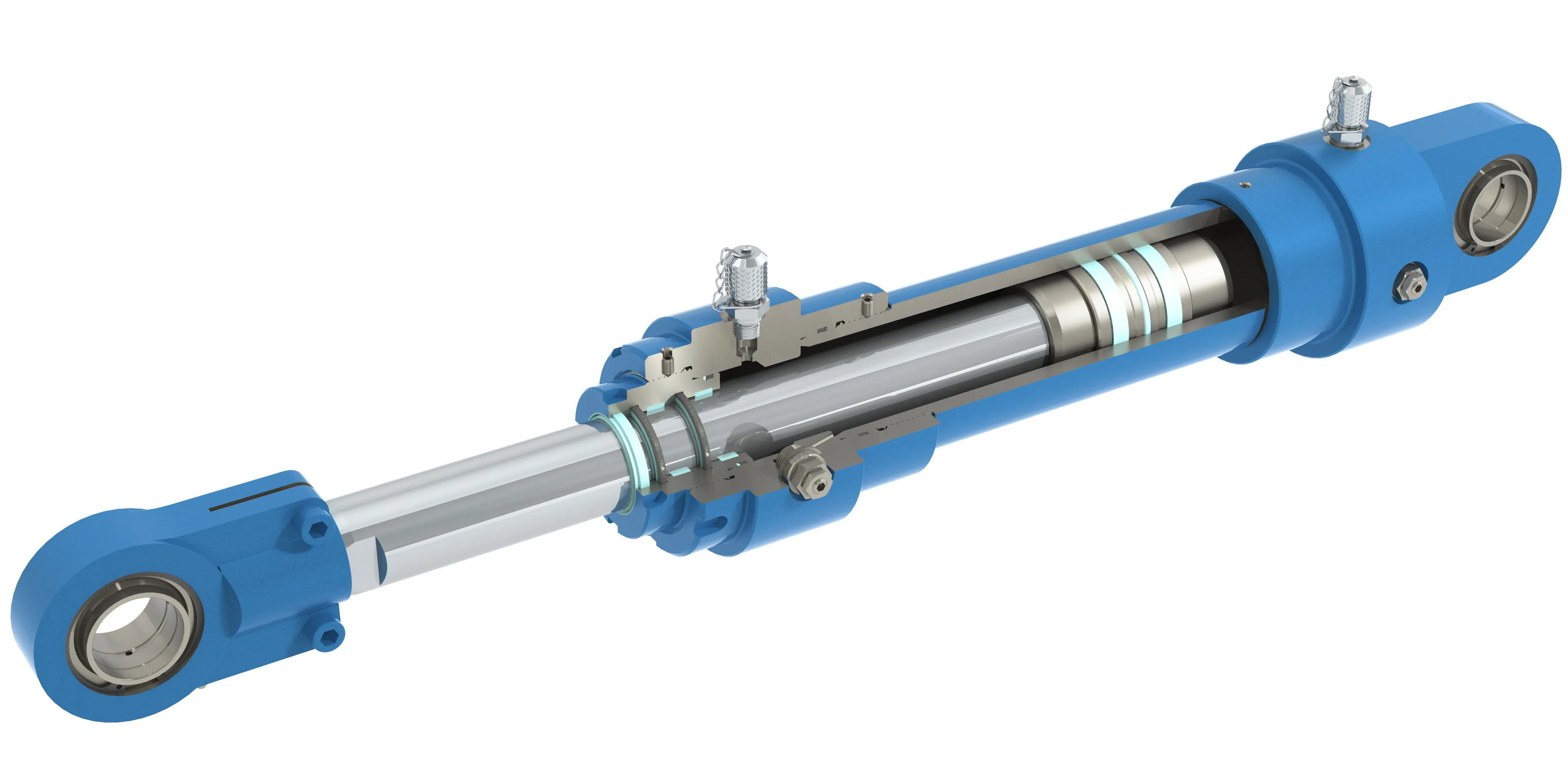
When it comes to hydraulic systems, the magnetic welded hydraulic cylinder plays a crucial role in ensuring efficient performance. These cylinders are designed with precision and advanced technology to meet the demands of various industries. Let’s dive into the key components and functions of magnetic welded hydraulic cylinders.
Design and Construction Characteristics
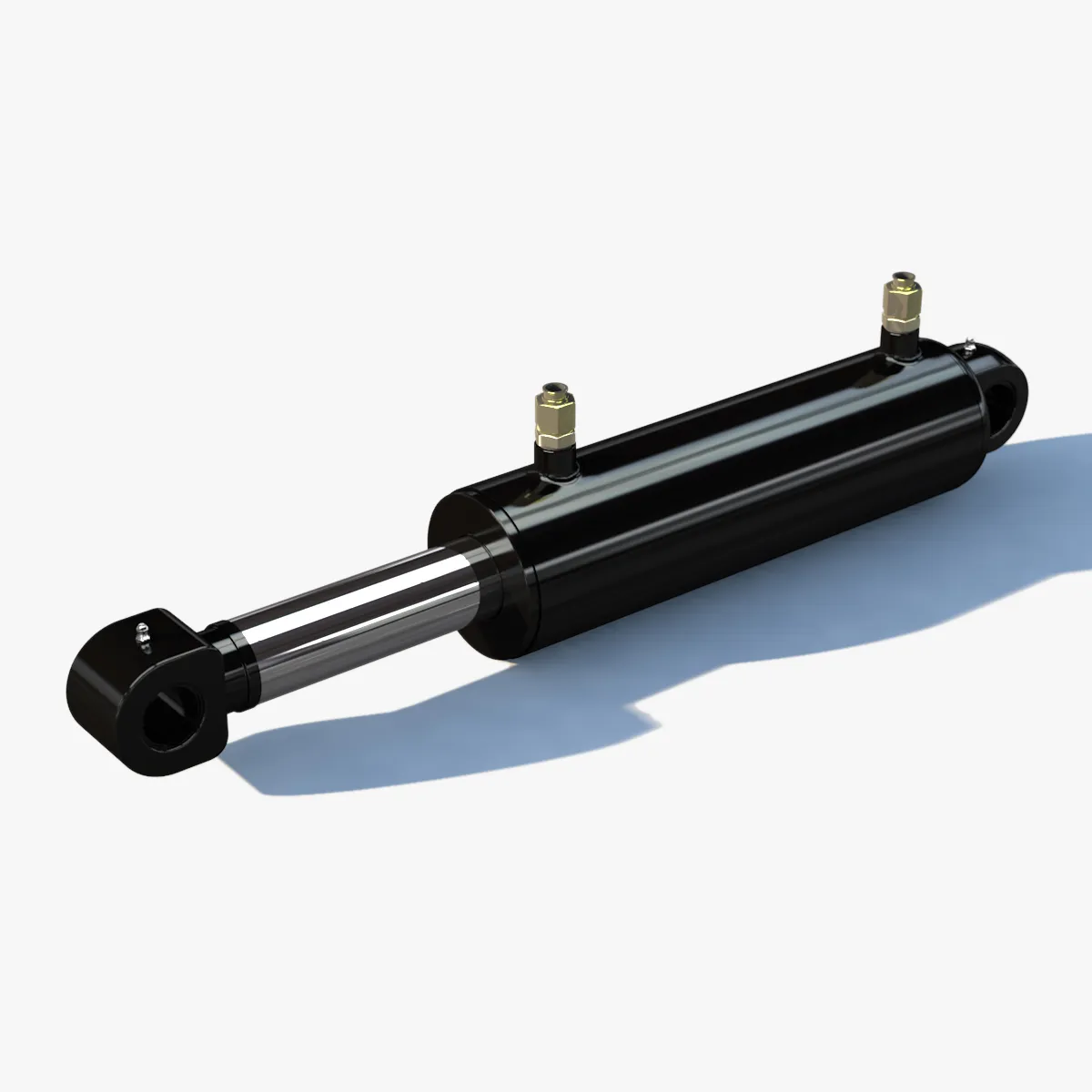
One of the standout features of magnetic welded hydraulic cylinders is the integration of an easy magnetic sensor. This sensor allows for contact-free position detection, improving accuracy and reaction speed. The welded structure enhances the durability of the cylinder, making it suitable for high-pressure environments. Additionally, the compact design saves space and is ideal for applications with limited space constraints. The sealing performance ensures that the liquid does not leak, enhancing the reliability and safety of the system.
Construction Characteristics
Precision machining is a key aspect of the construction process, ensuring the accuracy and sealing of the assembly. The welded process utilizes advanced technology to strengthen the joints and prevent failure under high pressure. Strict testing and verification procedures are followed to guarantee the cylinder’s performance. Customization options are available to tailor the design to specific customer requirements.
Working Principle
The working principle of magnetic welded hydraulic cylinders involves the transfer of force through a liquid, resulting in piston movement. The workload is managed efficiently, thanks to the sealing system that prevents leaks and contamination. Pressure release mechanisms ensure the safety and reliability of the system.
Types and Configurations
There are three main types of magnetic welded hydraulic cylinders, each with unique configurations tailored to different applications. These cylinders offer versatility and high performance in various industrial settings.
Advantages
- Precise positioning: Magnetic induction technology enhances accuracy and reduces wear.
- Compact design: Space-saving compared to traditional cylinders.
- Enhanced durability: Welded construction ensures strength and reliability.
Performance Characteristics
- Magnetic position sensing: Detect piston position without contact.
- Welded construction: Ensures durability and strength.
- Sealing techniques: Prevent leakage and contamination.
Industries of Application
Magnetic welded hydraulic cylinders find widespread use in industries such as industrial automation, material handling, construction equipment, and more. These cylinders offer precise motion control and reliability in demanding industrial environments.
Design Considerations and Selection Criteria
When selecting magnetic welded hydraulic cylinders, it is essential to consider factors such as bearing capacity, sealing, durability, safety, and maintainability. These considerations ensure optimal performance and longevity of the system.
Sealing and Lubrication
Proper sealing and lubrication are critical for the efficient operation of magnetic welded hydraulic cylinders. Various seals, including piston seals and rod seals, are used to prevent leaks and contamination. Regular lubrication with hydraulic oil enhances wear resistance and prolongs the cylinder’s lifespan.
Preventive Maintenance
- Regular inspection: Ensure all components are in good working condition.
- Proper lubrication: Maintain optimal performance with regular oiling.
- Seal replacement: Replace worn seals to prevent leaks.
Safety Considerations
When using magnetic welded hydraulic cylinders, it is crucial to follow safety measures to prevent accidents and ensure the smooth operation of the system. Safety should be a top priority in all industrial applications.
Fault Diagnosis and Common Problems
Common issues with magnetic welded hydraulic cylinders include leaks, sensor malfunctions, and pressure fluctuations. By diagnosing these problems early, you can prevent costly repairs and downtime.
FAQs
How do magnetic sensors work in these cylinders?
Magnetic sensors detect the position of the piston without physical contact, ensuring accurate feedback for precise control.
What are the main advantages of using magnetic welded hydraulic cylinders?
The main advantages include precise positioning, compact design, and enhanced durability, making them ideal for various industrial applications.
In which industries are these cylinders commonly used?
Magnetic welded hydraulic cylinders are widely used in industrial automation, material handling, construction equipment, and other industries that require precise motion control.
Long Tail Keywords
1. Magnetic welded hydraulic cylinder technology
2. Advanced features of magnetic welded cylinders
3. Benefits of using magnetic sensors in hydraulic systems
Our Company
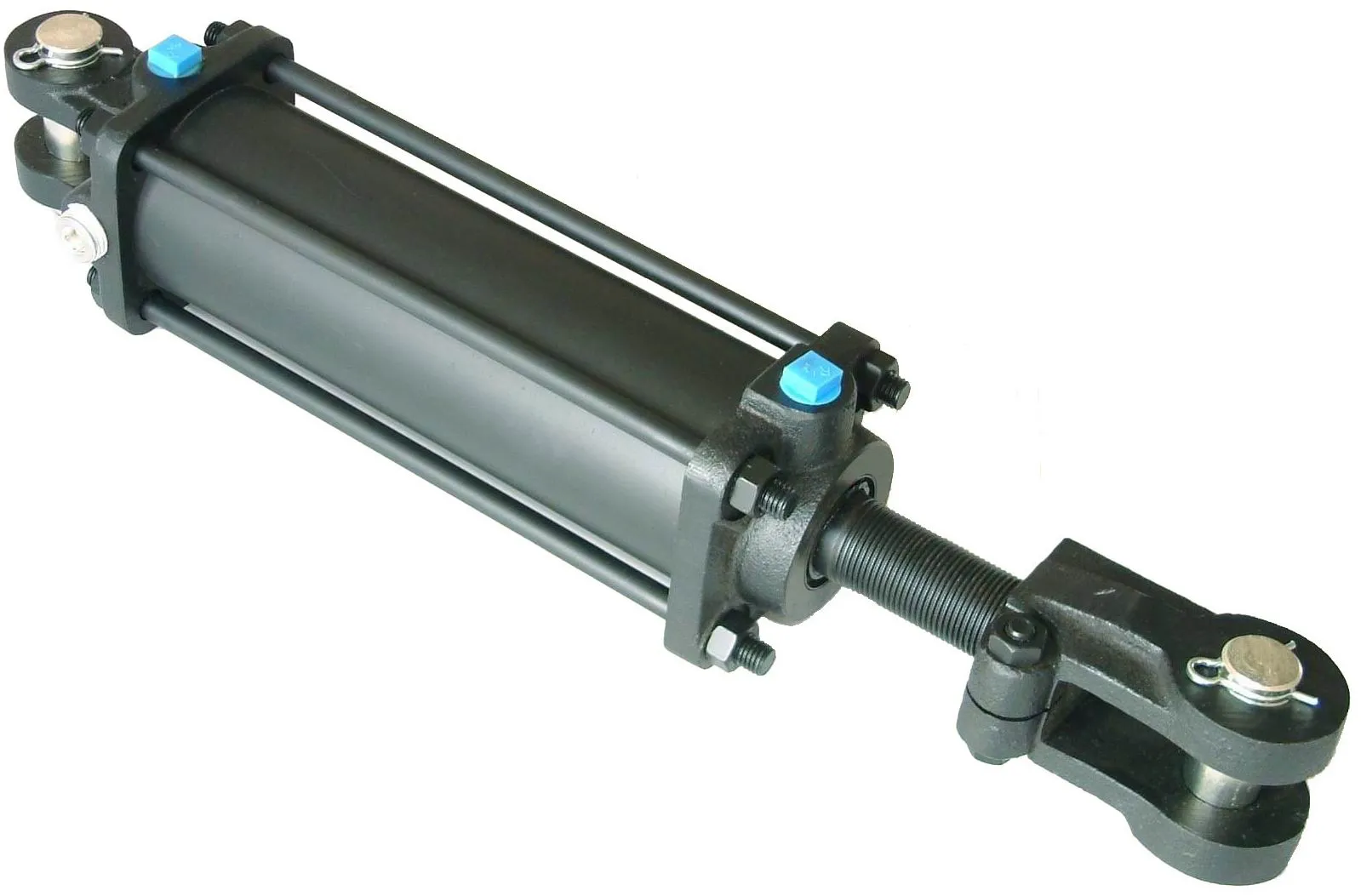
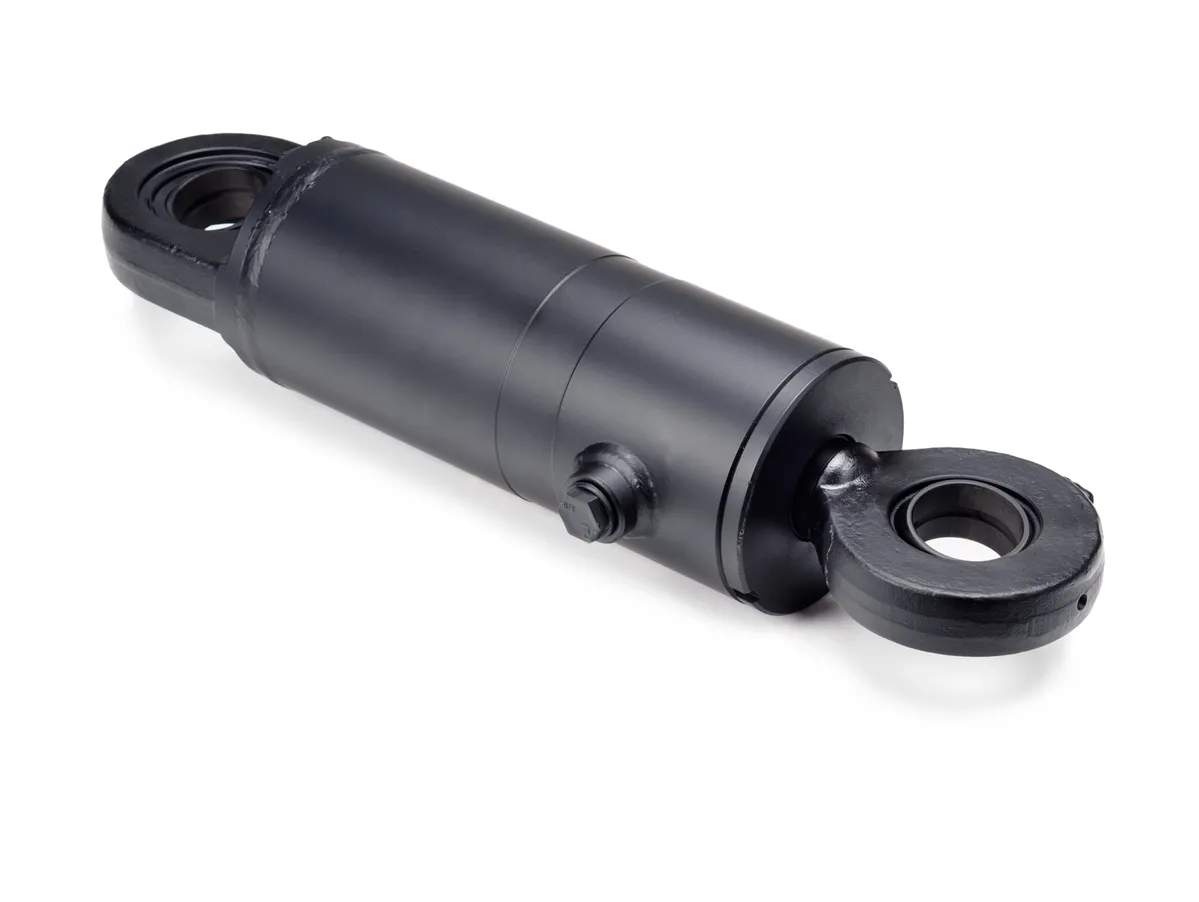
We are a leading hydraulic cylinder replacement manufacturer, offering a wide range of products to meet the needs of various industries. With a focus on quality, customization, and customer satisfaction, we have established ourselves as a trusted supplier in the domestic and international markets.