
Firefighting Vehicle Fluid Power
Outrigger Hydraulic Cylinders: The Unshakeable Foundation of Aerial Rescue
An authoritative engineering analysis of chassis stabilization, dynamic load bearing, thermal shock resistance, and absolute failsafe fluid power dynamics in modern aerial firefighting apparatus.

Securing the Platform for High Altitude Lifesaving
When a massive structural fire threatens an urban high rise, or a complex technical rescue is initiated at extreme heights, the deployment of an aerial ladder or articulating platform fire truck is the most critical tactical maneuver on the fireground. These towering mechanical behemoths extend heavy aluminum and steel structures over one hundred feet into the sky, carrying the weight of fully equipped firefighters, rescued civilians, and thousands of gallons of pressurized water. However, none of this vertical reach is possible without an absolutely rigid, perfectly level foundation on the ground. Before a single ladder section can be elevated, the fire truck must deploy its stabilization system. The unsung heroes executing this monumental task are the outrigger hydraulic cylinders.
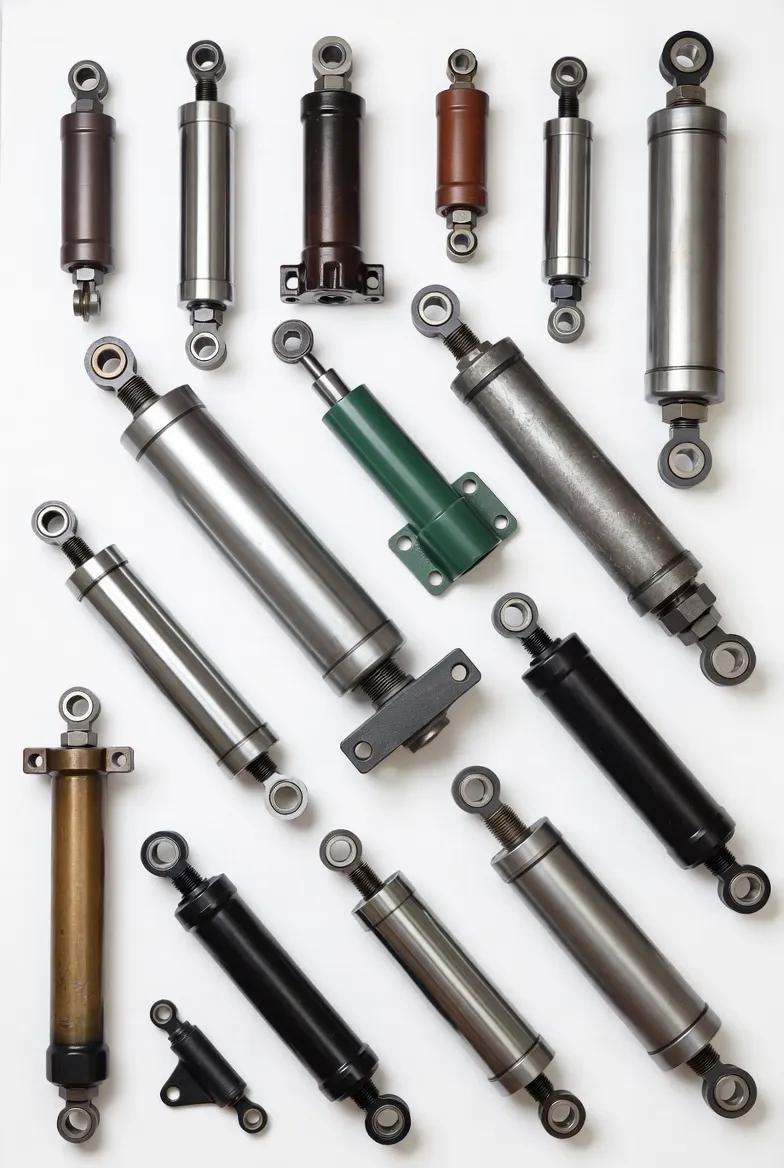
Outrigger hydraulic cylinders are the critical fluid power components that lift the entire chassis of a thirty ton fire engine off its pneumatic tires, transferring the immense weight of the vehicle and the dynamic forces of the aerial ladder directly to the solid earth. In the chaotic and unpredictable environment of a fire scene, the ground is rarely perfectly flat. Fire trucks must frequently set up on steep hills, uneven curbs, rain slicked asphalt, or debris covered streets. The outrigger system must instantly and autonomously adapt to these irregularities, extending downward with explosive force to level the chassis to within a fraction of a degree. If the outriggers fail to establish a completely rigid footprint, the extended aerial ladder acts as a massive lever, threatening to tip the entire vehicle over and cause a catastrophic disaster.
From an uncompromising engineering perspective aligned with the strictest global safety mandates, designing outrigger hydraulic cylinders for firefighting vehicles demands absolute perfection. These massive actuators must support extreme axial loads, resist severe lateral bending forces induced by ladder rotation, and endure the brutal environmental realities of the fireground. This comprehensive technical analysis explores the sophisticated mechanical architecture, the advanced metallurgical defenses against thermal shock, and the absolute failsafe fluid power dynamics that define elite outrigger stabilization systems.
Kinematic Architecture of Chassis Stabilization
Deploying a heavy duty outrigger system requires a highly sophisticated interplay of horizontal extension and vertical jacking dynamics. The cylinders must navigate confined urban spaces while delivering immense downward thrust.
Horizontal Extension Cylinders
In H-Type or X-Type outrigger configurations, the outrigger beams must first slide horizontally outward from the truck body to widen the operational footprint. The horizontal extension cylinders are responsible for this crucial movement. These cylinders must operate smoothly to extend the heavy steel beams rapidly. Because fire trucks often navigate narrow urban alleys dotted with parked cars and obstacles, these cylinders are engineered for variable extension. High precision flow control valves allow the operator to extend the outriggers partially on one side if space is restricted, feeding real time stroke data to the onboard computer to automatically calculate the maximum safe ladder operating envelope based on the adjusted footprint.
Vertical Jacking Cylinders
Once the horizontal beams are deployed, the vertical jacking cylinders drive downward to make contact with the earth. These are massive, extreme high pressure actuators. They must possess the brute force to lift the entire thirty ton vehicle completely off its suspension. The vertical cylinders feature exceptionally large bore diameters to maximize lifting thrust. Furthermore, they are subjected to severe lateral bending moments when the heavy aerial ladder rotates to ninety degrees. To withstand these off center loads, the piston rods are exceptionally thick, forged from induction hardened alloy steel, preventing deflection that would otherwise compromise the stability of the entire apparatus.

Managing Extreme Dynamic Ground Pressures
The physical demands placed upon an outrigger hydraulic cylinder are not static; they are violently dynamic. When an aerial ladder is fully extended horizontally over the side of the fire truck, it creates an enormous cantilever effect. The fulcrum of this lever is the outrigger pad resting on the ground. As firefighters climb the ladder, or when a high volume master stream nozzle discharges hundreds of gallons of water per minute, immense shockwaves and fluctuating loads are transferred directly down through the vertical jacking cylinders.
If the outrigger cylinder barrel or piston rod were to deform under this immense pressure, the vehicle would tilt, causing the tip of the ladder to sway wildly in the air, endangering the rescue team. To guarantee unyielding structural rigidity, elite cylinder manufacturers utilize seamless, heavy wall steel tubing for the barrels. Additionally, the outrigger pads at the base of the cylinders are mounted on heavy duty spherical bearings. These specialized joints allow the pad to articulate and maintain completely flat contact with uneven ground surfaces, evenly distributing the massive hydraulic ground pressure and preventing the cylinder rod from enduring fatal bending stresses.

Precision Automated Leveling Systems
Modern aerial apparatus are equipped with sophisticated auto leveling technology. Electronic inclinometers and gyroscopes constantly monitor the chassis angle. During deployment, the onboard computer independently commands the electro hydraulic proportional valves of all four outrigger cylinders simultaneously. The system dynamically adjusts the hydraulic flow, extending each cylinder by exact microscopic increments until the entire fire truck chassis achieves a perfect zero degree level plane. This flawless automated fluid power coordination ensures maximum operational safety before the aerial ladder is even permitted to leave its cradle.
Absolute Failsafe Mechanics and Zero Drift Locking
From an authoritative engineering safety perspective, suspending a heavy fire truck and an extended aerial ladder relies entirely on the integrity of the trapped hydraulic fluid. The outrigger systems are engineered with uncompromising mechanical redundancies to prevent catastrophic collapse.
Pilot Operated Check Valves (Load Holding)
If the main fire truck engine fails, or if falling debris severs a high pressure hydraulic hose, the vehicle cannot be allowed to crash back down onto its suspension. To absolutely prevent this disaster, all vertical jacking cylinders are fitted with integral load holding pilot operated check valves, which are block mounted directly to the cylinder steel housing. Once the outrigger is deployed, these valves snap shut mechanically, trapping the fluid inside the cylinder. This creates a rigid hydraulic lock, ensuring the outrigger maintains true zero drift stability, supporting the vehicle indefinitely without requiring continuous pump pressure.
Emergency Manual Retraction Systems
In the event of a total electrical or engine failure on the fireground, the fire truck cannot remain permanently anchored to the street, potentially blocking other responding units. Advanced outrigger cylinders are integrated with manual override systems. Firefighters can access mechanical pump handles or dedicated bleed valves to slowly and safely manually retract the outrigger cylinders, lifting the pads off the ground and returning the vehicle weight to its tires, allowing the truck to be towed away from the danger zone without any primary electrical power.

Surviving Fireground Degradation and Maintenance Protocols
The operating environment of a fire engine is exceptionally brutal on exposed mechanical components. Outrigger cylinders are mounted low on the chassis, meaning they are constantly exposed to corrosive road salts during winter responses, abrasive dirt, and the aggressive chemical composition of firefighting foams. Furthermore, they frequently encounter intense thermal radiation from nearby structural fires.
- ✔️
Corrosion Armor and Laser Cladding: Traditional chrome plating is highly susceptible to micro cracking, allowing moisture to penetrate and rust the steel rod. Premium outrigger cylinders utilize advanced High Velocity Oxygen Fuel thermal sprayed ceramic coatings or laser cladding technology. These metallurgical processes bond highly resistant nickel chromium alloys directly to the steel, creating an impenetrable armor against aggressive chemical attack and physical scratching from roadside debris.
- ✔️
Extreme Thermal Endurance Sealing: Standard industrial polyurethane seals can degrade when exposed to the radiant heat of a large structural fire. To guarantee operational survival, elite firefighting equipment utilizes highly specialized fluorocarbon elastomers and high temperature Polytetrafluoroethylene composites. Paired with aggressive heavy duty wiper seals that scrape away mud and ice, these materials maintain pristine internal fluid integrity even during severe thermal shock cycles.
- ✔️
Visual Monitoring and Micro Leak Inspections: During daily rig checks, apparatus operators must meticulously inspect the exposed areas of the outrigger cylinders. Even the slightest weep of hydraulic fluid around the cylinder gland nut is an immediate out of service maintenance discrepancy. Catching these micro leaks early allows mechanics to schedule seal replacements, completely averting the risk of an outrigger collapsing while the aerial ladder is deployed.

The Digital Transition: Smart Hydraulics and Sensor Integration
The modern emergency response vehicle industry is rapidly transitioning towards highly automated, digitally integrated platforms. The traditional mechanical outrigger hydraulic cylinder is evolving from a passive lifting component into a highly intelligent, sensor driven node integrated deeply into the fire truck multiplex control system.
Next generation smart outrigger cylinders are equipped with embedded absolute linear position sensors and high resolution pressure transducers. These smart cylinders continuously feed real time telemetry directly to the vehicle central computer. By analyzing the pressure escalation curves, the system can instantly calculate the exact ground pressure exerted by each outrigger pad. If the sensors detect that an outrigger is sinking into soft mud or a hidden sinkhole, the system will automatically halt aerial ladder operations and sound an immediate evacuation alarm. Furthermore, artificial intelligence algorithms can monitor the hydraulic performance to predict internal seal wear, alerting fleet mechanics to perform preventative maintenance. This transition to predictive AI driven fluid power dramatically lowers operational risks and ensures absolute equipment reliability when lives hang in the balance.
Conclusion: The Ultimate Foundation of Fireground Safety
Outrigger hydraulic cylinders, encompassing both horizontal extension and vertical jacking dynamics, are indisputably the most critical fluid power forces dictating the structural integrity, stability, and operational safety of modern aerial firefighting vehicles. By perfectly combining extreme corrosion resistant metallurgy, uncompromising mechanical failsafe load holding redundancies, and high precision electro hydraulic automated leveling, these technologically advanced actuators ensure that massive thirty ton machines remain anchored like bedrock. For global emergency vehicle manufacturers and municipal fire departments, mastering top tier fluid power and smart localized actuation systems is the fundamental cornerstone to establishing engineering excellence, ensuring absolute first responder safety, and executing successful lifesaving missions in the most unforgiving urban environments.