
Fluid Power Engineering Mastery
What Is a Single Acting Hydraulic Cylinder? The Comprehensive Guide
An authoritative engineering analysis exploring unidirectional fluid dynamics, spring return mechanisms, gravity load retraction, and the industrial applications of single acting linear actuators.

The Fundamentals of Unidirectional Fluid Power
In the expansive and highly technical discipline of mechanical engineering, fluid power remains an irreplaceable technology for generating massive, highly controlled linear force. To fully grasp the capabilities of industrial automation and heavy machinery, one must first understand the foundational components that drive these systems. Among the most essential and widely utilized linear actuators in global manufacturing is the single acting hydraulic cylinder. Understanding how a single acting hydraulic cylinder works is absolutely vital for design engineers, procurement specialists, and maintenance professionals seeking to optimize machine efficiency while minimizing operational complexity.
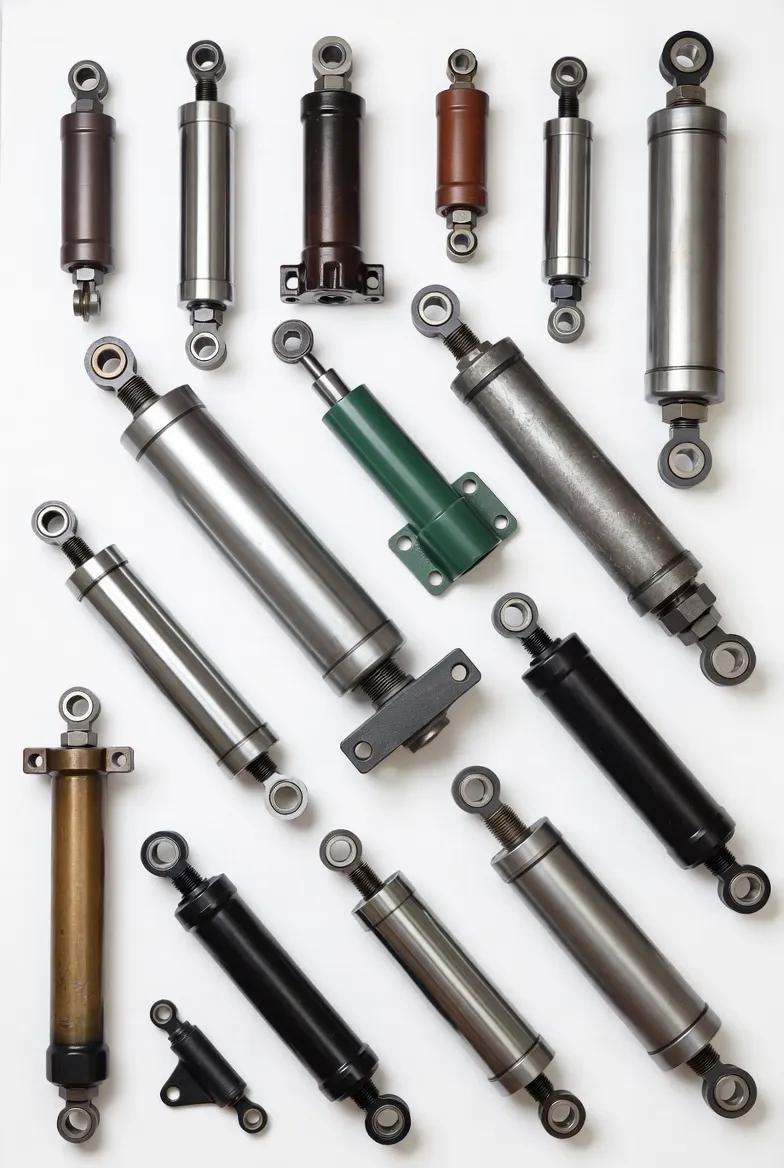
At its core, a hydraulic cylinder translates the hydrostatic energy of pressurized fluid into kinetic, mechanical force. A single acting hydraulic cylinder is defined by its simplified, unidirectional operational profile. Unlike its more complex double acting counterpart, a single acting cylinder features only one hydraulic fluid port, typically located at the base or cap end of the cylinder barrel. This singular port dictates that the actuator can only utilize hydraulic pressure to generate force in one specific direction, which is almost universally the extension stroke. When high pressure hydraulic fluid is pumped into this solitary port, it fills the chamber, pushes against the full circular face of the internal piston, and drives the steel piston rod outward with immense power.
The defining engineering characteristic of this architecture is how the cylinder returns to its original, collapsed position. Because there is no secondary fluid port to actively push the piston backward, a single acting hydraulic cylinder must rely entirely on an external mechanical force to achieve retraction. This external force is generally provided by the gravitational weight of the payload being lifted, or by a heavy duty mechanical spring integrated directly into the cylinder housing. From a rigorous engineering perspective evaluated against international manufacturing standards, this streamlined design offers profound advantages in terms of cost effectiveness, simplified valving, and superior reliability. This comprehensive technical analysis will dissect the internal fluid dynamics, the varied retraction mechanisms, and the advanced industrial applications that define world class single acting hydraulic actuators.
Retraction Mechanisms: Gravity Return vs Spring Return
Because a single acting cylinder lacks the ability to pull itself backward hydraulically, engineers must select the appropriate mechanical retraction method based on the specific kinematic requirements of the industrial application.
Gravity Return Hydraulic Cylinders
A gravity return hydraulic cylinder, also frequently referred to as a load return cylinder, is the most streamlined form of fluid power actuation. This design is utilized exclusively in vertical lifting applications where the dead weight of the payload is substantial enough to force the piston rod back into the barrel. When the directional control valve is shifted to the exhaust position, the high pressure fluid is allowed to escape back into the reservoir. The downward gravitational force exerted by the elevated machinery such as a forklift carriage, a scissor lift platform, or an automotive hoist physically pushes the piston downward, expelling the oil. This design is highly efficient because it eliminates the need for internal mechanical retraction components, maximizing the internal bore volume dedicated to lifting power.
Spring Return Hydraulic Cylinders
In horizontal applications, or in vertical scenarios where the payload is too light to overcome the friction of the cylinder seals, a spring return hydraulic cylinder is mandatory. This sophisticated architecture integrates a heavy duty mechanical coil spring directly inside the cylinder housing, typically situated between the piston face and the cylinder head gland. As hydraulic pressure extends the rod, it must simultaneously compress this massive internal spring. When the operator releases the hydraulic pressure by shifting the control valve to the tank line, the stored kinetic energy within the compressed spring violently uncoils, forcefully pushing the piston backward and retracting the rod. This design is paramount for automation clamping tools, robotic grippers, and safety braking systems where a guaranteed, rapid retraction is required regardless of gravitational orientation.

Internal Anatomy and Sealing Architecture
To truly master fluid power engineering, one must look beyond the exterior steel housing and examine the highly critical internal components. The anatomy of a single acting cylinder, while simpler than a dual port system, requires meticulous precision in its metallurgical construction and elastomeric sealing architecture to prevent catastrophic failure under thousands of pounds per square inch of hydrostatic pressure.
The Critical Role of the Breather Vent
One of the most defining and often misunderstood features of a single acting hydraulic cylinder is the presence of a breather vent on the unpressurized side of the piston. As the piston extends outward under hydraulic force, the volume of empty space in the rod end chamber increases. If this chamber were completely sealed, a massive vacuum would form, severely restricting the extension force and pulling airborne contaminants past the rod wiper seal. To prevent this, engineers install a precision breather vent or sintered bronze filter. This component allows ambient atmospheric air to freely enter and exit the dry chamber during the cylinder stroke, equalizing the internal pressure. Maintaining the cleanliness of this breather filter is absolutely vital; if it becomes clogged with industrial dust, the cylinder will suffer from a hydraulic lock, entirely paralyzing the machine.
Advanced Metallurgy and Pressure Containment
Operating at immense industrial pressures demands unparalleled material strength. The barrels of heavy duty single acting cylinders are forged from ultra high yield strength seamless alloy steels. This prevents dangerous radial expansion or ballooning when the hydraulic fluid suddenly spikes to maximum pressure during a heavy lift. The interior cylinder wall undergoes a specialized deep hole boring process followed by multi stage micro honing, achieving a mirror like finish that minimizes friction. The exterior of the piston rod is heavily induction hardened and undergoes an advanced precision chroming process, creating a diamond hard armor that resists scoring from abrasive environmental debris. Furthermore, the high pressure dynamic seals are fabricated from energized Polytetrafluoroethylene or ultra high molecular weight polyethylene blends, ensuring zero leakage during rigorous, continuous production cycles.

Global Industrial Applications of Unidirectional Force
The simplified valving architecture, lower manufacturing cost, and absolute reliability make the single acting hydraulic cylinder the preferred fluid power solution across a vast array of global industries where active pulling force is not required.
Material Handling and Logistics
The entire global warehousing and logistics sector relies heavily on gravity return single acting cylinders. Every forklift, electric pallet jack, and loading dock scissor lift utilizes these actuators to elevate heavy pallets of cargo into storage racks. The immense weight of the steel lifting carriage and the cargo itself provides more than enough gravitational force to rapidly push the hydraulic fluid back into the reservoir when the operator commands the mast to lower, making a dual port system entirely unnecessary and overly complex.
Agricultural and Construction Tippers
Heavy duty dump trucks, agricultural tipping trailers, and refuse collection vehicles universally employ multi stage telescopic single acting cylinders. These specialized actuators feature nested tubular stages that extend sequentially to tilt the massive steel truck bed to an extreme angle, dumping tons of gravel, grain, or soil. Once the payload is discharged, the massive dead weight of the empty steel bed forces the telescopic stages to collapse sequentially back into their base, ready for the next load.
Industrial Clamping and Braking
In automated manufacturing environments such as CNC machining centers or aerospace assembly jigs, spring return single acting cylinders are the absolute standard for workholding. They provide immense hydraulic force to clamp a titanium or steel workpiece rigidly in place during aggressive milling operations. When the machining cycle completes and fluid pressure is released, the internal high tension spring instantly retracts the clamp, releasing the finished part. This fail safe spring return mechanism ensures the clamp releases even in the event of a total facility power failure.
Preventative Maintenance for Single Acting Actuators
While single acting hydraulic cylinders possess a highly simplified internal architecture compared to their double acting counterparts, they are not immune to the severe environmental degradation common in industrial settings. To guarantee maximum machine uptime and protect valuable capital assets, plant engineers must execute a rigid protocol for the maintenance of single acting cylinders.
- ✔️
Breather Vent Filtration Management: The most critical failure point unique to a single acting cylinder is the breather vent on the unpressurized side. In dusty environments like cement plants or agricultural fields, airborne particulate will rapidly clog this filter. Maintenance technicians must proactively replace or ultrasonically clean the sintered bronze breather vent on a strict schedule. If ignored, the resulting internal vacuum will draw abrasive dirt directly past the wiper seal, scoring the polished piston rod and destroying the primary high pressure seal.
- ✔️
Spring Fatigue and Cyclic Degradation: In high speed automated clamping applications, the internal mechanical spring undergoes millions of violent compressions and rapid extensions. Over years of continuous operation, this heavy duty coil spring will inevitably experience metallurgical fatigue, losing its tension and slowing down the retraction speed of the machine. Engineers must monitor cycle times carefully; a sluggish return stroke is the definitive indicator that the internal spring requires immediate replacement to prevent a complete production line bottleneck.
- ✔️
Absolute Fluid Contamination Control: Although fluid only enters one side of the cylinder, absolute hydraulic oil purity remains paramount. Any microscopic debris within the hydrostatic fluid will cause the directional control valves to jam or induce severe scoring on the interior barrel wall. Routine fluid particulate analysis and high efficiency bypass filtration are mandatory requirements to preserve the longevity of the single acting actuator.

The Digital Horizon: Smart Hydraulics and the IoT Integration
The global fluid power industry is currently experiencing a monumental technological paradigm shift driven by the Industrial Internet of Things. Traditional single acting hydraulic cylinders, long considered purely passive mechanical force generators, are evolving into highly intelligent, sensor driven data nodes integrated seamlessly into facility management software and mobile equipment telematics.
Next generation smart single acting cylinders are being deeply integrated with absolute linear position sensors hidden safely inside the hollow piston rod. These advanced sensors feed real time stroke telemetry directly to the machine control unit, allowing for absolute precision in automated material handling operations. Furthermore, integrated high resolution pressure transducers and vibration sensors can analyze the performance signature of the cylinder over millions of lifting cycles. Artificial intelligence algorithms utilize this data to accurately predict internal seal wear, fluid degradation, or impending spring fatigue. This crucial shift toward AI driven predictive maintenance allows logistics managers and factory engineers to replace degrading fluid power components during scheduled downtime, entirely eradicating the catastrophic financial costs and safety hazards associated with sudden, unexpected hydraulic failures on the warehouse floor.

Conclusion: Mastering Unidirectional Fluid Power
A single acting hydraulic cylinder is indisputably one of the most critical and widely deployed fluid power components in the realm of modern industrial machinery and mobile logistics. By perfectly combining extreme heavy duty metallurgical construction, highly simplified and cost effective valving architecture, and the unparalleled ability to generate massive lifting force using either gravity return or spring return kinematics, these highly advanced actuators ensure that engineers can elevate, press, and clamp massive payloads with absolute, undeniable reliability. For global equipment manufacturers and elite engineering firms, mastering top tier unidirectional fluid power and smart localized actuation systems is the fundamental cornerstone to establishing mechanical efficiency, ensuring operational safety, and securing maximum productivity in the highly demanding field of industrial automation.