
Fluid Power Kinematics Engineering
What is the Purpose of a Cushion in a Hydraulic Cylinder? The Definitive Guide
An authoritative technical analysis exploring kinetic energy deceleration, end of stroke impact mitigation, dynamic fluid restriction, and the advanced internal architecture of hydraulic actuator cushioning systems.

The Destructive Threat of Uncontrolled Kinetic Energy
In the highly rigorous and mathematically precise sectors of heavy industrial manufacturing, automated assembly robotics, mobile earthmoving equipment, and advanced aerospace engineering, fluid power systems are relied upon to deliver massive kinetic force. Hydraulic cylinders are mechanical marvels that convert the immense hydrostatic pressure of fluid into perfectly controlled linear motion. These actuators frequently propel payloads weighing tens of thousands of pounds at remarkably high velocities. However, generating this massive kinetic energy is only half of the fluid power equation. The true engineering challenge lies in safely arresting that motion. When an equipment operator or mechanical design engineer asks what is the purpose of a cushion in a hydraulic cylinder, they are inquiring about the critical internal braking mechanism designed to prevent the machine from battering itself to pieces.
According to the fundamental laws of physics, kinetic energy increases exponentially with velocity. When a heavy steel piston assembly, driving a massive external payload, approaches the end of its geometric stroke, it possesses an enormous amount of momentum. If this rapidly moving mass is allowed to simply slam into the solid steel end cap or head gland of the cylinder barrel, the resulting mechanical shockwave is devastating. This violent end of stroke impact creates astronomical pressure spikes within the fluid, sends highly destructive vibrations through the entire machine chassis, rapidly shears the mounting clevis pins, and severely deforms the internal sealing architecture. Without a mechanism to safely decelerate this moving mass, the hydraulic cylinder will suffer a catastrophic structural blowout in a fraction of its intended operational lifespan.
From an authoritative engineering perspective evaluated against international fluid power reliability standards, the hydraulic cylinder cushion is not a luxury component; it is an absolute structural necessity for high speed and high mass applications. The cushion acts as an internal, self contained shock absorber. By cleverly manipulating fluid dynamics and utilizing restrictive orifices, the cushion smoothly and progressively bleeds off the kinetic energy of the piston before it can make metal to metal contact with the end caps. This comprehensive technical engineering manual will meticulously dissect the internal architecture of hydraulic cushioning systems, exploring the physics of fluid restriction, the mechanics of adjustable needle valves, and the profound operational benefits of deploying cushioned actuators in industrial environments.
The Internal Mechanics: How Hydraulic Cushions Function
The brilliant engineering behind a hydraulic cylinder deceleration system lies in its ability to utilize the working fluid itself as the braking medium. The system traps a specific volume of oil and forces it through a controlled restriction, converting kinetic energy into heat.
Trapping the Exhaust Fluid
During the majority of the cylinder stroke, hydraulic fluid freely exhausts out of the large primary port and returns to the reservoir. However, as the piston approaches the final few inches of its travel, the internal cushioning architecture engages. A precision machined steel component known as the cushion spear on the rod end or the cushion sleeve on the base end enters a tightly toleranced cylindrical cavity in the end cap. As the spear enters this cavity, it physically blocks the large primary exhaust port. The remaining hydraulic fluid is now trapped between the moving piston and the end cap, creating a high pressure fluid barrier.
The Restrictive Orifice and Needle Valve
Because the primary escape route is blocked, the trapped fluid must find an alternate path to exit the cylinder. The engineering design provides a secondary, highly restrictive bypass channel. This fluid path is incredibly narrow and is typically governed by an adjustable needle valve located on the exterior of the cylinder cap. Because the fluid is forced through this tiny orifice, massive backpressure builds up instantly against the advancing piston. This controlled backpressure acts exactly like applying the brakes in a vehicle; it provides immense mechanical resistance that smoothly and forcefully decelerates the piston mass just before it reaches the end of the stroke.

The Critical Components of the Cushioning System
A professional grade hydraulic cylinder cushioning system is not a single part, but a highly synchronized assembly of precision machined components working in unison to manage extreme hydrostatic forces.
Profiled Cushion Spears (Piccolos)
If the cushion spear simply slammed into the cavity and blocked all flow instantly, the resulting pressure spike would be so severe it could burst the cylinder barrel. To achieve a perfectly smooth, progressive deceleration, advanced cylinders utilize profiled cushion spears. These spears are machined with highly specific tapers, stepped diameters, or a series of precisely drilled holes commonly referred to in the industry as a piccolo design. As the spear enters the cavity, these profiles gradually choke off the fluid flow rather than halting it abruptly. This progressive restriction ensures the braking force ramps up smoothly, eliminating violent jerking and providing a soft, controlled final landing for the payload.
The Free Reverse Flow Check Valve
While restricting fluid flow is vital for deceleration at the end of the stroke, that same restriction would be disastrous when the cylinder attempts to reverse direction. If the pump had to force fluid back through the tiny needle valve to initiate the return stroke, the cylinder would suffer from massive breakaway hesitation and sluggish performance. To solve this kinematic dilemma, cushioned end caps are engineered with an integrated one way bypass check valve. During deceleration, this check valve remains tightly seated, forcing fluid through the needle valve. The instant the directional control valve is reversed and high pressure fluid is pumped into the port, the check valve pops open. This allows massive volumes of fluid to bypass the restrictive needle valve entirely, instantly striking the full face of the piston and ensuring rapid, hesitation free acceleration in the opposite direction.

The Operational Benefits of Hydraulic Cushioning
Deploying hydraulic cylinders equipped with internal cushioning systems provides monumental advantages that drastically lower the total cost of ownership for heavy machinery and significantly enhance workplace safety.
Preventing Catastrophic Structural Fatigue
When a heavy piston slams into the steel end cap at high velocity, the resulting shockwave does not simply vanish. It travels through the piston rod, violently yanking on the cylinder mounting clevises and the heavy equipment chassis. Over thousands of operational cycles, this relentless hammering causes severe metal fatigue. Welds crack, mounting pins shear in half, and the heavy machinery literally shakes itself to pieces. By absorbing this kinetic impact internally, the cushion protects the integrity of the entire machine frame, preventing catastrophic structural breakdowns and massively extending the operational lifespan of the equipment.
Noise Reduction and Workplace Safety
Uncushioned cylinders operating at high speeds generate a horrific, deafening metallic banging sound every time they bottom out. In an enclosed industrial manufacturing plant with dozens of automated machines running simultaneously, this concussive noise pollution creates a severely hazardous and fatiguing environment for the factory workers, often violating occupational safety decibel limits. Implementing internal fluid power deceleration systems entirely silences this metallic slamming, creating a drastically quieter, safer, and more productive operational environment.
Preserving High-Pressure Seals
The violent shockwaves generated by uncushioned impacts are highly destructive to the delicate polyurethane and PTFE elastomeric seals located inside the cylinder. The instantaneous pressure spikes can cause the seals to briefly extrude into the metal clearance gaps, leading to rapid nibbling and degradation. Furthermore, the violent vibrations cause the piston to chatter against the honed barrel wall, accelerating wear on the bronze guide bands. Cushions eliminate these extreme hydrostatic pressure spikes, preserving the delicate sealing architecture and drastically reducing the frequency of highly expensive hydraulic cylinder rebuilds.
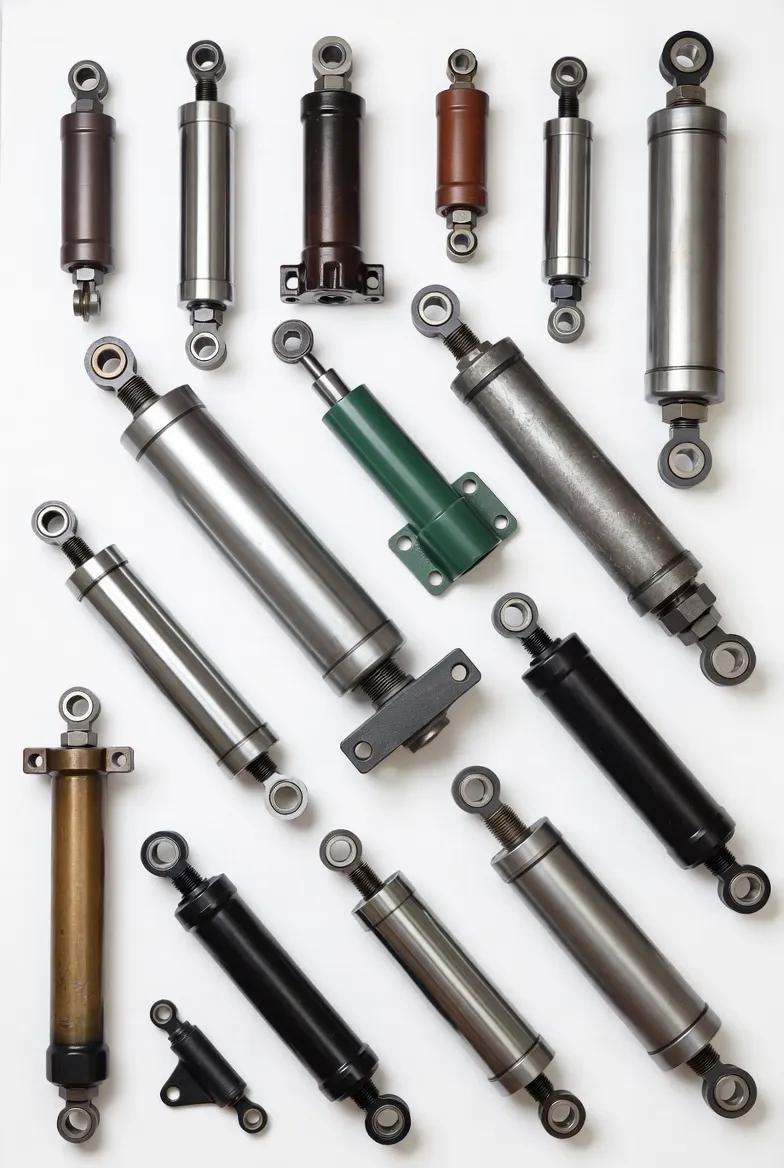
Adjusting and Tuning the Cushioning Profile
For a hydraulic cylinder deceleration system to function flawlessly, it must be perfectly calibrated to the specific mass and velocity of the payload it is moving. An improperly adjusted cushion is almost as destructive as having no cushion at all.
Most high performance industrial cylinders feature adjustable cushions. The adjustment mechanism is a small, threaded needle valve located on the exterior of the cylinder head or base cap, often secured with a locking nut to prevent vibration from altering the setting. Maintenance engineers must actively tune this valve during machine commissioning. If the needle valve is opened too far, the fluid escapes the trap with zero resistance; the piston will blow right through the cushion zone and violently slam into the end cap, resulting in severe mechanical shock. Conversely, if the needle valve is closed too tightly, the fluid restriction becomes incredibly severe. The piston will hit the trapped fluid and bounce backward, creating a harsh, jerky deceleration that severely damages the payload and spikes the fluid temperature due to extreme friction.
- ✔️
The Precision Tuning Protocol: To correctly adjust the cushion, the technician must run the machine under its maximum normal operating payload and velocity. Start with the needle valve completely open. Gradually turn the valve inward clockwise in very small increments, observing the cylinder stroke. The objective is to find the exact sweet spot where the cylinder glides smoothly into the end cap with absolutely zero audible metallic impact and zero visible bounce or hesitation. Once this perfect deceleration profile is achieved, firmly tighten the locking nut.

When is a Cushion Not Required?
While highly beneficial, cushions add complexity and manufacturing cost to a fluid power actuator. They are not strictly necessary for every engineering application. Understanding when to omit them is part of efficient hydraulic circuit design.
If a hydraulic cylinder operates at exceptionally low velocities such as a slow moving industrial press platen the kinetic energy generated is negligible, and the piston can safely contact the end cap without causing damage. Furthermore, if the machine utilizes external mechanical hard stops to physically halt the payload before the cylinder reaches the end of its geometric stroke, an internal cushion is entirely redundant and unnecessary. Finally, in advanced modern systems utilizing electro hydraulic proportional control valves, the computer brain PLC can electronically decelerate the fluid flow as the cylinder approaches the end of stroke, essentially mimicking the function of a mechanical cushion through software logic.

Conclusion: The Ultimate Mechanical Shock Absorber
Understanding what is the purpose of a cushion in a hydraulic cylinder is the fundamental bedrock of designing and maintaining safe, highly durable industrial machinery. A cushion is a masterpiece of fluid dynamics, elegantly utilizing the hydraulic oil itself to safely bleed off massive kinetic energy. By trapping fluid, restricting flow through precision needle valves, and enabling rapid acceleration via free reverse check valves, hydraulic cushions prevent devastating end of stroke impacts. Specifying cushioned actuators guarantees the elimination of concussive noise pollution, preserves the structural integrity of the equipment chassis, protects the delicate high pressure elastomeric seals, and ensures the world’s most powerful automated equipment performs with absolute, unyielding, and flawlessly smooth reliability.