
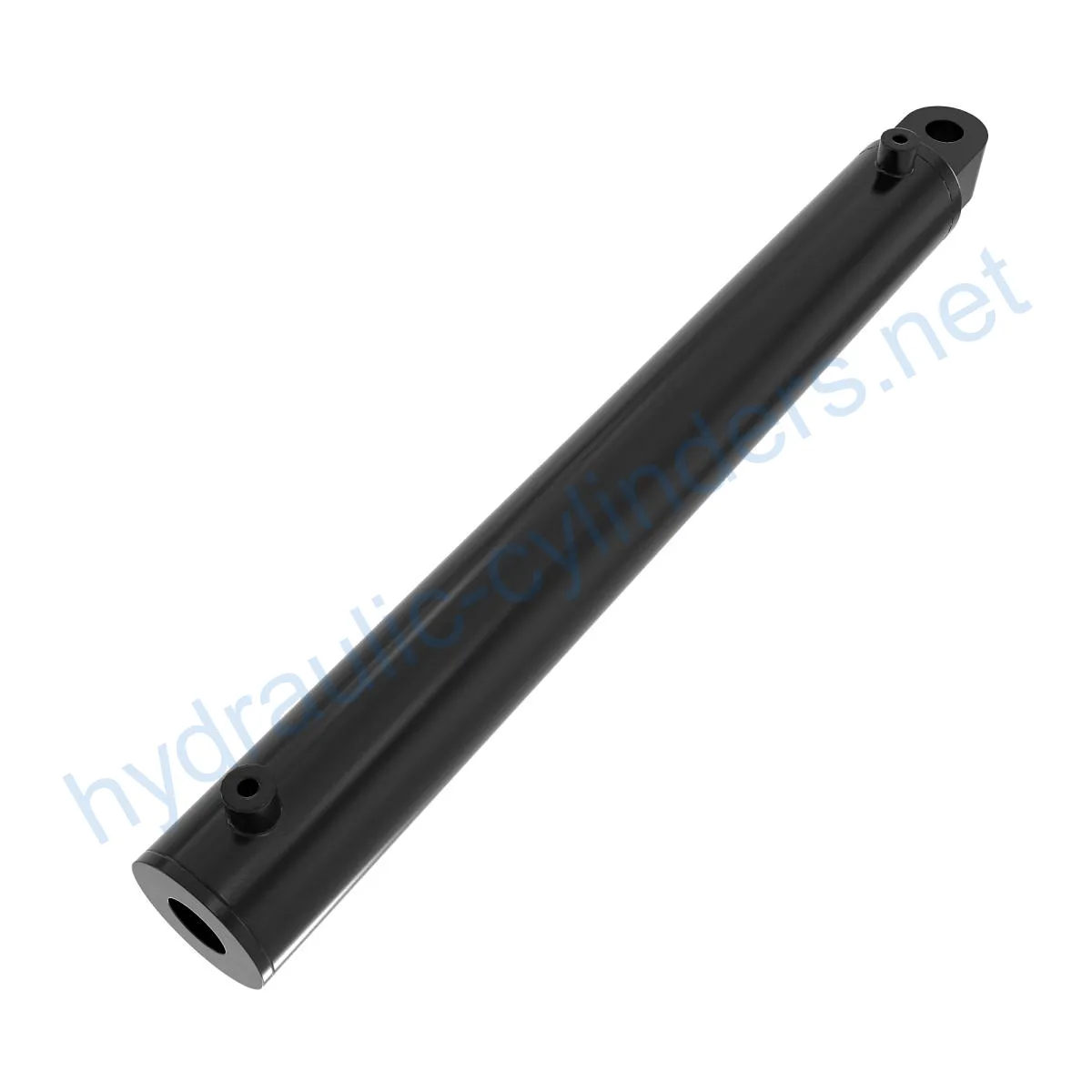
Byte av AN209614 hydraulcylinder för yttre vinge
Som en av tillverkarna, leverantörerna och exportörerna av mekaniska produkter erbjuder vi hydraulcylindrar och många andra produkter.
Vänligen kontakta oss för mer information.
E-post:sales@hydraulic-cylinders.net
Tillverkare, leverantör och exportör av hydraulcylindrar.
Replacement Of AN209614 Outer Wing Fold Hydraulic Cylinder
Produktintroduktion
The Replacement Of AN209614 Outer Wing Fold Hydraulic Cylinder is a hydraulic cylinder used for the outer wing fold mechanism. It plays a crucial role in extending and retracting the wing during the folding process of the aircraft. With a weight of 31.89 lb, height of 3 in, width of 4 in, and length of 31 in, this hydraulic cylinder is designed to meet the specific requirements of the aircraft models 4920, 4930, and 4940.
Specifikationer och modellkompatibilitet
Specifikationer:
- Weight: 31.89 lb
- Höjd: 7,5 cm
- Bredd: 10 cm
- Längd: 76 cm
Compatible Models: 4920, 4930, 4940
Produktegenskaper
- Improved Equipment Performance: Replacing damaged or worn hydraulic cylinders restores the normal operational capability of the equipment, ensuring its performance in various applications.
- Ökad säkerhet: Regelbundet byte av hydraulcylindrar minskar säkerhetsrisker orsakade av cylinderfel, vilket säkerställer förarens och utrustningens säkerhet.
- Överbelastningsskydd: Nya cylinderkonstruktioner har ofta bättre överbelastningsskyddsmekanismer, vilket förbättrar säkerheten.
- Snabb installation: Moderna hydraulcylindrar är konstruerade med tanke på enkel installation och utbyte, vilket minimerar driftstopp.
- Standardiserade komponenter: Många hydraulcylindrar är standardiserade produkter, vilket gör det enklare att få tag på reservdelar på marknaden.
Produktapplikation
Examples of application scenarios:
- Excavators: The hydraulic cylinders in the excavator’s boom or bucket may get damaged due to prolonged use or overload, requiring replacement to restore normal operation.
- Cranes: The hydraulic cylinders in a crane’s boom are prone to wear and tear during frequent lifting and lowering processes, necessitating regular replacement for safety purposes.
- Tractors: The hydraulic cylinders in the front-end loader of a tractor may experience leaks or performance decline during continuous lifting and tilting operations, requiring replacement.
- Harvesters: The hydraulic system of a harvester operates under high pressure during harvesting, and fatigue can cause cylinder damage, requiring timely replacement to maintain work efficiency.
- Automated Production Lines: Hydraulic cylinders are used to control robotic arms and other automated equipment. Cylinder failure can impact production efficiency and needs to be replaced immediately.
Underhållsuppgifter
Vanliga underhållsuppgifter inkluderar:
- Regular Inspections: Perform routine inspections to identify any signs of wear, leaks, or damage to the hydraulic cylinder.
- Proper Lubrication: Apply appropriate lubrication to ensure smooth operation and prevent excessive friction.
- Seal Replacement: Replace seals as needed to maintain proper sealing and prevent leaks.
- Calibration Checks: Periodically check and calibrate the hydraulic cylinder to ensure accurate operation.
Säkerhetsaspekter och miljöfaktorer
When working with hydraulic cylinders, it is important to follow safety measures to prevent accidents. Proper use of safety equipment, such as gloves and protective eyewear, is crucial. Additionally, considering environmental factors, such as temperature and humidity, can help optimize the performance and longevity of the hydraulic cylinder.
Felsökning och vanliga problem
Common issues and troubleshooting:
- Leakage: If the hydraulic cylinder is leaking, check for damaged seals or fittings and replace them accordingly.
- Insufficient Power: If the cylinder fails to provide sufficient power, inspect the hydraulic fluid levels and ensure no blockages or restrictions in the system.
- Inconsistent Operation: If the cylinder operates inconsistently, check for obstructions, damaged components, or improper alignment.
- Noise or Vibration: Unusual noise or vibration may indicate a misalignment or worn-out parts. Inspect and replace as necessary.
Förebyggande åtgärder
För att minimera potentiella problem, överväg följande förebyggande åtgärder:
- Regular Maintenance: Implement a scheduled maintenance routine, including inspections, lubrication, and seal replacements.
- Proper Installation: Ensure correct alignment and guidance during the cylinder installation process. Use appropriate installation supports to secure the cylinder in place.
- Recommended Inspection, Repair, and Replacement Procedures: Follow recommended procedures for inspecting, repairing, and replacing hydraulic cylinder components. Consider utilizing parts replacement and rebuilding services to ensure longevity.
- Tips for Extending Lifespan: Implement techniques, such as using quality seals and lubricants, to extend the lifespan of the hydraulic cylinder.
Designöverväganden och urvalskriterier
When selecting a hydraulic cylinder, important design considerations include:
- Load-Bearing Capacity: Choose a cylinder with the appropriate load-bearing capacity to ensure optimal performance.
- Sealing Capability: Consider the sealing capabilities of the cylinder to prevent leaks and maintain efficiency.
- Durability: Opt for a durable cylinder that can withstand the demands of the application and provide long-lasting performance.
- Safety: Prioritize cylinders with safety features that provide protection against overload or other potential hazards.
- Maintainability: Select cylinders that are easily maintainable, with readily available replacement parts and accessible repair procedures.
Tätning och smörjning
Proper sealing and lubrication are essential for the hydraulic cylinder’s performance and longevity. This includes using various seals, such as piston seals and rod seals, made of wear-resistant materials like polyurethane or nitrile rubber. The cylinder body and threaded end surfaces undergo precise treatment to enhance wear resistance. Regular lubrication with the appropriate amount of hydraulic oil is necessary to ensure smooth operation.
Regelbunden inspektion och förebyggande underhållsåtgärder
Important preventive maintenance measures include:
- Proper Installation: Provide guidance on aligning the cylinder correctly during installation and recommend the use of suitable installation supports to secure the cylinder in place.
- Recommended Inspection, Repair, and Replacement Procedures: Outline the recommended procedures for inspecting, repairing, and replacing hydraulic cylinder components. Offer replacement parts and rebuilding services to extend the lifespan of the product.
- Correct Product Installation Guide: Provide a comprehensive installation guide to ensure the hydraulic cylinder is installed correctly and performs optimally.
Säkerhetsaspekter och miljöfaktorer
When working with hydraulic cylinders, it is important to follow safety measures to prevent accidents. Proper use of safety equipment, such as gloves and protective eyewear, is crucial. Additionally, considering environmental factors, such as temperature and humidity, can help optimize the performance and longevity of the hydraulic cylinder.
Felsökning och vanliga problem
Common issues and troubleshooting:
- Leakage: If the hydraulic cylinder is leaking, check for damaged seals or fittings and replace them accordingly.
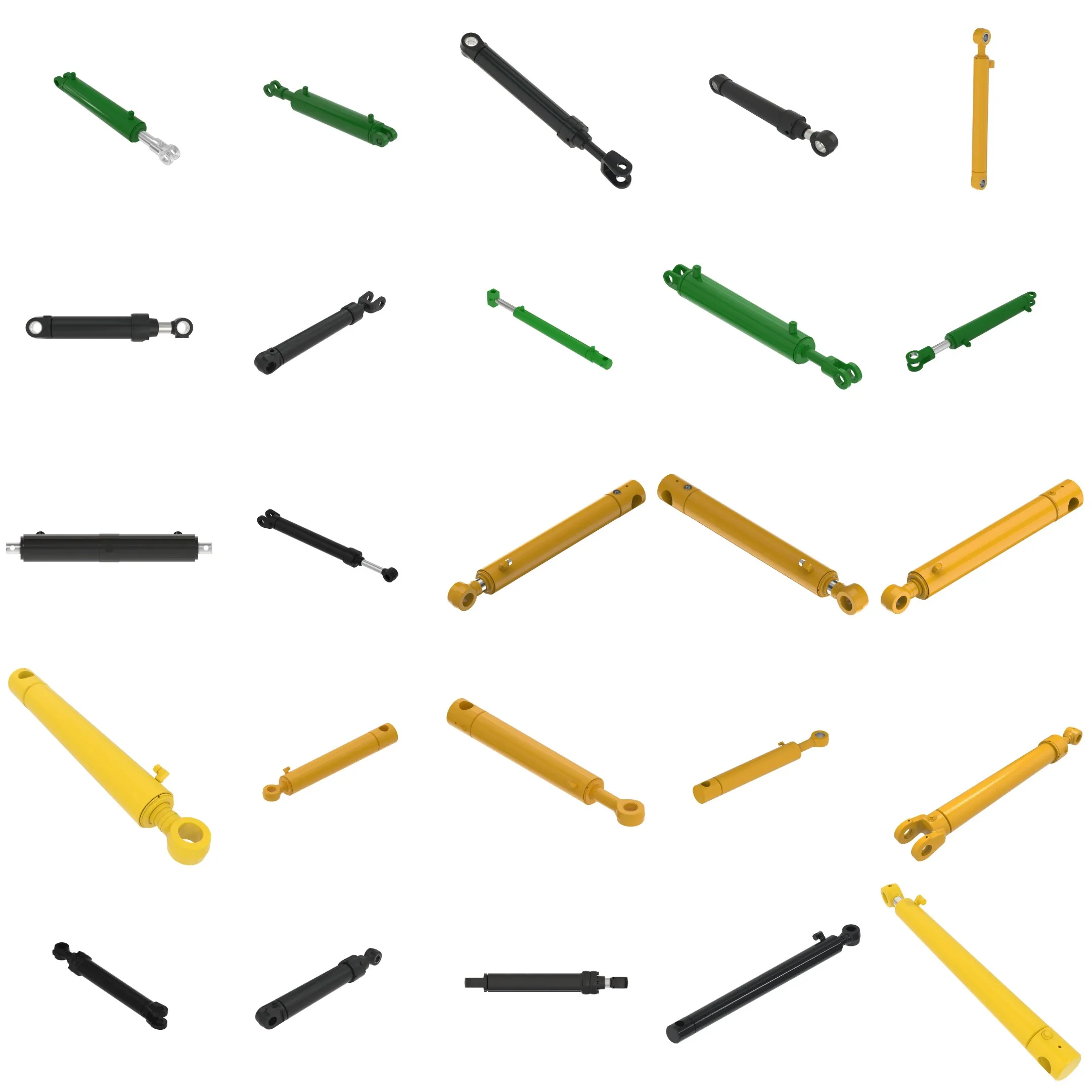
Hydraulcylinderapplikation:

 SV
SV  EN
EN  PT
PT  ES
ES  DE
DE  FR
FR  IT
IT  AR
AR  ZH
ZH  RU
RU  KO
KO  KA
KA  BG
BG  CS
CS  DA
DA  EL
EL  ET
ET  FI
FI  HU
HU  ID
ID  LT
LT  LV
LV  NB
NB  NL
NL  PL
PL  RO
RO  SK
SK  SL
SL  TR
TR  UK
UK