
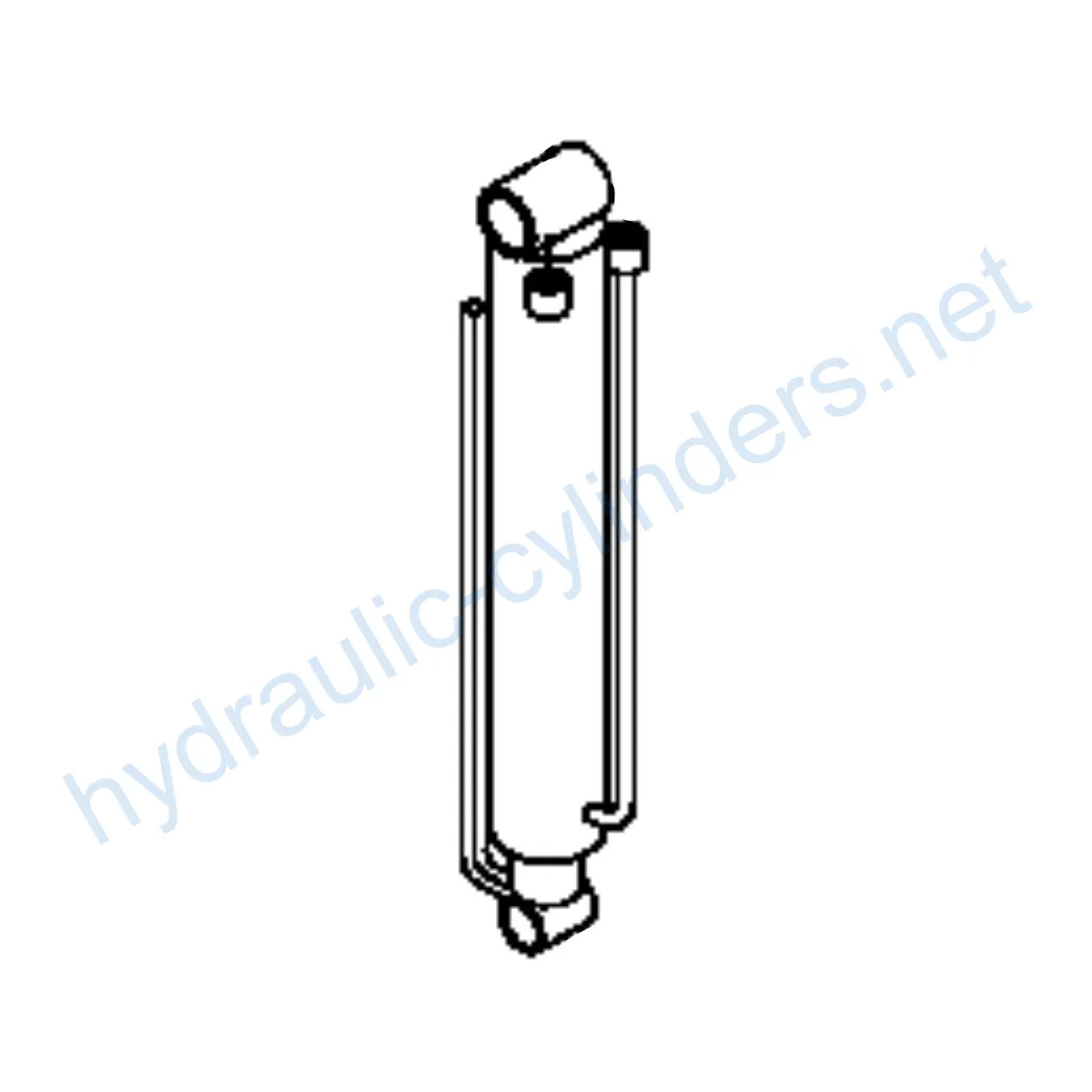
Replacement Of KV17590 Hydraulic Depth Cylinder
Replacement Of KV17590 Hydraulic Depth Cylinder
Produktdefinition
The Replacement Of KV17590 Hydraulic Depth Cylinder is a hydraulic cylinder designed to replace the original cylinder in various models of equipment. It plays a crucial role in maintaining the proper functioning of the equipment.
Specifikationer och modeller
Weight: 11.61 lb
Höjd: 6,6 cm
Width: 3.8 in
Length: 23.8 in
Kompatibla modeller:
- 36
- 48
- BA72
- BA84
- BP72
- BP84
- CA15
- LP72
- LP78
- LP84
- PA15
- PA15B
- PA30
- PA30B
- PR60
- PR72B
- PR72S
- PR84B
- PR96B
- RL66
- RL84
- RT55
- RT73
- TR36B
- TR48B
- TR60B
Produktegenskaper
- Förbättrad utrustningsprestanda: Att byta ut skadade eller slitna hydraulcylindrar kan återställa utrustningens normala driftskapacitet och säkerställa optimal prestanda i olika tillämpningar.
- Ökad säkerhet: Regelbundet byte av hydraulcylindrar minskar säkerhetsrisker orsakade av cylinderfel, vilket säkerställer förarens och utrustningens säkerhet.
- Överbelastningsskydd: Nya cylinderkonstruktioner har ofta bättre överbelastningsskyddsmekanismer, vilket förbättrar säkerheten under drift.
- Snabb installation: Moderna hydraulcylindrar är konstruerade för enkel installation och utbyte, vilket minimerar driftstopp.
- Standardiserade komponenter: Många hydraulcylindrar är standardiserade produkter, vilket gör det enklare att få tag på reservdelar på marknaden.
Applikationer
1. Grävmaskiner:
I grävmaskiner kan hydraulcylindrarna i bommen eller skopan skadas på grund av långvarig användning eller överbelastning, vilket kräver utbyte för att återställa normal drift.
2. Kranar:
The hydraulic cylinders in crane boom arms are prone to wear and tear during frequent lifting and lowering, requiring regular replacement to ensure safety.
3. Traktorer:
The hydraulic cylinders in front-end loaders of tractors may develop leaks or performance issues due to continuous lifting and tilting operations, necessitating replacement.
4. Skördare:
During the harvesting process, the hydraulic system experiences high pressure, and cylinders may get damaged due to fatigue. Timely replacement is necessary to maintain efficiency.
5. Automatiserade produktionslinjer:
Hydraulcylindrar används för att styra robotarmar och annan automatiserad utrustning. Cylinderfel kan påverka produktionseffektiviteten avsevärt och bör bytas ut omedelbart.
6. Pressgjutningsmaskiner:
I miljöer med högt tryck och höga temperaturer kan hydraulcylindrar i pressgjutningsmaskiner uppleva försämrad prestanda. Regelbunden byte säkerställer produktkvaliteten.
7. Gruvutrustning:
Hydraulcylindrar används för att lyfta och flytta tunga laster i gruvutrustning. På grund av tuffa arbetsförhållanden är regelbunden inspektion och utbyte nödvändiga för att undvika utrustningsfel.
8. Bulldozrar:
On bulldozer blade arms, worn hydraulic cylinders can lead to a decline in pushing capacity. Timely replacement is essential to maintain operational efficiency.
Underhållsuppgifter
Regular maintenance tasks for the Replacement Of KV17590 Hydraulic Depth Cylinder include:
- Regelbundna inspektioner
- Korrekt smörjning
- Byte av tätning
- Kalibreringskontroller
Säkerhetsaspekter och miljöfaktorer
When using the Replacement Of KV17590 Hydraulic Depth Cylinder, it is important to follow safety measures to prevent accidents. This includes using appropriate personal protective equipment and adhering to proper operating procedures. Environmental factors such as temperature and cleanliness should also be considered to ensure optimal performance.
Felsökning och vanliga problem
Some common issues that may arise with the Replacement Of KV17590 Hydraulic Depth Cylinder include:
- Läckage
- Slow or Incomplete Operation
- Överdrivet buller
- Irregular Movement
To address these issues, follow these troubleshooting tips:
- Check for loose connections and tighten if necessary.
- Inspect seals for wear or damage and replace if needed.
- Säkerställ korrekt smörjning av rörliga delar.
- If issues persist, consult the manufacturer or seek professional assistance.

Designöverväganden och urvalskriterier
When selecting the Replacement Of KV17590 Hydraulic Depth Cylinder, several design considerations and selection criteria should be taken into account:
- Bärförmåga
- Tätningsprestanda
- Varaktighet
- Säkerhetsfunktioner
- Underhållbarhet
Tätning och smörjning
The Replacement Of KV17590 Hydraulic Depth Cylinder utilizes various sealing components, such as piston seals and rod seals, made from wear-resistant materials like polyurethane and nitrile rubber. The cylinder body and threaded end surfaces undergo fine processing to enhance wear resistance. Regular lubrication with the appropriate amount of hydraulic oil is necessary for proper functioning.
Regelbunden inspektion och förebyggande underhåll
To ensure optimal performance and extend the lifespan of the Replacement Of KV17590 Hydraulic Depth Cylinder, the following preventive measures should be implemented:
- Korrekt installation, smörjning och justering
- Provide guidance on aligning the cylinder correctly during installation
- Recommend the use of suitable mounting brackets to secure the cylinder
- Suggest inspection, repair, and replacement procedures
- Erbjuder reservdelar och ombyggnadstjänster
- Provide tips to enhance the longevity of the cylinder
Produktinstallationsguide
Proper installation of the Replacement Of KV17590 Hydraulic Depth Cylinder is crucial for its optimal functioning. Follow these guidelines:
- Ensure the equipment is powered off and properly supported.
- Remove the old cylinder carefully, noting its orientation.
- Clean the mounting surfaces and apply a suitable sealant, if required.
- Align the new cylinder with the mounting holes and slowly thread in the bolts.
- Tighten the bolts gradually, alternating between them to ensure even pressure.



 SV
SV  EN
EN  PT
PT  ES
ES  DE
DE  FR
FR  IT
IT  AR
AR  ZH
ZH  RU
RU  KO
KO  KA
KA  BG
BG  CS
CS  DA
DA  EL
EL  ET
ET  FI
FI  HU
HU  ID
ID  LT
LT  LV
LV  NB
NB  NL
NL  PL
PL  RO
RO  SK
SK  SL
SL  TR
TR  UK
UK