
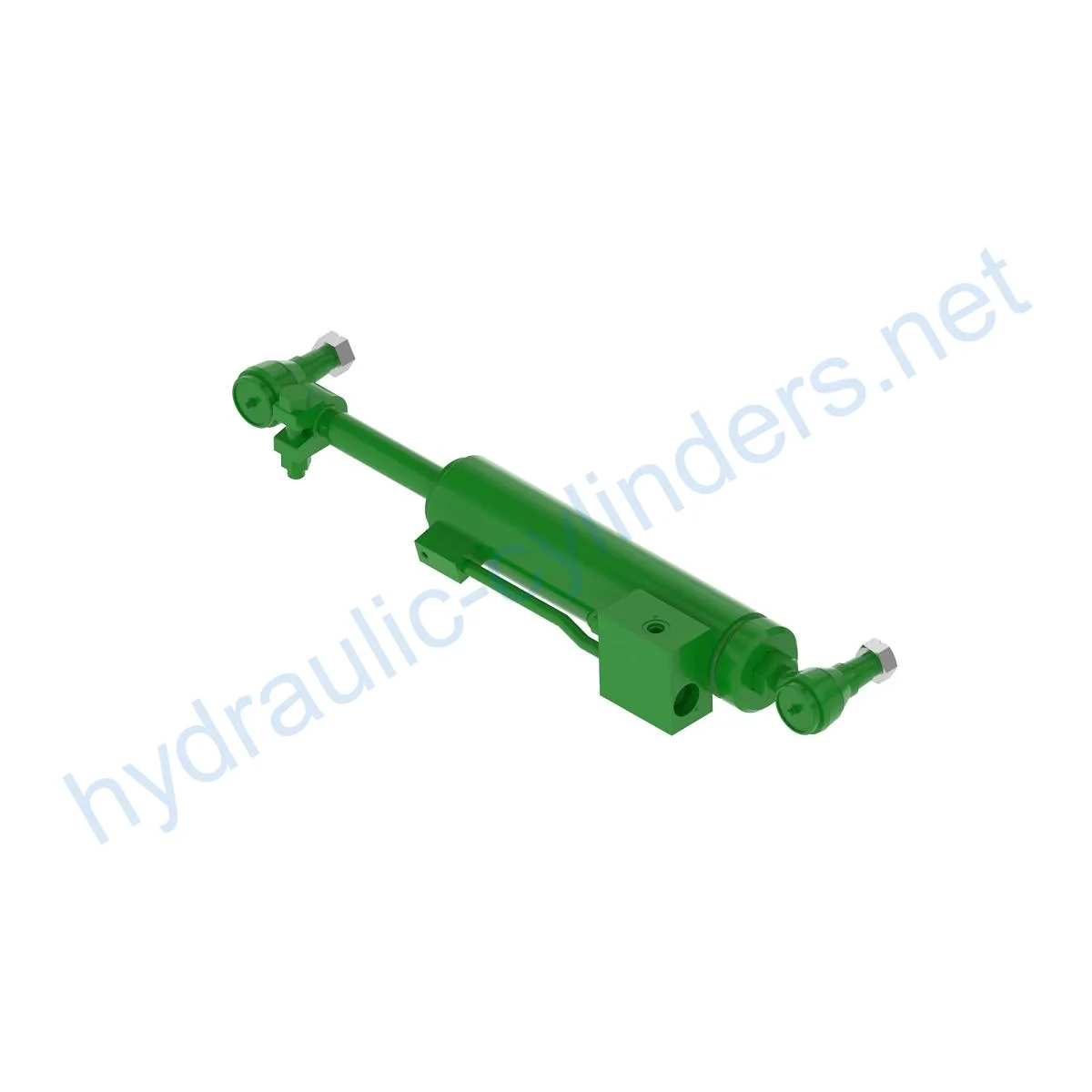
Replacement Of AN302049 Steering Hydraulic Cylinder, LH
Replacement Of AN302049 Steering Hydraulic Cylinder, LH
giriiş
The Replacement Of AN302049 Steering Hydraulic Cylinder, LH is a hydraulic cylinder designed to replace the original cylinder in compatible machinery models 4920 and 4930. It is a crucial component that plays a key role in the steering system of these machines, allowing for precise control and maneuverability.
Özellikler
- Weight: 34.04 lb
- Yükseklik: 4 inç
- Genişlik: 7 inç
- Length: 23.75 in
Özellikler
- Gelişmiş Ekipman Performansı: Hasarlı veya aşınmış hidrolik silindirlerin değiştirilmesi, ekipmanın normal çalışma kabiliyetini geri kazandırarak çeşitli uygulamalarda performansını garanti altına alabilir.
- Gelişmiş Güvenlik: Hidrolik silindirlerin düzenli olarak değiştirilmesi, silindir arızalarından kaynaklanan güvenlik tehlikelerini azaltabilir ve operatörlerin ve ekipmanın güvenliğini sağlar.
- Aşırı Yük Koruması: Yeni silindir tasarımları genellikle daha iyi aşırı yük koruma mekanizmaları içerir ve bu da güvenliği artırır.
- Hızlı Kurulum: Modern hidrolik silindirler, kolay kurulum ve değiştirme için tasarlanmıştır ve bu sayede duruş süresi en aza indirilir.
- Standartlaştırılmış Bileşenler: Birçok hidrolik silindir standartlaştırılmış ürünlerdir ve bu sayede piyasada yedek parça bulmak kolaydır.
Uygulamalar
- Ekskavatörler: Ekskavatör kollarındaki veya kovalarındaki hidrolik silindirler, uzun süreli kullanım veya aşırı yüklenme nedeniyle hasar görebilir ve normal çalışmayı sağlamak için değiştirilmesi gerekebilir.
- Cranes: Hydraulic cylinders in crane boom arms are susceptible to wear and tear from frequent lifting and lowering, necessitating regular replacement for safety.
- Traktörler: Traktörlerin ön yükleyici ataşmanlarındaki hidrolik silindirler, sürekli kaldırma ve devirme işlemleri sırasında sızıntı yapabilir veya performans düşüşü yaşayabilir ve değiştirilmesi gerekebilir.
- Harvesters: The hydraulic system endures high pressure during the harvesting process, and cylinders may get damaged due to fatigue, requiring timely replacement to maintain efficiency.
- Otomatik Üretim Hatları: Hidrolik silindirler, robotik kolları ve diğer otomatik ekipmanları kontrol etmek için kullanılır. Silindir arızaları üretim verimliliğini önemli ölçüde etkileyebilir ve derhal değiştirilmelidir.
- Die Casting Machines: Hydraulic cylinders in die casting machines may experience decreased performance under high pressure and temperature environments. Regular replacement ensures product quality.
- Madencilik Ekipmanları: Hidrolik silindirler, madencilik ekipmanlarında ağır yükleri kaldırmak ve taşımak için kullanılır. Zorlu çalışma koşulları nedeniyle, ekipman arızalarını önlemek için düzenli kontrol ve değişim gereklidir.
- Bulldozers: Wear of hydraulic cylinders in bulldozer blades can lead to a decrease in pushing power, requiring timely replacement to maintain operational efficiency.
Bakım Görevleri
- Regular Inspection: Perform routine checks to identify any signs of wear or damage in the hydraulic cylinder.
- Proper Lubrication: Ensure appropriate lubrication of the cylinder to reduce friction and prolong its lifespan.
- Seal Replacement and Calibration Checks: Regularly replace worn seals and perform calibration checks to maintain optimal performance.
Güvenlik Hususları ve Çevresel Faktörler
When using hydraulic cylinders, it is important to follow safety measures to prevent accidents and ensure the well-being of operators and equipment. Proper handling and maintenance of cylinders can also minimize environmental impact.
Sorun Giderme ve Yaygın Sorunlar
- Loss of Hydraulic Pressure: If the cylinder fails to exert sufficient force, it may indicate a loss of hydraulic pressure. Check for leaks or blockages in the hydraulic system.
- Slow or Jerky Cylinder Movement: This issue can be caused by insufficient lubrication or worn seals. Ensure proper lubrication and replace worn seals as needed.
- Excessive Noise or Vibration: Unusual noise or vibration during cylinder operation may indicate a mechanical problem. Inspect the cylinder for misalignment or damaged components.
- Leaking Fluid: Fluid leaks can result from damaged seals or connections. Identify the source of the leak and replace the faulty parts.
Önleyici Tedbirler ve Sorun Giderme İpuçları
To effectively diagnose and solve problems related to hydraulic cylinders, consider the following tips:
- Regularly inspect and maintain the hydraulic cylinder to identify potential issues before they escalate.
- Follow recommended installation, lubrication, and adjustment procedures to ensure proper functioning.
- Provide guidance on aligning the cylinder correctly during installation and recommend the use of appropriate installation brackets for stability.
- Offer inspection, repair, and replacement services to prolong the lifespan of the hydraulic cylinder.
- Share techniques to improve the durability of the cylinder and maximize its usage.
Tasarım Hususları ve Seçim Kriterleri
When choosing a hydraulic cylinder, various factors should be considered, such as load-bearing capacity, sealing capabilities, durability, safety features, and ease of maintenance. Each aspect plays a crucial role in ensuring optimal performance and longevity.
Sızdırmazlık ve Yağlama
Hydraulic cylinders are equipped with various seals, such as piston seals and rod seals, made from wear-resistant materials like polyurethane and nitrile rubber. The cylinder body and threaded ends undergo precise surface treatments to enhance wear resistance. Regular lubrication with the appropriate hydraulic oil is essential for smooth operation and longevity.
Düzenli Muayene ve Önleyici Bakım
- Proper installation, lubrication, and adjustment are vital for the optimal performance of hydraulic cylinders.
- During installation, provide guidance on aligning the cylinder correctly and recommend the use of suitable installation brackets to secure the cylinder.
- Recommend inspection, repair, and replacement procedures to ensure the longevity of the hydraulic cylinder.
- Offer tips and techniques to increase the lifespan of the cylinder and minimize potential issues.
Kurulum Kılavuzu
Follow these steps for a correct installation of the Replacement Of AN302049 Steering Hydraulic Cylinder, LH:
- Montaj alanını hazırlayın ve temiz ve kalıntılardan arındırılmış olduğundan emin olun.
- Align the cylinder with the mounting holes and attach it securely using appropriate bolts and fasteners.
- Ensure the cylinder is properly aligned and positioned for optimal performance.
- Connect the hydraulic hoses or lines to the cylinder, following the manufacturer’s guidelines for proper connections.
- Test the cylinder for proper operation and make any necessary adjustments.



 TR
TR  EN
EN  PT
PT  ES
ES  DE
DE  FR
FR  IT
IT  AR
AR  ZH
ZH  RU
RU  KO
KO  KA
KA  BG
BG  CS
CS  DA
DA  EL
EL  ET
ET  FI
FI  HU
HU  ID
ID  LT
LT  LV
LV  NB
NB  NL
NL  PL
PL  RO
RO  SK
SK  SL
SL  SV
SV  UK
UK