
Marine Fluid Power Engineering
Steering Gear Cylinders: Precision Control in Maritime Navigation
An authoritative engineering analysis of electro-hydraulic steering systems, rudder actuator fluid dynamics, and extreme environment durability in modern ocean-going vessels.

The Beating Heart of Vessel Maneuverability
The global maritime industry is responsible for transporting over ninety percent of the world trade cargo. From colossal ultra large crude carriers to nimble offshore support vessels, the ability to navigate safely through congested straits and violent ocean storms is an absolute operational imperative. The physical execution of this navigation relies entirely on the marine steering gear system. At the very core of this critical shipboard machinery are the steering gear cylinders. These highly specialized, heavy duty hydraulic actuators convert fluid power into the immense mechanical torque required to pivot massive steel rudders against the relentless hydrodynamic forces of the ocean.
A failure in a marine steering system is not merely an inconvenience; it constitutes a catastrophic emergency that can lead to vessel grounding, collision, or devastating environmental disasters. Because of these profound stakes, the engineering behind steering gear cylinders is regulated by the most stringent international maritime laws. These fluid power devices must execute precise rudder angle adjustments twenty four hours a day, month after month, while operating in the highly corrosive, high humidity environment of a ship steering gear compartment.
Understanding the fluid dynamics, redundant mechanical architectures, and advanced metallurgical properties of marine hydraulic actuators is essential for naval architects, marine engineers, and fleet technical superintendents. This comprehensive engineering guide delves deep into the operational imperatives, extreme environmental durability, and intelligent predictive maintenance strategies defining modern electro-hydraulic steering gear systems.
Mechanical Architecture of Electro-Hydraulic Steering
The operation of a marine steering actuator involves transforming immense hydraulic pressure into rotational torque at the rudder stock. This requires a sophisticated interplay of heavy duty components designed for absolute reliability.
The Ram Type Mechanism
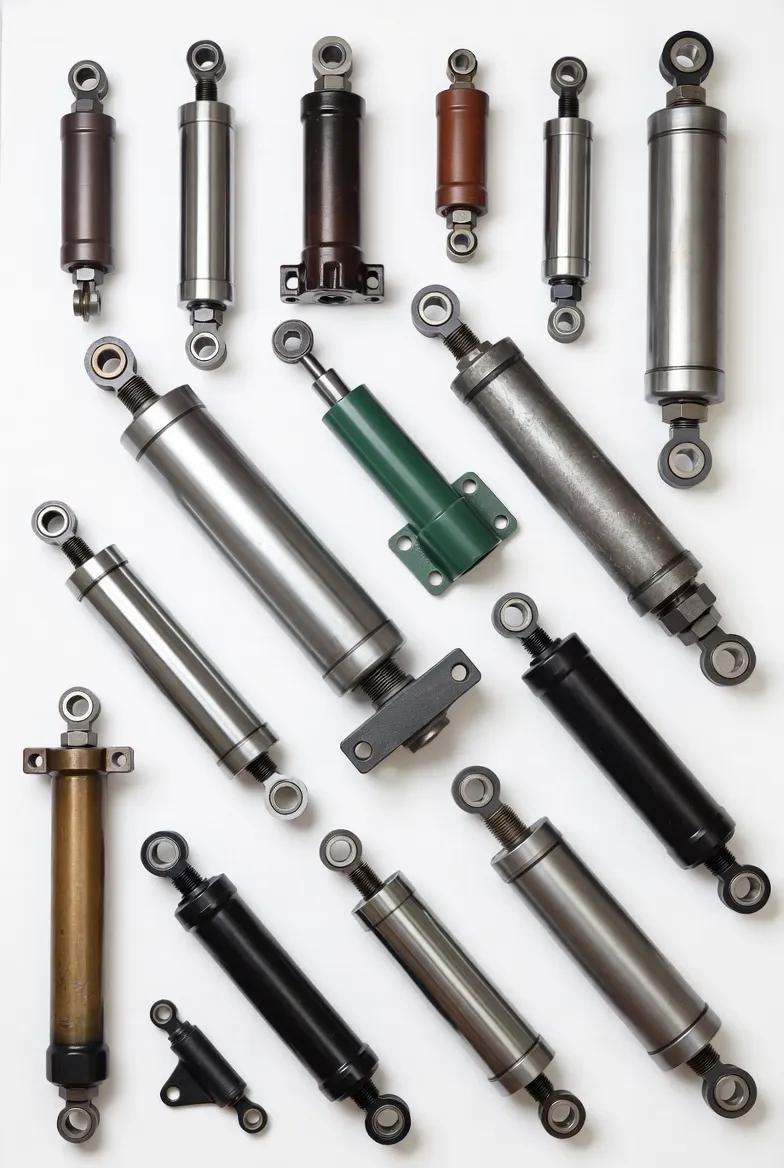
The most common configuration for commercial shipping is the ram type steering gear. This system typically employs two or four opposing hydraulic cylinders mounted on the deck. The piston rods, or rams, are mechanically linked to a central tiller arm that is keyed to the rudder stock. As high pressure fluid is pumped into one cylinder, it extends, pushing the tiller, while the opposing cylinder retracts. This opposing force generates massive, smooth rotational torque, allowing the ship to execute tight maneuvers.
Dynamic Rapson Slide Principle
Many advanced four ram systems utilize the Rapson slide mechanical principle. As the rudder angle increases, the hydrodynamic resistance from the water passing under the hull also increases dramatically. The Rapson slide geometry naturally increases the mechanical advantage and torque output of the steering cylinders as the rudder moves further from the center line. This brilliant engineering synergy ensures that the hydraulic system does not stall during hardover maneuvers.

Surviving the Extreme Marine Environment
A ship steering gear flat is an environment that tests the absolute limits of mechanical components. While technically enclosed within the hull, the compartment is subject to intense vibration from the main propulsion engine, extreme temperature fluctuations depending on the global voyage route, and an atmosphere constantly laden with corrosive salt moisture. If standard industrial hydraulic cylinders were installed in this environment, they would succumb to severe galvanic corrosion and seal failure within months.
To guarantee the twenty five year design life expected of commercial vessels, rudder actuator cylinders are manufactured using cutting edge material science. The integrity of the fluid power system is entirely dependent on its ability to repel atmospheric contamination while maintaining immense internal hydraulic pressures, often exceeding two hundred and fifty bar.

Advanced Metallurgy and Seal Architecture
The piston rods of marine steering cylinders undergo highly specialized surface treatments. Standard chrome plating is highly vulnerable to micro cracking in salty environments. Leading fluid power engineers utilize advanced laser clad nickel alloys, ceramic coatings, or specialized duplex stainless steels. These treatments create an impenetrable, corrosion proof barrier. Furthermore, the sealing system must be heavily reinforced. Proprietary energized PTFE sealing profiles paired with heavy duty double lip wiper seals ensure zero leakage performance. This is critical not only for maintaining steering pressure but also for complying with stringent environmental regulations that prohibit oil leaks into the ocean.
Redundancy and Regulatory Safety Mechanisms
From an authoritative EEAT engineering perspective, vessel safety is governed by the International Maritime Organization. The Safety of Life at Sea convention mandates absolute redundancy in shipboard steering systems to prevent total loss of control during a single point failure.
Split System Architecture
Modern large vessels utilize a four ram steering gear setup. Under normal operations, all four hydraulic cylinders work together. However, if a high pressure hose bursts or a seal catastrophically fails, the system automatically isolates the leaking hydraulic circuit. Utilizing specialized solenoid valves, the system splits, allowing the vessel to maintain emergency steering capacity using the two remaining healthy cylinders. This mechanical failsafe is thoroughly tested by classification societies.
Shock Valves and Overpressure Protection
Ocean waves can strike the rudder with unimaginable force, sending violent hydraulic shockwaves back through the cylinders. To protect the pump and pipework from bursting, steering gear cylinders are equipped with sophisticated shock relief valves. When an external wave impacts the rudder, these valves instantly open to absorb the pressure spike, allowing the rudder to yield slightly before the hydraulic pumps smoothly return it to the commanded course.
Maintenance Strategies for Maximizing Vessel Uptime
The financial viability of a shipping company relies heavily on maintaining vessel schedules. Performing major hydraulic repairs while a ship is at sea is incredibly dangerous and often impossible. Therefore, executing stringent preventative maintenance on steering gear fluid power systems is an absolute necessity for marine engineers.
- ✔️
Rigorous Fluid Contamination Control: Marine hydraulic systems are highly sensitive to particulate and water contamination. The constant temperature changes in a ship hull generate condensation, introducing water into the fluid reservoir. This degrades fluid lubricity and promotes internal rust. Utilizing high efficiency filtration systems and conducting routine tribology analysis is critical to eliminate contaminants before internal scoring of the cylinder barrel occurs. Additionally, many vessels are now shifting to Environmentally Acceptable Lubricants to comply with VGP regulations.
- ✔️
Visual Gland Inspections: The ship engineering crew must perform rigorous daily visual checks of the cylinder rods. Any weeping fluid around the gland nut is an early warning sign of primary seal degradation. Addressing these micro leaks during port stays prevents massive hydraulic oil spills during ocean transit, ensuring environmental compliance and continuous vessel maneuverability.
- ✔️
Spherical Bearing Lubrication: The mounting trunnions of the steering cylinders use heavy duty spherical plain bearings to accommodate the massive articulation of the tiller arm. These bearings must be rigorously lubricated. If these joints run dry, the immense friction will place severe lateral bending stresses on the cylinder rod, leading to catastrophic structural failure of the entire actuator assembly.

The Digital Transition: Smart Hydraulics and Autonomous Shipping
The maritime industry is rapidly embracing digitalization, moving toward autonomous vessel operations. The marine steering gear cylinder is evolving from a passive mechanical component into a highly intelligent, sensor driven node integrated into shipboard digital twin systems.
Next generation electro hydraulic steering gears are being equipped with internally embedded linear position sensors and high resolution pressure transducers. These smart cylinders continuously feed real time telemetry directly to the vessel alarm monitoring system and ashore to fleet technical management. By analyzing the pressure decay curves over time, artificial intelligence algorithms can accurately predict internal seal wear, alerting engineers to replace degrading components during scheduled dry docking. This transition to predictive AI driven maintenance dramatically lowers operational costs and ensures absolute navigational safety across the global fleet.

Conclusion: Engineering the Future of Safe Navigation
Steering gear cylinders are the unsung foundation of operational safety and maneuverability in the commercial maritime industry. By seamlessly integrating advanced metallurgical corrosion resistance, uncompromising redundant fluid power mechanics, and cutting edge IoT smart technology, these heavy duty hydraulic actuators ensure that massive vessels navigate with maximum precision. For ship owners and marine engineering firms, investing in superior marine hydraulic fluid power systems is a foundational strategy for securing a highly reliable, legally compliant, and immensely profitable fleet operation across the global oceans.