


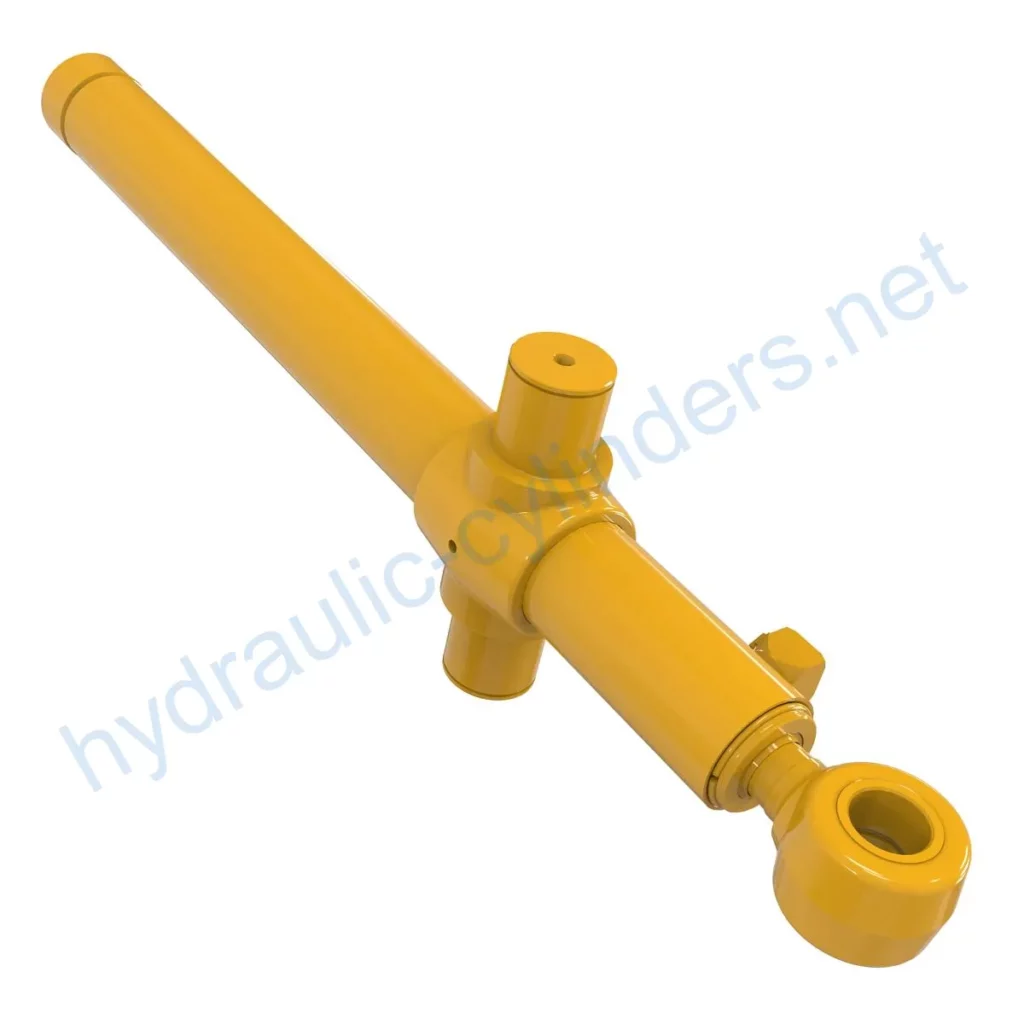
Replacement Of AHC23388 Hydraulic Cylinder Bucket
The Replacement Of AHC23388 Hydraulic Cylinder Bucket is a vital component in hydraulic systems. It is responsible for converting the pressure of hydraulic fluid into mechanical force, enabling the movement of various equipment and machinery. With a weight of 103.216 lb, height of 6.4 in, width of 11.5 in, and length of 46 in, this hydraulic cylinder is designed to meet the demanding requirements of heavy-duty applications.
规格型号
This hydraulic cylinder comes in various models to fit different equipment types. Its specifications include:
- Weight: 103.216 lb
- 高度:6.4 英寸
- Width: 11.5 in
- 长度:46 英寸
特征
This hydraulic cylinder offers several key features:
- 提高设备性能:更换损坏或磨损的液压缸可以恢复设备的正常运行,确保在各种应用中发挥最佳性能。
- 增强安全性:定期更换液压缸可以减少因缸体故障造成的安全隐患,确保操作人员和设备的安全。
- 过载保护:新型气缸设计通常包含更好的过载保护机制,从而提高整体安全性。
- 快速安装:现代液压缸设计便于安装和更换,最大限度地减少停机时间。
- 标准化组件:许多液压缸都是标准化产品,因此在市场上很容易获得替换零件。
We are capable of manufacturing and providing perfect replacements for these hydraulic cylinders, ensuring compatibility and reliable performance.
应用
The Replacement Of AHC23388 Hydraulic Cylinder Bucket finds its application in various industries and equipment:
- Excavators: Hydraulic cylinders in excavator arms or buckets may become damaged due to long-term usage or overload, requiring replacement to restore normal operation.
- Cranes: The hydraulic cylinders in crane boom arms are prone to wear during frequent lifting and lowering processes, necessitating regular replacement for safety.
- 拖拉机:拖拉机前端装载机液压缸在连续提升和倾斜作业过程中可能会出现泄漏或性能下降,需要更换。
- Harvesters: Hydraulic cylinders in harvesting equipment endure high pressures during operation, and fatigue can lead to cylinder damage, necessitating timely replacement to maintain efficiency.
- Automated Production Lines: Hydraulic cylinders are used to control robotic arms and other automated equipment. Cylinder failures can significantly impact production efficiency, hence immediate replacement is crucial.


维护任务
Regular maintenance is essential to ensure the longevity and reliability of hydraulic cylinders. Here are three common maintenance tasks:
- Periodic Inspection: Regularly inspect the hydraulic cylinder for any signs of damage, leaks, or abnormal wear. This ensures early detection of potential issues.
- Proper Lubrication: Apply the appropriate amount of hydraulic oil to ensure smooth operation and prevent excessive wear on moving parts.
- Seal Replacement and Calibration Check: Replace worn seals to maintain proper sealing and periodically check the calibration to ensure accurate performance.
During installation, it is crucial to provide proper guidance on aligning the cylinder correctly. Using suitable installation brackets can help secure the cylinder effectively. We recommend following recommended inspection, repair, and replacement procedures provided by the manufacturer and utilizing our replacement parts and rebuilding services to extend the lifespan of your hydraulic cylinder.
安全考虑和环境因素
When using hydraulic cylinders, safety measures must be prioritized. Proper training on handling the equipment, ensuring a safe working environment, and following recommended procedures are essential to prevent accidents. Additionally, considering environmental factors in hydraulic cylinder usage, such as avoiding fluid leaks and proper disposal, helps protect the environment.
故障诊断及常见问题
Here are some common fault diagnoses and issues related to hydraulic cylinders:
- Leakage: Hydraulic cylinder leaks can occur due to worn seals, damaged components, or excessive pressure. Promptly identifying and repairing leaks is crucial to ensure optimal performance.
- Slow or Incomplete Operation: This issue may arise from insufficient hydraulic fluid, air in the system, or worn-out components. Proper diagnosis and component replacement can resolve such problems.
- Excessive Noise or Vibrations: Excessive noise or vibrations may indicate misalignment, loose connections, or worn components. Identifying the root cause and taking necessary corrective measures is important.
- Loss of Power: Loss of power can result from inadequate hydraulic fluid, worn-out seals, or damaged components. Identifying and rectifying the cause ensures optimal performance.
Providing troubleshooting tips and solution methods can help readers effectively diagnose and resolve problems. It is essential to offer preventive measures to minimize potential issues and maximize the lifespan of the hydraulic cylinder.
设计考虑和选择标准
在选择液压缸时,应考虑以下几个设计因素和选择标准:
- Load-Bearing Capacity: Ensure the hydraulic cylinder can handle the maximum load it will encounter.
- Sealing Capability: Opt for hydraulic cylinders with quality sealing elements such as piston seals and rod seals made of wear-resistant materials like polyurethane or nitrile rubber.
- Durability: Cylinders with finely treated cylinder bodies and threaded ends offer improved wear resistance and durability.
- Safety: Consider the inclusion of safety features such as overload protection mechanisms to enhance safety during operation.
- Maintainability: Choose hydraulic cylinders that are designed for easy maintenance, allowing for efficient inspection, repair, and component replacement.
密封和润滑
Proper sealing and lubrication are crucial for the optimal performance of hydraulic cylinders. Key considerations include:
- Using various sealing components such as piston seals and rod seals made of materials such as polyurethane and nitrile rubber, known for their wear resistance.
- Implementing meticulous surface treatment on cylinder bodies and threaded ends to enhance wear resistance.
- Regularly adding an appropriate amount of hydraulic oil to ensure proper lubrication and reduce friction.
定期检查和预防性维护
To ensure the longevity and reliability of your hydraulic cylinder, regular inspection and preventive maintenance must be performed. Consider the following measures:
- Proper installation, lubrication, and adjustment are vital for optimal performance.
- 安装过程中,请提供正确对准气缸的指导。
- Recommend using suitable installation brackets to securely hold the cylinder in place.
- Suggest inspection, repair, and replacement procedures provided by the manufacturer.
-