
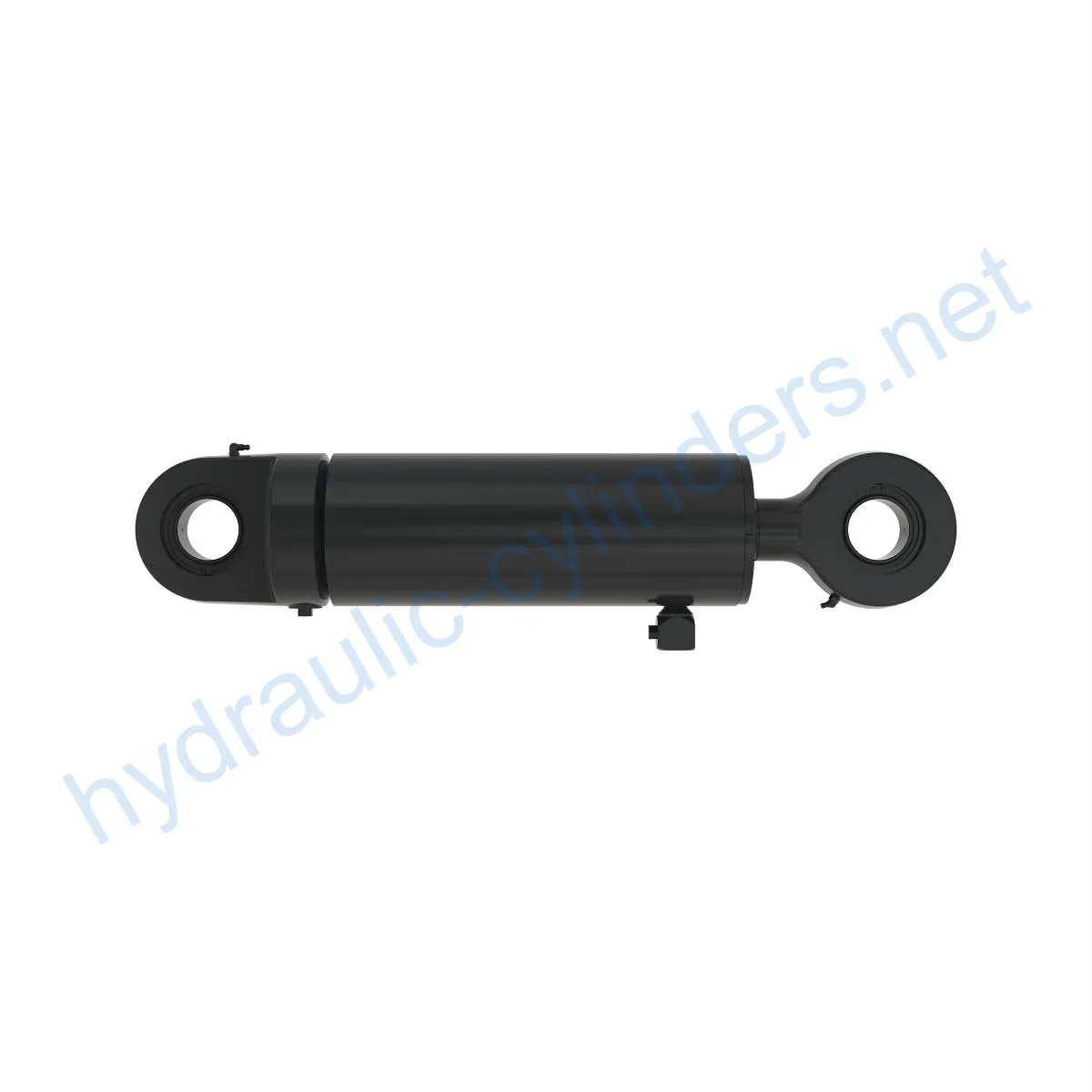
AHC15994液压缸的更换
Replacement Of AHC15994 Hydraulic Cylinder
Firstly, let’s introduce the product and its definition. The hydraulic cylinder is a mechanical actuator that is used to provide a unidirectional force through a unidirectional stroke. It plays a crucial role in various applications by converting hydraulic pressure into linear motion.
规格
- Weight: 173 lb
- 高度:7.5 英寸
- 宽度:8英寸
- Length: 37.5 in
兼容型号
- 1512E
- 1612DE
- 2010DE
- 2014DE
现在,让我们来了解一下这个液压缸的主要特点:
- Improved Equipment Performance: By replacing damaged or worn-out hydraulic cylinders, the normal operating capability of the equipment can be restored, ensuring its performance in various applications.
- 提高安全性:定期更换液压缸可以减少因液压缸故障造成的安全隐患,确保操作人员和设备的安全。
- 过载保护:新型气缸的设计通常会融入更好的过载保护机制,从而提高安全性。
- 快速安装:现代液压缸设计便于安装和更换,最大限度地减少停机时间。
- 标准化组件:许多液压缸都是标准化产品,因此更容易在市场上获得替换部件。
Additionally, we are capable of producing this product and our cylinders are perfect replacements for the ones mentioned above.
Next, let’s explore the applications of this hydraulic cylinder with three different examples:
- Excavators: The hydraulic cylinders in excavator arms or buckets may get damaged due to long-term use or overload, requiring replacement to restore normal operation.
- 起重机:起重机的动臂液压缸在频繁的升降过程中容易磨损,需要定期更换以确保安全。
- Tractors: The front loader hydraulic cylinder on tractors may experience leaks or performance degradation during continuous lifting and tilting operations, necessitating replacement.
Now, let’s dive into each application and expand on them:
挖掘机
In excavators, the hydraulic cylinders in the arms or buckets play a vital role in various digging and lifting operations. Over time, these cylinders may become damaged or worn-out due to continuous use or overloading. By replacing the faulty hydraulic cylinders, the excavator’s performance and productivity can be restored.
起重机
Cranes rely on hydraulic cylinders in their booms for lifting heavy loads. The frequent lifting and lowering of loads can cause wear and tear on the hydraulic cylinders over time. Regularly replacing these cylinders is essential to maintain the crane’s safety and ensure smooth operation.
拖拉机
Tractors equipped with front loaders heavily rely on hydraulic cylinders for lifting and tilting operations. These cylinders may experience leaks or performance degradation due to continuous usage. Timely replacement of the hydraulic cylinders is necessary to prevent further damage and ensure the tractor’s efficient operation.
Now, let’s discuss some common maintenance tasks for the hydraulic cylinder:
- Regular Inspection: Periodically inspecting the hydraulic cylinder for any signs of damage or wear is crucial to identify potential issues.
- Proper Lubrication: Adequate lubrication ensures smooth operation and extends the lifespan of the hydraulic cylinder. Using the recommended lubricants and following the manufacturer’s guidelines is essential.
- Seal Replacement and Calibration Check: Over time, seals may deteriorate, leading to leaks. Regularly replacing seals and checking the calibration of the hydraulic cylinder ensures optimal performance.
During the installation process, it is important to provide proper guidance on aligning the cylinder correctly. Using appropriate installation brackets to secure the cylinder is recommended. We also offer inspection, repair, and replacement services to enhance the longevity of the hydraulic cylinder.
Now, let’s discuss the safety considerations and environmental factors related to the use of hydraulic cylinders:
When working with hydraulic cylinders, it is essential to follow proper safety measures. This includes wearing appropriate personal protective equipment, such as gloves and safety glasses. Ensuring proper training and education on hydraulic systems is crucial to prevent accidents and injuries. Additionally, considering environmental factors, such as preventing oil spills and proper disposal of used hydraulic components, helps minimize the impact on the environment.
Next, let’s address the troubleshooting and common issues associated with hydraulic cylinders:
1. Leakage: If the hydraulic cylinder is experiencing leakage, it may indicate a damaged seal or piston. Inspecting and replacing the faulty components can resolve the issue.
2. Insufficient Power: If the hydraulic cylinder is not providing enough force, it could be due to low hydraulic fluid levels or a malfunctioning valve. Checking and adjusting the fluid levels and valves can help rectify the problem.
3. Cylinder Drift: If the hydraulic cylinder drifts or fails to hold its position, it may be caused by worn-out seals or a faulty control valve. Replacing the seals or repairing the control valve can address this issue.
For effective troubleshooting and problem-solving, it is recommended to refer to the manufacturer’s guidelines and seek professional assistance when needed.
Now, let’s provide preventive measures to minimize potential issues:
Regular maintenance, including inspection, lubrication, and seal replacements, can help prevent potential problems with hydraulic cylinders. Ensuring proper alignment during installation and following the manufacturer’s recommended maintenance schedule are key to maximizing the lifespan of the hydraulic cylinder.
Now, let’s discuss the design considerations and selection criteria for hydraulic cylinders:
1. Load-Bearing Capacity: The hydraulic cylinder should be selected based on its ability to withstand the intended load without failure or deformation.
2. Sealing Capability: Effective sealing is crucial to prevent leakage and ensure the efficient operation of the hydraulic cylinder. Using various sealing components, such as piston seals and rod seals, made from wear-resistant materials like polyurethane and nitrile rubber, helps maintain reliable sealing.
3. Durability: The hydraulic cylinder should be designed to withstand the operating conditions and potential external factors, ensuring long-term reliability and performance.
4. Safety: Incorporating safety features, such as overload protection mechanisms and proper safety labeling, is essential to prevent accidents and ensure operator safety.
5. Maintainability: Designing the hydraulic cylinder for ease of maintenance, including accessible components and clear instructions for repair and replacement, helps minimize downtime and optimize maintenance procedures.
Now, let’s delve into the topic of sealing and lubrication for hydraulic cylinders:
Hydraulic cylinders require proper sealing and lubrication for optimal performance and longevity. Various sealing elements, such as piston seals and rod seals, should be carefully selected based on their resistance to wear and compatibility with the hydraulic fluid. The cylinder body and threaded ends undergo fine surface treatment to enhance their wear resistance. Regular lubrication with the appropriate amount of


 ZH
ZH  EN
EN  PT
PT  ES
ES  DE
DE  FR
FR  IT
IT  AR
AR  RU
RU  KO
KO  KA
KA  BG
BG  CS
CS  DA
DA  EL
EL  ET
ET  FI
FI  HU
HU  ID
ID  LT
LT  LV
LV  NB
NB  NL
NL  PL
PL  RO
RO  SK
SK  SL
SL  SV
SV  TR
TR  UK
UK