

The Heart of Industrial Manufacturing: Clamping Dynamics
In the highly demanding sectors of plastic manufacturing and metal alloy fabrication, the integrity of the final product relies entirely on the precision of the equipment. At the very core of this equipment are clamping cylinders for injection molding machines and die casting machinery. These robust hydraulic actuators are tasked with an incredibly demanding job: holding heavy steel molds perfectly closed against the violent, explosive forces of molten plastic or liquid metal being injected at extreme pressures.
A clamping cylinder, often referred to as a locking cylinder or mold closing cylinder, operates under conditions that would destroy standard hydraulic components within hours. When a massive industrial machine injects molten aluminum or high density polyethylene into a cavity, the internal pressure seeks to force the two halves of the mold apart. This phenomenon is known as mold flashing. The hydraulic clamping mechanism must generate immense locking tonnage to counteract this internal pressure, ensuring the finished component is dimensionally accurate and free of defects.
Evaluating the engineering principles behind these custom hydraulic cylinders reveals a world of advanced fluid dynamics and material science. Manufacturers must carefully balance rapid opening and closing speeds with exact positional accuracy and colossal holding force. A failure in the clamping hydraulic circuit not only results in wasted material but can also cause catastrophic damage to the expensive tooling.
Mechanism Differences: Toggle Clamp vs Direct Hydraulic Clamp
Understanding how clamping cylinders integrate into the broader machine architecture is crucial for optimizing production cycles.
Toggle Clamping Systems
In toggle systems, a smaller hydraulic cylinder is used to actuate a mechanical linkage. As the linkages straighten, they multiply the hydraulic force exponentially. The clamping cylinder in this setup focuses on high speed stroke delivery rather than raw holding power, as the mechanical lock maintains the mold closure.
Direct Hydraulic Systems
Direct hydraulic clamping relies entirely on a massive main cylinder to push and hold the platen. This design requires exceptionally large clamping cylinders capable of holding thousands of tons of continuous fluid pressure without internal bypassing or seal degradation.

Unique Demands in Die Casting Machinery
While injection molding deals with viscous plastics, die casting machines must manage molten metals like aluminum, zinc, and magnesium. The thermal dynamics involved create extreme operational hazards for hydraulic components. The radiant heat transfer from the die casting mold to the surrounding machine frame is intense. Clamping cylinders operating in this environment require specialized engineering to survive.
In high pressure die casting, the liquid metal is shot into the mold cavity in a fraction of a second. The resulting pressure spike is incredibly violent. The lock mechanism must possess zero elasticity. Any microscopic separation of the platens will result in metal flashing, which poses severe safety risks to operators and requires costly secondary machining to remove from the final part. Therefore, die casting clamping cylinders are forged from ultra high yield strength steel to eliminate barrel expansion under peak pressure.

- ?
High Temperature Resistance: Utilizing specialized Viton or PTFE internal seals capable of withstanding intense radiant heat without melting or losing elasticity.
- ?️
Contaminant Scraping: Heavy duty metallic wiper seals are deployed to aggressively scrape off baked on die release agents and metallic dust before they can breach the cylinder gland.
- ?
Fire Resistant Fluids: Die casting cylinders are often calibrated to operate with water glycol or other fire resistant hydraulic fluids to mitigate fire hazards in the foundry.
Advanced Fluid Dynamics and Tonnage Control
Achieving optimal mold protection while minimizing cycle times requires highly sophisticated fluid dynamics. If a machine closes its mold too quickly, the impact forces can shatter expensive steel tooling.
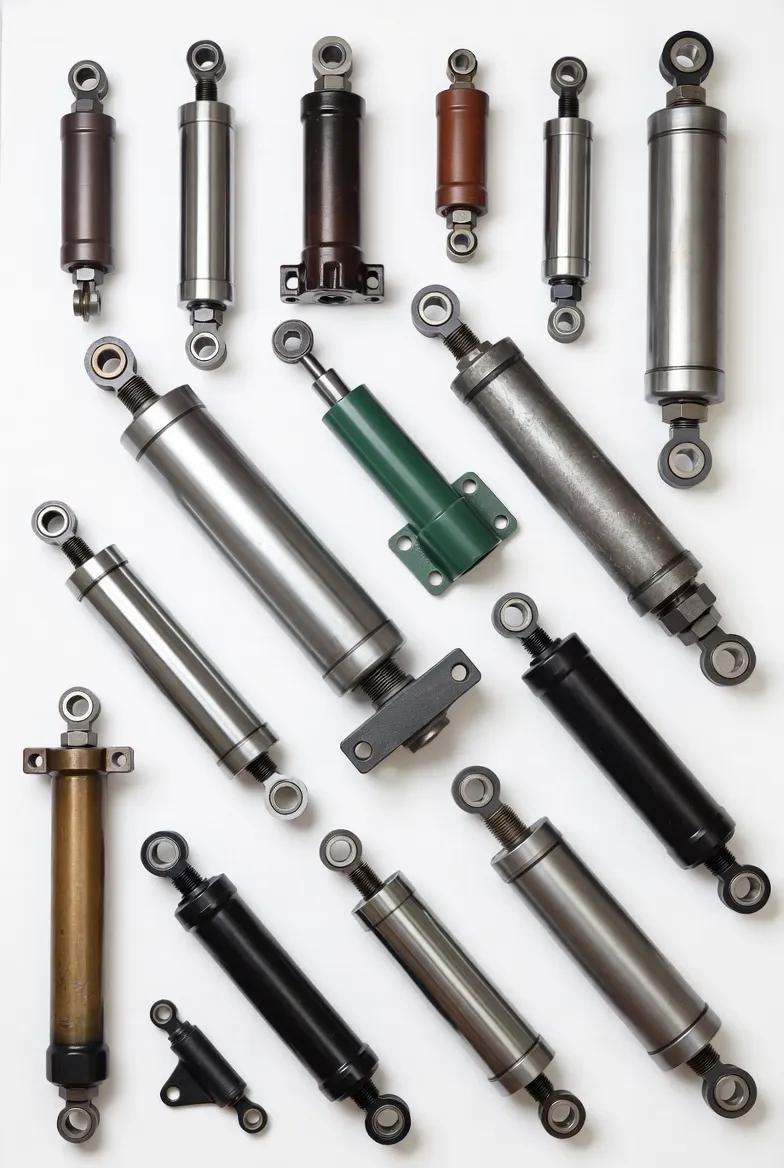
Modern clamping cylinders utilize proportional directional valves combined with complex regenerative hydraulic circuits. During the initial closing phase, the hydraulic fluid from the rod end of the cylinder is routed back into the cap end. This regenerative flow allows the massive platen to advance at extremely high speeds, drastically reducing the overall cycle time. However, speed must be controlled.
Low Pressure Mold Protection
As the two mold halves approach each other, the clamping cylinder drops into a low pressure, low speed mode. This is a critical safety phase. If a plastic part from the previous cycle failed to eject properly, the machine will sense the resistance at low pressure and instantly stop the closing mechanism. This prevents the machine from applying full tonnage and crushing the stuck part into the delicate mold face. Only when the mold faces are perfectly flush does the high pressure hydraulic locking mechanism engage to build full tonnage.
Material Science and Precision Engineering
The continuous 24/7 operation of industrial manufacturing requires components built from uncompromising materials. The physical demands placed on clamping cylinders are immense.

The cylinder rods are typically manufactured from high grade alloy steel. To prevent buckling under compressive loads, these rods are substantially thicker than standard industrial cylinders. The manufacturing process involves deep induction hardening, which strengthens the outer layer of the steel while leaving the core slightly ductile to absorb shock vibrations. Following hardening, the rods receive a heavy industrial chrome plating. This micro-cracked chrome finish provides superior wear resistance and creates tiny pockets that retain hydraulic oil, lubricating the rod seal during high speed operation.
Internal sealing technology is equally advanced. Step seal configurations combined with energized O-rings prevent internal fluid bypass. If hydraulic fluid leaks from the pressure chamber to the return chamber internally, the machine will slowly lose clamping tonnage during the injection phase, leading to defective products. Premium OEM clamping cylinders utilize advanced polyurethane compounds that resist wear and maintain tight tolerances over millions of machine cycles.
Industry 4.0: Smart Clamping Cylinders and AI Integration
The landscape of plastic and metal manufacturing is undergoing a digital transformation. Modern clamping cylinders are no longer just passive mechanical components; they are active sensors integrated into the Industrial Internet of Things (IIoT).
Linear Position Transducers
Smart cylinders feature internal magnetostrictive sensors that track the exact position of the piston rod to within micrometers. This data allows the machine controller to seamlessly switch between high speed approach and low pressure protection modes automatically.
Predictive Maintenance AI
Integrated pressure transducers constantly monitor the force required to move the platen. AI algorithms analyze this data over time. A gradual increase in pressure indicates developing friction, allowing maintenance teams to lubricate the tie bars before failure occurs.

Conclusion: Enhancing Manufacturing Profitability
The operational efficiency of any injection molding or die casting facility is intrinsically linked to the reliability of its hydraulic systems. Clamping cylinders bear the literal weight and pressure of the entire production process. By utilizing highly engineered, technologically advanced locking cylinders, manufacturers can drastically reduce cycle times, minimize rejected parts caused by mold flashing, and extend the lifespan of costly molds.
Whether operating a high volume plastics plant or an extreme environment metal foundry, investing in superior hydraulic fluid power solutions is not just a maintenance decision; it is a strategic business investment that yields significant returns through maximized uptime and unparalleled product consistency.