
Fluid Power Restoration Engineering
How to Unfreeze a Rusted or Seized Hydraulic Cylinder: The Ultimate Guide
An authoritative technical breakdown exploring galvanic corrosion, thermal expansion dynamics, hydrostatic extraction methods, and the precise engineering protocols required to salvage locked fluid power actuators.

The Mechanical Nightmare of a Seized Actuator
In the highly intensive disciplines of heavy equipment manufacturing, offshore marine operations, commercial agriculture, and deep underground mining, hydraulic cylinders are the undisputed mechanical muscles that drive industry. These linear actuators are designed to convert the immense hydrostatic pressure of synthetic fluid into unrelenting kinetic force. However, these robust steel pressure vessels are not immune to the devastating effects of environmental neglect and severe mechanical stress. When a maintenance engineer or equipment operator is faced with a machine that simply refuses to move, and they must figure out how to unfreeze a rusted or seized hydraulic cylinder, they are confronting one of the most frustrating, physically demanding, and potentially dangerous repair scenarios in the fluid power sector.
A seized hydraulic cylinder is essentially a piece of heavy machinery that has fused itself into a solid block of steel. This paralysis rarely happens overnight. It is typically the culmination of months or years of subtle environmental attacks. When a piece of heavy equipment is left parked outside, exposed to driving rain, corrosive winter road salts, or acidic agricultural fertilizers, water inevitably bypasses the external wiper seal. Once moisture enters the microscopic clearance gap between the cast iron head gland and the hardened chrome piston rod, an insidious electrochemical reaction begins. Iron oxide rust forms rapidly, expanding the molecular volume of the steel. This expansion creates an incredibly tight, impenetrable friction weld, locking the internal components with thousands of pounds of static holding force.
Alternatively, the cylinder may not be rusted at all; it may be mechanically galled. If the actuator was subjected to severe lateral side loading, the steel rod may have violently ground against the internal brass bearing guides, effectively welding the two disparate metals together through extreme thermal friction. Attempting to force a seized fluid power actuator apart using brute force alone will almost universally result in destroyed mounting clevises, shattered head glands, and permanently bent piston rods. From a highly authoritative engineering perspective, successfully unfreezing a locked hydraulic cylinder requires a meticulous, multi phased approach that leverages chemical penetration, thermal expansion dynamics, and hydrostatic extraction. This comprehensive technical manual will dissect the exact protocols required to salvage your highly expensive fluid power components without causing irreversible structural destruction.
Phase 1: Diagnostic Isolation and Zero-Energy Preparation
Before attempting any physical extraction techniques, the maintenance technician must safely isolate the paralyzed component and determine the exact nature of the mechanical bind.
Hydrostatic Lock Verification
Frequently, a cylinder appears mechanically seized, but it is actually suffering from a hydrostatic lock. If a directional control valve has failed in the closed position, or if a quick disconnect coupler on a tractor has not fully seated, the fluid inside the cylinder is completely trapped. Because hydraulic oil is perfectly incompressible, the cylinder will refuse to move even a millimeter, perfectly mimicking a rust seizure. To rule this out, fully depressurize the machine frame, ensure the payload is securely blocked, and carefully crack open the hydraulic hose fittings at the cylinder ports. If pressurized oil forcefully sprays out and the cylinder suddenly drops, you have diagnosed a valve failure, not a rusted rod.
Identifying Galvanic Corrosion
If the ports are open and the cylinder remains entirely paralyzed, you must inspect the exposed chrome rod. Look specifically at the junction where the polished rod enters the head gland. If you observe thick, scaly, orange or brown oxidation packed into the wiper seal gap, you are facing severe galvanic corrosion. The iron oxide has bridged the gap between the internal bearing and the rod, creating a physical rust weld. This dictates that chemical solvents must be the absolute first line of attack before applying extreme mechanical leverage.

Phase 2: Chemical Warfare and Capillary Action
When iron oxidizes, it swells, creating an incredibly tight mechanical interference fit inside the cylinder head. Attempting to force this apart immediately will likely shatter the cast iron gland. The objective is to dissolve and lubricate this oxidation using the physics of capillary action.
Deploying High-Grade Penetrating Solvents
Standard lubricating oils are far too viscous thick to penetrate a seized joint. You must utilize a highly volatile, exceptionally thin penetrating solvent. While commercial aerosol penetrants are acceptable, the undisputed secret weapon among master fluid power mechanics is a fifty-fifty mixture of Automatic Transmission Fluid ATF and Acetone. The acetone acts as a highly aggressive carrying agent, aggressively thinning the ATF.
A high-grade penetrant utilizes extreme capillary action, drawing the low viscosity solvent upwards against gravity through the microscopic voids separating the oxidized steel components. Apply this mixture copiously to the junction where the rod meets the head gland, and also flood the internal fluid ports. Crucially, chemical penetration requires patience. You must allow the solvent to soak undisturbed for a minimum of twenty four to forty eight hours, reapplying periodically, allowing the chemistry to actively dissolve the molecular rust bonds.

Phase 3: Manipulating Thermal Expansion Dynamics
If chemical saturation fails to break the rust weld, the engineer must escalate the intervention by manipulating the metallurgical thermodynamics of the steel housing.
Localized Thermal Expansion
The physics of thermal expansion dictate that applying localized thermal energy via an oxy-acetylene torch will cause the outer steel barrel to expand at a distinct metallurgical rate. The objective is to rapidly heat the exterior housing of the head gland causing it to expand outward microscopically without allowing that heat to fully transfer into the internal piston rod. This differential expansion physically shatters the brittle crystalline structure of the rust weld. Heat the gland evenly in a circular motion. WARNING: Extreme heat will instantly melt the internal polyurethane seals and boil residual hydraulic oil, creating highly toxic, flammable fumes. This method requires a fully ventilated workspace and the understanding that all internal seals must be totally replaced post extraction.
The Cryogenic Shock Technique
If extreme heating is deemed too dangerous or ineffective, engineers can utilize the opposite end of the thermodynamic spectrum: rapid cryogenic cooling. By aggressively spraying the internal chrome piston rod with industrial freeze spray or liquid nitrogen while simultaneously keeping the outer barrel at ambient temperature, the steel rod rapidly contracts and shrinks. This sudden, violent contraction pulls the rod away from the rusted head gland, breaking the electrochemical bond. Immediately following the thermal or cryogenic shock, the technician should strike the end of the rod squarely with a heavy dead blow mallet; the kinetic shockwave will frequently shatter the remaining oxidized bind.
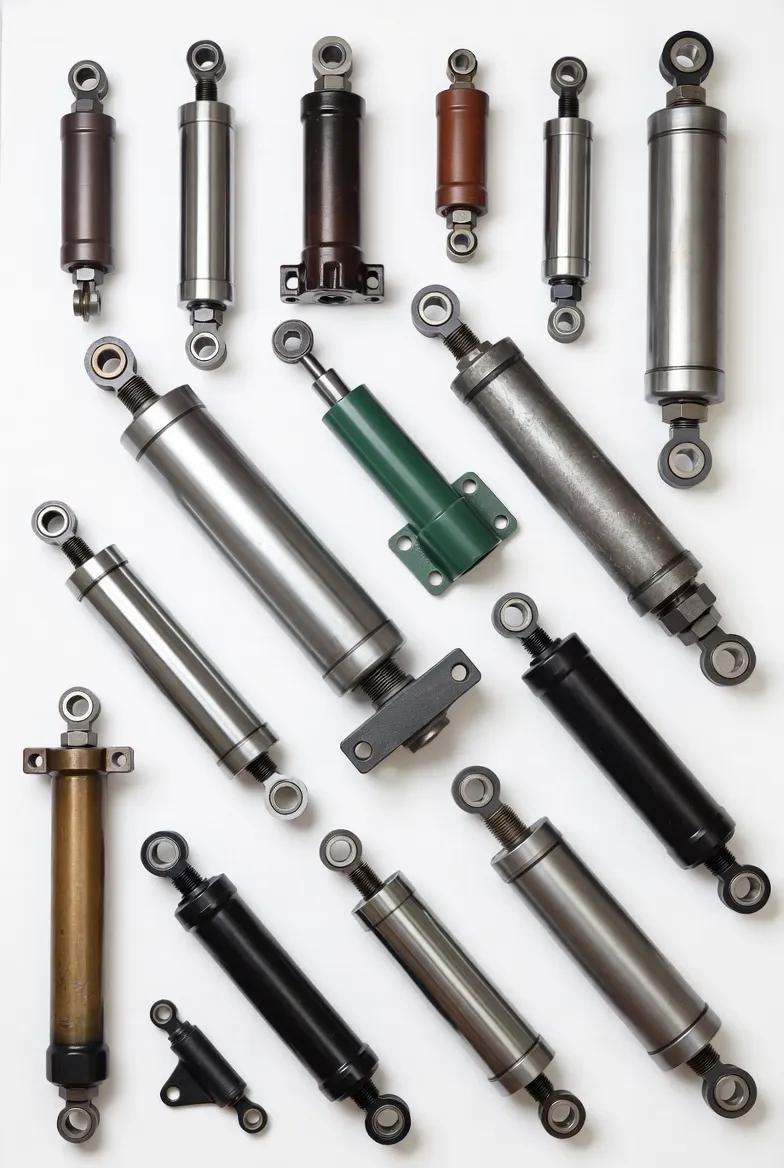
Phase 4: Hydrostatic Extraction and Grease Guns
When chemistry and thermodynamics are insufficient, you must apply overwhelming force. However, pulling a seized rod with chains or come-alongs is incredibly dangerous and frequently bends the shaft. The safest and most mathematically powerful extraction method utilizes hydrostatic physics.
- ✔️
The Grease Gun Method: The internal mechanics of a cylinder act as a perfect hydraulic ram. Instead of using highly fluid oil, technicians can thread a standard grease zerk fitting directly into the blind end base port of the cylinder. Ensure the rod end port is completely open to the atmosphere. Using a heavy duty, manual pneumatic grease gun, aggressively pump heavy extreme pressure EP grease into the base chamber. A standard grease gun can effortlessly generate over 10,000 PSI of hydrostatic pressure.
- ✔️
Unstoppable Linear Force: Because grease is exceptionally thick, it will not bypass the degraded piston seals as easily as hydraulic oil. The immense, 10,000 PSI pressure builds up against the entire surface area of the piston face. If the cylinder has a four inch bore, this technique will mathematically generate over 125,000 pounds of perfectly linear pushing force from the inside out. This perfectly aligned, massive hydrostatic push will almost universally shatter the rust weld and slowly force the seized piston rod completely out of the barrel. It is highly controlled, exceptionally safe, and prevents any lateral bending moments from destroying the chrome rod.

Phase 5: The Last Resort: Mechanical Extraction and Presses
If the cylinder head gland is threaded into the barrel and is entirely seized—meaning the rod is free but the actuator cannot be dismantled for rebuilding—mechanical leverage is required. This is the most perilous phase, as applying massive torque can easily warp the hollow steel barrel.
The cylinder must be securely clamped into a heavy duty industrial chain vise. You must clamp the cylinder barrel at the extreme ends, directly over the reinforced weldments, never in the hollow center, or you will crush the tube into an oval shape. Utilize a massive, custom fabricated pin spanner wrench that perfectly engages the slots on the head gland. If the gland refuses to rotate, you must deploy a hydraulic torque multiplier or affix a six foot steel cheater bar to the wrench to exponentially increase your mechanical advantage. While applying this extreme torsional force, a second technician should aggressively strike the outer barrel directly over the threaded gland with a sledgehammer; the simultaneous kinetic shockwave and rotational torque are often required to shatter industrial thread locking adhesives and deep rust.

Conclusion: Restoration and Preventative Protocols
Understanding how to unfreeze a rusted or seized hydraulic cylinder is the ultimate test of a fluid power technician’s engineering patience and metallurgical knowledge. Resorting immediately to brute force chains and heavy machinery will invariably bend the polished chrome rod and shatter the cast iron head gland, multiplying the repair costs exponentially. By methodically attacking the galvanic corrosion with high grade capillary penetrating solvents, intelligently manipulating the thermal expansion coefficients of the steel housing, and leveraging the unstoppable, perfectly linear power of hydrostatic grease extraction, you can safely dismantle the most stubbornly paralyzed actuators. Once extracted, the cylinder must be completely rebuilt with new seals, the barrel micro honed, and the rod re-chromed to ensure the world’s most powerful automated equipment returns to service with uncompromising, unyielding, and flawless mechanical reliability.