
Advanced Industrial Risk Mitigation
How to Safely Depressurize a Hydraulic Cylinder Before Maintenance
An authoritative engineering blueprint detailing standard operating procedures, hydrostatic stored energy containment, pilot-operated valve neutralization, and the critical decompression protocols required to eliminate fluid injection hazards.
The Invisible Threat of Hydrostatic Stored Energy
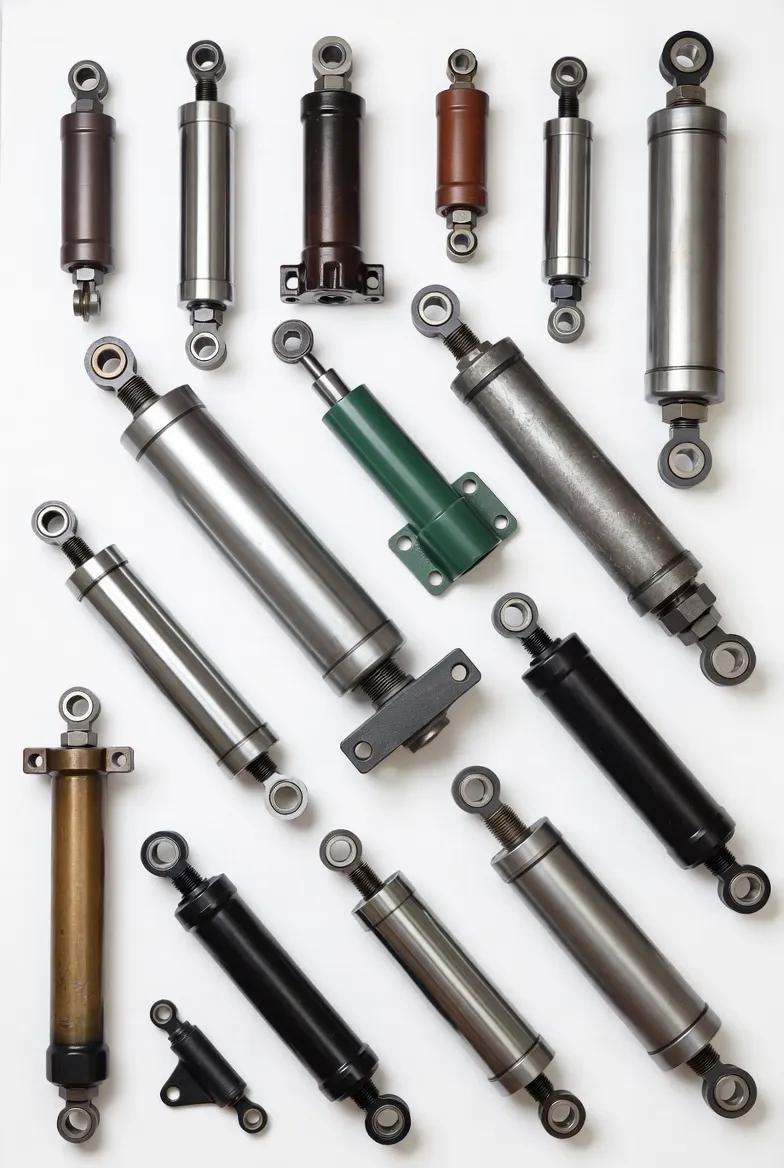
In the high-velocity realms of heavy infrastructure development, precision aerospace fabrication, automated industrial manufacturing, and large-scale agricultural production, fluid power systems serve as the primary engines of mechanical force. Hydraulic cylinders are the vital linear actuators executing these immense structural movements, relying on Pascal’s Law to translate the incompressibility of synthetic oil into multi-ton kinetic outputs. However, the exact physics that make fluid power remarkably efficient also make it exceptionally dangerous during service intervals. When a machine is turned off, the hydraulic circuit does not automatically return to a benign state of zero energy. Trapped fluid under immense pressure frequently remains locked inside the steel cylinder barrel. Attempting to disassemble a component, loosen a fitting, or crack a port on a pressurized actuator is an engineering error that leads to catastrophic structural ruptures, violent mechanical movement, and lethal human trauma. To establish a baseline of elite engineering safety before undertaking any system diagnostics, evaluating your components at our premium hydraulic cylinders platform is a mandatory first step for field engineers.
Safely depressurizing a hydraulic cylinder before maintenance is the absolute, non-negotiable step zero of fluid power workshop discipline. High-pressure hydraulic oil trapped inside a closed loop acts like a tightly compressed steel spring. If a technician unthreads a hose or loosens a head gland on an un-isolated actuator, the fluid will escape through any microscopic clearance gap at supersonic velocities, creating a razor-sharp fluidic micro-jet. This high-velocity jet can easily pierce standard leather work gloves and cut straight through human flesh, causing deep tissue fluid injection injuries that require immediate surgical amputation to survive. Furthermore, sudden pressure drops cause unsupported mechanical linkages to violently collapse under gravity, crushing anyone working within the machine’s kinematic footprint.
Meticulously calibrated to meet international ISO and OSHA safety criteria, this comprehensive operational guide will deconstruct the complex thermodynamics of fluid decompression. We will analyze the specific mechanical sub-systems that preserve trapped pressure, provide a detailed step-by-step procedure to bleed circuits safely, explore the integration of advanced pilot-operated counterbalance safety valves, and detail the life-saving medical emergency protocols required in the event of an accidental fluid breach. Implementing these precise standard operating procedures is the only mechanism to guarantee total workshop safety and preserve your long-term capital assets.

The Physics of Trapped Hydrostatic Energy
A common error among apprentice mechanics is assuming that turning off the primary diesel engine or electric motor immediately de-energizes the system. In complex industrial machinery, pressure is intentionally locked inside the circuits by specific architectural components.
Gas-Charged Accumulators
Many advanced hydraulic circuits integrate nitrogen-charged bladder or piston accumulators. These components function as fluid power batteries, storing large volumes of pressurized fluid to assist the primary pump during high-demand cycles or to provide emergency backup power if the engine stalls. If the accumulator is not isolated or manually bled down via a dedicated bypass circuit, it will continue to apply full system operating pressure to the cylinder ports long after the main power grid is completely disconnected. This stored force represents an extreme hazard during material handling or material processing tasks utilizing heavy-duty Forklift Hydraulic Cylinders working inside large logistics fulfillment hubs.
Thermodynamic Expansion Pressure
Even in simpler circuits lacking accumulators, thermodynamic variables can generate massive, unexpected pressure spikes. When a machine is shut down after hours of grueling, continuous high-cycle operation, the hydraulic fluid is intensely hot. As the machine sits idle in an outdoor environment, the oil trapped between closed valve spools and the cylinder piston begins to cool and contract. However, if the machine is left exposed to intense direct sunlight, the heat can cause the fluid inside isolated steel lines to expand rapidly. Because the fluid cannot escape, this thermal expansion can raise the localized pressure inside the cylinder barrel by thousands of PSI, waiting to violently decompress the instant a technician cracks open a fitting.
Circuit Analysis: Identifying Stored Energy Locks
Before formulating a depressurization strategy, maintenance engineers must thoroughly evaluate the machine’s schematics to locate safety locking mechanisms. Modern industrial design deliberately builds obstacles into the lines to keep oil trapped under pressure for structural stability.
The primary components designed to trap fluid are pilot-operated check valves and counterbalance valve manifolds. These safety valves are frequently bolted directly to the ports of the cylinder barrel. Their purpose is simple yet vital: they act as an absolute hydrostatic lock, preventing any fluid from leaving the cylinder chamber unless a specific pilot pressure is applied from the primary pump. This mechanism ensures that if a high-pressure hydraulic hose completely ruptures during operation, the fluid inside the cylinder remains locked, preventing the heavy mechanical boom from crashing downward. This fail-safe architecture is heavily utilized in massive earthmoving equipment, where robust Excavator Hydraulic Cylinders must hold multi-ton booms rigid while digging through solid granite bedrock.
While these valves are excellent for operational safety, they create a major challenge for service technicians. When the engine is shut down, the pilot pressure drops to zero, forcing the counterbalance valves to slam shut tightly. This completely isolates the fluid inside the cylinder from the rest of the machinery plumping. Cycling the operator joysticks back and forth in the cab will shift the primary control valve spools to the reservoir, but it will have absolutely zero effect on the high-pressure oil trapped behind the closed counterbalance manifold. To release this localized energy safely without causing mechanical collapse requires a systematic, multi-layered decompression sequence.
The Safe Depressurization Standard Operating Procedure
To completely eliminate the risk of unexpected structural collapse or fluid injection injuries, field service teams must execute this step-by-step procedure with absolute discipline. Never skip a phase to expedite repairs.
Step 1: Mechanical Stabilization & Blocking
Before releasing any fluid pressure, you must eliminate the physical gravitational load acting on the cylinder piston. Lower all booms, buckets, or attachments completely to the solid earth. If the maintenance requires the cylinder to remain extended or suspended, technicians must install heavy-duty, certified steel safety struts or mechanical blocking over the chrome rod. Never trust wood blocks or secondary hydraulic circuits to support the payload during a pressure release. If the load is not mechanically stabilized, dropping the hydrostatic pressure will cause the heavy steel structure to violently collapse under the force of gravity, crushing anyone working within the machine chassis.
This architectural stabilization is a mandatory protocol when managing massive multi-stage telescopic systems, such as long-stroke Dump Truck Hydraulic Cylinders, where an un-stabilized dump body creates an incredibly lethal drop hazard for service technicians.
Step 2: Lockout/Tagout & Valve Spool Cycling
Once the mechanism is mechanically locked in place, shut down the primary internal combustion engine or electric motor driving the hydraulic pumps. Execute standard Lockout/Tagout (LOTO) protocols on the ignition or primary breaker box to guarantee the machine cannot be accidentally restarted during maintenance. With the engine deactivated, immediately turn the machine key back to the “On” position to energize the electronic pilot control systems without starting the motor. Meticulously cycle all operator control joysticks, foot pedals, and hand levers through their full ranges of motion at least ten to fifteen times.
This manual cycling shifts the directional control valve spools back and forth, allowing any high-pressure fluid trapped in the main lines connecting the control block to the cylinders to drain safely back into the low-pressure reservoir tank. This venting phase effectively de-energizes the primary plumbing lines across the chassis.
Step 3: Accumulator & Pilot Line Neutralization
If the machine architecture integrates a gas-charged accumulator, this battery of power must be carefully neutralized. Many modern machines feature an automated electrical discharge valve that vents the accumulator when the ignition is turned off. If the machine lacks this technology, technicians must locate the manual bleed valve on the accumulator safety manifold. Carefully open this valve using insulated hand tools, allowing the stored fluid to vent into the return lines. Check the system pressure gauge to verify that the primary circuit register has dropped completely to zero.
Furthermore, expand this audit to the pilot lines. Many industrial machines utilize a small, independent low-pressure accumulator exclusively to operate the joysticks. Continually pump the controls until all resistance disappears, confirming that the secondary pilot energy is completely exhausted.
Step 4: Controlled Port Bleeding & Hose Craking
If the cylinder is equipped with integrated counterbalance or load-holding valves, the fluid behind those valves remains highly pressurized despite the previous steps. To relieve this isolated energy, locate the diagnostic Minimess test points or the dedicated bleed screws machined into the valve block housing. Wrap a heavy, absorbent shop rag around the port to contain spraying oil and slowly crack the bleed screw using a flare-nut wrench. If the cylinder lacks built-in bleeders, you must carefully crack the main hose fitting at the cylinder port. Place a fluid catch pan directly underneath the port.
Turn the fitting slowly—only a quarter-turn at first. Never remove the fitting completely while cracking lines. You will observe a brief hiss and a sputtering stream of oil escaping the threads. Wait patiently until all fluid weeping ceases completely, indicating that the internal pressure has balanced perfectly with atmospheric pressure, rendering the cylinder sterile.

The Pathophysiology of Fluid Injection Injuries
Skipping safe depressurization protocols can lead to a specific, horrifying type of industrial accident: a high-pressure fluid injection injury. Understanding the severe physical consequences of this trauma is essential for enforcing strict workshop safety compliance.
When hydraulic oil is pressurized to thousands of PSI and escapes through a pinhole crack in a hose or a loosened fitting thread, it forms a microscopic stream traveling at velocities exceeding several hundred miles per hour. If a technician passes their hand near this stream—often searching for a leak by feeling along a hose—the fluid acts like a needle. It passes directly through heavy leather work gloves and punctures human skin effortlessly. At the moment of injection, the injury often appears remarkably minor—resembling nothing more than a tiny pinprick or a slight sting. Because there is little initial blood or visible tearing, many operators ignore the wound and attempt to finish their shift. This is a potentially fatal medical mistake.
Beneath the skin, the high-velocity fluid stream violently tears through muscle tissue, tendons, and blood vessels, dissecting along the deep fascial planes of the hand or arm. Furthermore, hydraulic fluid is an aggressive, toxic chemical cocktail composed of mineral oils, heavy metals, and toxic anti-wear additives. This chemical infusion triggers a massive, instantaneous inflammatory response, causing severe tissue necrosis and acute compartment syndrome. As the arm swells internally, the blood vessels are compressed, cutting off oxygen delivery to the extremities. Within hours, gangrene develops.
A fluid injection injury is a critical surgical emergency demanding immediate emergency room admission. The patient must be evaluated by an expert hand surgeon, and the wound must be surgically opened and aggressively debrided to flush out the toxic synthetic oil. Any delay in treatment dramatically increases the statistical risk of permanent nerve damage, extensive muscle tissue loss, and necessary surgical amputation of the limb. This severe risk is a constant concern for personnel operating high-altitude equipment, such as safety-critical Aerial Work Vehicle Hydraulic Cylinders, where the actuators function under immense continuous pressure loads to sustain worker safety platforms.
Verification Phase: Securing the Zero Pressure Baseline
Never assume a circuit is safe based purely on executing the steps. A senior engineer always demands empirical, measurable verification that the circuit has reached an absolute zero energy state before a single structural bolt is removed.
To safely verify the zero-energy state, technicians must utilize calibrated mechanical or digital pressure gauges connected to designated diagnostic test couplings (Minimess fittings). These points allow for safe, spill-free connection under live conditions. Check the pressure gauges on both the rod end and blind end circuits of the cylinder barrel. The needles must register exactly zero PSI. If a digital transducer registers even a residual fifty PSI, the circuit is not safe. The elastomeric seals are still under compression, and cracking the head gland will cause a dangerous burst of hot oil.
Once zero pressure is empirically verified across all lines, the cylinder can be safely disconnected from its mounting linkages for overhaul. If the component is being removed for a complete overhaul or replacement, taking precise physical dimensions is the next critical engineering step. Fleet teams must use digital calipers to measure the cylinder bore size, chrome rod diameter, and pin hole tolerances down to the thousandth of an inch. Guessing these parameters based on generic tape measurements will result in procuring ill-fitting components, leading to alignment twists and rapid seal wear. This structural precision is a core requirement when engineering high-volume implements, such as specialized Agricultural Hydraulic Cylinder networks that must perfectly align with standardized tractor three-point hitches to prevent operational binding during deep soil tillage.

Conclusion: Cultivating an Uncompromising Safety Culture
The safe depressurization of a hydraulic cylinder is the ultimate metric of a workshop’s engineering maturity and dedication to risk management. Fluid power is a magnificent asset to modern heavy enterprise, but it contains silent, immense forces that demand absolute technical respect. Shifting your maintenance paradigm from hurried, reactive wrench-turning to a highly disciplined, step-by-step decompression standard operating procedure is the only mechanism to eliminate fluid injection injuries and shield your workforce from mechanical crushing hazards. By enforcing rigorous load blocking, executing Lockout/Tagout protocols, systematically purging accumulators, and demanding empirical pressure verification via calibrated gauges, your organization secures an unyielding safety envelope. Never compromise on safety parameters or settle for substandard components that jeopardize your operations. If your heavy fleet requires expert diagnostic consultation, advanced seal architecture upgrades, or direct procurement of the most resilient, heavily fortified replacement cylinders engineered to the highest global criteria, our elite technical engineering team stands ready to architect your ultimate fluid power solution.