
Unlocking the Potential of Single-Acting Hydraulic Cylinders
Understanding Single-Acting Hydraulic Cylinders
Single-acting hydraulic cylinders are essential components in hydraulic systems that convert fluid power into linear mechanical force. These cylinders operate with fluid pressure acting on one side of the piston, allowing for unidirectional force generation.
Principles of Single-Acting Cylinders
Single-acting cylinders rely on the differential pressure between the piston’s two sides to create linear force. This design simplifies the system and reduces complexity compared to double-acting cylinders, making them ideal for specific applications.
- Single-acting cylinders are driven by fluid pressure applied to one side of the piston.
- They require an external force, such as a spring or gravity, to retract the piston.
- These cylinders are commonly used in applications where only one direction of force is required.
Components and Structure of Single-Acting Cylinders
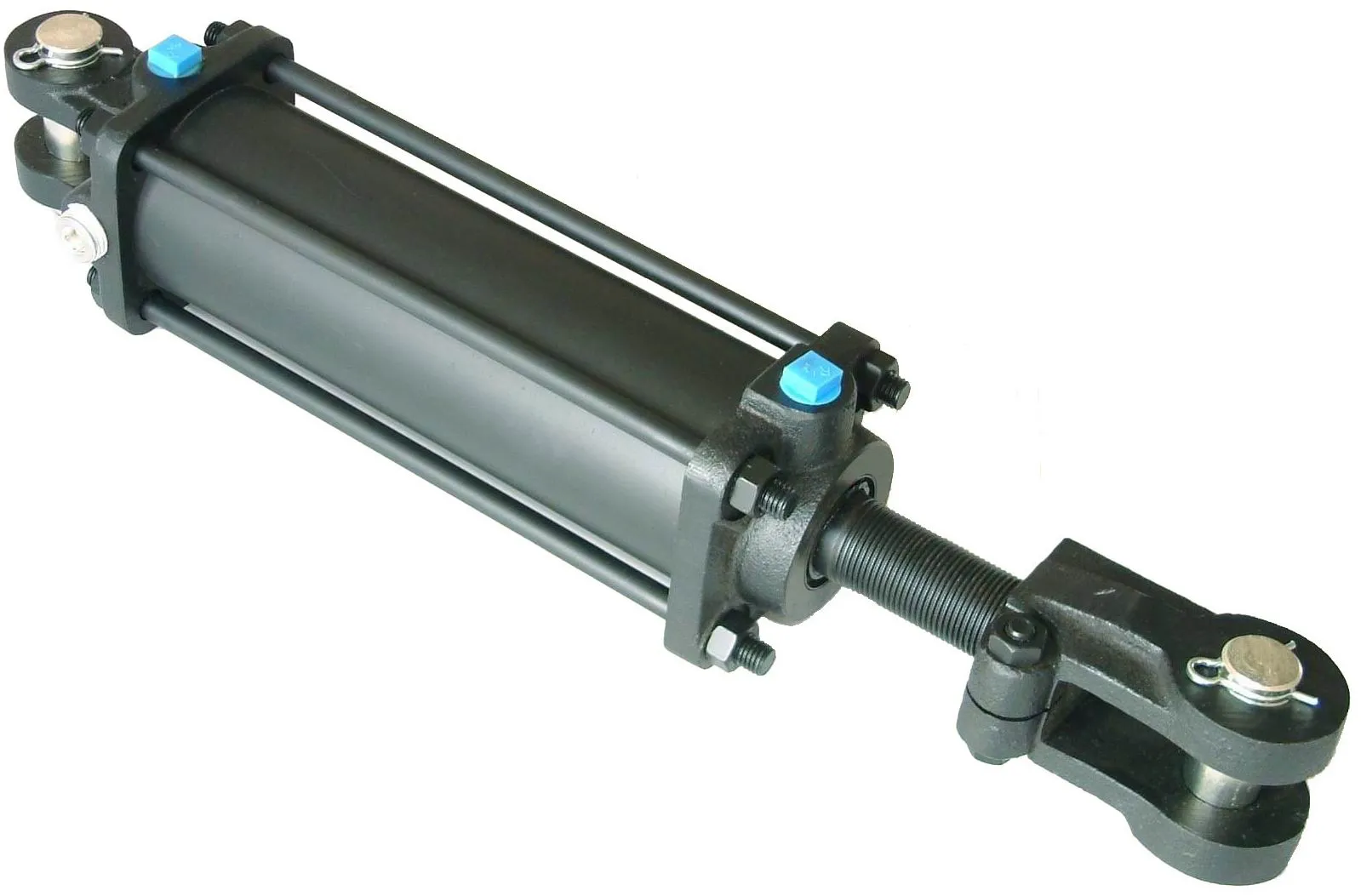
The main components of a single-acting hydraulic cylinder include the piston, cylinder barrel, rod, seals, and ports. These cylinders are designed for compactness and efficiency, making them suitable for various industrial applications.
Single-acting cylinders feature a simple design with fewer moving parts, enhancing reliability and ease of maintenance. The piston is typically connected to the rod, which extends and retracts based on fluid pressure and external forces.
Working Principles of Single-Acting Cylinders
Single-acting cylinders utilize hydraulic fluid pressure to extend the piston and generate linear force. The stroke control mechanism regulates the piston’s movement, ensuring precise operation in diverse applications.
Force Generation and Stroke Control
The force generated by a single-acting cylinder is proportional to the fluid pressure and piston area. Stroke control mechanisms, such as flow control valves, enable operators to adjust the cylinder’s speed and movement for optimal performance.
Performance characteristics of single-acting cylinders include high load capacity, compact design, leak resistance, and cost-effectiveness. However, their unidirectional operation limits their versatility compared to double-acting cylinders.
Types and Configurations of Single-Acting Cylinders
Single-acting hydraulic cylinders are available in various types, including tie-rod, welded, and telescopic cylinders. Each type offers unique features and performance benefits tailored to specific applications.
Tie-rod cylinders are versatile and easy to maintain, while welded cylinders provide robust construction for heavy-duty applications. Telescopic cylinders offer extended stroke lengths and compact design, ideal for space-constrained environments.
Advantages of Single-Acting Hydraulic Cylinders
- Compact design for space efficiency
- High load capacity for demanding applications
- Robust construction for durability
- Leak resistance for reliable operation
- Cost-effective solution for hydraulic systems
Applications of Single-Acting Hydraulic Cylinders
Single-acting cylinders are widely used in industries such as construction, manufacturing, transportation, and agriculture. These cylinders power various machinery and equipment, providing precise linear force in diverse applications.
In construction, single-acting cylinders are used in hydraulic jacks, dump trucks, and material handling equipment. In manufacturing, they operate hydraulic presses, injection molding machines, and assembly lines with efficiency and accuracy.
Factors to Consider When Selecting Single-Acting Cylinders
When choosing a single-acting cylinder for a specific application, factors such as load requirements, stroke length, inner diameter, and rod diameter must be considered. Calculating the cylinder size and force ensures optimal performance and longevity.
Sealing Technology and Cylinder Structure
Sealing plays a crucial role in preventing leaks and ensuring efficient operation of single-acting cylinders. Different sealing materials, such as Nitrile, Viton, and Polyurethane, offer varying levels of compatibility with hydraulic fluids.
Cylinder structural materials, coatings, and surface treatments enhance durability and corrosion resistance in harsh industrial environments. Proper sealing and maintenance prolong the lifespan of single-acting cylinders and optimize performance.
Controlling Cylinder Speed and Movement

Various methods, including flow control valves and adjustable buffering, enable operators to control the speed and movement of single-acting cylinders. Buffering options prevent shock and vibration, enhancing operational safety and efficiency.
Regular Inspection and Preventive Maintenance
- Inspecting seals, rods, and connections regularly
- Lubricating moving parts for smooth operation
- Replacing worn seals and components as needed
Installation Guide for Single-Acting Hydraulic Cylinders
Proper installation of single-acting cylinders involves aligning components, ensuring correct fluid connections, and testing for leaks. Following manufacturer guidelines and safety precautions is essential for optimal performance and longevity.
Safety Considerations and Environmental Factors
Safety measures, such as proper maintenance, training, and equipment inspection, are crucial when using single-acting hydraulic cylinders. Environmental factors, including temperature, humidity, and exposure to contaminants, impact cylinder performance and longevity.
Fault Diagnosis and Common Problems
Common issues in single-acting cylinders include seal leaks, piston misalignment, and rod damage. Effective fault diagnosis and troubleshooting solutions minimize downtime and ensure continuous operation in hydraulic systems.
Answering Key Questions
What is the primary function of single-acting hydraulic cylinders?
The primary function of single-acting cylinders is to convert fluid power into linear mechanical force in a unidirectional manner, providing controlled movement in hydraulic systems.
How do single-acting hydraulic cylinders generate linear force?
Single-acting cylinders generate linear force by applying fluid pressure on one side of the piston, creating a differential pressure that extends the rod and produces mechanical work.
What are some common applications of single-acting hydraulic cylinders?
Single-acting cylinders are commonly used in construction equipment, agricultural machinery, material handling systems, and industrial automation for precise linear force generation.
Long-Tail Keywords for Single-Acting Hydraulic Cylinders
- High-Speed Single-Acting Hydraulic Cylinder
- Compact Single-Acting Cylinder with Integrated Valves
- Heavy-Duty Single-Acting Telescopic Cylinder
Our Company: Leading Hydraulic Cylinder Manufacturer
Our company specializes in hydraulic cylinder replacement and distribution, offering a comprehensive product line for diverse industrial applications. With a focus on quality, reliability, and customer satisfaction, we have established ourselves as a trusted partner in the hydraulic industry.
Our company holds professional certifications and adheres to international standards to ensure product excellence. We provide customized services, state-of-the-art production equipment, and reliable after-sales support to meet our customers’ unique needs.