
The Ultimate Guide to Double-Acting Hydraulic Cylinders
Understanding Double-Acting Hydraulic Cylinders
In the realm of hydraulic systems, a double-acting hydraulic cylinder is a crucial component that plays a pivotal role in converting fluid power into mechanical force. These cylinders are designed to provide efficient fluid flow for optimized performance, ensuring smooth and precise operation in various industrial applications.
Principles of Double-Acting Cylinders
- Double-acting cylinders utilize hydraulic fluid to generate motion in two directions
- This type of cylinder has two ports for fluid entry and exit, allowing for controlled movement
- Unlike single-acting cylinders, double-acting cylinders exert force in both extension and retraction strokes
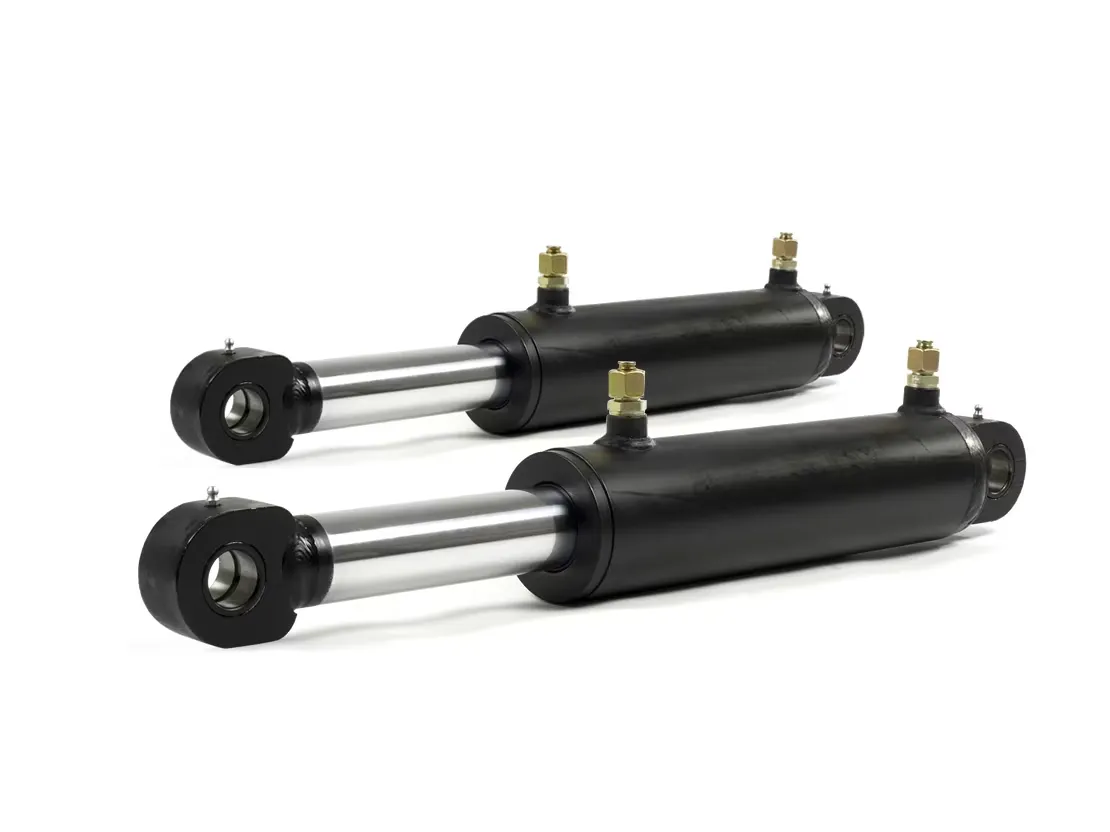
Double-acting cylinders stand out from other drive systems due to their ability to deliver consistent power throughout the entire stroke, resulting in enhanced performance and efficiency.
Components and Structure
The design and construction of double-acting hydraulic cylinders involve a piston, cylinder barrel, end caps, rod, seals, and hydraulic fluid. These components work together seamlessly to ensure reliable and durable operation in demanding environments.
Working Principle
When pressurized hydraulic fluid enters one port of the cylinder, it pushes the piston in one direction, generating linear force. The fluid then flows through the other port to retract the piston, completing the cycle. This mechanism allows for precise control over force generation and stroke movement.
Types of Double-Acting Cylinders
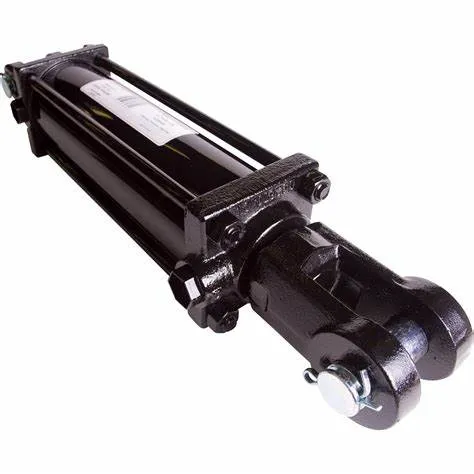
There are various types and configurations of double-acting hydraulic cylinders, including tie-rod cylinders, welded cylinders, telescopic cylinders, and mill-type cylinders. Each type is designed to cater to specific application requirements and performance criteria.
Advantages of Double-Acting Cylinders
- Compact design for space-saving installations
- High load capacity for heavy-duty applications
- Robust construction for long-lasting durability
- Leak resistance for efficient fluid containment
- Cost-effective solution for industrial operations
These advantages make double-acting cylinders a preferred choice in industries such as construction, manufacturing, transportation, and more.
Factors to Consider
When selecting a double-acting cylinder, factors such as cylinder size, force calculations, stroke length, inner diameter, and rod diameter should be carefully evaluated to ensure optimal performance and reliability in the intended application.
Sealing Technology and Cylinder Structure
Sealing plays a critical role in preventing leaks and maintaining operational efficiency in double-acting cylinders. Different sealing materials and structural components are utilized to enhance performance and longevity in various operating conditions.
Speed Control and Buffering
Controlling cylinder speed and movement is essential for precise operation. Adjustable buffering options help prevent shock and vibration, improving overall cylinder performance and safety in industrial settings.
Maintenance and Inspection
- Regular inspection and preventive maintenance are essential for prolonging cylinder lifespan
- Proper lubrication, seal replacement, and calibration inspections should be conducted as per manufacturer recommendations
- Following maintenance tasks diligently can minimize downtime and ensure optimal cylinder performance
Safety Considerations
Ensuring safety measures are in place when using double-acting cylinders is paramount to prevent accidents and maintain a secure working environment. Environmental factors should also be considered to mitigate risks in industrial operations.
Fault Diagnosis and Troubleshooting
Identifying common problems and implementing troubleshooting solutions can help address issues promptly. By diagnosing faults accurately, preventive measures can be taken to avoid downtime and costly repairs.
FAQs
1. What is the primary function of double-acting hydraulic cylinders?
Double-acting cylinders generate linear force in both extension and retraction strokes, providing controlled movement in hydraulic systems.
2. How do double-acting hydraulic cylinders generate linear force?
By pressurizing hydraulic fluid in one direction to extend the piston and retracting it in the opposite direction, double-acting cylinders produce linear force efficiently.
3. What are some common applications of double-acting hydraulic cylinders?
Double-acting cylinders are widely used in construction equipment, manufacturing machinery, transportation vehicles, and various industrial applications requiring precise force control.
Long-Tail Keywords
1. Efficient Fluid Flow for Enhanced Performance
2. Precision Control for Industrial Applications
3. Reliable Operation in Demanding Environments
Company Overview
As a leading hydraulic cylinder replacement manufacturer, our company offers a comprehensive product line tailored to meet diverse industrial needs. With a strong focus on quality, innovation, and customer satisfaction, we have established ourselves as a trusted partner in the domestic and international markets.
Our commitment to professional excellence, international certifications, customized services, state-of-the-art production equipment, and dedicated after-sales support sets us apart as a preferred supplier for hydraulic solutions.