
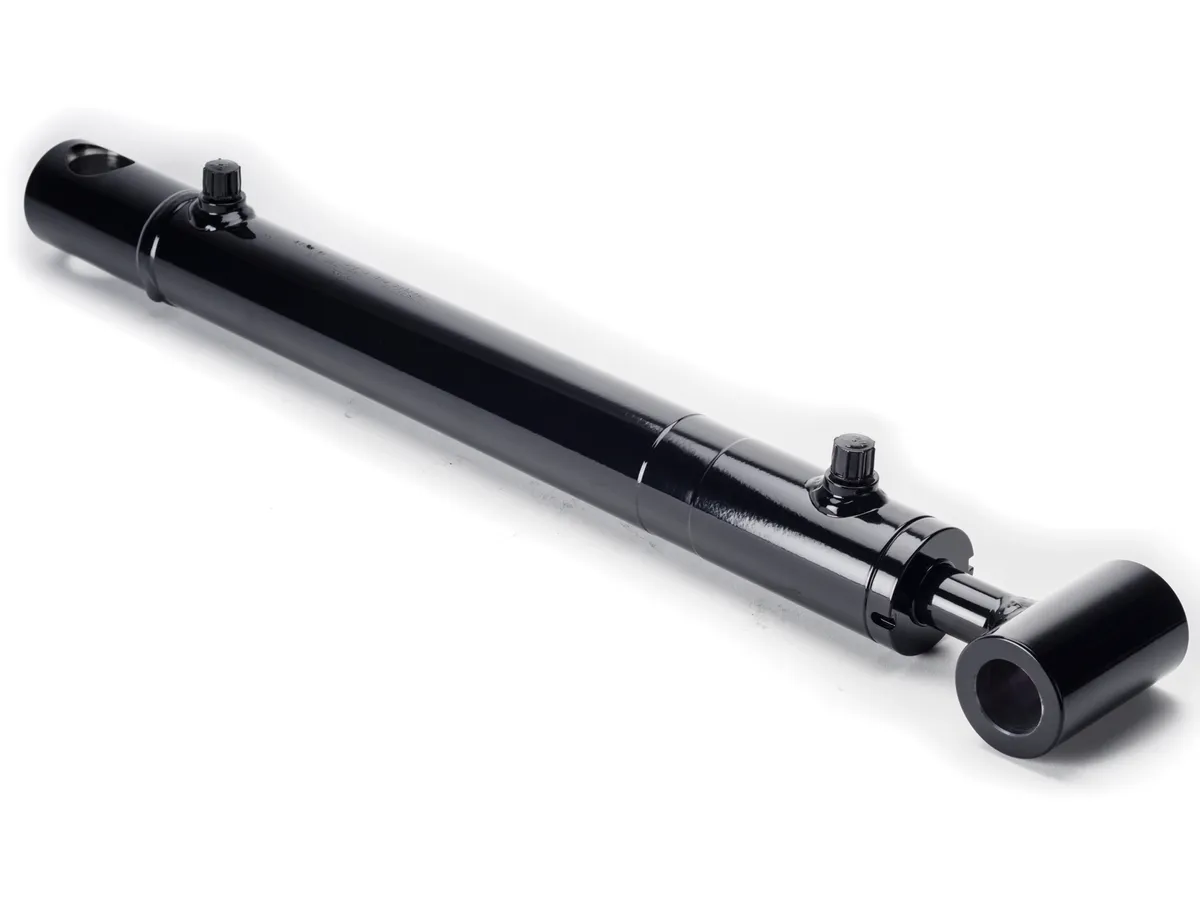
Understanding the Double-Acting Hydraulic Cylinder
Defining the Double-Acting Hydraulic Cylinder
Double-acting hydraulic cylinders are essential components in various industrial applications, providing reliable linear force for secure operations. These cylinders are designed to generate force in both directions, offering high load stability and precise control.
Principles of the Double-Acting Cylinder
- Utilizes hydraulic fluid to create pressure for movement
- Consists of a piston, rod, cylinder barrel, and seals
- Operates by applying pressure to one side of the piston while allowing fluid to return from the other side
Differences from Other Drive Systems
Compared to other drive systems, double-acting hydraulic cylinders offer superior load capacity, robust construction, leak resistance, cost-effectiveness, and suitability for harsh industrial environments.
Components and Structure
The components of a double-acting hydraulic cylinder include a piston, rod, cylinder barrel, seals, and end caps. These components work together to convert hydraulic energy into linear force.
Design and Construction
The design of a double-acting hydraulic cylinder is meticulously engineered to ensure durability and performance. High-quality materials and precise machining are essential for reliable operation in demanding applications.
Working Principle
Double-acting cylinders operate by pressurizing hydraulic fluid on one side of the piston, causing it to extend, and then pressurizing the opposite side to retract. This action generates linear force for various industrial tasks.
Force Generation and Stroke Control
The force generated by a double-acting cylinder is proportional to the pressure applied and the piston area. Stroke control is achieved by regulating the flow of hydraulic fluid and adjusting pressure levels.
Performance Characteristics and Limitations
Double-acting cylinders offer precise control, high load capacity, and reliable operation. However, they may be limited by fluid leakage, temperature sensitivity, and maintenance requirements.
Types and Configurations
Double-acting hydraulic cylinders come in various types and configurations, including tie-rod, welded, telescopic, and mill-type cylinders. Each type is designed to meet specific application requirements.
Advantages of Double-Acting Hydraulic Cylinders
- Compact design for space-saving installations
- High load capacity for heavy-duty applications
- Robust construction for long-lasting performance
- Leak resistance for clean operations
- Cost-effectiveness and easy maintenance for efficiency
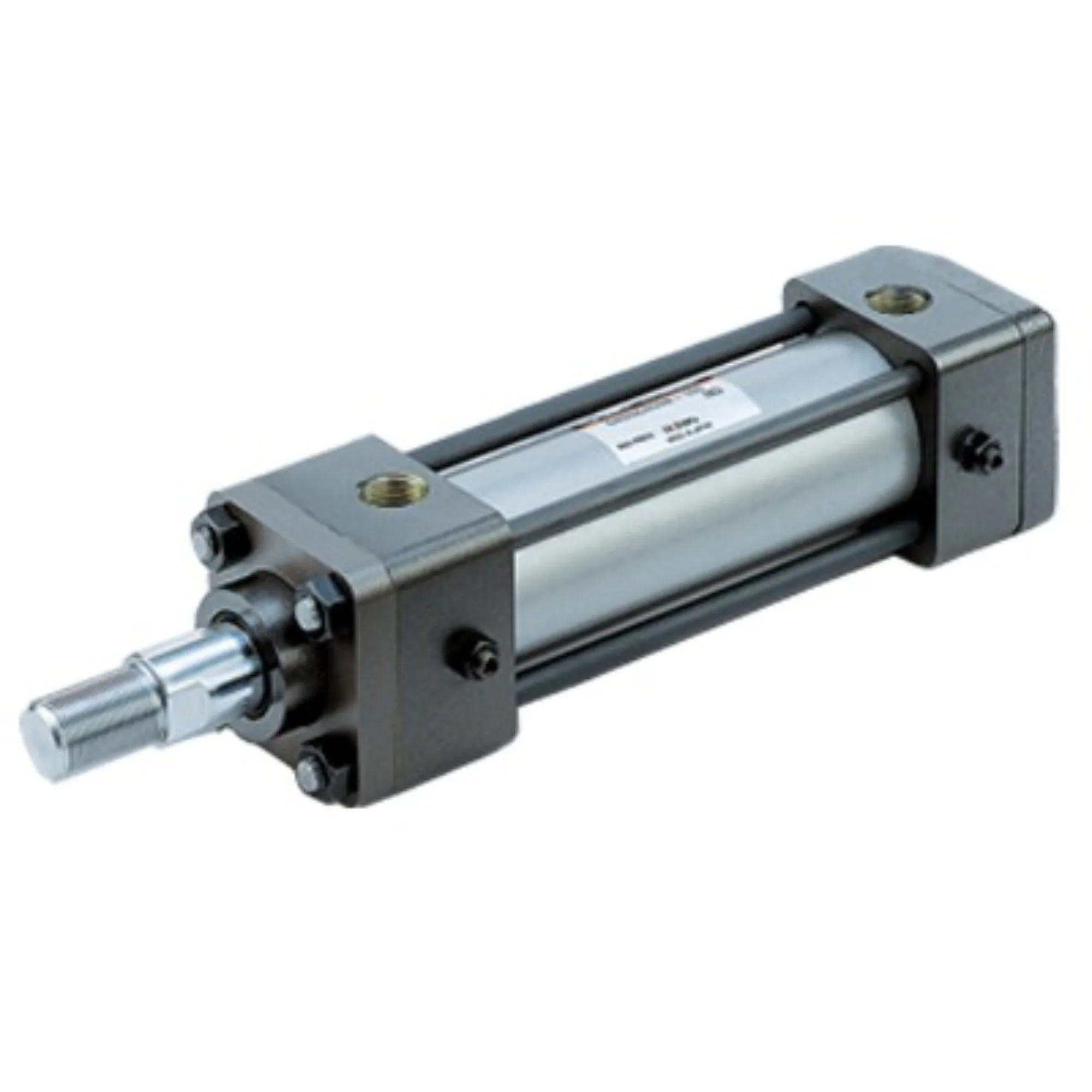
Applications in Various Industries
Double-acting hydraulic cylinders are widely used in construction, manufacturing, transportation, and other industrial sectors for tasks such as lifting, pressing, bending, and positioning. Their versatility and reliability make them indispensable in modern machinery and equipment.
Considerations for Selection
When selecting a double-acting cylinder, factors such as cylinder size, force calculations, stroke length, inner diameter, and rod diameter must be carefully considered to ensure optimal performance and safety.
Sealing Technology and Cylinder Structure
Sealing is crucial in double-acting cylinders to prevent leaks and ensure efficient operation. Different sealing materials and cylinder structures play a vital role in maintaining performance and extending service life.
Speed Control and Buffering Options
Controlling cylinder speed and movement is essential for precise operations. Adjustable buffering options can help prevent shock and vibration, improving overall performance and safety.
Maintenance and Inspection
Regular inspection and preventive maintenance are key to ensuring the longevity and efficiency of double-acting hydraulic cylinders. Proper lubrication, seal replacement, and calibration inspections are essential maintenance tasks.
Installation Guide
Proper installation of double-acting hydraulic cylinders is critical for safety and performance. Follow manufacturer guidelines and ensure proper alignment, mounting, and connection for optimal operation.
Safety Considerations
Safety measures should always be prioritized when using double-acting cylinders to prevent accidents and ensure worker protection. Environmental factors must also be considered to mitigate risks and maintain a safe working environment.
Fault Diagnosis and Troubleshooting
Common problems with double-acting hydraulic cylinders include leaks, insufficient force, and erratic movement. Proper diagnosis and troubleshooting can help identify issues and implement effective solutions to restore performance.
Key Questions
1. What is the primary function of double-acting hydraulic cylinders?
Double-acting hydraulic cylinders generate linear force in both directions for various industrial tasks.
2. How do double-acting hydraulic cylinders generate linear force?
By pressurizing hydraulic fluid on one side of the piston to extend and then pressurizing the opposite side to retract.
3. What are some common applications of double-acting hydraulic cylinders?
Common applications include lifting, pressing, bending, and positioning in construction, manufacturing, and transportation industries.
Long-Tail Keywords
1. High Load Stability for Secure Operations
Double-acting hydraulic cylinders provide high load stability for secure industrial operations, ensuring precision and reliability.
Company Focus
We are a leading hydraulic cylinder manufacturer and wholesale distributor, offering a complete product line for domestic and international markets. Our company is committed to providing professional services, international quality standards, customized solutions, advanced production equipment, and comprehensive after-sales support.
Author: lyl