Understanding Single-Acting Hydraulic Cylinders
In the world of hydraulic systems, single-acting hydraulic cylinders play a crucial role. But what exactly are single-acting hydraulic cylinders and how do they differ from double-acting cylinders and other drive systems?
Defining Single-Acting Hydraulic Cylinders
A single-acting hydraulic cylinder is a type of cylinder that uses hydraulic fluid to generate linear force in one direction. Unlike double-acting cylinders, which use hydraulic fluid to generate force in both directions, single-acting cylinders rely on an external force, such as a spring or gravity, to return the piston to its original position.
Single-acting cylinders are commonly used in applications where a pulling or pushing motion is required in one direction only. They are known for their simplicity, reliability, and cost-effectiveness.
Components and Structure of Single-Acting Hydraulic Cylinders
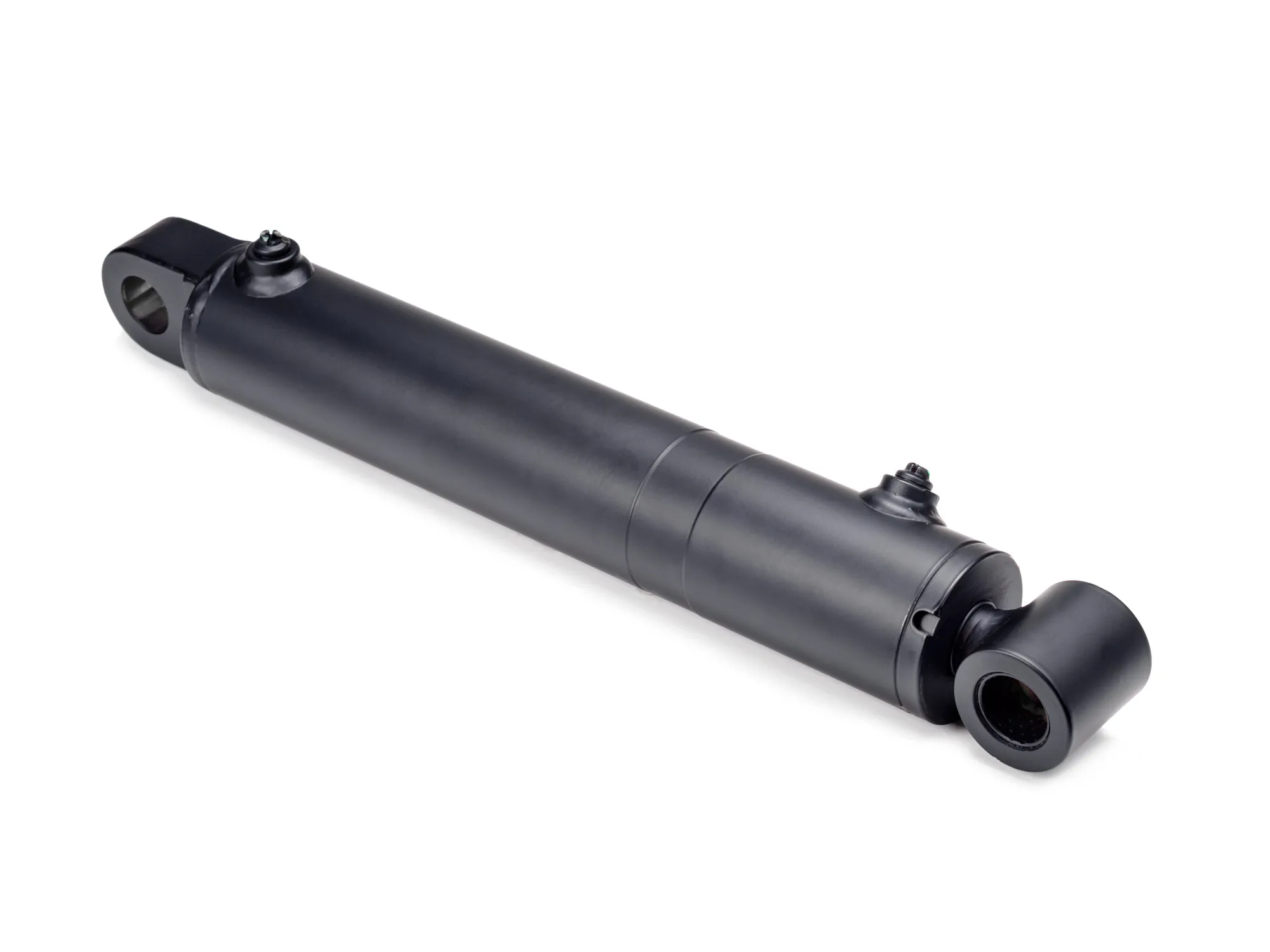
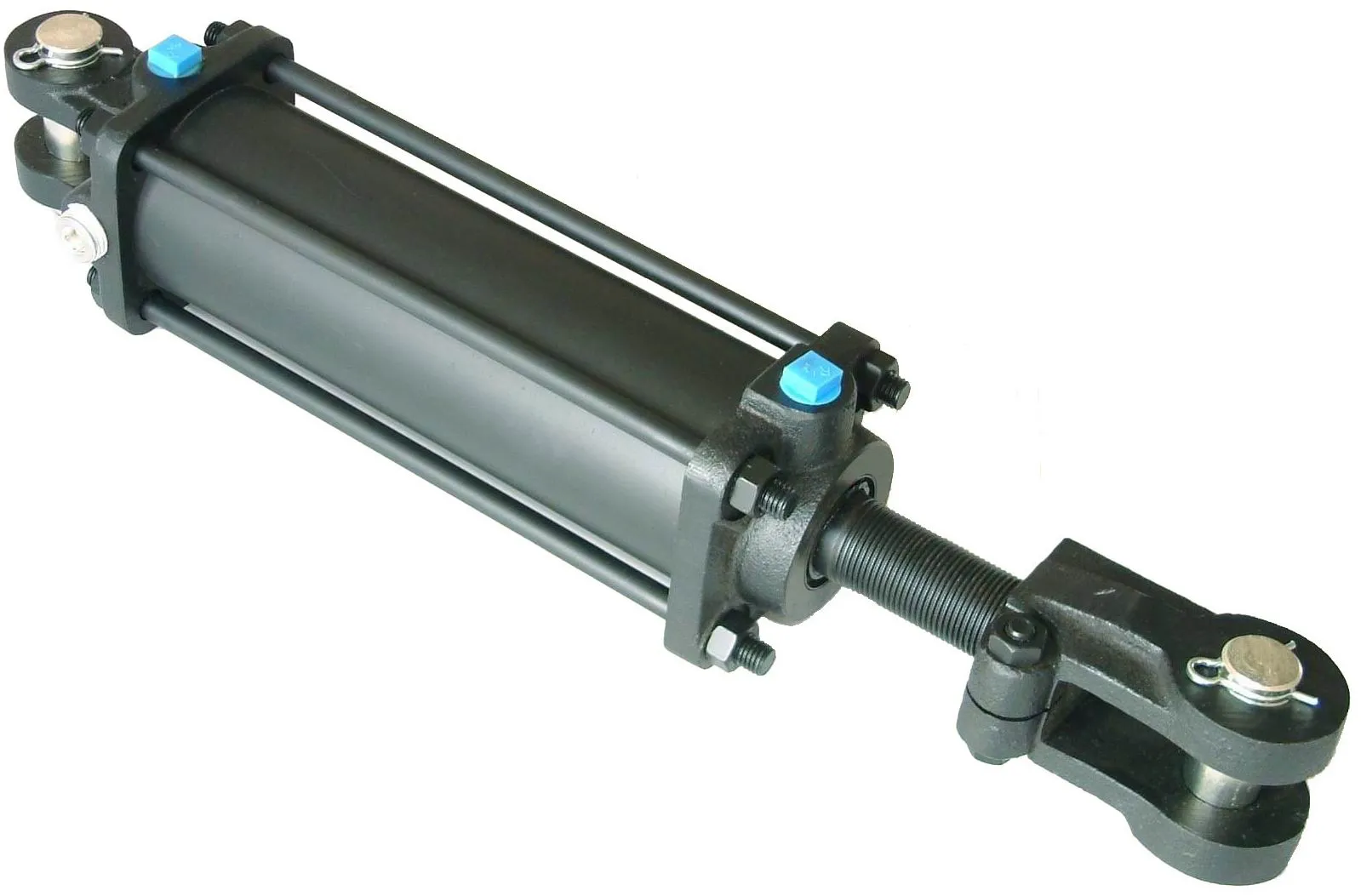
A single-acting hydraulic cylinder consists of a cylinder barrel, piston, rod, and hydraulic fluid. The cylinder barrel houses the piston, which is connected to the rod. When hydraulic fluid is pumped into the cylinder, it exerts pressure on the piston, causing it to move in the desired direction.
The design and construction of single-acting hydraulic cylinders are carefully engineered to ensure smooth and efficient operation. High-quality materials and precise machining are essential for optimal performance.
Working Principle of Single-Acting Hydraulic Cylinders
Single-acting hydraulic cylinders operate on the principle of converting hydraulic energy into mechanical force. When hydraulic fluid is pumped into the cylinder, it pushes the piston in one direction, generating linear force.
The force generation and stroke control mechanism of single-acting cylinders are designed to provide precise and controlled movement. Performance characteristics such as load capacity, speed, and efficiency determine the suitability of these cylinders for various applications.
Types of Single-Acting Hydraulic Cylinders
There are different types and configurations of single-acting hydraulic cylinders available, each tailored to specific applications. Common types include telescopic cylinders, plunger cylinders, and ram cylinders, each designed to meet specific force and stroke requirements.
Advantages of Single-Acting Hydraulic Cylinders
Single-acting hydraulic cylinders offer several advantages, including compact design, high load capacity, robust construction, leak resistance, cost-effectiveness, and suitability for harsh industrial environments. These cylinders are widely used in industries such as construction, manufacturing, transportation, and more.
Factors to Consider When Selecting Single-Acting Cylinders
When choosing a single-acting cylinder for a specific application, factors such as cylinder size, force calculations, stroke length, inner diameter, and rod diameter must be carefully considered. The design and specifications of the cylinder should align with the load requirements for optimal performance.
Sealing Technology and Cylinder Structure
Sealing technology is critical in single-acting cylinders to prevent leaks and ensure smooth operation. Different sealing materials, coatings, and surface treatments are used to enhance the durability and performance of these cylinders. Proper sealing is essential for maintaining the efficiency and reliability of hydraulic systems.
Controlling Cylinder Speed and Movement
Various methods are used to control the speed and movement of single-acting hydraulic cylinders, including adjustable buffering options to prevent shock and vibration. Proper speed control and buffering mechanisms are essential for safe and efficient operation of hydraulic systems.
Inspection and Maintenance of Single-Acting Cylinders
Regular inspection and preventive maintenance are crucial for prolonging the lifespan of single-acting hydraulic cylinders. Proper lubrication, seal replacement, and calibration inspections are essential to ensure optimal performance and prevent costly downtime.
Installation and Maintenance Guidelines
Correct installation procedures are essential for the efficient operation of single-acting hydraulic cylinders. Following manufacturer guidelines and ensuring proper alignment and connection of components are key to preventing malfunctions and ensuring safety.
Safety Considerations and Environmental Factors
Safety measures and environmental considerations are paramount when using single-acting hydraulic cylinders. Proper training, maintenance, and monitoring of hydraulic systems are essential for preventing accidents and minimizing environmental impact.
Fault Diagnosis and Troubleshooting
Detecting and resolving common problems in single-acting hydraulic cylinders require a systematic approach to fault diagnosis and troubleshooting. Understanding the root cause of issues and implementing effective solutions are key to maintaining the reliability of hydraulic systems.
Common Questions About Single-Acting Hydraulic Cylinders
1. What is the primary function of single-acting hydraulic cylinders?
Single-acting hydraulic cylinders generate linear force in one direction using hydraulic fluid and external forces.
2. How do single-acting hydraulic cylinders generate linear force?
Single-acting cylinders convert hydraulic energy into mechanical force by pushing the piston in one direction.
3. What are some common applications of single-acting hydraulic cylinders?
Single-acting cylinders are used in various industries such as construction, manufacturing, transportation, and more for pushing or pulling motions in one direction.
Long-Tail Keywords for Single-Acting Hydraulic Cylinders
1. High-load capacity single-acting hydraulic cylinders: These cylinders are designed to withstand heavy loads and provide reliable performance in demanding applications.
2. Compact design single-acting hydraulic cylinders: Compact and space-saving cylinders that offer efficient force generation and precise movement control in confined spaces.
3. Leak-resistant single-acting hydraulic cylinders: Sealed and durable cylinders that prevent leaks and ensure efficient operation in challenging environments.
Company Introduction
Our company is a leading hydraulic cylinder replacement manufacturer with a comprehensive product line. We offer professional services, international certification, customized solutions, state-of-the-art production equipment, and reliable after-sales support. With a focus on quality and innovation, we have established ourselves as a trusted supplier in the global market.
Author: lyl