
The Ultimate Guide to Heavy-Duty Hydraulic Cylinders
Introduction to Heavy-Duty Hydraulic Cylinders
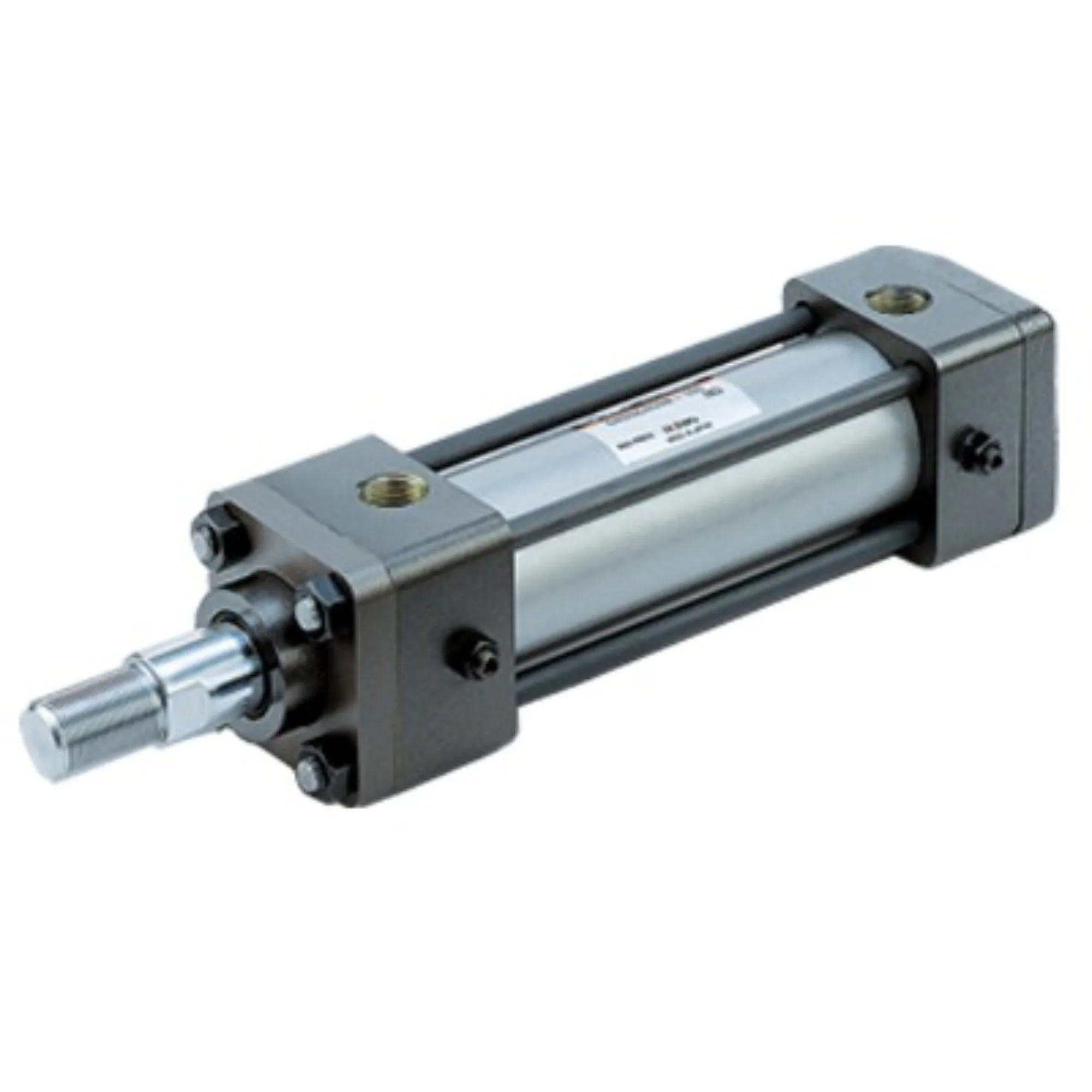
Heavy-duty hydraulic cylinders are robust and powerful mechanical devices used in various industries for transferring force through a hydraulic fluid to perform linear motion. These cylinders are designed to withstand high pressure and heavy loads, making them essential components in numerous applications.
Importance and Application of Heavy-Duty Hydraulic Cylinders
Heavy-duty hydraulic cylinders play a crucial role in industries such as construction, mining, agriculture, and manufacturing, where they are used in equipment like excavators, bulldozers, tractors, and presses. Their ability to provide precise and controlled movement makes them indispensable for achieving efficiency and productivity in these sectors.
Working Principle and Basic Operation
Heavy-duty hydraulic cylinders operate based on Pascal’s law, which states that pressure exerted at any point in a confined fluid is transmitted equally in all directions. When hydraulic fluid is pumped into the cylinder, it pushes against a piston, generating linear motion to move a load or perform a specific task.
Types and Configurations
There are various types of heavy-duty hydraulic cylinders, including single-acting, double-acting, telescopic, and differential cylinders, each designed for specific applications and load requirements. These cylinders come in different configurations, such as tie-rod, welded, and mill-type cylinders, offering versatility and flexibility in usage.
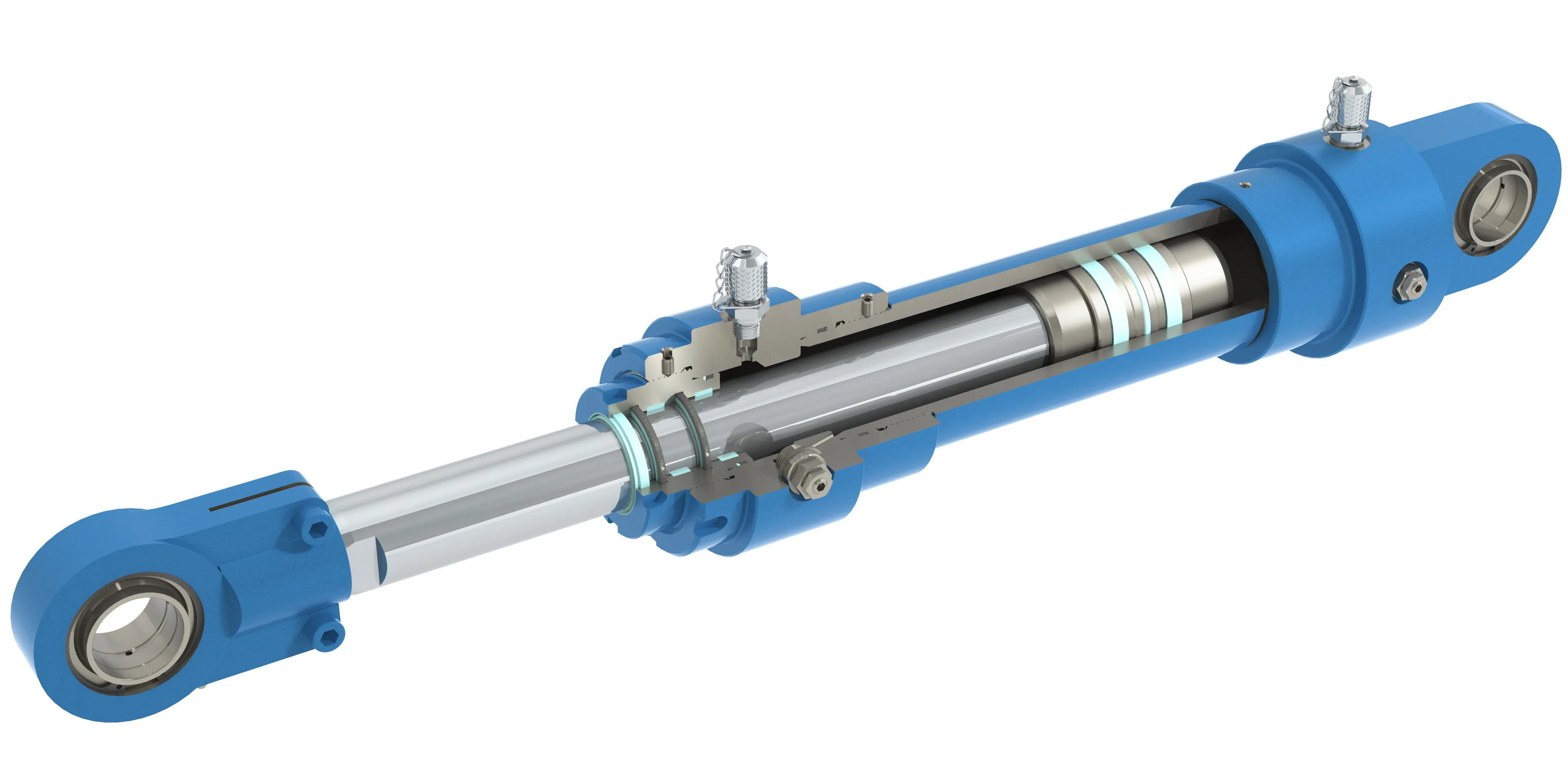
Advantages of Heavy-Duty Hydraulic Cylinders
Some advantages of heavy-duty hydraulic cylinders include high force output, precise control, compact design, durability, and low maintenance requirements. These features make them ideal for heavy-duty applications where reliability and performance are paramount.
Industries Using Heavy-Duty Hydraulic Cylinders
Heavy-duty hydraulic cylinders are widely used in industries like construction, mining, agriculture, marine, and automotive. For example, in construction, these cylinders are found in cranes and excavators, while in mining, they power equipment like rock breakers and dump trucks, showcasing their versatility and importance.
Factors Affecting Performance
Several factors can impact the performance of heavy-duty hydraulic cylinders, including load capacity, maximum working pressure, piston diameter, rod size, cylinder stroke length, retract speed, seal selection, sealing mechanism, operating temperature range, and fluid compatibility. Proper consideration of these factors is crucial for ensuring optimal performance and longevity of the cylinders.
Maintenance and Care
Regular maintenance and care are essential for prolonging the lifespan and efficiency of heavy-duty hydraulic cylinders. This includes inspecting for leaks, checking for wear and tear, lubricating moving parts, and replacing seals or components as needed to prevent breakdowns and costly repairs.
Installation Guide
Proper installation of heavy-duty hydraulic cylinders is vital for their optimal performance. Ensuring correct alignment and parallelism, as well as following manufacturer guidelines for installation techniques, can prevent issues like misalignment and premature wear, leading to improved reliability and functionality.
Maintenance Tasks
Common maintenance tasks for heavy-duty hydraulic cylinders include regular cleaning to remove dirt and debris, proper lubrication of moving parts to reduce friction, and checking for wear on seals and components to prevent leaks and malfunctions. Performing these tasks routinely can extend the life of the cylinders and maintain their efficiency.
Fault Diagnosis and Solutions
When encountering issues with heavy-duty hydraulic cylinders, it is essential to diagnose the problem accurately and implement effective solutions. Common problems include leaks, seal damage, and piston misalignment, which can be resolved through proper troubleshooting techniques and timely maintenance. Preventive measures can also be taken to minimize potential problems and ensure continuous operation.
FAQs
1. What are heavy-duty hydraulic cylinders?
Heavy-duty hydraulic cylinders are powerful mechanical devices used to generate linear motion through the transmission of force via hydraulic fluid, commonly employed in heavy-duty applications across various industries.
2. What industries commonly use heavy-duty hydraulic cylinders?
Heavy-duty hydraulic cylinders are widely used in industries such as construction, mining, agriculture, marine, and automotive, where their robust design and precise control are essential for achieving efficient operations and productivity.
3. What factors affect the performance of heavy-duty hydraulic cylinders?
Several factors, including load capacity, maximum working pressure, piston diameter, rod size, cylinder stroke length, retract speed, seal selection, sealing mechanism, operating temperature range, and fluid compatibility, can impact the performance and longevity of heavy-duty hydraulic cylinders, necessitating proper consideration and maintenance for optimal functionality.