
The Ultimate Guide to Heavy-Duty Hydraulic Cylinders
Introduction to Heavy-Duty Hydraulic Cylinders
Heavy-duty hydraulic cylinders are powerful mechanical devices that utilize fluid pressure to generate force in a linear motion. These cylinders are essential components in various industries where robust and reliable actuation is required.
Composition of Heavy-Duty Hydraulic Cylinders
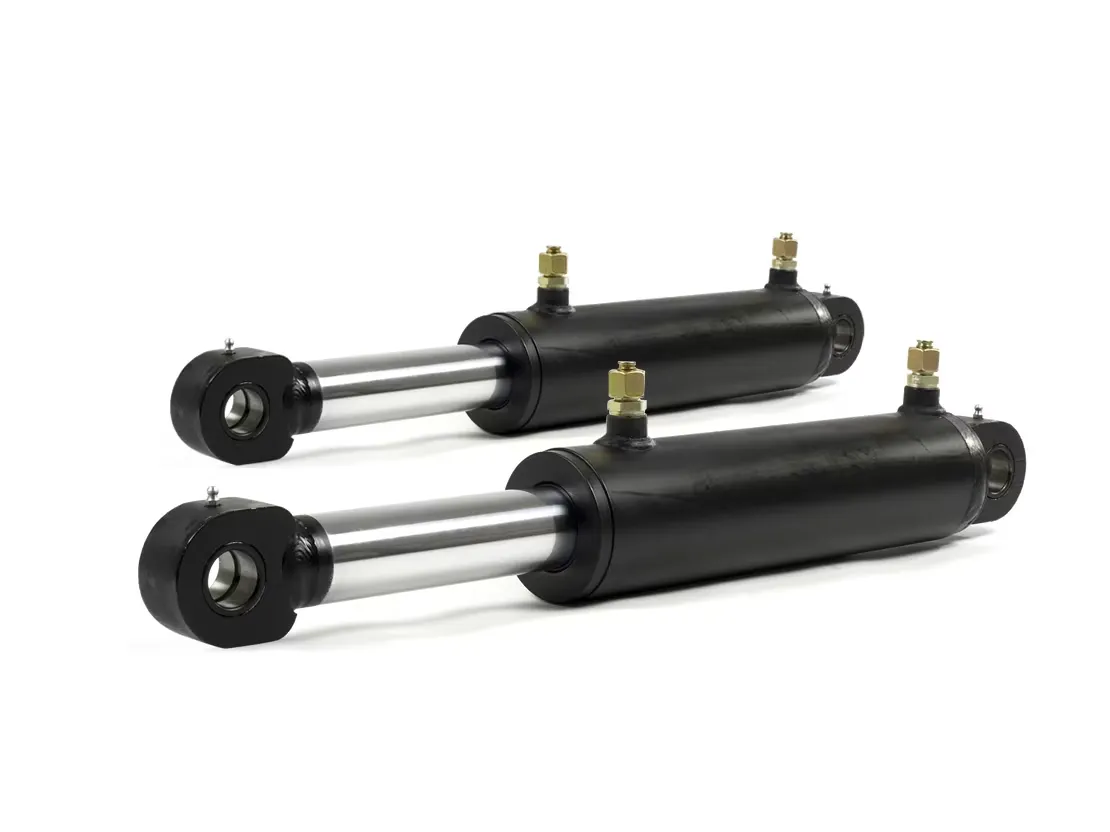
A heavy-duty hydraulic cylinder consists of a cylinder barrel, piston, piston rod, seals, and a hydraulic fluid. The cylinder barrel houses the piston and hydraulic fluid, while the piston rod connects the piston to the external load.
Importance and Applications
Heavy-duty hydraulic cylinders play a vital role in industries such as construction, mining, agriculture, and manufacturing. They are used in applications such as lifting, pushing, pulling, and pressing heavy loads with precision and control.
Working Principle and Operation
The working principle of a heavy-duty hydraulic cylinder involves the conversion of hydraulic energy into mechanical force. When hydraulic fluid is pumped into the cylinder, it pushes the piston, generating linear motion and exerting force on the load.
Basic Operation
As hydraulic fluid enters the cylinder, it pushes the piston outward, exerting force on the load. The piston rod then retracts the piston when the fluid is released, completing the cycle of operation.
Types and Configurations
There are various types of heavy-duty hydraulic cylinders, including single-acting, double-acting, telescopic, and differential cylinders. Each type offers unique features and advantages for different applications.
Single-Acting Cylinder
A single-acting cylinder operates in one direction, utilizing hydraulic pressure to extend the piston. It relies on an external force, such as gravity or a spring, to retract the piston.
Double-Acting Cylinder
A double-acting cylinder can extend and retract the piston using hydraulic pressure in both directions. This type of cylinder offers more control and versatility in operation.
Advantages of Heavy-Duty Hydraulic Cylinders
Heavy-duty hydraulic cylinders offer several advantages, including high force output, precise control, compact design, durability, and versatility in various applications.
High Force Output
Heavy-duty hydraulic cylinders can generate immense force to handle heavy loads with ease and precision, making them ideal for demanding industrial tasks.
Precise Control
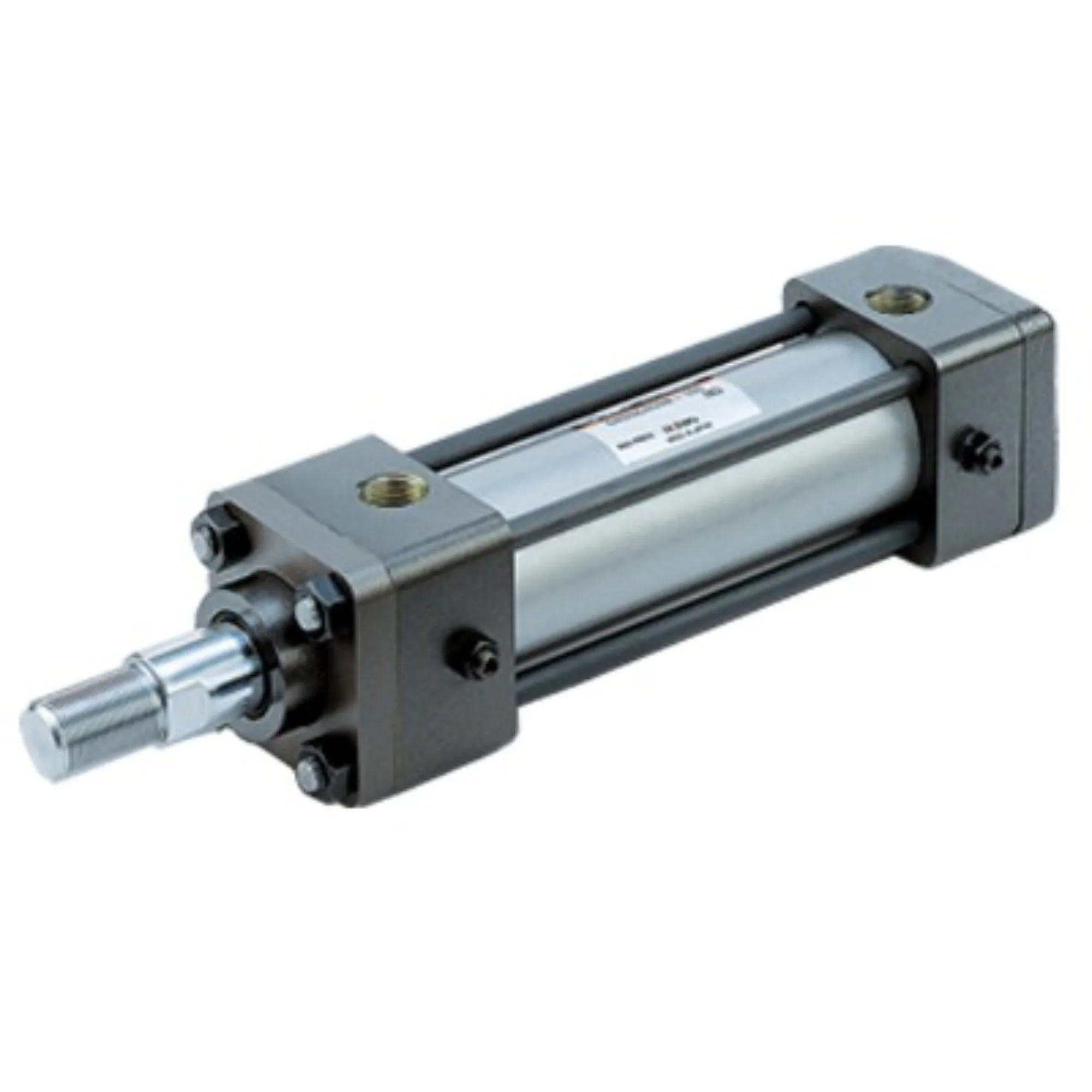
These cylinders provide accurate positioning and control over the movement of loads, ensuring efficient operation and minimal downtime.
Industries Using Heavy-Duty Hydraulic Cylinders
Heavy-duty hydraulic cylinders are widely used in industries such as construction, mining, agriculture, marine, and transportation. They are essential components in equipment such as cranes, excavators, agricultural machinery, ships, and trucks.
Construction Industry
In the construction industry, heavy-duty hydraulic cylinders are used in various equipment such as bulldozers, pile drivers, and concrete pumps for lifting, pushing, and shaping materials.
Mining Industry
Mining operations rely on heavy-duty hydraulic cylinders in equipment like hydraulic shovels, haul trucks, and drilling rigs for moving, drilling, and extracting minerals from the earth.
Factors Affecting Cylinder Performance
Several factors can impact the performance of heavy-duty hydraulic cylinders, including load capacity, maximum working pressure, piston diameter, rod size, cylinder stroke length, retract speed, seal selection, sealing mechanism, operating temperature range, and fluid compatibility.
Load Capacity and Maximum Working Pressure
The load capacity and maximum working pressure of a hydraulic cylinder determine its ability to handle different loads and operating conditions efficiently.
Seal Selection and Sealing Mechanism
The type of seals used in a hydraulic cylinder, along with the sealing mechanism, plays a crucial role in preventing leaks and ensuring smooth operation.
Maintenance and Care
Regular maintenance and care are essential to prolong the lifespan and performance of heavy-duty hydraulic cylinders. Routine inspection and preventive maintenance measures can help prevent costly breakdowns and ensure optimal operation.
Regular Inspection
Inspecting the cylinder regularly for wear, leaks, and damage can help identify potential issues early and prevent catastrophic failure.
Installation Guide
Proper installation of heavy-duty hydraulic cylinders is crucial for optimal performance and longevity. Correct alignment, parallelism, and mounting techniques are essential to ensure smooth operation and prevent premature wear.
Maintenance Tasks
Common maintenance tasks for heavy-duty hydraulic cylinders include cleaning, lubrication, and checking for wear on seals, rods, and pistons. Regularly performing these tasks can help extend the life of the cylinder and prevent malfunctions.
Fault Diagnosis and Solutions
Diagnosing common problems with heavy-duty hydraulic cylinders, such as leaks, erratic operation, and insufficient force output, requires a systematic approach to troubleshooting. Identifying the root cause of the issue and implementing appropriate solutions can help restore the cylinder’s performance.
Troubleshooting Tips
Implementing preventive measures and following best practices for maintenance and operation can minimize potential problems with heavy-duty hydraulic cylinders. Regularly monitoring performance and addressing issues promptly can help prevent costly repairs and downtime.
Frequently Asked Questions
Here are answers to three common questions about heavy-duty hydraulic cylinders:
What are heavy-duty hydraulic cylinders?
Heavy-duty hydraulic cylinders are mechanical devices that use hydraulic pressure to generate force in a linear motion, commonly used in various industries for actuation and control of heavy loads.
What industries commonly use heavy-duty hydraulic cylinders?
Heavy-duty hydraulic cylinders are widely used in industries such as construction, mining, agriculture, marine, and transportation for lifting, pushing, pulling, and shaping materials.
What factors affect the performance of heavy-duty hydraulic cylinders?
Factors such as load capacity, maximum working pressure, seal selection, operating temperature range, and fluid compatibility can impact the performance and efficiency of heavy-duty hydraulic cylinders.