
Fluid Power Maintenance Engineering
How to Repair a Leaking Hydraulic Cylinder Rod Seal?
A comprehensive step by step technical guide covering rod seal replacement procedures, required tools, safety protocols, and best practices for restoring leak free hydraulic cylinder performance.

Understanding Rod Seal Leakage and Repair Fundamentals
In the demanding world of hydraulic system maintenance, knowing how to repair a leaking hydraulic cylinder rod seal is an essential skill that can dramatically reduce equipment downtime, prevent costly fluid loss, and extend the service life of valuable fluid power assets. External fluid leakage past the rod seal is the most common and visible symptom of hydraulic cylinder degradation, signaling that the primary dynamic seal has worn beyond its effective service limit, been damaged by contamination or installation error, or degraded due to chemical attack or thermal aging. While the appearance of oil weeping down the cylinder rod may seem like a minor nuisance, left unaddressed, rod seal leakage leads to progressive contamination of the work environment, loss of hydraulic fluid requiring frequent top offs, and accelerated wear of other cylinder components as abrasive particles are drawn past the failing seal.
The repair process for a leaking hydraulic cylinder rod seal varies significantly depending upon the cylinder construction type. Tie rod cylinders, with their externally accessible fasteners and removable head glands, generally permit rod seal replacement without complete cylinder disassembly, often allowing the repair to be performed with the cylinder body remaining mounted to the machine structure. Welded body cylinders, in contrast, typically require removal of the entire cylinder from the machine and the application of substantial torque using specialized breakout tooling to unscrew the threaded head gland from the barrel. Regardless of cylinder configuration, successful rod seal repair demands meticulous attention to cleanliness, proper use of seal installation tools, careful inspection of mating surfaces for damage that could compromise new seal performance, and adherence to manufacturer torque specifications during reassembly.
This comprehensive technical guide provides detailed, step by step instructions for diagnosing rod seal leakage, safely disassembling the cylinder head assembly, extracting and replacing worn rod seals and wiper seals, inspecting the piston rod and seal gland surfaces, and correctly reassembling the cylinder to restore leak free operation. We will cover the specialized tools required for efficient and damage free seal replacement, the critical inspection points that determine whether a simple seal replacement will suffice or if more extensive repairs are warranted, and the post repair testing procedures that verify successful restoration of sealing integrity. By following the procedures outlined in this guide, maintenance technicians and fluid power professionals can confidently address one of the most frequent hydraulic cylinder service requirements while minimizing the risk of repeat failures and collateral component damage.
Safety Protocols and Pre Repair Preparation
Before attempting to repair a leaking hydraulic cylinder rod seal, rigorous adherence to safety protocols and thorough preparation are absolutely essential to prevent personal injury and equipment damage.
⚠️
Hydraulic Energy Isolation and Lockout Tagout
The single most critical safety requirement before attempting any hydraulic cylinder rod seal repair is the complete isolation and dissipation of stored hydraulic energy. Hydraulic systems operating at pressures up to several thousand PSI contain substantial potential energy that can cause catastrophic injury if released unexpectedly. Begin by de energizing the hydraulic power unit and following formal lockout tagout procedures to prevent accidental restart. Cycle the directional control valve multiple times with the pump de energized to relieve trapped pressure in the cylinder and connecting lines. For cylinders supporting suspended loads, mechanical load holding devices such as safety props, cribbing, or overhead crane support must be securely positioned before disconnecting any hydraulic lines. Never rely solely on hydraulic pressure or cylinder seals to support loads during maintenance operations. Once the system is depressurized and the load is mechanically secured, carefully crack hydraulic fittings to verify zero pressure before proceeding with disconnection.
?
Required Tools and Workspace Preparation
Proper tools and a clean, organized workspace are essential for successful hydraulic cylinder rod seal replacement. Essential tools include a complete socket and wrench set sized appropriately for the cylinder tie rod nuts or head gland, a torque wrench capable of achieving manufacturer specified assembly torques, seal picks fabricated from brass or plastic to avoid scratching precision surfaces, seal installation sleeves and bullet tools to guide seals over sharp threads and shoulders, soft faced hammers for gentle persuasion without component damage, and clean lint free rags for wiping components. For welded cylinders with threaded head glands, specialized spanner wrenches, pin wrenches, or fabricated breakout tools matched to the gland configuration may be required. Prepare a clean work surface covered with protective material to prevent contamination and damage to precision components. Have the correct seal kit readily available, verifying that the kit part number matches the specific cylinder model and bore size before beginning disassembly.

Step by Step Rod Seal Replacement for Tie Rod Cylinders
Tie rod hydraulic cylinders offer the most straightforward access for rod seal replacement, often permitting the repair to be performed with the cylinder barrel remaining attached to the machine structure.
?Disassembly of Tie Rod Cylinder Head Gland
Begin the tie rod cylinder rod seal repair by thoroughly cleaning the exterior of the cylinder, particularly around the head gland area, to prevent contamination from entering during disassembly. Using appropriately sized wrenches or sockets, loosen and remove the tie rod nuts from the head end of the cylinder. On some cylinder designs, it may be possible to remove only the head end tie rod nuts while leaving the cap end nuts undisturbed, allowing the head gland to be slid off the rod without complete cylinder disassembly. Once the tie rod nuts are removed, carefully slide the head gland assembly off the piston rod, taking care to support the rod to prevent bending or damage. If the head gland resists removal, gentle tapping with a soft faced hammer may be required to break the static seal friction. As the head gland is removed, note the orientation and stacking order of any spacers, bushings, or backup rings for correct reassembly.
?️Seal Extraction and Gland Cleaning
With the head gland removed from the cylinder, proceed to extract the worn rod seal and wiper seal from their respective gland grooves. Using a brass or plastic seal pick to avoid scratching the precision machined gland surfaces, carefully pry the old seals from their grooves. Note the orientation of each seal as it is removed the rod seal dynamic lip should face toward the pressure side of the cylinder, while the wiper seal scraping lip should face outward. Inspect the seal grooves for any burrs, corrosion, or damage that could compromise new seal performance. Clean the gland thoroughly using clean hydraulic fluid and lint free cloths, paying particular attention to the seal grooves where debris can become trapped. If the gland incorporates a rod bushing or bearing, inspect its inner surface for scoring or excessive wear that could indicate the need for more extensive cylinder repair beyond simple seal replacement.

Rod Seal Replacement for Welded Body Hydraulic Cylinders
Welded body hydraulic cylinders present additional challenges for rod seal replacement due to the threaded head gland retention and typically require complete cylinder removal from the machine.
?
Cylinder Removal and Head Gland Disassembly
Unlike tie rod cylinders, welded body cylinders require removal from the machine to access the threaded head gland. After safely isolating hydraulic energy and disconnecting hydraulic lines, remove the cylinder mounting pins or bolts and carefully extract the cylinder from the machine. Secure the cylinder in a suitable holding fixture or bench vise using protective jaw covers to prevent damage to the cylinder body or rod surface. Many welded cylinder head glands are retained by a locking device such as a set screw, snap ring, or thread locking compound that must be addressed before unscrewing the gland. Remove any locking devices and apply penetrating oil to the threads if corrosion is evident. Using a spanner wrench, pin wrench, or custom fabricated tool that engages the gland wrenching features, apply steady rotational force to unscrew the gland. The initial breakaway torque may be substantial due to factory applied thread locking compounds. Once the gland threads are fully disengaged, carefully slide the rod and piston assembly out of the cylinder barrel, supporting the rod to prevent bending.
⚙️
Piston Disassembly and Rod Surface Inspection
With the rod and piston assembly removed from the barrel, the piston must be disassembled from the rod to allow the head gland to be slid off the rod end. The piston is typically retained by a threaded nut secured with a locking device such as a setscrew, locking wire, or deformed thread locking feature. Remove the locking device and unscrew the piston nut, noting the orientation and stacking order of the piston, seals, wear rings, and any spacers. With the piston removed, slide the head gland off the rod end. This is the critical moment for a thorough inspection of the piston rod surface. Examine the chrome plated rod surface under good lighting for any scoring, pitting, corrosion, or chrome spallation. Run a fingernail across any suspected defects if the nail catches, the damage is sufficient to compromise new seal life. Rods with significant surface damage should be rechromed or replaced, as installing new seals on a damaged rod will result in rapid repeat failure and wasted repair effort.
?
Head Gland Seal Replacement and Reassembly
With the head gland removed from the rod, extract the old rod seal, wiper seal, and any internal static seals or O-rings from their respective grooves using non marring seal picks. Clean the gland thoroughly and inspect seal grooves for damage. Lubricate the new seals generously with clean hydraulic fluid and carefully install them into their grooves, ensuring correct orientation. The rod seal dynamic lip must face the pressure side, while the wiper seal scraping lip faces outward. Use seal installation sleeves or bullet tools to guide the new seals over rod threads and sharp shoulders during reassembly to prevent cutting or nicking the delicate sealing lips. Reassemble the piston onto the rod, applying thread locking compound to the piston nut if specified, and torque to manufacturer recommendations. Carefully insert the rod and piston assembly into the honed cylinder barrel, taking care not to damage the piston seals on the barrel port threads or sharp edges. Thread the head gland into the barrel and torque to specification using the appropriate wrenching tool.
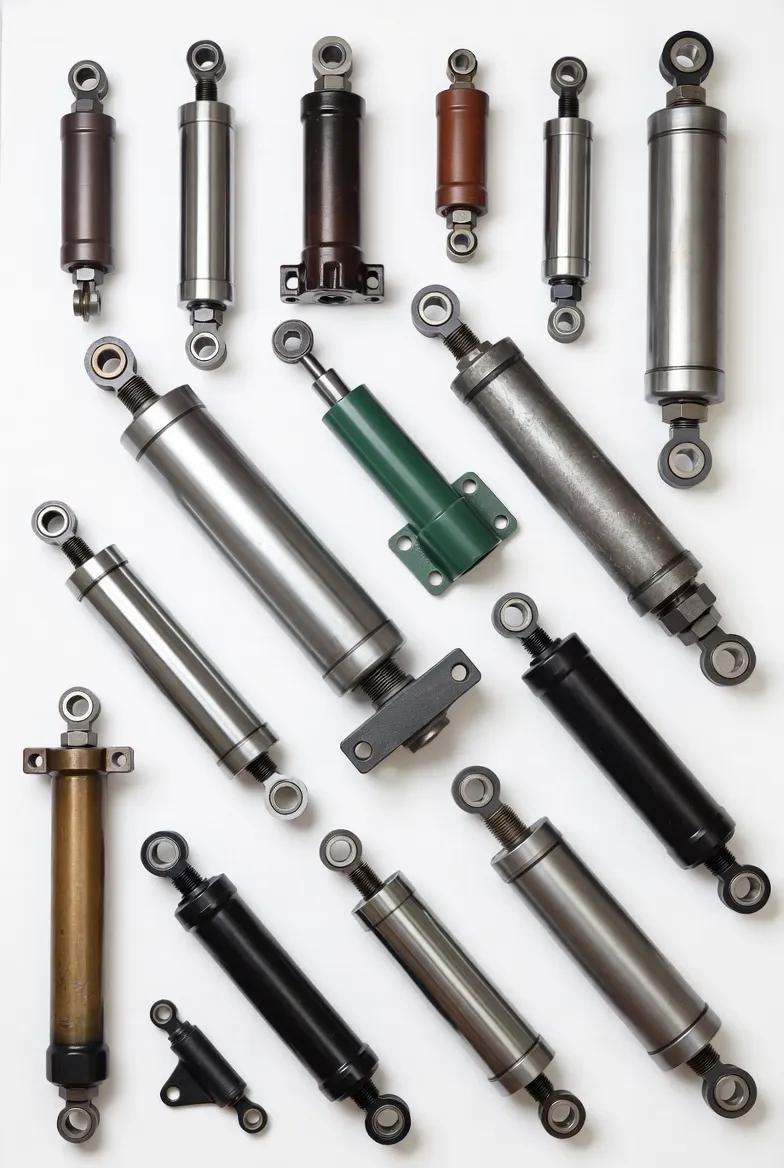
Seal Installation Best Practices and Common Pitfalls
Proper seal installation technique is arguably the single most important factor determining the success and longevity of a hydraulic cylinder rod seal repair.
- ?
Using Seal Installation Sleeves and Bullet Tools: Never force a seal over sharp threads, keyways, or abrupt shoulders without proper protection. Seal installation sleeves and bullet tools are specifically designed to gradually expand seals to their installation diameter while providing a smooth, continuous surface that prevents cutting or nicking. For rod seals being installed over the end of the piston rod, slide an appropriately sized installation sleeve over the rod end threads and any sharp features. Lubricate the sleeve and the seal liberally with clean hydraulic fluid, then gently push or work the seal over the sleeve and onto the rod. The small investment in proper installation tools yields substantial returns in the form of reduced seal damage and extended service life.
- ?
Correct Seal Orientation and Stacking Sequence: Hydraulic rod seals are directional components that must be installed with the dynamic sealing lip facing the correct direction. The primary rod seal lip must face inward toward the pressure side of the cylinder so that system pressure energizes the seal against the rod surface. The wiper seal scraping lip must face outward to effectively scrape contaminants from the rod during retraction. Some rod seal arrangements employ multiple sealing elements including primary seals, secondary buffer seals, and backup rings. Document the orientation and stacking order of all components during disassembly, taking photographs if necessary, to ensure correct reassembly. Installing a seal backwards is a common and costly error that results in immediate leakage and necessitates repeating the entire repair procedure.
- ?
Avoiding Seal Twisting and Uneven Seating: When installing seals into their gland grooves, take care to seat them evenly around the entire circumference without twisting. Twisted seals will not sit properly in the groove and will experience uneven loading that accelerates wear and promotes leakage. For larger diameter seals, working progressively around the circumference using smooth, non marring tools helps achieve uniform seating. After installation, visually inspect the seal around its full perimeter to verify that it is fully seated in the groove and that no portions of the seal are rolled or pinched. A properly installed seal should appear uniform and symmetrical with the sealing lip projecting appropriately from the gland surface.

Post Repair Testing and Commissioning Procedures
After completing hydraulic cylinder rod seal replacement, proper testing and commissioning procedures verify the success of the repair and ensure reliable operation before returning the machine to production service.
Initial Low Pressure Cycling and Air Bleeding
Before subjecting a newly sealed hydraulic cylinder to full system pressure, it is essential to cycle the cylinder gently at reduced pressure to allow the seals to seat properly and to purge entrapped air from the cylinder cavities. With the hydraulic system pressure set to a minimum value sufficient to move the unloaded cylinder, slowly cycle the cylinder through several complete extension and retraction strokes. Observe the rod seal area for any immediate leakage. Slight initial weeping may occur as the new seal lips wear in to conform perfectly to the rod surface, but this should diminish after a few cycles. Bleed any entrapped air from the cylinder by loosening the rod end port fitting slightly during the final portion of the retraction stroke until a small amount of fluid is expelled, then retighten. Air entrainment can cause spongy operation and localized heating that damages new seals.
Full Pressure Verification and Leak Testing
After successful low pressure cycling, gradually increase system pressure to normal operating levels while continuing to cycle the cylinder. Observe the rod seal area closely for any signs of fluid leakage or weeping. A properly installed rod seal should maintain a dry rod surface with perhaps a barely perceptible lubrication film that is immediately scraped back into the cylinder by the wiper seal. Any visible droplet formation or streaking indicates incomplete sealing and warrants further investigation. For critical applications, a white absorbent paper held against the rod seal area for several cycles can detect leakage too slight to be visually apparent. If leakage persists after reasonable break in cycling, the repair must be revisited to identify root causes such as seal installation damage, incorrect seal orientation, or preexisting rod surface damage that was not adequately addressed.
Operational Monitoring and Documentation
Following successful verification of leak free operation, document the repair in the equipment maintenance records including the date, cylinder identification, seal kit part number used, and any observations regarding component condition noted during disassembly. This documentation supports future troubleshooting and helps establish appropriate preventive maintenance intervals. During the initial period of operation after returning the machine to service, periodically inspect the cylinder for any developing leakage. Some seal materials require several hours of operation to fully conform to the sealing surfaces and achieve optimal performance. If the cylinder is equipped with rod bellows or protective boots, ensure they are properly reinstalled to protect the new seals from environmental contamination that would prematurely shorten their service life.
Mastering how to repair a leaking hydraulic cylinder rod seal empowers maintenance professionals to address one of the most common hydraulic system service requirements efficiently and effectively. By following proper safety protocols, using appropriate tools and techniques, and conducting thorough post repair testing, reliable leak free cylinder operation can be restored while minimizing costly machine downtime and extending overall fluid power system life.

Conclusion: Restoring Hydraulic Cylinder Integrity Through Proper Rod Seal Repair
Repairing a leaking hydraulic cylinder rod seal is a fundamental maintenance procedure that, when executed with proper technique and attention to detail, reliably restores leak free actuator performance and extends equipment service life. The process demands rigorous adherence to safety protocols for hydraulic energy isolation and load securing, methodical disassembly with careful documentation of component orientation, meticulous cleaning and inspection of sealing surfaces and rod condition, and precise seal installation using appropriate tools to prevent damage to delicate sealing elements. Whether addressing the relatively accessible tie rod cylinder configuration or the more challenging welded body cylinder design, the principles of clean work practices, correct seal orientation, and post repair testing remain universally applicable. By investing the time and care necessary to perform rod seal replacement correctly, maintenance professionals avoid the frustration and expense of repeat failures while ensuring that valuable hydraulic machinery returns to productive service with restored efficiency and reliability.