
Introduction
The use of agricultural hydraulic cylinders is essential in modern farming equipment to enable effective movement of tools, lifting operations, and steering mechanisms.
Significance of Hydraulic Cylinders in Agriculture
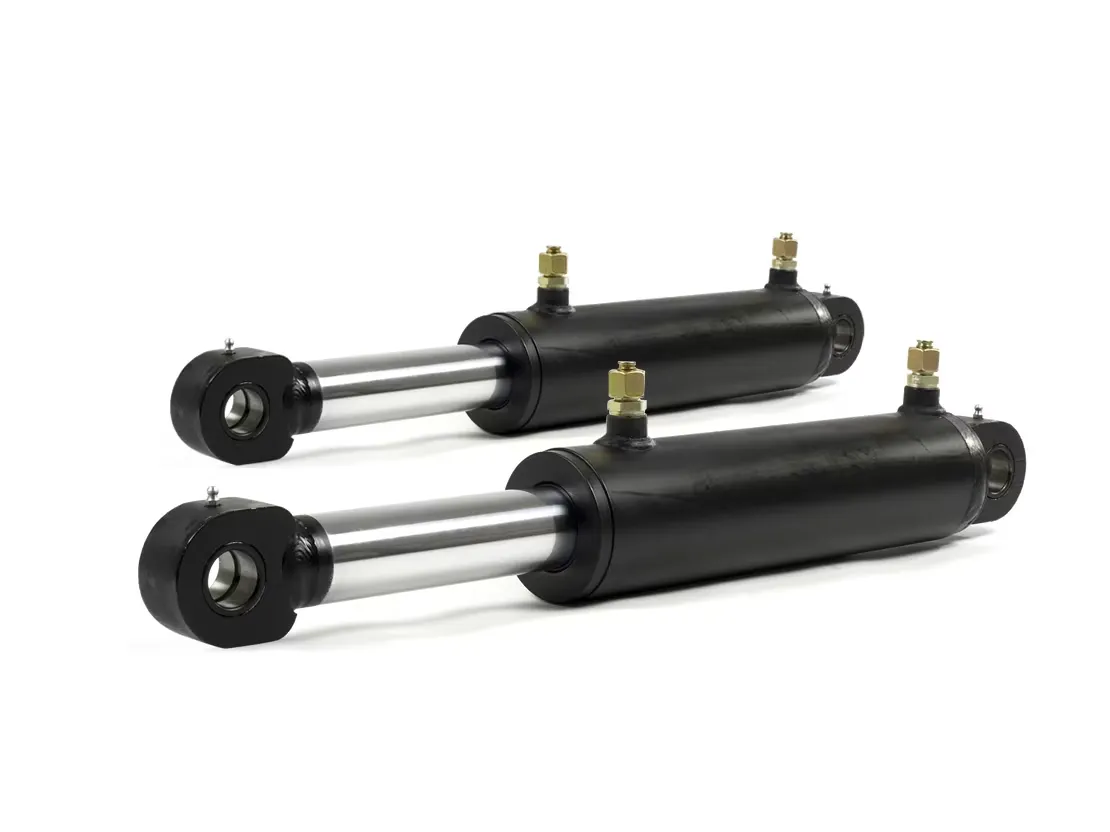
Hydraulic cylinders play a crucial role in agricultural machinery by utilizing hydraulic fluid pressure to produce linear motion, allowing for the extension or contraction of the piston within the cylinder.
Basic Working Principle
The basic working principle of a hydraulic cylinder involves the use of hydraulic fluid pressure to generate linear motion. The piston inside the cylinder moves in response to changes in fluid pressure, enabling the effective operation of agricultural equipment.
Relationship Between Components
The piston, cylinder, and hydraulic oil work together to create movement within the hydraulic cylinder. When fluid pressure changes, the piston extends or contracts accordingly, facilitating the required mechanical action.
Types of Hydraulic Cylinders
There are various types of agricultural hydraulic cylinders, including single acting, double acting, telescopic, and welded cylinders. Each type has specific applications and industry examples that highlight their unique functions and benefits.
Advantages of Hydraulic Cylinders
Hydraulic cylinders offer several advantages in agriculture, such as high force output, precise control of heavy objects, improved efficiency, productivity, and operational flexibility in farming operations.
Applications in Agriculture
Specific applications of hydraulic cylinders in agriculture include equipment such as tractors, harvesters, and loaders. Each type of cylinder serves a distinct purpose in enhancing the performance of these agricultural machines.
Importance of Maintenance
Regular maintenance of agricultural hydraulic cylinders is crucial to ensure optimal performance and longevity. By following proper maintenance procedures, farmers can prevent costly breakdowns and ensure smooth operation of their equipment.
Safety Measures
When working with hydraulic cylinders, it is essential to prioritize safety by following proper decompression procedures, locking mechanisms, and utilizing safety devices. Personal protective equipment (PPE) and safe work practices should always be observed.
Maintenance Tasks
Common maintenance tasks for hydraulic cylinders include cleaning, lubrication, and checking for wear. Each task plays a vital role in preserving the functionality and longevity of the equipment.
Fault Diagnosis
In the event of issues such as leakage, cylinder drift, or seal failure, proper fault diagnosis is essential. By identifying the root cause of the problem, farmers can implement effective solutions to address these common hydraulic cylinder issues.
Choosing the Right Cylinder
When selecting agricultural hydraulic cylinders, factors such as size, pressure rating, and compatibility with existing equipment should be considered. By choosing the right cylinder for the job, farmers can optimize the performance of their machinery.
Long-Tail Keywords
Some long-tail keywords related to agricultural hydraulic cylinders include “High-Pressure Hydraulic Cylinders,” “Customized Hydraulic Cylinder Solutions,” and “Telescopic Hydraulic Cylinder Applications.” Each keyword highlights specific aspects of hydraulic cylinder control for farm implements.
Company Profile
Our company is a leading hydraulic cylinder replacement manufacturer with a comprehensive product line serving both domestic and international markets. We prioritize professionalism, international certifications, customized services, state-of-the-art production equipment, and exceptional after-sales support to meet the needs of our customers.
Author: lyl
