
Exploring the Significance of Hydraulic Cylinder Power Transmission in Agriculture
Introduction
In the realm of modern agricultural equipment, hydraulic cylinders play a pivotal role in enabling effective movement of tools, lifting operations, and steering mechanisms. Understanding the basic working principles, different types, advantages, applications, maintenance, and safety measures associated with agricultural hydraulic cylinders is essential for optimizing their performance in agricultural operations.
Basic Working Principle of Hydraulic Cylinder
Hydraulic cylinders harness the power of hydraulic fluid pressure to generate linear motion. The interaction between the piston, cylinder, and hydraulic oil facilitates the extension or contraction of the piston based on fluid pressure changes. This fundamental principle forms the basis of hydraulic cylinder operation.
Different Types of Agricultural Hydraulic Cylinders
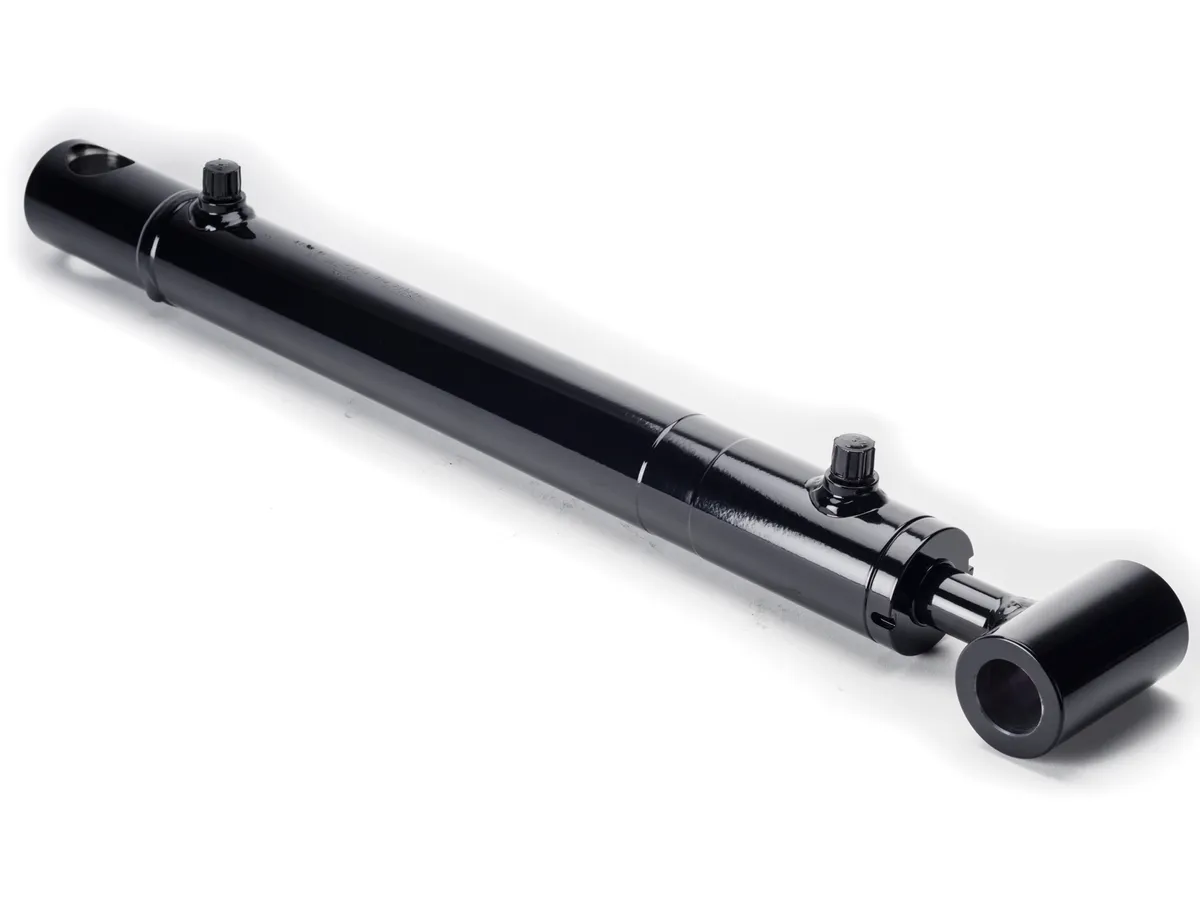
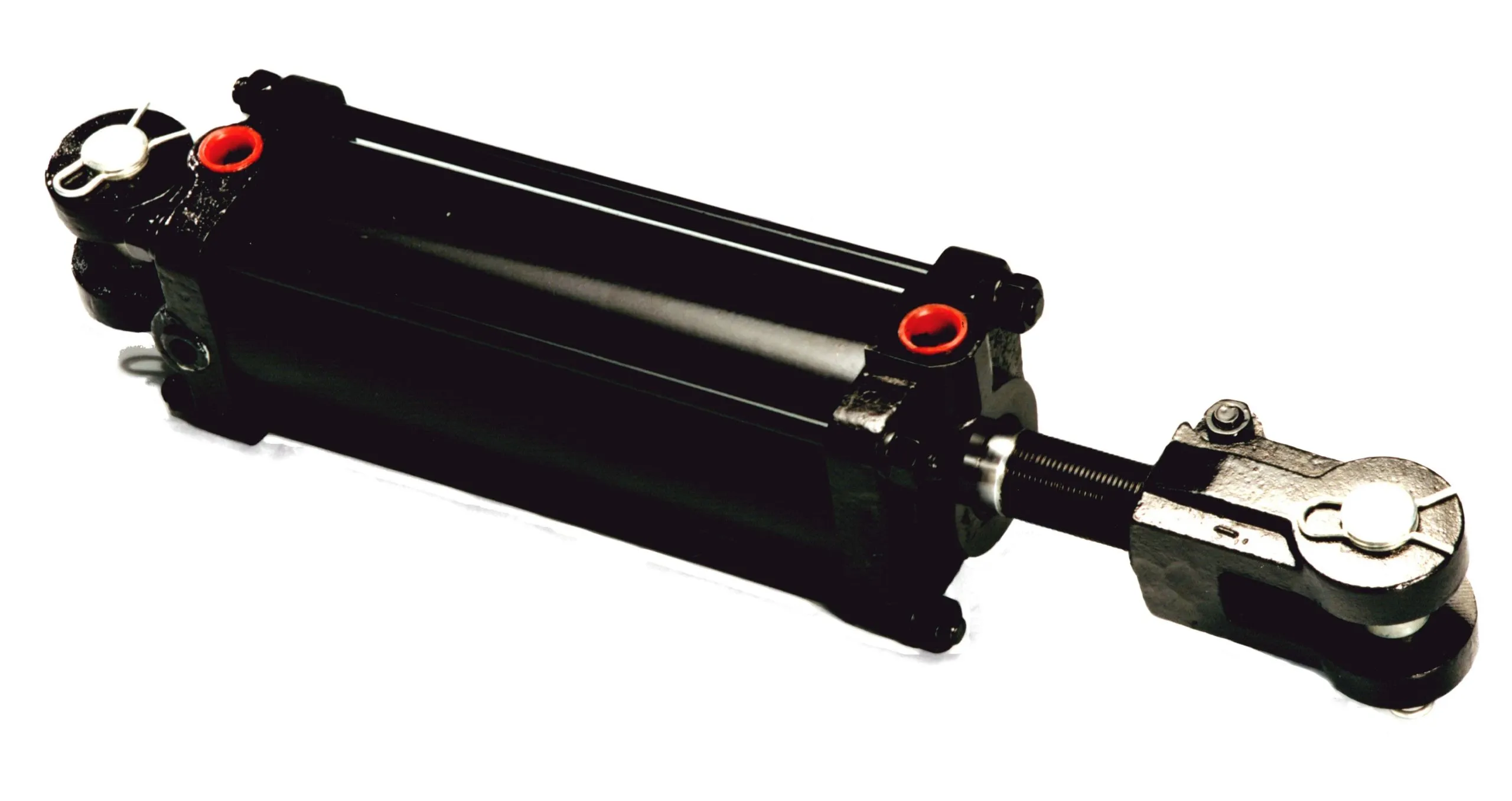
There are various types of hydraulic cylinders used in agriculture, including single acting, double acting, telescopic, and welded cylinders. Each type serves specific purposes, with examples and use cases tailored to industry requirements.
Advantages of Hydraulic Cylinders in Agriculture
1. High force output
2. Accurate control and handling of heavy objects
3. Enhanced efficiency and productivity
4. Operational flexibility
5. Improved safety and reliability
Applications of Hydraulic Cylinders in Agriculture
1. Single Acting Cylinders: Used in plows and harrows for soil cultivation.
2. Double Acting Cylinders: Employed in loaders and backhoes for material handling.
3. Telescopic Cylinders: Found in grain elevators and dump trucks for extending reach.
4. Welded Cylinders: Utilized in sprayers and seeders for precision operations.
5. Custom Cylinders: Tailored for specialized agricultural machinery for specific tasks.
Importance of Maintenance for Hydraulic Cylinders
Regular maintenance of agricultural hydraulic cylinders is crucial to ensure optimal performance and longevity. Proper care and upkeep help prevent breakdowns and extend the service life of hydraulic systems.
Safety Measures for Working with Hydraulic Cylinders
1. Decompression Procedures: Safely release hydraulic pressure before maintenance.
2. Locking/Marking Operations: Secure cylinders to prevent unexpected movement.
3. Safety Devices: Use protective equipment and follow safe practices when handling hydraulic systems.
Maintenance Tasks for Hydraulic Cylinders
1. Cleaning: Remove dirt and debris to prevent contamination.
2. Lubrication: Ensure proper lubrication for smooth operation.
3. Checking Wear: Inspect components for wear and tear to prevent failure.
Fault Diagnosis and Common Problems
Common issues such as leakage, cylinder drift, and seal failure can impact hydraulic cylinder performance. Understanding diagnostic techniques and implementing solutions can help address these problems effectively.
Choosing the Right Agricultural Hydraulic Cylinder
Consider factors like load capacity, stroke length, speed requirements, and mounting options when selecting hydraulic cylinders for agricultural applications. Matching the cylinder specifications to operational needs ensures optimal performance.
Company Profile
Our company is a renowned hydraulic cylinder replacement manufacturer with a comprehensive product line. As a leading supplier in the domestic and international markets, we offer professional services, customized solutions, top-notch production equipment, and reliable after-sales support to meet the diverse needs of our customers.
Author: lyl