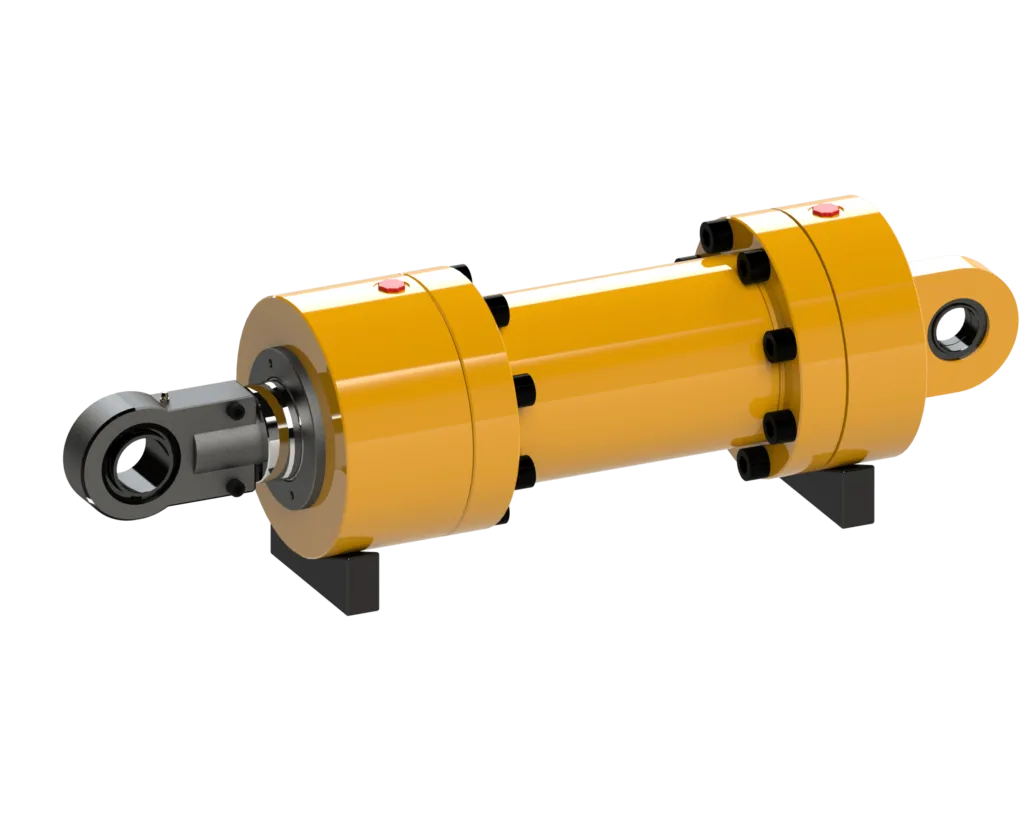
Hydraulic Cylinder Precision For Agricultural Machinery
Introduction
In the realm of modern agricultural equipment, the utilization of agricultural hydraulic cylinders is paramount. These hydraulic cylinders play a crucial role in facilitating the effective movement of tools, lifting operations, and steering mechanisms. Understanding the significance of hydraulic cylinders in agriculture is essential for maximizing efficiency and productivity in farming practices.
Basic Working Principle of Hydraulic Cylinder
Hydraulic cylinders operate based on the principle of using hydraulic fluid pressure to produce linear motion. The piston within the cylinder interacts with the hydraulic oil, and the change in fluid pressure leads to the extension or contraction of the piston. This movement is integral to the functionality of hydraulic cylinders in agricultural machinery.
Types of Agricultural Hydraulic Cylinders
There are various types of hydraulic cylinders used in agriculture, including single-acting, double-acting, telescopic, and welded cylinders. Each type has specific industry examples and use cases that cater to different agricultural needs.
Advantages of Hydraulic Cylinders in Agriculture
1. High force output for heavy-duty tasks
2. Accurate control and handling of heavy objects
3. Enhanced efficiency and operational flexibility
4. Reliable performance in diverse agricultural applications
5. Improved productivity and reduced downtime
Applications of Hydraulic Cylinders in Agriculture
1. Telescopic cylinders for extending reach in harvesting equipment
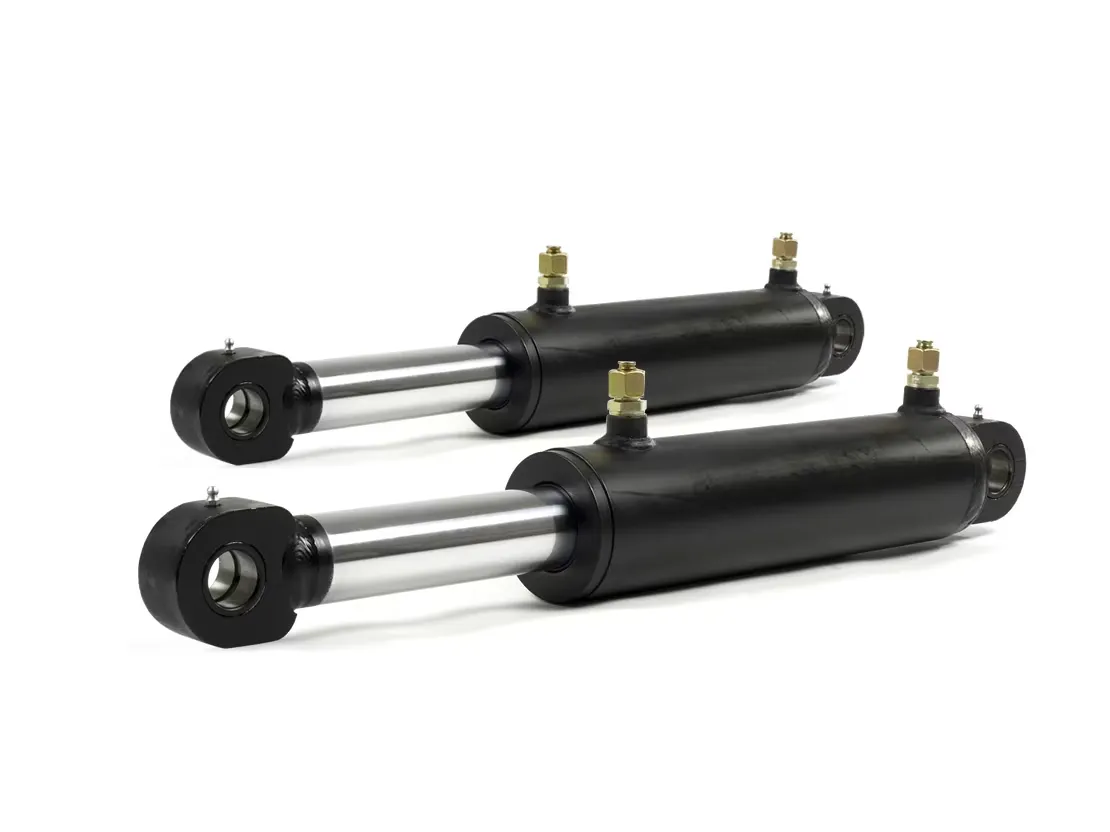
2. Double-acting cylinders for precise control in plowing machinery
3. Single-acting cylinders for lifting operations in tractors
4. Welded cylinders for stability in irrigation systems
5. Customized hydraulic cylinders for specialized agricultural machinery
Importance of Regular Maintenance
Maintaining agricultural hydraulic cylinders is vital to ensure optimal performance and longevity. Regular maintenance routines help prevent issues such as leakage, cylinder drift, and seal failure that can impede agricultural operations.
Safety Measures for Hydraulic Cylinder Handling
Proper decompression procedures, locking mechanisms, and safety devices are essential when working with hydraulic cylinders. Personal protective equipment (PPE) and safe work practices should be prioritized to minimize risks and ensure a safe working environment.
Maintenance Tasks
1. Cleaning: Regularly clean hydraulic cylinders to remove dirt and debris
2. Lubrication: Apply appropriate lubricants to ensure smooth operation
3. Checking wear: Inspect cylinders for wear and tear, and replace components as needed
Fault Diagnosis and Solutions
Common problems such as leakage, cylinder drift, and seal failure can be diagnosed and resolved effectively with proper troubleshooting techniques. Identifying the root cause of issues and implementing suitable solutions is key to maintaining hydraulic cylinder performance.
Choosing the Right Hydraulic Cylinder
When selecting agricultural hydraulic cylinders, factors such as load capacity, operating environment, and compatibility with equipment must be considered. Choosing the right hydraulic cylinder ensures optimal performance and efficiency in agricultural operations.
Long-Tail Keywords
1. “High-Performance Hydraulic Cylinders for Agricultural Machinery”: These cylinders offer superior performance and durability for demanding agricultural tasks.
2. “Customized Hydraulic Solutions for Farming Equipment”: Tailored hydraulic solutions cater to specific farming needs and enhance operational efficiency.
3. “Efficient Hydraulic Cylinder Designs for Agriculture”: Innovative designs optimize hydraulic cylinder functionality in agricultural applications.
Company Focus
Our company is a leading hydraulic cylinder replacement manufacturer, offering a comprehensive product line to domestic and international markets. With a commitment to quality, professional services, and customized solutions, we strive to meet the diverse needs of agricultural equipment manufacturers and distributors.
Author: lyl