
Exploring the Power of Agricultural Hydraulic Cylinders
Introduction: Understanding the Significance
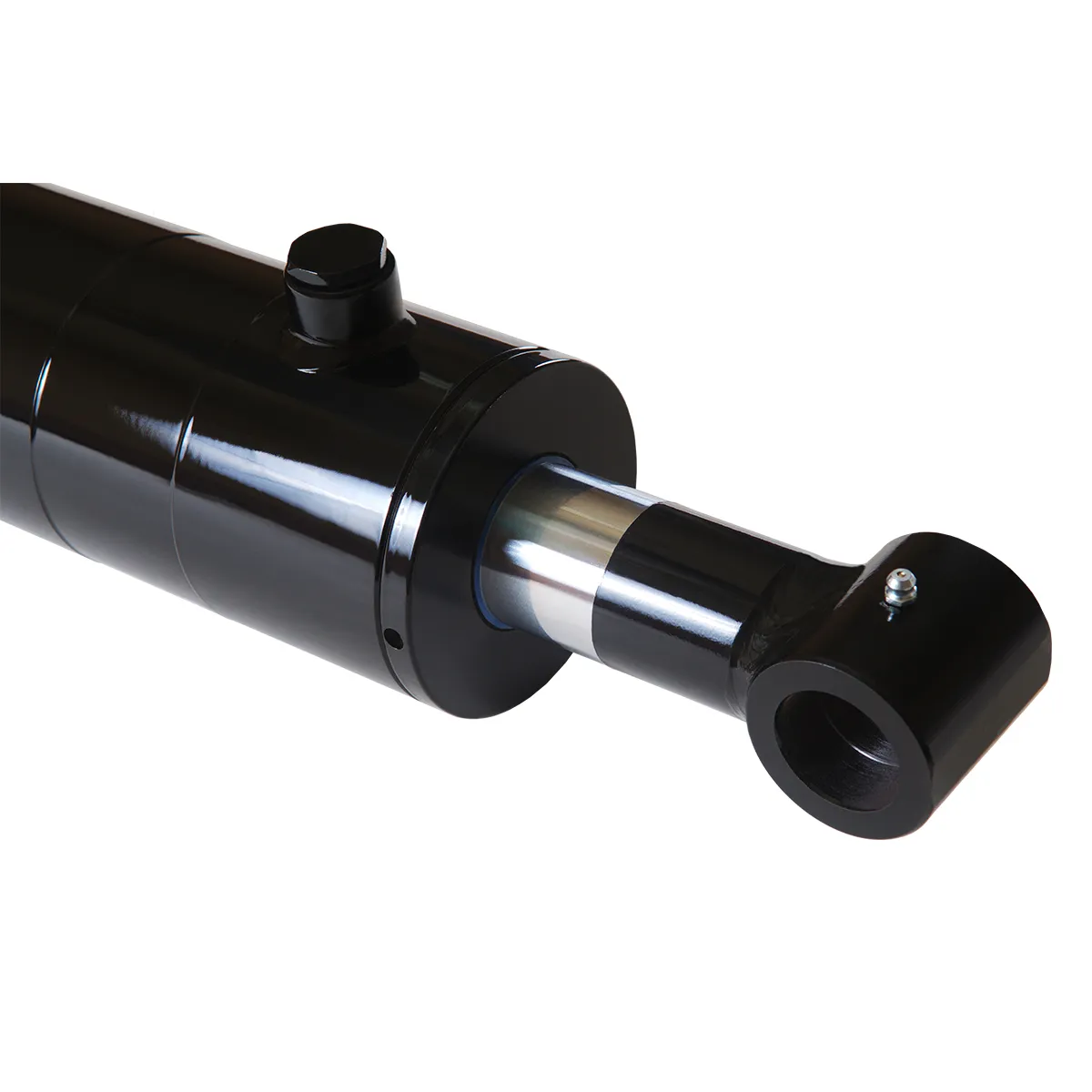
In modern agricultural equipment, the use of hydraulic cylinders is fundamental to enabling effective movement of tools, lifting operations, and steering mechanisms. These essential components play a vital role in ensuring the efficiency and productivity of agricultural machinery.
The Basic Working Principle of Hydraulic Cylinders
Hydraulic cylinders utilize hydraulic fluid pressure to produce linear motion. The piston, cylinder, and hydraulic oil work in harmony to convert fluid pressure changes into the extension or contraction of the piston, allowing for precise control and movement of agricultural equipment.
Types of Agricultural Hydraulic Cylinders
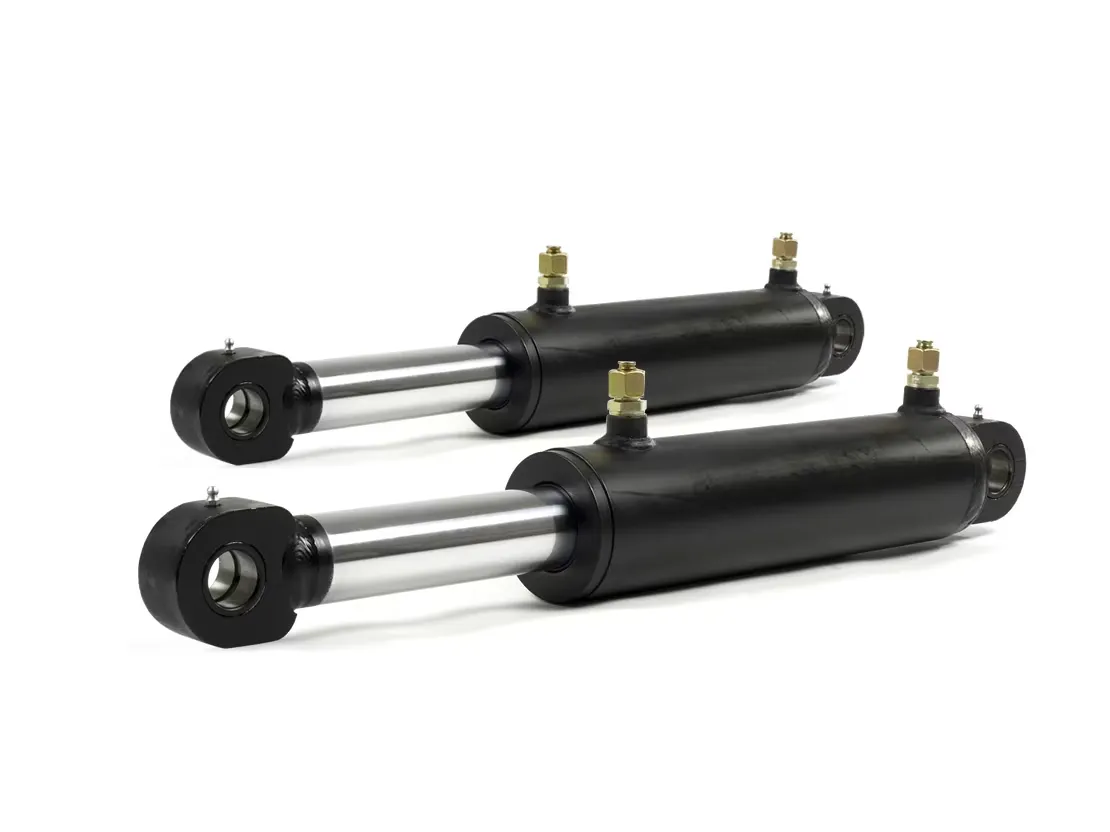
There are various types of hydraulic cylinders used in agriculture, including single acting, double acting, telescopic, and welded cylinders. Each type serves specific purposes and offers unique advantages in different agricultural applications.
Advantages of Hydraulic Cylinders in Agriculture
1. High Force Output: Hydraulic cylinders provide the necessary force to handle heavy loads efficiently.
2. Precise Control: They enable accurate control over movement and positioning of agricultural equipment.
3. Operational Flexibility: Hydraulic systems improve the overall efficiency and productivity of agricultural operations.
Applications of Hydraulic Cylinders in Agriculture
1. Single Acting Cylinders: Used in plows and harrows for soil preparation.
2. Double Acting Cylinders: Essential for lifting and lowering attachments in tractors.
3. Telescopic Cylinders: Commonly found in dump trucks and grain trailers.
Maintenance and Safety
Regular maintenance of hydraulic cylinders is crucial to ensure optimal performance and longevity. Safety measures, including proper decompression procedures and the use of personal protective equipment, must be followed when working with hydraulic systems.
Maintenance Tasks
1. Cleaning: Regularly clean hydraulic cylinders to prevent buildup and corrosion.
2. Lubrication: Ensure proper lubrication of moving parts to reduce wear and tear.
3. Checking Wear: Monitor the condition of seals and components to detect any signs of wear or damage.
Fault Diagnosis and Solutions
Common issues such as leakage, cylinder drift, and seal failure can occur with hydraulic cylinders. By following proper diagnostic procedures and implementing timely repairs, these problems can be effectively resolved to maintain optimal functionality.
Choosing the Right Hydraulic Cylinder
When selecting agricultural hydraulic cylinders, factors such as load capacity, operating conditions, and compatibility with equipment must be considered. Choosing the right cylinder ensures seamless integration and enhanced performance in agricultural applications.
Company Profile
Our company is a leading hydraulic cylinder replacement manufacturer, offering a complete product line for domestic and international markets. With professional services, international certifications, customized solutions, advanced production equipment, and dedicated after-sales support, we are committed to delivering high-quality hydraulic solutions for agricultural needs.
Author: lyl