
Understanding Hydraulic Cylinders in the Industrial Environment
In the industrial setting, hydraulic cylinders play a crucial role in various applications, providing the necessary force to move heavy loads and perform precision tasks. These cylinders are essential components of hydraulic systems, utilizing the power of pressurized fluid to generate linear motion.
Key Components and Structure of Hydraulic Cylinders
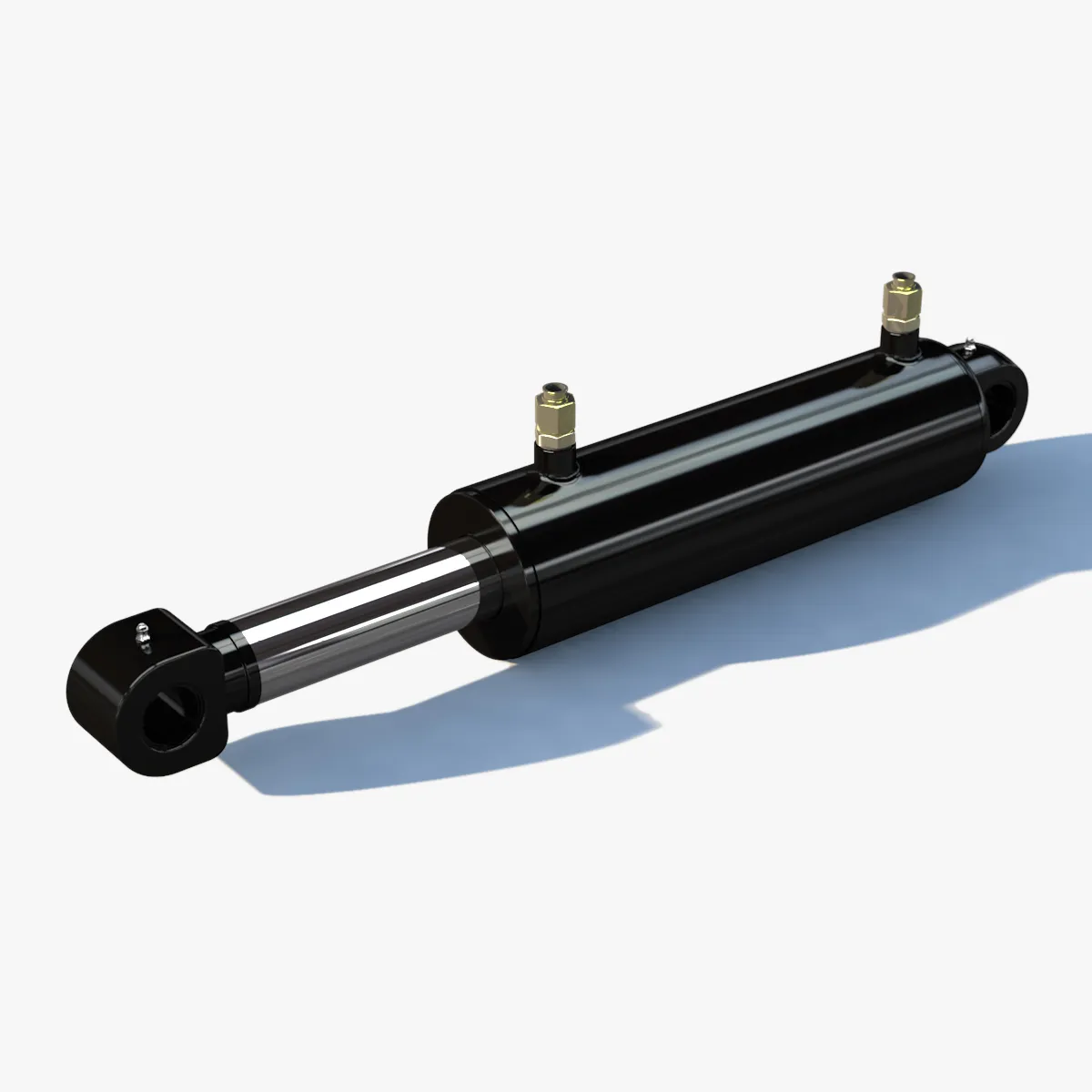
A hydraulic cylinder consists of several key components, including a piston, cylinder barrel, rod, seals, and hydraulic fluid. The piston is housed within the cylinder barrel and connected to the rod, which extends and retracts to move the load. Seals ensure fluid containment and prevent leakage, while hydraulic fluid transmits pressure to create motion.
Principle of Hydraulic Cylinder Operation
The operation of a hydraulic cylinder is based on Pascal’s law, which states that pressure exerted on a confined fluid is transmitted equally in all directions. When hydraulic fluid is pressurized, it exerts force on the piston, causing it to move and generate linear motion. This principle forms the basis of hydraulic power transmission in industrial applications.
Types of Hydraulic Cylinders
Single Acting Cylinders
Single acting cylinders use hydraulic pressure to extend the rod, with an external force (such as a spring) retracting the rod. These cylinders are commonly used in applications where a return stroke is not required.
Double Acting Cylinders
Double acting cylinders utilize hydraulic pressure to both extend and retract the rod, making them suitable for applications requiring precise control over both directions of motion.
Telescopic Cylinders
Telescopic cylinders feature multiple stages that collapse into each other, allowing for a longer stroke length in a compact design. These cylinders are ideal for applications with limited space constraints.
Differential Cylinders
Differential cylinders have varying bore diameters on each side of the piston, enabling differential force and speed control. These cylinders are used in applications where different forces are required on the extending and retracting sides.
Advantages of Industrial Hydraulic Cylinders
1. High Power Density: Hydraulic cylinders offer high force output in a compact design, making them ideal for heavy-duty applications.
2. Precise Control: The use of hydraulic fluid allows for precise and smooth motion control, ensuring accurate positioning of loads.
3. Versatility: Hydraulic cylinders can be customized with various mounting options and accessories to suit a wide range of applications.
4. Durability: With proper maintenance, hydraulic cylinders have a long service life and can withstand harsh industrial environments.
5. Efficiency: Hydraulic systems are energy-efficient, as they can deliver high force output with minimal power consumption.
Industries Using Hydraulic Cylinders
Manufacturing
In manufacturing plants, hydraulic cylinders are used in assembly lines, material handling equipment, and robotic systems to facilitate production processes.

Construction
Construction machinery such as excavators, cranes, and bulldozers rely on hydraulic cylinders for lifting, pushing, and pulling heavy loads on job sites.
Mining
In the mining industry, hydraulic cylinders are critical components in drilling rigs, rock crushers, and underground support systems for efficient mineral extraction.
Agriculture
Agricultural equipment like tractors, harvesters, and irrigation systems incorporate hydraulic cylinders for precise control of implements and machinery functions.
Automotive
In the automotive sector, hydraulic cylinders are used in vehicle lifts, hydraulic brakes, and steering systems to ensure safe and reliable operation on the road.
Selecting the Right Hydraulic Cylinder
When choosing an industrial hydraulic cylinder, factors such as load capacity, stroke length, mounting style, and operating environment must be considered. Matching the performance of the cylinder to the specific requirements of the application is essential for optimal functionality and longevity.
Maintenance of Hydraulic Cylinders
Regular maintenance and care are crucial for ensuring the performance and service life of hydraulic cylinders. Inspection, lubrication, and cleaning procedures should be followed to prevent malfunctions and extend the operational lifespan of the equipment.
Installation Guide for Hydraulic Cylinders
Proper installation of hydraulic cylinders is essential for safe and efficient operation. Following manufacturer guidelines, ensuring correct alignment, and using appropriate mounting hardware are key steps in the installation process.
Maintenance Tasks for Hydraulic Cylinders
Cleaning
Regular cleaning of hydraulic cylinders helps prevent contamination and extends the life of seals and other components. Use approved cleaning solutions and methods to remove dirt and debris from the cylinder surfaces.
Lubrication
Applying the right lubricant to moving parts of the hydraulic cylinder reduces friction and wear, ensuring smooth operation and preventing premature failure. Follow manufacturer recommendations for lubrication intervals and types of lubricants.
Checking Wear
Periodically inspecting the cylinder for signs of wear, such as leaking seals or dented rods, helps identify potential issues before they escalate. Replace worn components promptly to avoid costly repairs and downtime.
Fault Diagnosis and Common Problems
Common issues with hydraulic cylinders include fluid leaks, erratic motion, and reduced performance. By conducting thorough diagnostics and troubleshooting, operators can pinpoint the root cause of problems and implement effective solutions to restore functionality.
Preventive Measures for Hydraulic Cylinders
To minimize potential problems and optimize the performance of hydraulic cylinders, regular maintenance, proper installation, and adherence to operating guidelines are essential. Implementing preventive measures such as seal replacements and fluid analysis can help prevent costly repairs and downtime.
Choosing the Right Industrial Hydraulic Cylinder
When selecting a hydraulic cylinder for industrial applications, factors such as load requirements, operating conditions, and compatibility with existing systems should be carefully considered. By exploring these key factors, operators can make informed decisions and ensure optimal performance of their hydraulic equipment.
Long-Tail Keywords and SEO Articles
1. “Hydraulic Cylinder Maintenance Tips for Long-Term Performance”: This SEO article provides practical advice on maintaining hydraulic cylinders to maximize efficiency and service life in industrial settings.
2. “Industrial Hydraulic Cylinder Selection Guide for Beginners”: This informative article offers a comprehensive overview of key factors to consider when choosing hydraulic cylinders for various industrial applications.
3. “Troubleshooting Common Hydraulic Cylinder Problems”: This SEO article outlines common issues faced by hydraulic cylinder users and offers troubleshooting tips to address these problems effectively.
Our Company
We are a leading hydraulic cylinder replacement manufacturer with a strong presence in the domestic and international markets. Our complete product line, professional services, and commitment to quality have established us as a trusted supplier of hydraulic cylinders for industrial applications.
With industry certifications, customized solutions, state-of-the-art production facilities, and dedicated after-sales support, we strive to meet the diverse needs of our customers and deliver reliable hydraulic solutions for a wide range of industries.
Author: lyl