
The Essential Guide to Industrial Hydraulic Cylinders Maintenance
Understanding Hydraulic Cylinders in Industrial Environments
Hydraulic cylinders are vital components in various industrial applications, serving as actuators that convert fluid power into mechanical force. These cylinders play a crucial role in powering machinery and equipment in sectors such as manufacturing, construction, mining, and agriculture.
Key Components and Structure
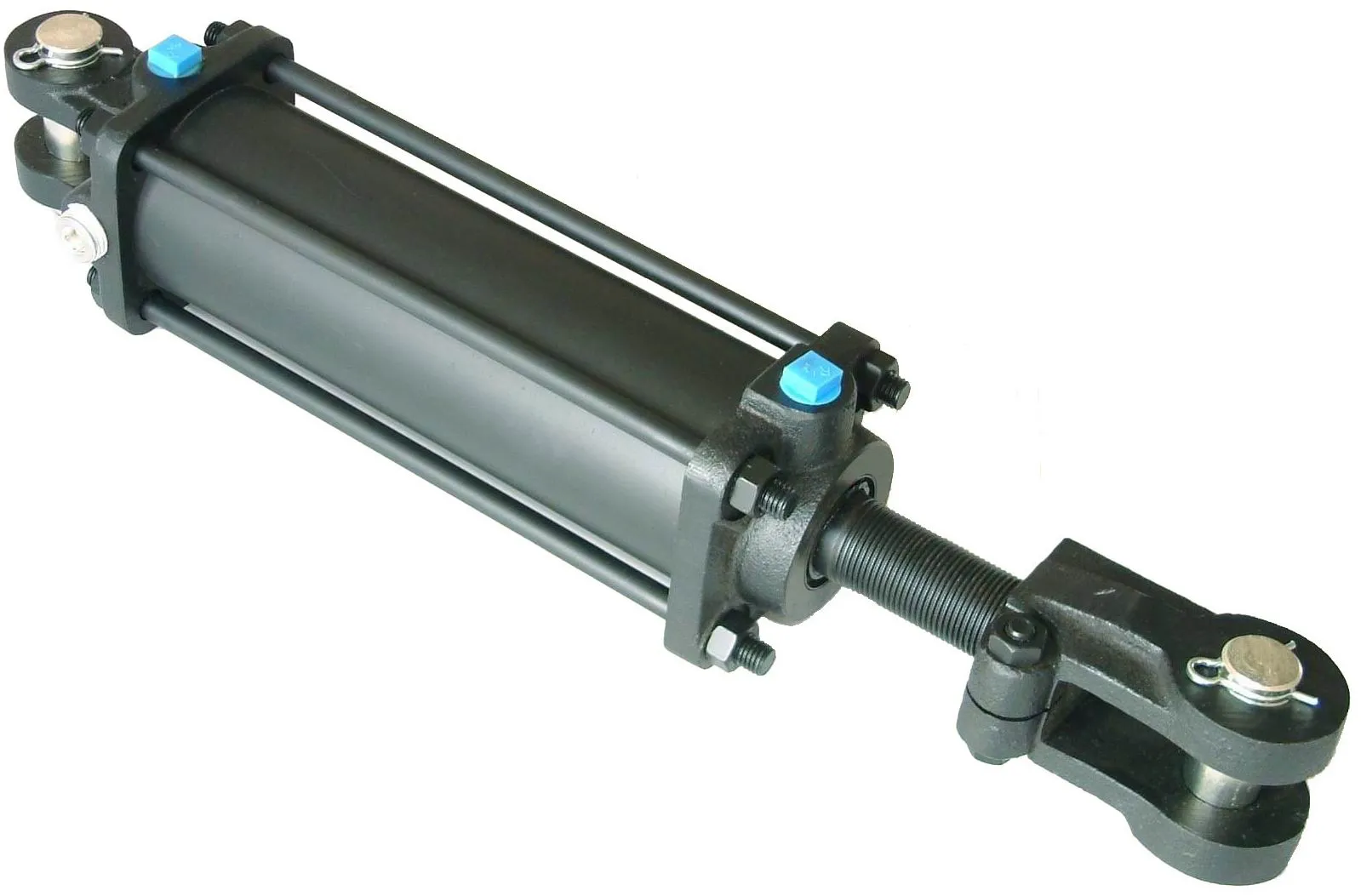
A hydraulic cylinder consists of several key components, including a cylinder barrel, piston, piston rod, seals, and hydraulic fluid. The cylinder’s structure allows for the controlled movement of the piston within the cylinder barrel, generating linear motion.
Principle of Operation
The operation of a hydraulic cylinder is based on the principle of Pascal’s law, which states that pressure exerted on a confined fluid is transmitted undiminished in all directions. When hydraulic fluid is pumped into the cylinder, it exerts pressure on the piston, causing it to move and perform the desired mechanical work.
Types of Hydraulic Cylinders
Single Acting
Single-acting hydraulic cylinders utilize hydraulic pressure to extend the piston, with an external force, such as gravity or a spring, returning it to its original position.
Double Acting
Double-acting cylinders have hydraulic pressure applied to both sides of the piston, allowing for bi-directional movement and precise control over the cylinder’s operation.
Telescopic and Differential Cylinders
Telescopic cylinders feature multiple nested stages for extended reach, while differential cylinders use varying piston areas to achieve different speeds and forces.
Advantages of Industrial Hydraulic Cylinders
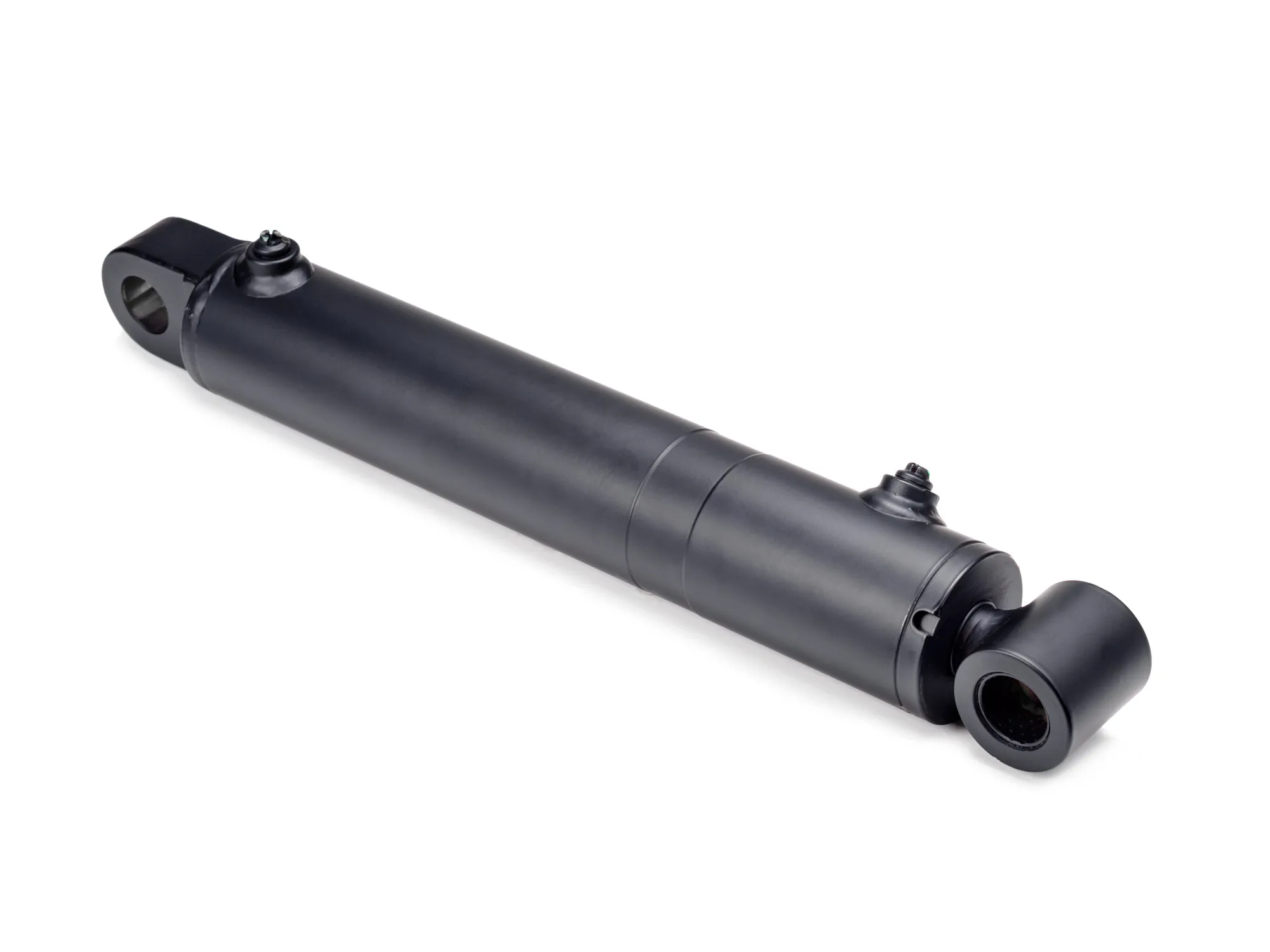
1. High Power Density: Hydraulic cylinders offer high force output in a compact design, making them ideal for applications with space constraints.
2. Precise Control: The ability to regulate hydraulic pressure provides precise control over the speed and force of the cylinder’s movement.
3. Durability: Hydraulic cylinders are built to withstand harsh industrial environments and heavy loads, ensuring long-lasting performance.
4. Versatility: With a range of cylinder types available, hydraulic cylinders can be adapted to suit various industrial applications.
5. Efficiency: Hydraulic systems are known for their energy efficiency, making them a cost-effective choice for industrial operations.
Applications of Hydraulic Cylinders
Industrial hydraulic cylinders find widespread use in manufacturing, construction, mining, agriculture, and other sectors. In manufacturing, they power presses and machine tools, while in construction, they operate cranes and lifting equipment.
Selecting the Right Hydraulic Cylinder
When choosing a hydraulic cylinder for a specific application, factors such as load capacity, stroke length, and bore size must be considered. Matching the cylinder’s performance to the application’s requirements is essential for optimal operation.
Maintenance and Care
Regular maintenance is crucial for ensuring the longevity and performance of hydraulic cylinders. Inspection, lubrication, and cleaning are key practices that help prevent wear and maintain efficiency.
Installation Guide
Proper installation of hydraulic cylinders is essential for safe and effective operation. Following manufacturer guidelines and using the correct tools and techniques can prevent damage and ensure optimal performance.
Maintenance Tasks
Cleaning
Regular cleaning of hydraulic cylinders helps remove dirt and debris that can cause damage and affect performance. Use appropriate cleaning agents and tools to maintain the cylinder’s integrity.
Lubrication
Applying lubrication to moving parts reduces friction and wear, extending the life of the hydraulic cylinder. Use recommended lubricants and follow manufacturer guidelines for optimal results.
Checking Wear
Regularly inspecting the cylinder for signs of wear, such as leaks or corrosion, can help identify issues early and prevent costly repairs. Addressing wear promptly can prolong the cylinder’s lifespan.
Fault Diagnosis and Common Problems
Common issues with hydraulic cylinders include leaks, seal failure, and piston damage. Diagnosing problems accurately and addressing them promptly is essential for maintaining the cylinder’s performance.
Preventive Measures
To minimize potential problems with hydraulic cylinders, implementing preventive measures such as regular inspections, proper maintenance, and training for operators can help optimize performance and prevent downtime.
Choosing the Right Hydraulic Cylinder
Considerations such as load capacity, stroke length, and operating environment are critical when selecting a hydraulic cylinder. Understanding these factors and matching them to the application’s requirements ensures optimal performance.
Long-Tail Keywords and SEO Articles
Industrial hydraulic cylinders maintenance project management
Hydraulic cylinders for industrial applications
Choosing the right hydraulic cylinder for your needs
Our Company
We are a leading hydraulic cylinder manufacturer and distributor, offering a comprehensive product line for various industrial applications. With a focus on quality, reliability, and customer satisfaction, we have established ourselves as a trusted partner in the industry.
Our commitment to professional service, international standards, customized solutions, state-of-the-art production facilities, and responsive after-sales support sets us apart as a preferred supplier for hydraulic cylinders worldwide.