
Fluid Power Architecture Masterclass
Hydraulic vs Pneumatic Cylinders: Which Power System is Right for Your Project?
An authoritative engineering blueprint detailing the physics of fluid mechanics, gas compressibility, kinetic output profiles, and the definitive decision matrix for selecting the optimal linear actuator for your machinery.

The Ultimate Design Dilemma in Mechanical Engineering
In the highly rigorous disciplines of automated manufacturing, commercial construction, heavy materials handling, and specialized robotics, creating controlled kinetic motion is the absolute foundation of equipment design. When mechanical engineers map out the kinematic framework for a revolutionary new machine, they must translate stored energy into unrelenting physical movement. The primary components responsible for this transformation are linear actuators. However, before the structural blueprints are finalized, the engineering team must resolve the most fundamental architectural debate in the power transmission industry: selecting between hydraulic and pneumatic cylinders. Understanding the extreme performance variables between these two distinct technologies is absolutely paramount. To explore the pinnacle of heavy duty fluid power components, visiting our premium hydraulic cylinders platform will establish an excellent baseline of industrial quality.
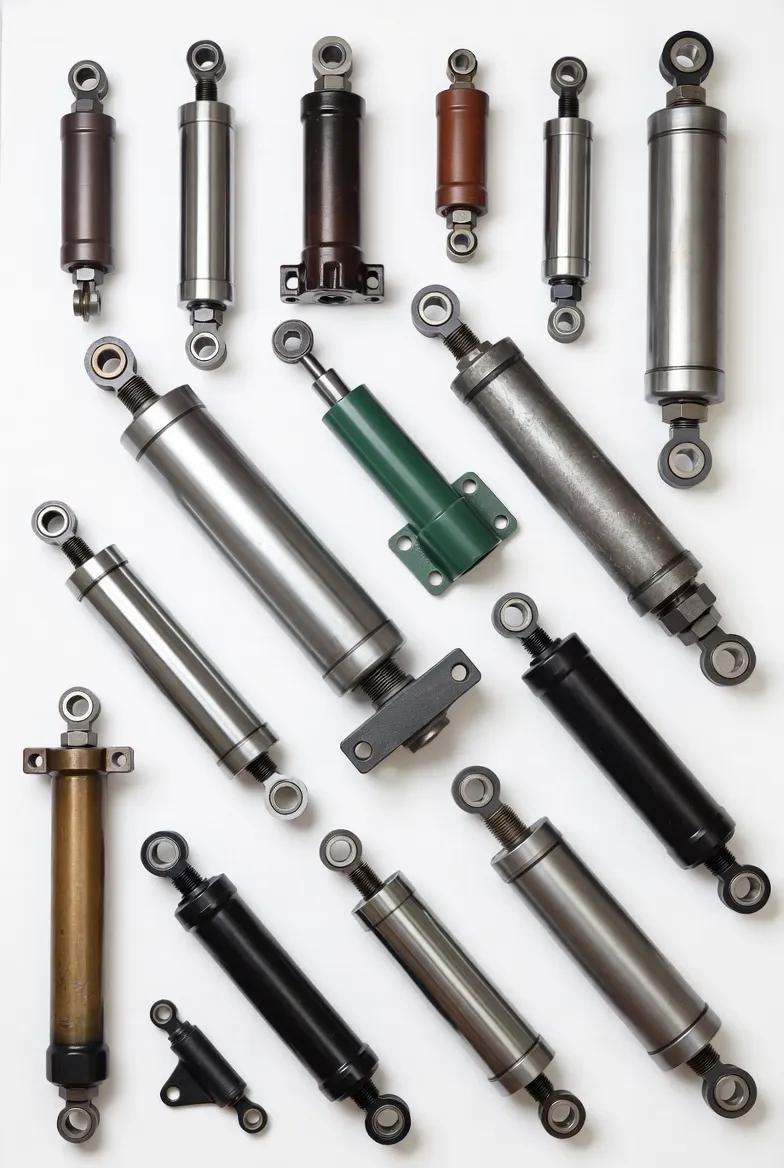
At a superficial glance, hydraulic and pneumatic cylinders appear functionally identical. Both utilize a cylindrical housing, a dividing piston, and an extending rod to perform physical work. Both rely on the core principles of pressure mechanics. Yet, the physical mediums they harness to generate this force are diametrically opposed in their molecular behavior. Hydraulics harness the rigid, incompressible nature of synthetic fluids to deliver earth shattering force and absolute positional stability. Pneumatics harness the highly compressible nature of atmospheric air to deliver lightning fast, clean, and economically scalable motion. Specifying the incorrect power system for your machinery guarantees catastrophic underperformance, excessive maintenance hemorrhaging, and potential structural failure.
From an authoritative engineering perspective evaluated against international fluid power standards, the choice between liquid and gas dictates the entire macro architecture of the machine. It defines the size of the power units, the required filtration systems, the environmental compliance protocols, and the ultimate load capacity. This comprehensive technical engineering manual will meticulously dissect the physics of both power mediums, explore their unique advantages and critical vulnerabilities, provide direct comparative matrices, and outline the precise engineering parameters you must evaluate to ensure your machinery performs with flawless reliability.
The Physics of Hydraulics: The Indestructible Liquid Muscle
Hydraulic systems are the undisputed kings of raw kinetic force. They operate on the principle that liquids cannot be compressed, allowing for the direct, highly efficient transfer of massive energy.
Incompressibility and Rigid Hold
Because hydraulic oil has an exceptionally high bulk modulus, it practically acts as a solid rod of energy when trapped inside a steel cylinder. When the directional control valve closes, the trapped fluid absolutely refuses to compress under a load. This grants hydraulic cylinders unparalleled positional accuracy and the ability to hold massive suspended weights indefinitely without drifting or bouncing. This rigid stability is the exact reason why Aerial Work Vehicle Hydraulic Cylinders rely exclusively on fluid power to keep human technicians safely elevated without dangerous platform swaying.
Extreme Force Density
Hydraulic systems routinely operate at incredibly high pressures, commonly ranging from three thousand to six thousand PSI. By applying Pascal’s Law (Force equals Pressure multiplied by Area), a hydraulic cylinder with a relatively small internal bore can generate astronomical pushing power. A single hydraulic cylinder can easily exert hundreds of tons of linear force, making it the only viable technology for commercial earthmoving. Massive Excavator Hydraulic Cylinders utilize this dense force profile to violently crush through solid bedrock and compacted soil without stalling.

The Vulnerabilities of Hydraulic Power
While unrivaled in power and rigidity, hydraulic systems come with significant engineering and environmental complexities that procurement managers must carefully evaluate.
Environmental Contamination Risks
Hydraulic cylinders require a constant flow of viscous, petroleum based or synthetic oils. If an internal polyurethane seal degrades or a high pressure hose violently ruptures, the system will instantly eject gallons of toxic fluid into the surrounding environment. This poses a massive fire hazard in steel mills, a severe contamination risk in agricultural fields, and a total sterilization failure in pharmaceutical or food packaging plants. Machine designers must incorporate extensive drip trays, secondary containment barriers, and specialized biodegradable fluids if deploying hydraulics in sensitive areas.
Macro Infrastructure Requirements
A hydraulic cylinder is not a standalone device. It requires an extensive, heavy, and highly expensive support network. You must install massive fluid reservoir tanks, high horsepower electric or diesel driven pumps, complex steel manifolds, heavy duty heat exchangers to manage thermodynamic friction, and continuous kidney loop filtration systems. This infrastructure consumes vast amounts of physical space and significantly increases the initial capital expenditure of the machinery.

The Physics of Pneumatics: High Speed Airborne Agility
Pneumatic cylinders operate on the same mechanical principles as hydraulics, but they utilize compressed atmospheric air. This fundamental shift in the physical medium completely rewrites the performance capabilities of the actuator.
Extreme Actuation Velocity
Because compressed air has incredibly low viscosity compared to hydraulic oil, it can flow through valves and hoses at lightning fast speeds with minimal friction. This allows pneumatic cylinders to extend and retract with explosive velocity. For high speed packaging lines, automated sorting facilities, and robotic assembly plants that require hundreds of cycles per minute, pneumatics are the absolute undisputed champions. Hydraulics simply cannot move fast enough to match this level of rapid automation without generating system destroying heat.
Pristine Environmental Safety
Pneumatic systems are inherently clean. If an air hose ruptures or a cylinder seal fails, the only thing leaked into the environment is atmospheric air. There is absolutely no risk of toxic oil spills, making pneumatics the mandatory specification for food and beverage manufacturing, medical cleanrooms, and delicate electronic semiconductor fabrication facilities where even a single drop of oil would ruin the entire production batch.
The Compressibility Weakness
The greatest advantage of air is also its fatal flaw: high compressibility. Air acts like a mechanical spring. When a pneumatic cylinder encounters a fluctuating load, the air inside simply compresses and expands, causing the rod to bounce and shudder. Pneumatic cylinders cannot hold a payload rigidly in mid stroke with any degree of accuracy. Furthermore, factory air compressors typically max out at 150 PSI. To match the force of a tiny 3000 PSI hydraulic cylinder, a pneumatic cylinder would require an impractically massive internal bore size, rendering them useless for heavy applications like Agricultural Hydraulic Cylinders.
Direct Comparison: Making the Engineering Decision
Selecting between hydraulic and pneumatic cylinders is not a matter of brand preference; it is a rigid calculation of the machine’s operational requirements. Engineers must evaluate four definitive parameters.
- ✔️
Force Generation Profile: If your project requires lifting, pressing, or holding loads exceeding a few thousand pounds, hydraulics are mandatory. The incredible energy density of high pressure liquid cannot be replicated by air. Massive lifting requirements, such as those handled by multi stage Dump Truck Hydraulic Cylinders, rely entirely on the incompressible nature of oil. If your project involves moving lightweight components across an assembly line, pneumatics provide exceptional efficiency.
- ✔️
Positional Rigidity: If you must stop an actuator exactly halfway through its stroke and hold a heavy payload perfectly still for extended periods, you must choose hydraulics. The fluid acts as a solid mechanical lock. Pneumatic air will constantly compress under changing load weights, causing the cylinder to drift and bounce uncontrollably. Precision material handling, governed by components like Forklift Hydraulic Cylinders, demands this level of absolute, unyielding rigidity.
- ✔️
Total Cost of Implementation: Pneumatic systems are vastly cheaper to implement at a macro level. Most industrial facilities already possess central air compressors. Running a cheap plastic air hose to a lightweight aluminum pneumatic cylinder is highly cost effective. Hydraulics require dedicated, expensive power units, massive steel hosing, and heavy duty steel actuators, representing a significantly larger initial capital expenditure.


Conclusion: Architecting the Ultimate Machine
The debate between hydraulic and pneumatic cylinders is not a question of which technology is superior, but rather which physics profile perfectly aligns with your engineering objectives. If your project demands high-speed, clean, repetitive motion with relatively light payloads, pneumatic cylinders offer unparalleled agility and cost efficiency. However, if you are engineering heavy machinery that must violently crush earth, lift immense industrial tonnages, or suspend critical loads with zero drift, hydraulic cylinders remain the undisputed, irreplaceable kings of fluid power. By understanding the profound thermodynamic differences between compressible air and incompressible liquid, design engineers can architect flawless, highly reliable power networks. Ensure your machinery is equipped with the correct mechanical muscle for the job. If you require expert guidance on specifying extreme duty fluid power components, our engineering team is ready to analyze your schematics and deliver the ultimate solution.