
Understanding Industrial Hydraulic Cylinders
Industrial hydraulic cylinders play a crucial role in various applications, especially in material handling. These powerful devices convert fluid power into mechanical force, providing precise control and movement in industrial environments.
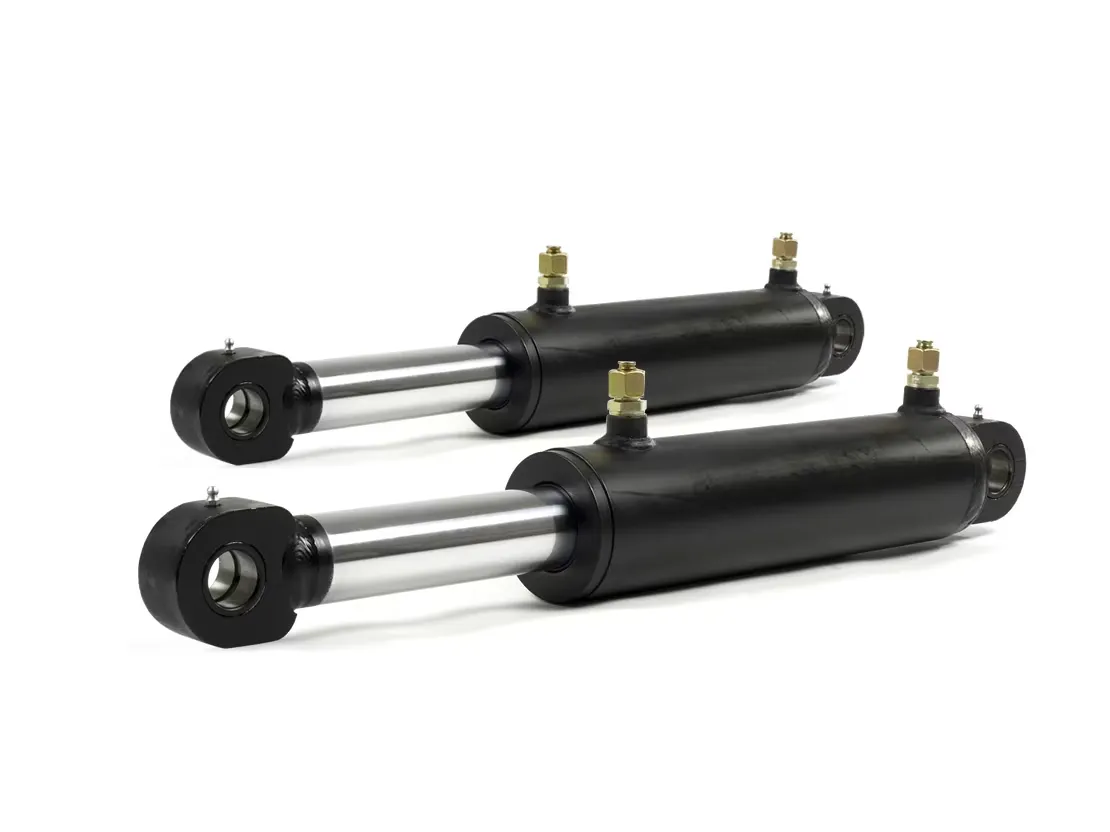
Key Components and Structure
Hydraulic cylinders consist of a cylinder barrel, piston, piston rod, seals, and a hydraulic fluid. The cylinder barrel houses the piston, which divides the chamber into two compartments. Seals prevent fluid leakage, ensuring efficient operation.
Control Cylinder Operation Overview
Control cylinder operation involves the use of hydraulic fluid to generate linear motion. When pressure is applied, the fluid pushes the piston, creating force that moves the load. This process offers smooth and consistent movement with high precision.
Types of Hydraulic Cylinders
There are several types of hydraulic cylinders used in industrial applications:
Single Acting
Single acting cylinders operate in one direction, using hydraulic pressure to extend the piston. They are commonly used in applications where a load needs to be lifted or pushed.
Double Acting
Double acting cylinders provide force in both directions, extending and retracting the piston. They are versatile and suitable for various tasks, such as clamping and pressing.
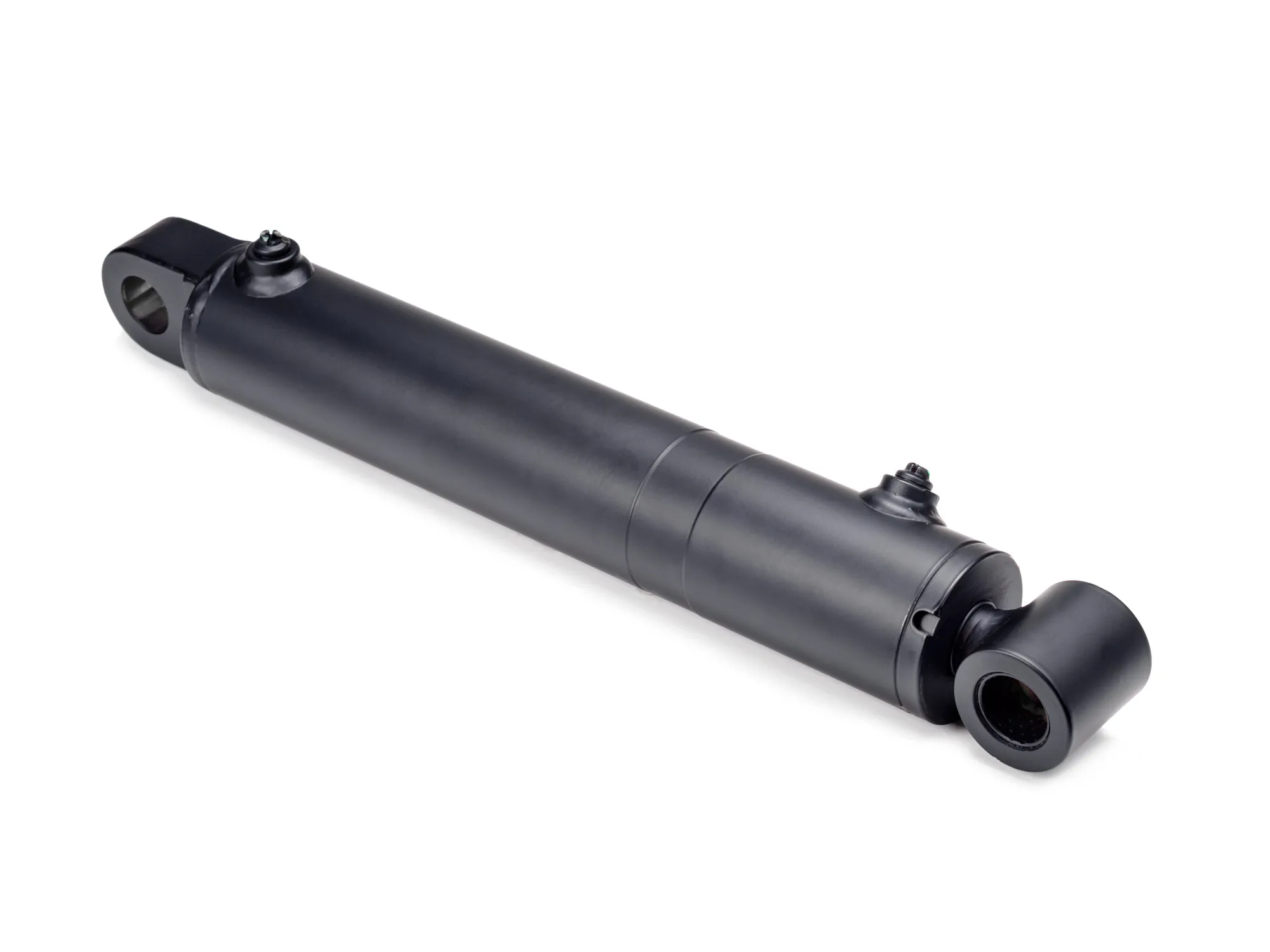
Telescopic and Differential Cylinders
Telescopic cylinders consist of multiple stages that retract into each other, offering a longer stroke length. Differential cylinders have varying diameters, providing different speeds and forces.
Advantages of Industrial Hydraulic Cylinders
Industrial hydraulic cylinders offer numerous benefits, including:
Precision Control
Hydraulic cylinders provide accurate and consistent movement, ensuring precise handling of materials in industrial processes.
High Power Output
These cylinders deliver high force output, making them suitable for heavy-duty applications in material handling.
Durability and Reliability
Industrial hydraulic cylinders are built to withstand harsh environments and heavy loads, ensuring long-term performance.
Efficiency and Speed
With fast operation and efficient power transfer, hydraulic cylinders enhance productivity in material handling tasks.
Versatility
They can be adapted to different applications and environments, offering flexibility in diverse industrial settings.
Industrial Sectors Using Hydraulic Cylinders
Hydraulic cylinders are widely used in various industries, including:
Manufacturing
In manufacturing, hydraulic cylinders are utilized in assembly lines, robotics, and material handling equipment to streamline production processes.
Construction
Construction equipment such as cranes, excavators, and bulldozers rely on hydraulic cylinders for lifting, digging, and moving heavy materials.
Mining
Mining operations use hydraulic cylinders in equipment like rock breakers, haul trucks, and drilling rigs for efficient material extraction.
Agriculture
Agricultural machinery such as tractors, harvesters, and irrigation systems incorporate hydraulic cylinders for tasks like plowing, harvesting, and irrigation.
Other Industrial Sectors
Hydraulic cylinders are also essential in sectors like aerospace, automotive, and energy, supporting a wide range of applications for material handling and control.
Selecting the Right Hydraulic Cylinder
When choosing an industrial hydraulic cylinder, factors such as load capacity, stroke length, bore size, and operating conditions need to be considered. Matching the cylinder’s performance to the specific requirements of the application is crucial for optimal functionality.
Maintenance and Care
Regular maintenance is essential to prolong the service life of hydraulic cylinders. Inspection, lubrication, and cleaning are key practices to ensure optimal performance and prevent downtime.
Installation Guide
Proper installation of hydraulic cylinders is critical for safe and efficient operation. Following manufacturer guidelines and using appropriate tools and techniques will help ensure smooth functioning.
Maintenance Tasks
Cleaning
Regular cleaning of hydraulic cylinders prevents dirt and debris buildup, maintaining smooth operation and preventing premature wear.
Lubrication
Applying the right lubricant at specified intervals reduces friction, minimizes wear, and prolongs the life of hydraulic components.
Checking Wear
Periodically inspecting cylinder components for signs of wear, such as leaks, scratches, or corrosion, helps identify potential issues early and prevent breakdowns.
Fault Diagnosis and Solutions
In case of hydraulic cylinder problems, diagnosing faults like leaks, slow operation, or erratic movement is essential. Troubleshooting tips and solutions can help address issues promptly and restore optimal performance.
Preventive Measures
To minimize potential problems, preventive measures such as regular maintenance, component inspections, and fluid analysis can help identify issues before they escalate. Optimizing performance and efficiency is key to reliable operation.
Choosing the Right Industrial Hydraulic Cylinder
Exploring factors like load requirements, operating conditions, and cylinder specifications is crucial when selecting an industrial hydraulic cylinder. Understanding the application’s needs and matching them to the cylinder’s capabilities ensures optimal performance.
Long-Tail Keywords and SEO Articles
Industrial hydraulic cylinder long-tail keywords include “high-force hydraulic cylinders,” “precision hydraulic actuators,” and “custom industrial cylinder solutions.” SEO articles focusing on these keywords can delve into the specific features, benefits, and applications of each type of cylinder.
Company Overview
Our company is a leading hydraulic cylinder manufacturer and wholesale distributor, offering a wide range of quality products for industrial applications. With a focus on professional service, international certifications, customized solutions, advanced production equipment, and dedicated after-sales support, we strive to meet the diverse needs of our customers.
Author: lyl