
Introduction to Industrial Hydraulic Cylinder Integration
Industrial Hydraulic Cylinder Integration is a crucial aspect of various industrial applications, where hydraulic cylinders play a vital role in powering machinery and equipment. In the industrial environment, hydraulic cylinders are used to create linear force and motion, converting hydraulic energy into mechanical energy.
Key Components and Structure of Hydraulic Cylinder
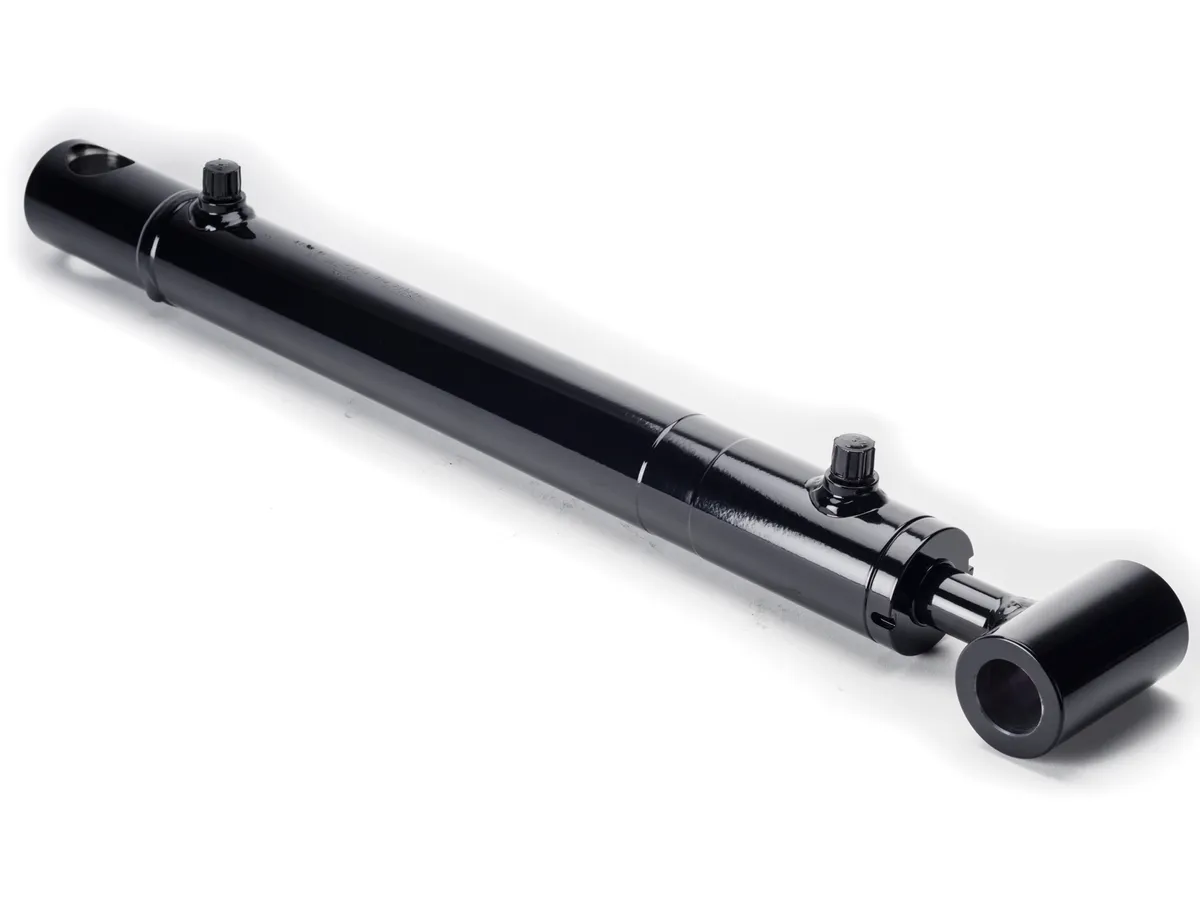
A hydraulic cylinder consists of various key components, including a cylinder barrel, piston, piston rod, seals, and hydraulic fluid. The cylinder barrel houses the piston, while the piston rod connects the piston to the machinery being operated. Seals ensure that the hydraulic fluid stays contained within the cylinder, allowing for smooth operation.
Principle Overview of Control Cylinder Operation
The basic principle behind the operation of a hydraulic cylinder involves the use of hydraulic fluid to create pressure, which in turn moves the piston within the cylinder. By controlling the flow of hydraulic fluid, the speed and direction of the piston can be manipulated, allowing for precise control of machinery.
Types of Hydraulic Cylinders
There are several types of hydraulic cylinders commonly used in industrial applications, including single acting, double acting, telescopic, and differential cylinders. Each type has unique characteristics and is suitable for specific use cases.
Single Acting Cylinder
A single acting cylinder exerts force in one direction only, typically used in applications where a load needs to be lifted or pushed in a single direction.
Double Acting Cylinder
A double acting cylinder can exert force in both directions, making it ideal for applications where precise control and movement in two directions are required.
Telescopic Cylinder
Telescopic cylinders consist of multiple nested stages that allow for a long stroke length in a compact design, commonly used in applications where space is limited.
Differential Cylinder
A differential cylinder utilizes different piston areas to create a force imbalance, providing increased force output for heavy-duty applications.
Advantages of Industrial Hydraulic Cylinder
Industrial hydraulic cylinders offer several advantages, including high force output, precise control, compact design, durability, and versatility in various industrial applications. These qualities make hydraulic cylinders essential components in industries such as manufacturing, construction, mining, agriculture, and more.
Industries Using Hydraulic Cylinders
Hydraulic cylinders are widely used in industries such as:
- Manufacturing
- Construction
- Mining
- Agriculture
Selection and Maintenance of Hydraulic Cylinders
Choosing the right industrial hydraulic cylinder involves considering factors such as load capacity, stroke length, hole size, and other specifications tailored to the specific application. Regular maintenance and care, including inspection, lubrication, and cleaning, are essential to ensuring optimal performance and longevity of hydraulic cylinders.
Fault Diagnosis and Troubleshooting
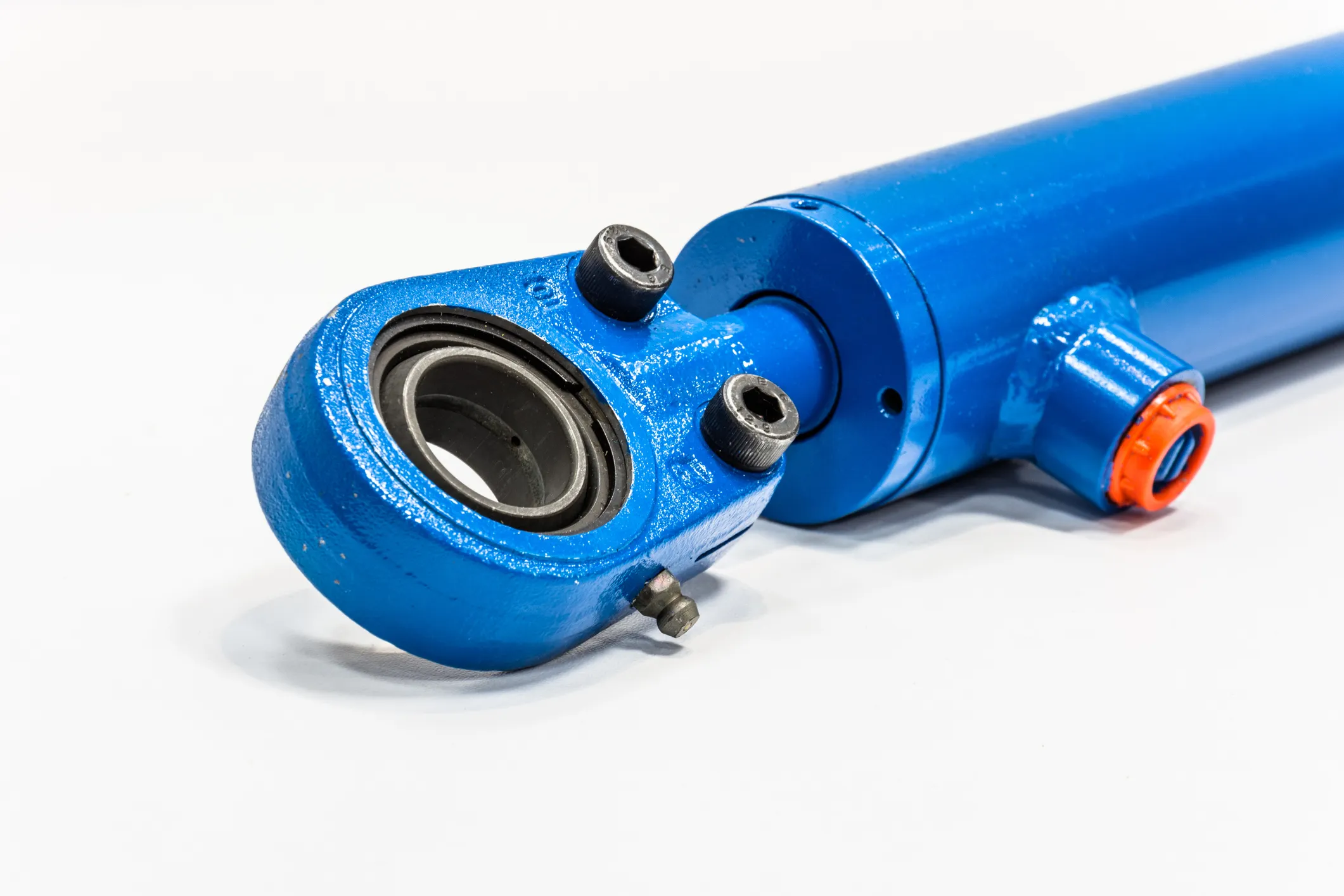
In the event of hydraulic cylinder malfunctions, diagnosing common problems and implementing troubleshooting solutions is crucial to restoring functionality. Preventive measures can help minimize potential issues and optimize the performance of industrial hydraulic cylinders.
Company Overview
Our company is a leading hydraulic cylinder replacement manufacturer, offering a comprehensive product line and customized services to meet the needs of domestic and international markets. With professional expertise, international certifications, state-of-the-art production equipment, and dedicated after-sales service, we strive to deliver high-quality hydraulic cylinders for various industrial applications.
Author: lyl