
Industrial Hydraulic Cylinders: A Comprehensive Guide
Understanding Hydraulic Cylinders in Industrial Environments
In industrial settings, hydraulic cylinders play a vital role in converting fluid power into mechanical force. These essential components are used in various applications to provide linear motion and force, making them indispensable in industries such as manufacturing, construction, mining, and agriculture.
Key Components and Structure of Hydraulic Cylinders
A hydraulic cylinder consists of a cylinder barrel, piston, piston rod, seals, and end caps. The cylinder barrel houses the piston, which divides the barrel into two chambers: the rod side and the cap side. The piston rod connects the piston to the end cap, allowing for the transfer of force.
Principle of Hydraulic Cylinder Operation
The operation of a hydraulic cylinder is based on Pascal’s Law, which states that a change in pressure applied to an enclosed fluid is transmitted undiminished to all portions of the fluid and to the walls of its container. When hydraulic fluid is pumped into one chamber of the cylinder, it pushes the piston, creating linear motion.
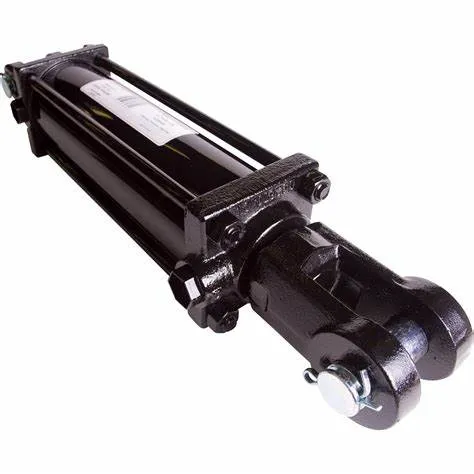
Types of Hydraulic Cylinders
Single Acting Cylinder
A single-acting cylinder operates in one direction, with the force being applied in one direction only. These cylinders are commonly used in applications where the load returns by external means.
Double Acting Cylinder
Double-acting cylinders operate in two directions, providing force in both the extension and retraction strokes. These cylinders are versatile and widely used in various industrial applications.
Telescopic Cylinder
Telescopic cylinders consist of multiple nested stages that extend and retract to provide long strokes in a compact space. These cylinders are ideal for applications where space is limited.

Differential Cylinder
A differential cylinder uses different bore sizes on either side of the piston to create a mechanical advantage, allowing for faster speeds or greater force in one direction.
Advantages of Industrial Hydraulic Cylinders
1. High Efficiency: Hydraulic cylinders offer high force output with minimal input.
2. Precise Control: Hydraulic systems allow for precise control of motion and force.
3. Versatility: Hydraulic cylinders can be customized to meet specific application requirements.
4. Durability: Hydraulic cylinders are designed to withstand heavy loads and harsh operating conditions.
5. Safety: Hydraulic systems offer smooth and controlled operation, reducing the risk of accidents.
Applications of Hydraulic Cylinders in Industries
1. Manufacturing: Hydraulic cylinders are used in automated machinery, assembly lines, and material handling equipment.
2. Construction: Hydraulic cylinders are essential in heavy equipment such as cranes, excavators, and bulldozers.
3. Mining: Hydraulic cylinders are used in mining equipment for drilling, crushing, and transportation.
4. Agriculture: Hydraulic cylinders are employed in tractors, harvesters, and irrigation systems in the agricultural sector.
5. Aerospace: Hydraulic cylinders are utilized in aircraft landing gear, cargo doors, and flight control systems.
Selecting the Right Industrial Hydraulic Cylinder
When choosing a hydraulic cylinder for a specific application, factors such as load capacity, stroke length, operating pressure, mounting options, and environmental conditions must be considered. It is essential to match the performance of the cylinder to the requirements of the application to ensure optimal operation.
Maintenance and Care of Hydraulic Cylinders
Regular maintenance is crucial to ensure the longevity and performance of hydraulic cylinders. Inspecting for leaks, lubricating moving parts, and cleaning the cylinder regularly can help prevent breakdowns and costly repairs.
Installation Guide for Hydraulic Cylinders
Proper installation of hydraulic cylinders is essential for optimal performance. Ensure that the cylinder is mounted securely, aligned correctly, and connected to the hydraulic system properly to avoid leaks and malfunctions.
Maintenance Tasks for Hydraulic Cylinders
Cleaning
Regularly clean the exterior of the cylinder to prevent dirt and debris from entering the system, causing damage to internal components.
Lubrication
Apply lubricant to the moving parts of the cylinder to reduce friction and wear, ensuring smooth operation.
Checking Wear
Inspect the seals, piston rod, and other components for signs of wear and tear, and replace any damaged parts to prevent leaks and malfunctions.
Fault Diagnosis and Common Problems
Common issues with hydraulic cylinders include leakage, insufficient pressure, and erratic motion. By diagnosing the root cause of these problems, you can implement effective solutions to restore the cylinder’s functionality.
Preventive Measures for Hydraulic Cylinders
To minimize potential problems and optimize the performance of hydraulic cylinders, regular maintenance, proper installation, and monitoring of operating conditions are essential. By following preventive measures, you can extend the service life of your hydraulic system.
Choosing the Right Industrial Hydraulic Cylinder
When selecting an industrial hydraulic cylinder, consider factors such as load requirements, operating conditions, space limitations, and budget constraints. By evaluating these factors carefully, you can choose a cylinder that meets your specific needs.
Long-Tail SEO Articles on Industrial Hydraulic Cylinders
1. “Enhancing Productivity with Customized Hydraulic Cylinders”
2. “Optimizing Efficiency: The Role of Hydraulic Cylinders in Modern Industries”
3. “Maximizing Performance: Choosing the Right Hydraulic Cylinder for Your Application”
Our Company: Leading Manufacturer of Hydraulic Cylinders
We are a prominent manufacturer and wholesale distributor of hydraulic cylinders, offering a comprehensive product line tailored to meet the diverse needs of industrial applications. With a focus on quality, reliability, and customer satisfaction, we have established ourselves as a trusted partner in the hydraulic industry.
Our company prides itself on professional excellence, international certifications, customizable solutions, state-of-the-art production equipment, and dedicated after-sales service. We are committed to delivering top-tier hydraulic products that exceed customer expectations and drive operational efficiency.
Author: lyl