
Industrial Hydraulic Cylinders: Maintenance Guidelines
Introduction to Industrial Hydraulic Cylinders
Industrial hydraulic cylinders are essential components in various industrial applications, providing powerful force and precise control for machinery and equipment. These cylinders utilize the power of hydraulic fluid to generate motion, making them crucial for a wide range of industrial processes.
Key Components and Structure
Hydraulic cylinders consist of key components such as the cylinder barrel, piston, piston rod, and seals. The cylinder barrel houses the piston and hydraulic fluid, while the piston rod connects the piston to the machinery being operated. Seals prevent leakage and ensure efficient operation.
Control Cylinder Operation Overview
The basic principle of hydraulic cylinder operation involves the use of hydraulic fluid to create pressure, which in turn moves the piston within the cylinder. This controlled movement allows for precise manipulation of machinery and equipment, enhancing efficiency and productivity in industrial settings.
Types of Hydraulic Cylinders
There are several types of hydraulic cylinders commonly used in industrial applications, including single acting, double acting, telescopic, and differential cylinders. Each type offers unique characteristics and advantages, making them suitable for specific use cases.
Single Acting Cylinders
Single acting cylinders exert force in one direction, typically used in applications where a load needs to be lifted or pushed in a single direction. They are commonly found in hydraulic jacks and lifts, providing reliable lifting capabilities.
Double Acting Cylinders
Double acting cylinders can apply force in both directions, offering greater flexibility and control. These cylinders are commonly used in manufacturing equipment, construction machinery, and agricultural implements.
Telescopic Cylinders
Telescopic cylinders consist of multiple nested stages that extend and retract to provide varying stroke lengths. They are commonly used in dump trucks, aerial platforms, and other applications that require extended reach.
Differential Cylinders
Differential cylinders utilize different piston areas to achieve varying speeds and forces. They are commonly used in applications where precise control over speed and force is required, such as in material handling equipment.
Top Five Advantages of Industrial Hydraulic Cylinders
1. Precise control and motion accuracy
2. High power-to-size ratio
3. Reliable performance in harsh environments
4. Easy installation and maintenance
5. Versatility for a wide range of applications
Industries Using Hydraulic Cylinders
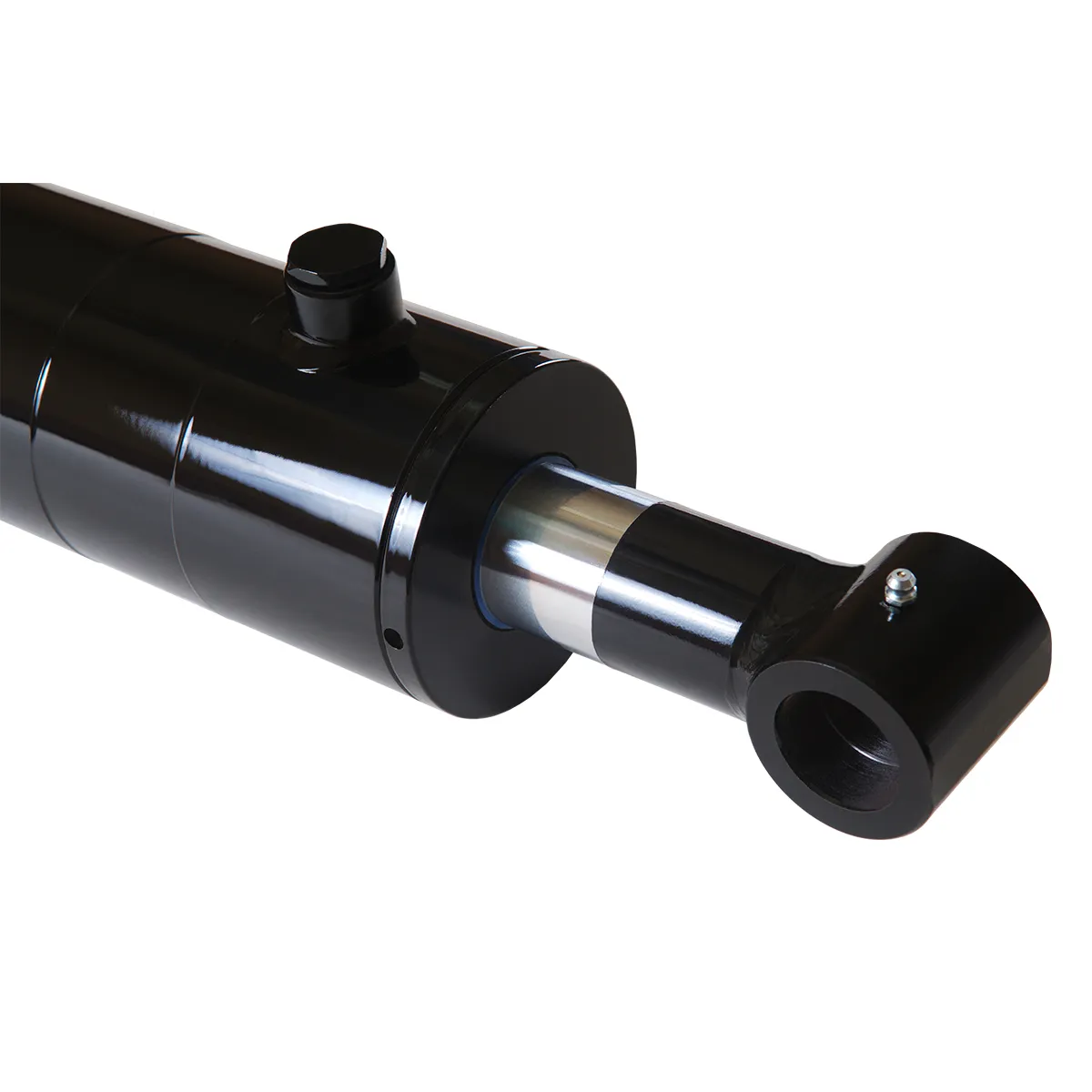
Industrial hydraulic cylinders are widely used in various industries, including manufacturing, construction, mining, agriculture, and more. These cylinders play a crucial role in enhancing efficiency and productivity in diverse industrial sectors.
Manufacturing
In the manufacturing industry, hydraulic cylinders are used in machinery such as presses, injection molding equipment, and CNC machines to provide precise control over motion and force, ensuring efficient production processes.
Construction
Construction equipment such as cranes, excavators, and bulldozers rely on hydraulic cylinders for powerful lifting and digging capabilities. These cylinders enable precise movement and control, enhancing construction efficiency and safety.
Mining
In the mining industry, hydraulic cylinders are used in heavy-duty equipment such as drilling rigs, shovels, and haul trucks. These cylinders provide the force and control required for challenging mining operations, improving productivity and safety.
Agriculture
Agricultural machinery such as tractors, harvesters, and irrigation systems utilize hydraulic cylinders for tasks such as plowing, harvesting, and irrigation. These cylinders enhance the efficiency and performance of agricultural operations, increasing productivity and yields.
Selection of Industrial Hydraulic Cylinders
When choosing the right hydraulic cylinder for a specific application, factors such as load capacity, stroke length, bore size, and mounting options must be considered. Matching the performance of the cylinder to the requirements of the application is essential for optimal operation and longevity.
Maintenance and Care
Regular maintenance and care of industrial hydraulic cylinders are crucial for ensuring optimal performance and longevity. Inspection, lubrication, and cleaning are key practices that help prevent issues and extend the service life of hydraulic cylinders.
Inspection
Regular inspections of hydraulic cylinders for leaks, wear, and damage are essential for identifying potential issues early and preventing costly breakdowns. Inspecting seals, rods, and mounting hardware can help maintain the integrity of the cylinder.
Lubrication
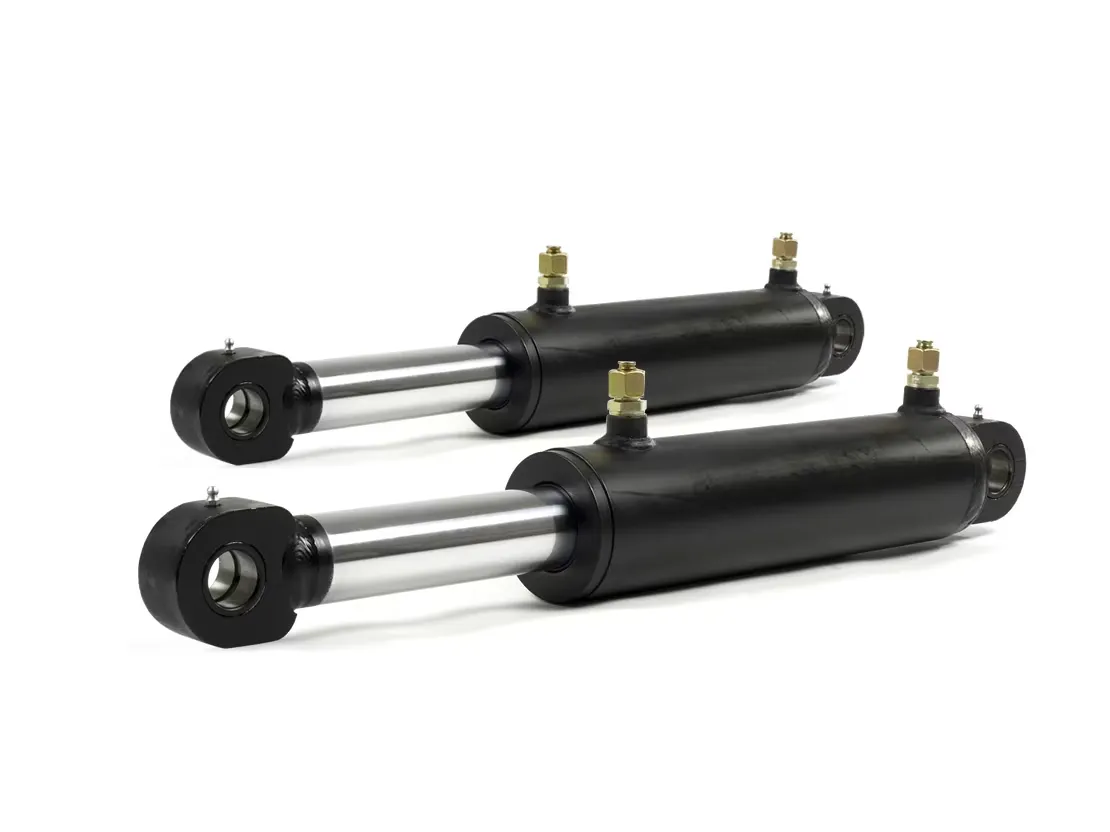
Proper lubrication of hydraulic cylinders is necessary to reduce friction, prevent wear, and ensure smooth operation. Using the correct lubricants and following manufacturer recommendations can help extend the life of the cylinder components.
Cleaning
Keeping hydraulic cylinders clean from dirt, debris, and contaminants is important for preventing damage and maintaining performance. Regular cleaning with suitable tools and methods can help preserve the functionality of the cylinder.
Installation Guide
Proper installation of industrial hydraulic cylinders is essential for optimal performance and safety. Following manufacturer guidelines, ensuring correct alignment, and using appropriate mounting hardware are key steps in the installation process.
Fault Diagnosis and Troubleshooting
Diagnosing common problems with hydraulic cylinders such as leaks, insufficient pressure, and erratic movement requires careful inspection and testing. Identifying the root cause of issues and implementing effective solutions is crucial for maintaining cylinder performance.
Preventive Measures
Implementing preventive measures such as regular maintenance, proper lubrication, and monitoring performance can help minimize potential problems and optimize the performance of industrial hydraulic cylinders. Proactive maintenance practices can prevent costly repairs and downtime.
Choosing the Right Hydraulic Cylinder
Exploring factors such as load requirements, operating conditions, and mounting options is essential when selecting an industrial hydraulic cylinder for a specific application. Understanding the performance characteristics and capabilities of the cylinder is key to ensuring compatibility and efficiency.
Long-Tail SEO Articles
1. “Enhancing Industrial Efficiency with Hydraulic Cylinder Maintenance”
2. “Optimizing Performance: Selecting the Right Hydraulic Cylinder for Your Application”
3. “Preventing Downtime: Maintenance Tips for Industrial Hydraulic Cylinders”
Our Company
We are a leading hydraulic cylinder manufacturer and wholesale distributor, offering a comprehensive product line and customized services to meet the diverse needs of industrial customers. With professional expertise, international certifications, state-of-the-art production equipment, and dedicated after-sales support, we are committed to delivering high-quality hydraulic solutions worldwide.
Author: lyl