
Unlocking the Potential: Locking Single-Acting Hydraulic Cylinder Applications In Robotics
Introduction
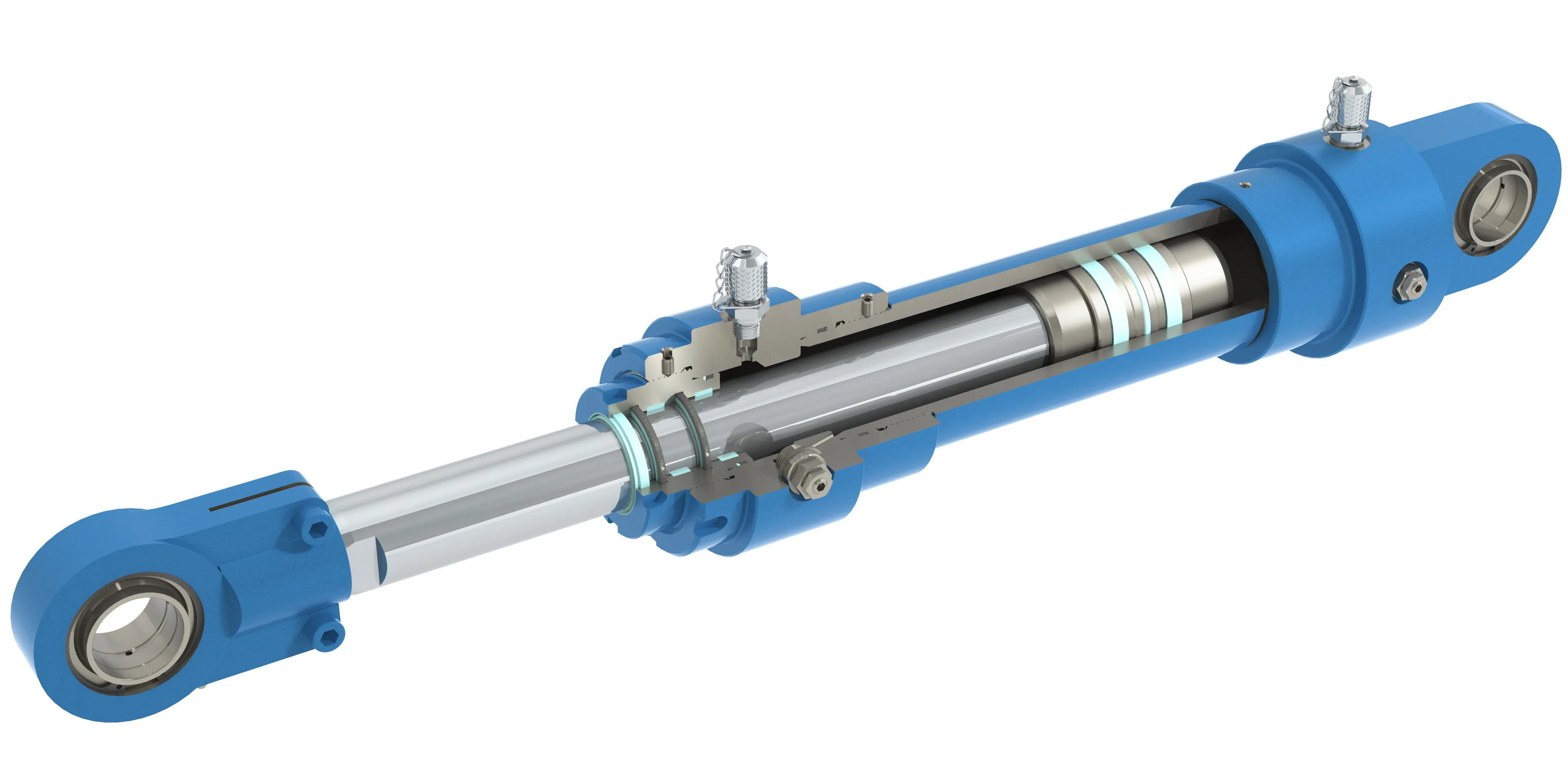
The locking single-acting hydraulic cylinder is a key component in various robotic applications, providing safety and precision. This article explores the design, working principle, benefits, applications, maintenance, and unit power considerations of locking single-acting hydraulic cylinders in the field of robotics.
Design and Construction Characteristics
Locking Mechanism – Safety
The locking mechanism of the single-acting hydraulic cylinder ensures the piston remains in a safe position even when hydraulic pressure is lost, preventing accidental retractions. This mechanism can be mechanical or hydraulic, offering customized solutions for different applications.
Compact Structure – Space Optimization
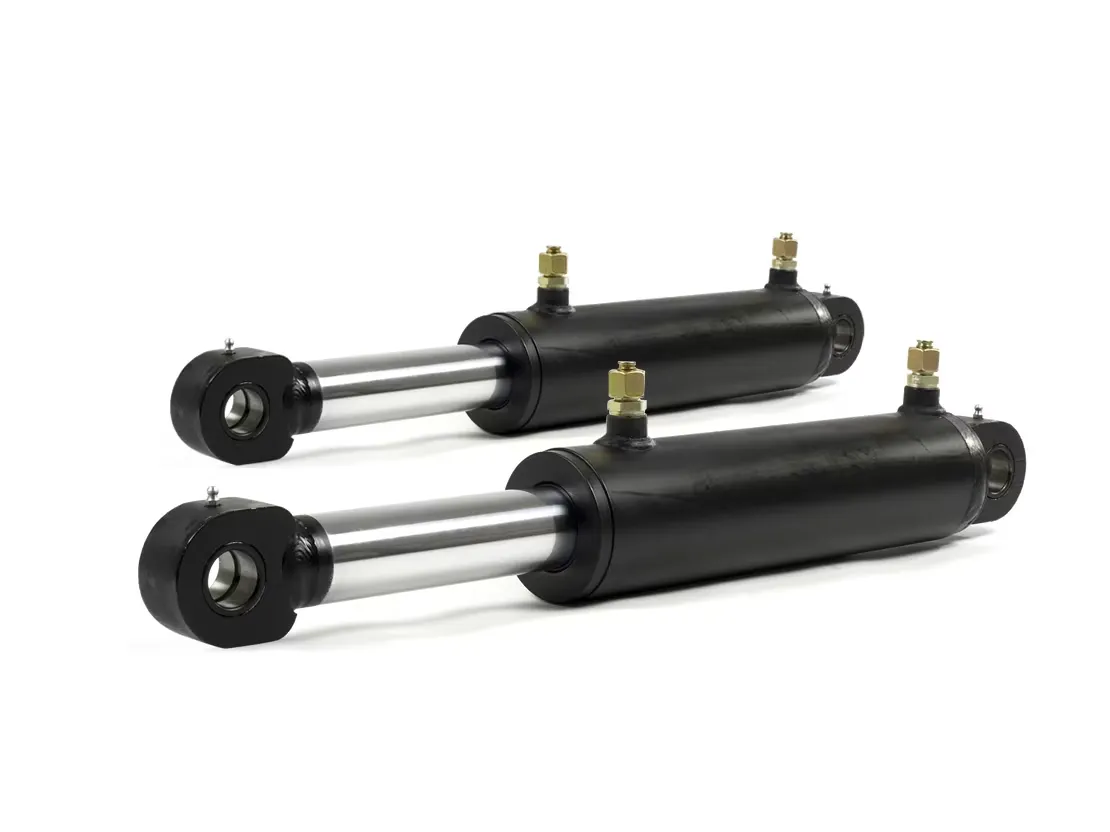
Locking single-acting hydraulic cylinders are designed to be compact, making them ideal for robotics applications with limited space. Precision manufacturing and strict quality control ensure reliability and performance.
Assembly Process – Specialized Assembly
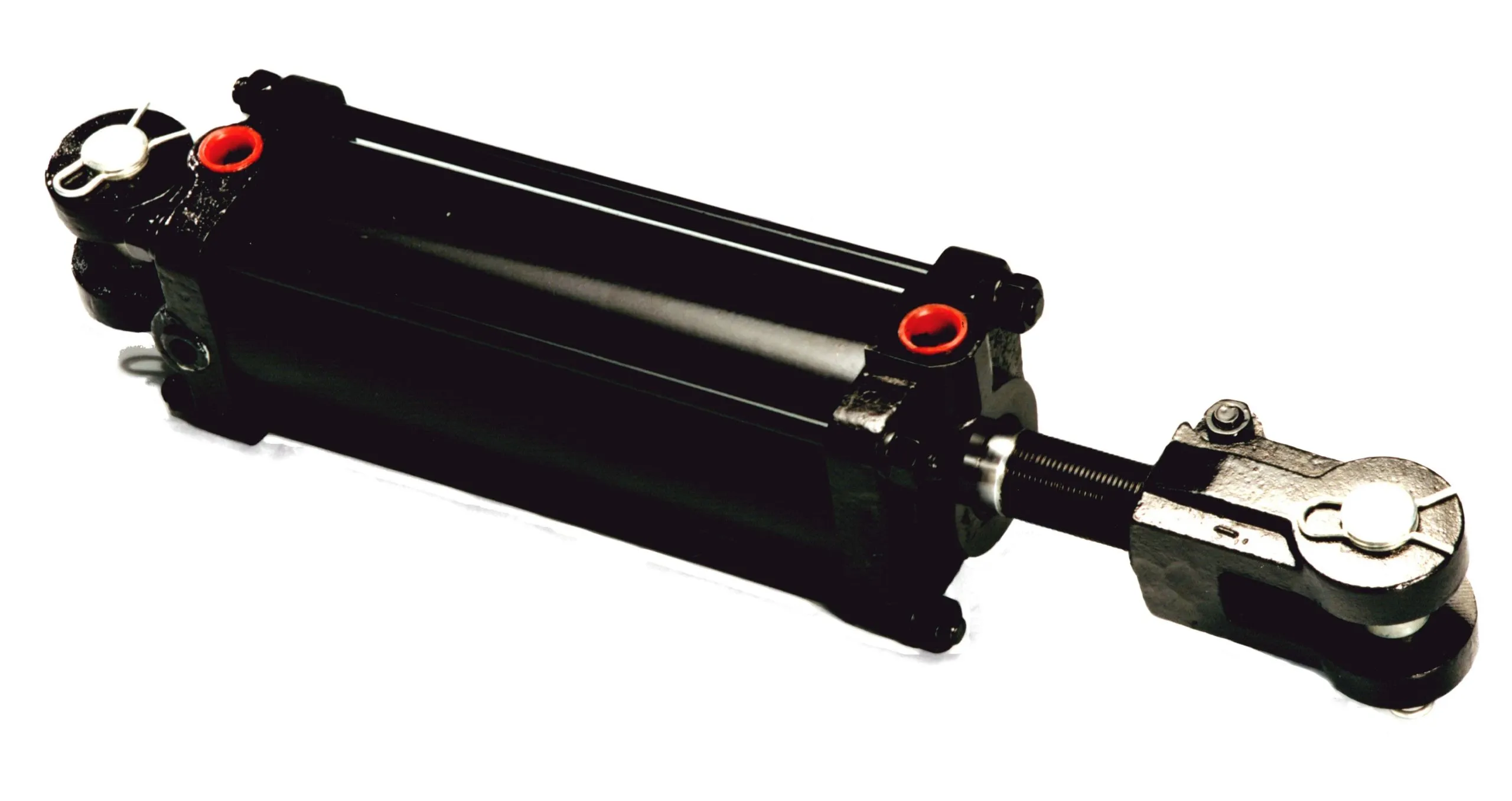
The assembly process of locking single-acting hydraulic cylinders requires professional technicians to ensure correct installation and calibration. Pressure testing post-assembly confirms performance and tightness.
Working Principle
The single-acting mechanism of the hydraulic cylinder extends the cylinder when hydraulic oil is pumped in, with a locking mechanism preventing retraction. This locking function, whether mechanical or hydraulic, ensures safety under load even if pressure is lost.
Types and Configurations
There are three main types of locking single-acting hydraulic cylinders, each offering unique configurations tailored to specific robotic applications. These variations provide flexibility and versatility in design and usage.
Benefits
Enhanced Security
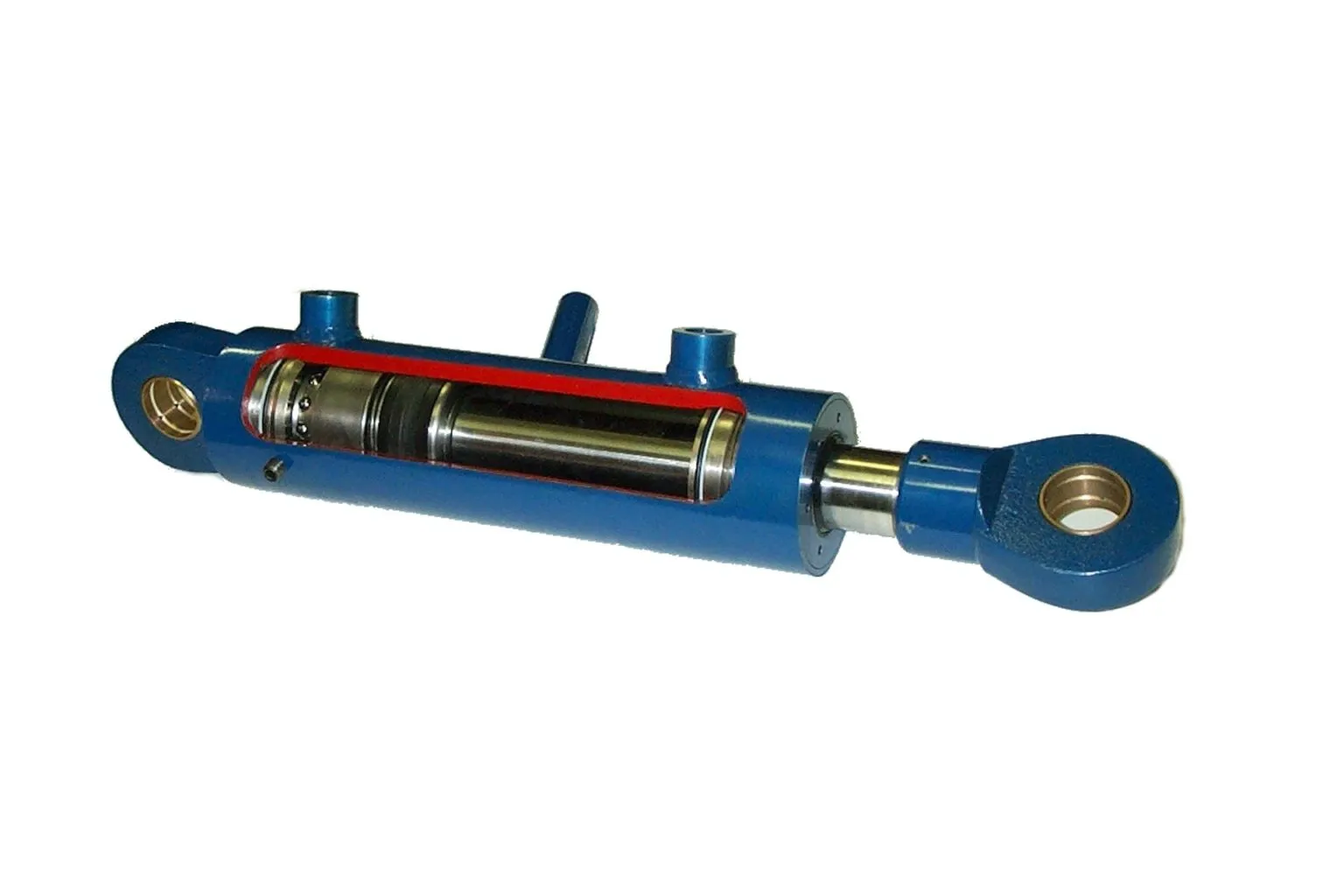
Locking mechanisms greatly reduce the risk of accidents and enhance operator safety in robotic operations.
Reliability
Locking single-acting hydraulic cylinders are designed to operate effectively under high loads, ensuring consistent performance in various environmental conditions.
Simplicity
These cylinders are easy to operate and maintain, making them user-friendly for robotics applications requiring precision and efficiency.
Applications
Locking single-acting hydraulic cylinders find applications in robotics for tasks such as precision movement, lifting, and stabilization. They are commonly used in construction, manufacturing, transportation, and aviation industries.
Design Considerations and Selection Criteria
When selecting locking single-acting hydraulic cylinders for robotics applications, factors such as bearing capacity, sealing, durability, safety, and maintainability should be carefully considered to ensure optimal performance.
Sealing and Lubrication
Proper sealing and lubrication of locking single-acting hydraulic cylinders are crucial for longevity and performance. Regular maintenance and use of appropriate seals and lubricants enhance operational efficiency.
Maintenance and Troubleshooting
Regular inspection, lubrication, seal replacement, and calibration are essential maintenance tasks for locking single-acting hydraulic cylinders in robotics. Troubleshooting tips and preventive measures help minimize downtime and maximize efficiency.
Unit Power Considerations
The unit power of locking single-acting hydraulic cylinders in robotics is influenced by factors such as cylinder diameter, stroke, operating pressure, piston speed, and load conditions. Optimizing unit power can improve efficiency, energy savings, and reliability.
Company Focus
Our company specializes in hydraulic cylinder replacements, offering a wide range of products for robotics and industrial applications. With professional services, international certifications, customized solutions, advanced production equipment, and reliable after-sales support, we have established ourselves as a leading manufacturer and distributor in the global market.
Author: lyl