
Unlocking the Secrets of Locking Single-Acting Hydraulic Cylinders
The term “Locking Single-Acting Hydraulic Cylinder” may sound complex, but in reality, it refers to a hydraulic cylinder that operates in one direction under hydraulic pressure and has a locking mechanism to prevent movement in the absence of pressure. Let’s delve deeper into the design, construction, working principles, and maintenance tips for these essential components.
Design and Construction Characteristics
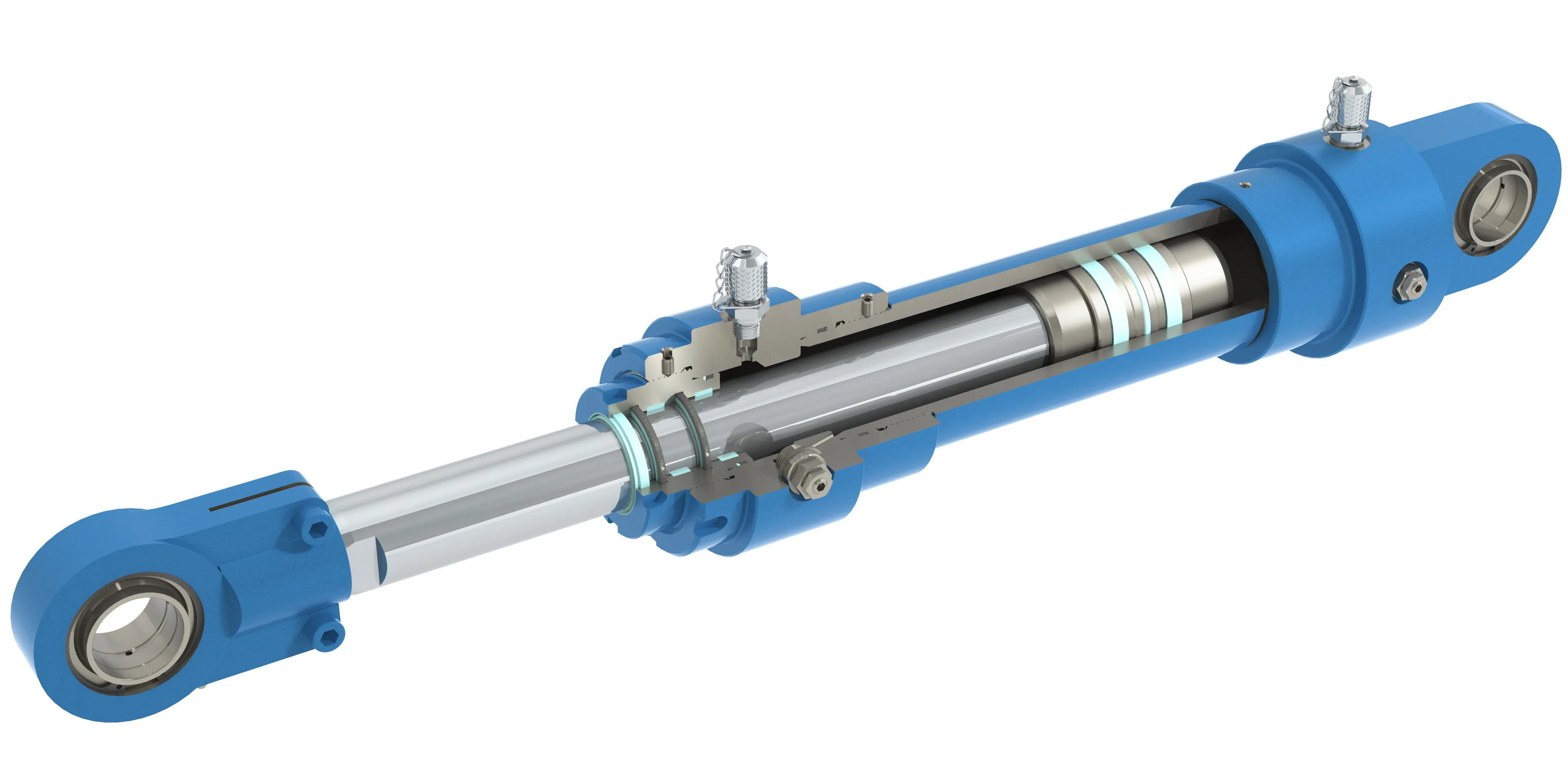
One of the key features of a locking single-acting hydraulic cylinder is its locking mechanism, which ensures safety by preventing accidental retractions when hydraulic pressure is lost. This mechanism can be either mechanical or hydraulic, depending on the specific application requirements.
Locking Mechanism – Safety
- The locking mechanism ensures that the piston remains in a secure position even in the absence of hydraulic pressure, reducing the risk of accidents.
- Various locking mechanisms, such as spring-loaded devices or pin locks, can be customized to suit different applications.

Compact Structure – Space Optimization
- Locking single-acting hydraulic cylinders are designed to be compact, making them ideal for use in space-constrained environments.
- Precision manufacturing techniques ensure high accuracy and reliability, minimizing the risk of leakage.
Assembly Process
- Professional technicians handle the assembly process to ensure correct installation and calibration of components.
- Pressure testing post-assembly confirms the performance and tightness of the hydraulic cylinder.
Working Principle

When hydraulic oil is pumped into the chamber, the cylinder extends and pushes the piston outward. The locking mechanism ensures that the piston remains in place, even without hydraulic pressure, enhancing safety and reliability.
Types and Configurations
Locking single-acting hydraulic cylinders come in various types and configurations to suit different applications. Each type offers unique features and benefits, ensuring efficient operation under varying conditions.
Benefits
- Enhanced Security: The locking mechanism reduces the risk of accidents and improves operator safety.
- Reliability: Designed to operate effectively under high loads and harsh environments, ensuring consistent performance.
- Simplicity: Easy to operate and maintain, making them user-friendly for a wide range of applications.
Application Scenarios
Locking single-acting hydraulic cylinders find applications in construction equipment, manufacturing, transportation, and aviation industries, where safety and stability are paramount.
Design Considerations and Selection Criteria
When choosing a locking single-acting hydraulic cylinder, factors such as bearing capacity, sealing, durability, safety, and maintainability should be carefully considered to ensure optimal performance and longevity.
Sealing and Lubrication
Proper sealing and lubrication are essential for the efficient operation of locking single-acting hydraulic cylinders. Regular maintenance, including seal replacement and lubrication, can extend the service life of the components.
Preventive Maintenance
Regular inspection and preventive maintenance measures are crucial to ensure the smooth operation of locking single-acting hydraulic cylinders. By following recommended maintenance practices, operators can minimize downtime and prolong the lifespan of the equipment.
Installation Guide
Proper installation of locking single-acting hydraulic cylinders is critical to their performance and longevity. Operators should follow the manufacturer’s guidelines carefully to ensure correct installation and alignment.
Maintenance Tasks
Common maintenance tasks for locking single-acting hydraulic cylinders include regular inspection, proper lubrication, seal replacement, and calibration. By adhering to these tasks, operators can prevent potential issues and ensure the efficient operation of the equipment.
Safety Considerations
Safety measures should be prioritized when working with locking single-acting hydraulic cylinders to prevent accidents and ensure the well-being of operators. Proper training and adherence to safety protocols are essential for safe operation.
Fault Diagnosis and Troubleshooting
Understanding common problems and troubleshooting techniques for locking single-acting hydraulic cylinders can help operators diagnose issues quickly and implement effective solutions. Regular maintenance and timely repairs can prevent major breakdowns.
Unit Power and Optimization
Optimizing the power unit of locking single-acting hydraulic cylinders can improve efficiency, reduce energy consumption, and enhance reliability. Factors such as cylinder diameter, operating pressure, piston speed, and load conditions influence the unit power output.
FAQs
1. How does the locking mechanism in a single-acting hydraulic cylinder work?
The locking mechanism ensures that the piston remains stationary even when hydraulic pressure is lost, preventing accidental retractions and enhancing safety.
2. What advantages do locking single-acting hydraulic cylinders offer over standard cylinders?
Locking single-acting hydraulic cylinders provide enhanced security, reliability, and simplicity, making them ideal for applications requiring precise control and safety features.
3. In what applications are locking single-acting hydraulic cylinders commonly used?
Locking single-acting hydraulic cylinders are commonly used in construction equipment, manufacturing machinery, transportation vehicles, and aviation systems where stability and safety are paramount.
Long-Tail Keywords
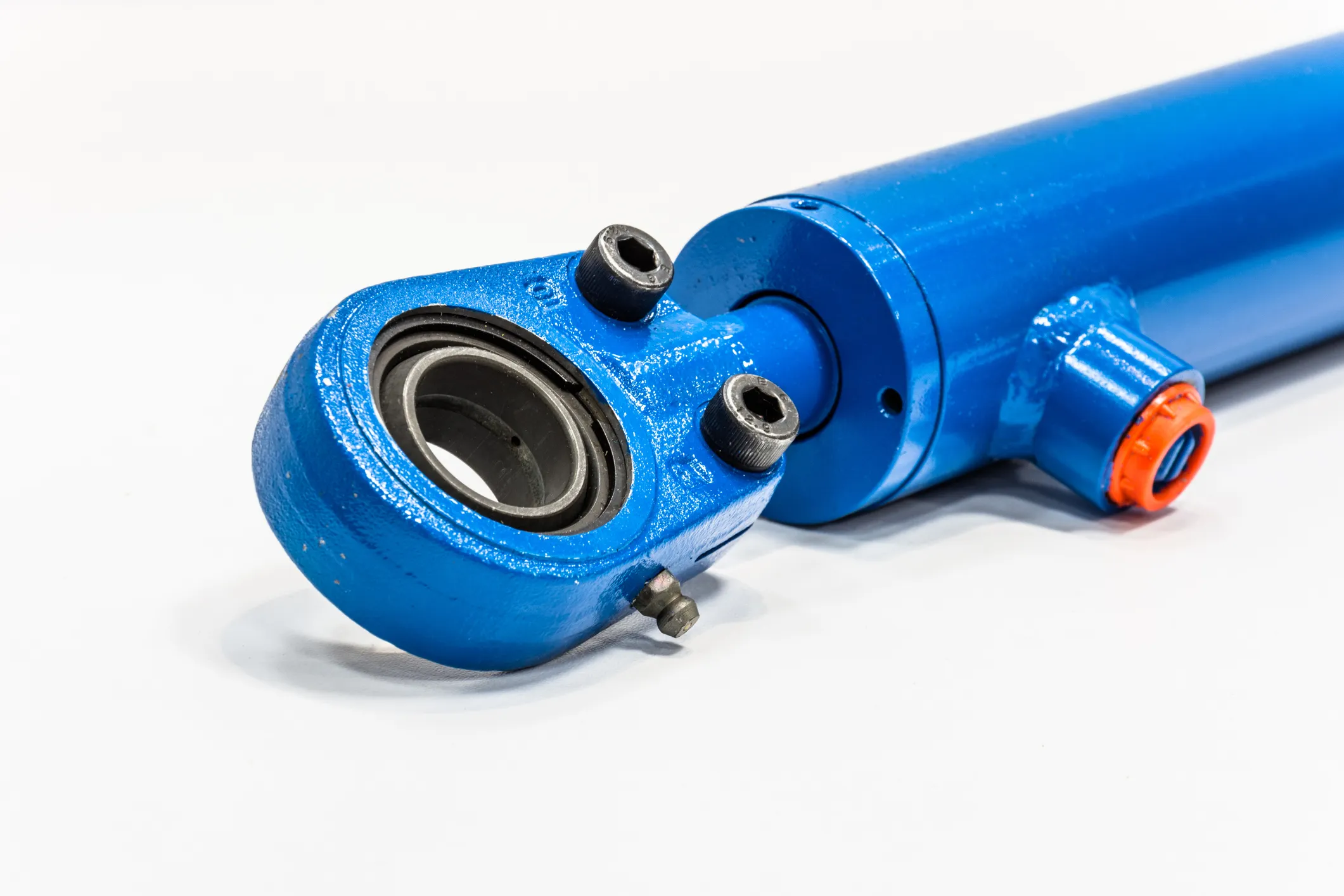
1. Locking Single-Acting Hydraulic Cylinder Sealing Solutions: Explore the benefits of advanced sealing materials for optimal performance.
2. Locking Single-Acting Hydraulic Cylinder Maintenance Practices: Learn how to maintain and troubleshoot hydraulic cylinders for long-lasting operation.
3. Locking Single-Acting Hydraulic Cylinder Installation Guide: Follow step-by-step instructions for proper installation and alignment of hydraulic cylinders.
Our Company
We are a leading hydraulic cylinder replacement manufacturer with a comprehensive product line and a strong presence in both domestic and international markets. Our commitment to quality, innovation, and customer satisfaction sets us apart as a trusted provider of hydraulic solutions.
Professional Services
Our team of experts offers professional services, including customized solutions, international certifications, and after-sales support to meet the diverse needs of our customers.
Production Equipment
We utilize state-of-the-art production equipment and strict quality control measures to ensure the highest standards of performance and reliability in our hydraulic cylinders.
After-Sales Service
Our dedicated after-sales service team provides timely support, maintenance, and replacement parts to ensure the continued operation and longevity of our hydraulic products.
Author: lyl