
The Importance of Piston Rod Welded Hydraulic Cylinders in Ensuring Transportation Safety
Introduction to Piston Rod Welded Hydraulic Cylinders
When it comes to hydraulic systems, piston rod welded hydraulic cylinders play a crucial role in ensuring smooth and efficient operation. These cylinders are essential components that help transfer force from one part of the system to another, allowing for precise control and movement in various applications.
Definition and Role
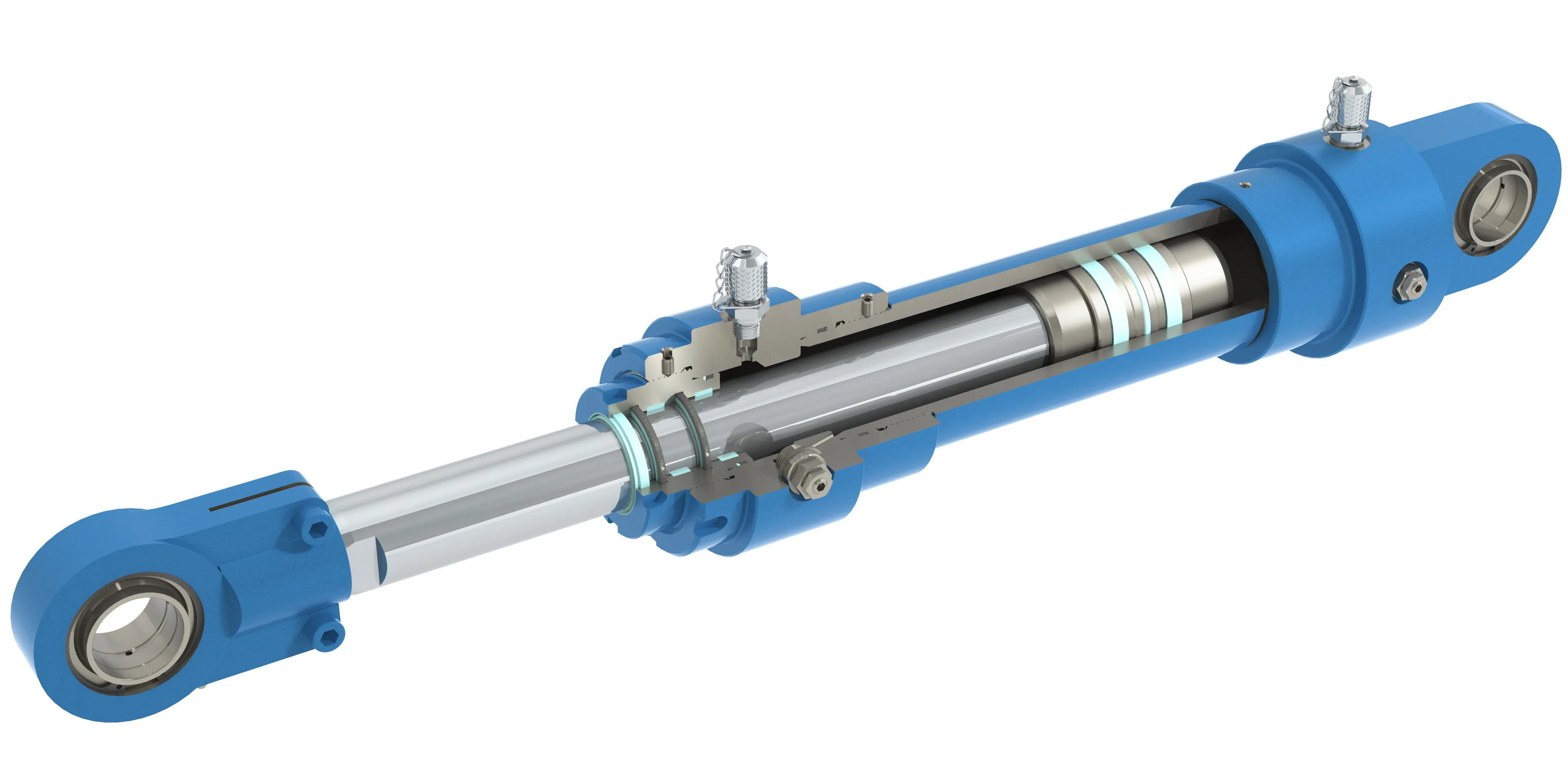
Piston rod welded hydraulic cylinders consist of a piston rod that is welded to the cylinder barrel, creating a strong and durable connection. This design helps improve the overall performance and reliability of the hydraulic system, making it ideal for applications where safety and efficiency are paramount.
Principle of Operation
The principle behind piston rod welded hydraulic cylinders lies in their ability to transfer force efficiently from the hydraulic fluid to the piston, creating movement that is essential for a wide range of industrial and transportation applications.
Application in Transportation
Piston rod welded hydraulic cylinders are widely used in transportation vehicles such as trucks, buses, and railway vehicles. They play a critical role in the brake and suspension systems, enhancing safety and comfort for passengers and drivers alike.
Design and Construction Characteristics
Material and Manufacturing
The piston rod welded hydraulic cylinders are manufactured using high-strength materials and advanced welding processes to ensure they can withstand high pressures and heavy loads. This makes them suitable for use in harsh working environments where durability is essential.
Design Features

The design of these cylinders includes features that improve performance and longevity, such as efficient force transfer, excellent sealing capabilities, customization options, and simplified maintenance procedures. These characteristics make them a preferred choice for various industrial applications.
Working Principle
Liquid Transfer Force
When hydraulic fluid is transferred to the piston through the cylinder, it generates a force that drives the movement of the system, allowing for precise control and operation.
Sealing System
The welded design of the hydraulic cylinder reduces the risk of leakage, ensuring that the system remains sealed and operational at all times. This enhances efficiency and reliability in transportation applications.
Types and Configurations
There are three main types of piston rod welded hydraulic cylinders, each with unique configurations that cater to specific needs and requirements. These cylinders are designed to provide efficient force transfer and smooth motion control in a variety of transportation systems.
Advantages
There are several advantages to using piston rod welded hydraulic cylinders in transportation applications, including high strength and durability, excellent sealing performance, customization options, simplified maintenance, and efficient force transfer. These benefits make them a reliable choice for ensuring transportation safety and efficiency.
Performance Characteristics
Piston rod welded hydraulic cylinders offer high pressure bearing capacity, excellent force transfer efficiency, good sealing capabilities, wear resistance, corrosion resistance, smaller volume and weight, and impact resistance. These characteristics make them ideal for use in transportation systems where safety and reliability are paramount.
Industries Where Piston Rod Welded Hydraulic Cylinders Are Widely Used
Piston rod welded hydraulic cylinders are commonly used in construction and mining machinery, manufacturing equipment, agricultural machinery, transportation vehicles, and aerospace and aviation systems. These cylinders provide the necessary force and control for various applications, ensuring efficient and safe operation in diverse industries.
Design Considerations and Selection Criteria
When selecting piston rod welded hydraulic cylinders for transportation applications, it is essential to consider factors such as bearing capacity, sealing, durability, safety, and maintainability. These design considerations help ensure optimal performance and reliability in transportation systems.
Sealing and Lubrication
Proper sealing and lubrication are essential for maintaining the performance and longevity of piston rod welded hydraulic cylinders. Using high-quality seals and lubricants, along with regular maintenance practices, helps prevent leaks and ensure smooth operation in transportation applications.
Regular Inspection and Preventive Maintenance
Regular inspection and preventive maintenance measures are crucial for identifying and addressing potential issues with hydraulic cylinders. By conducting routine checks and maintenance tasks, transportation operators can ensure the safety and efficiency of their systems.
Installation Guide
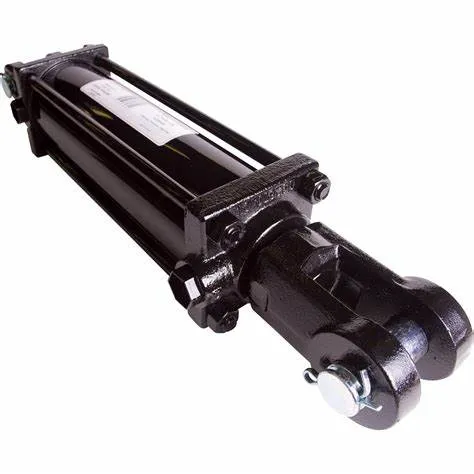
Proper installation of piston rod welded hydraulic cylinders is essential for ensuring optimal performance and safety. Following manufacturer guidelines and best practices, transportation operators can install these cylinders correctly to prevent malfunctions and accidents.
Maintenance Tasks
Common maintenance tasks for piston rod welded hydraulic cylinders include regular inspection, proper lubrication, seal replacement, and calibration inspection. By following these maintenance procedures, transportation operators can prolong the service life of their cylinders and prevent costly downtime.
Safety Considerations and Environmental Factors
When using piston rod welded hydraulic cylinders in transportation systems, it is important to consider safety measures and environmental factors. By adhering to safety guidelines and regulations, transportation operators can ensure the safe and environmentally friendly operation of their systems.
Fault Diagnosis and Common Problems
In transportation applications, piston rod welded hydraulic cylinders may experience faults or common problems that require diagnosis and troubleshooting. By understanding these issues and their solutions, transportation operators can address problems promptly and minimize downtime.
Questions and Answers
1. How does the welded process enhance the durability of these cylinders?
The welded process creates a strong and durable connection between the piston rod and cylinder barrel, improving the overall performance and longevity of the hydraulic cylinder.
2. In which industries are piston rod welded cylinders most commonly used?
Piston rod welded cylinders are widely used in construction, manufacturing, agriculture, transportation, mining, aerospace, and aviation industries for various applications.
3. What advantages do piston rod welded cylinders offer over traditional cylinders?
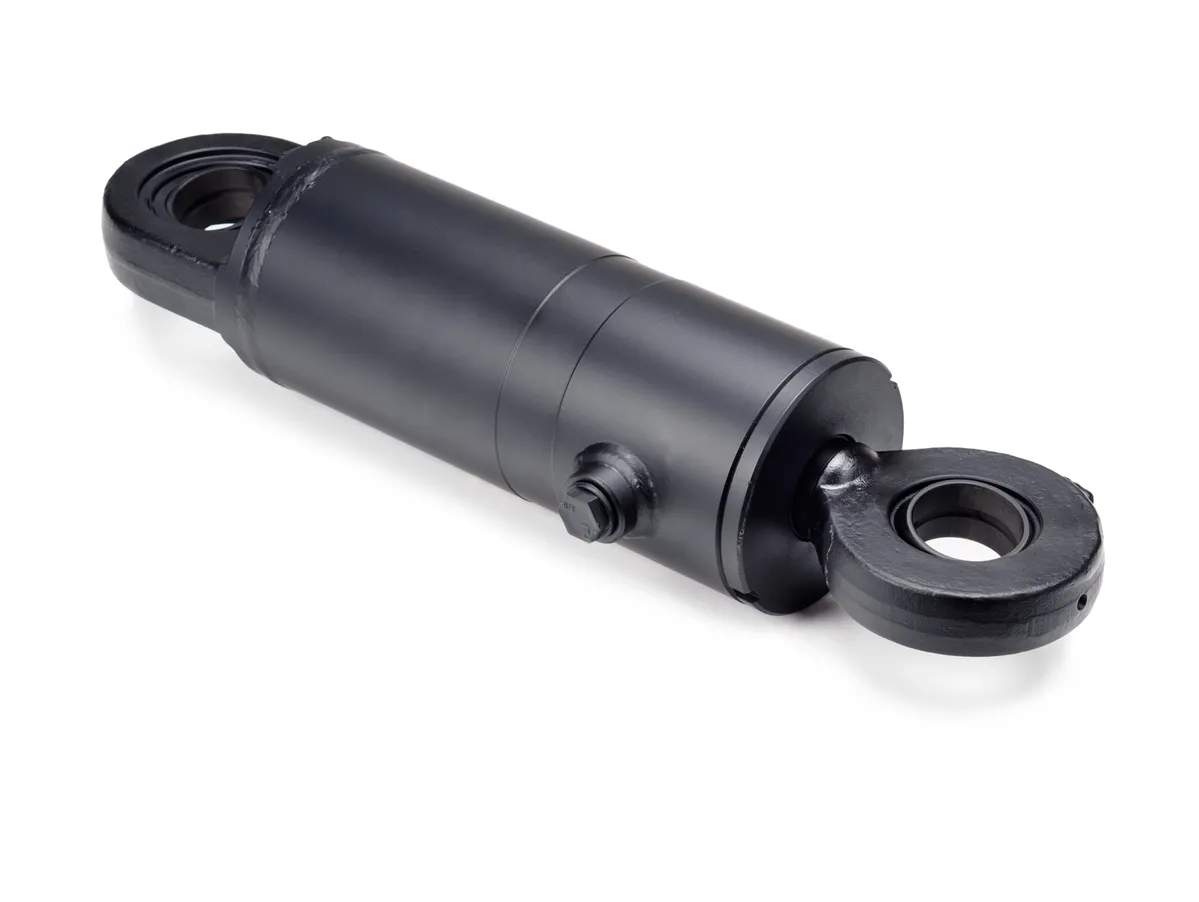
Piston rod welded cylinders offer advantages such as high strength and durability, excellent sealing performance, customization options, simplified maintenance, and efficient force transfer, making them ideal for transportation safety.
Long Tail Keywords
1. High-pressure bearing capacity
2. Excellent force transfer efficiency
3. Wear resistance and corrosion resistance
Our Company
We are a leading hydraulic cylinder replacement manufacturer with a wide range of products and services tailored to meet the needs of transportation operators. Our company is committed to providing high-quality hydraulic cylinders and exceptional customer service in the domestic and international markets.