
The Role of Piston Rod Welded Hydraulic Cylinders in Emergency Response Vehicles
Emergency response vehicles play a critical role in saving lives and ensuring public safety. These vehicles require reliable and durable hydraulic systems to perform their functions effectively. One essential component of these hydraulic systems is the piston rod welded hydraulic cylinder.
Introduction to Piston Rod Welded Hydraulic Cylinders
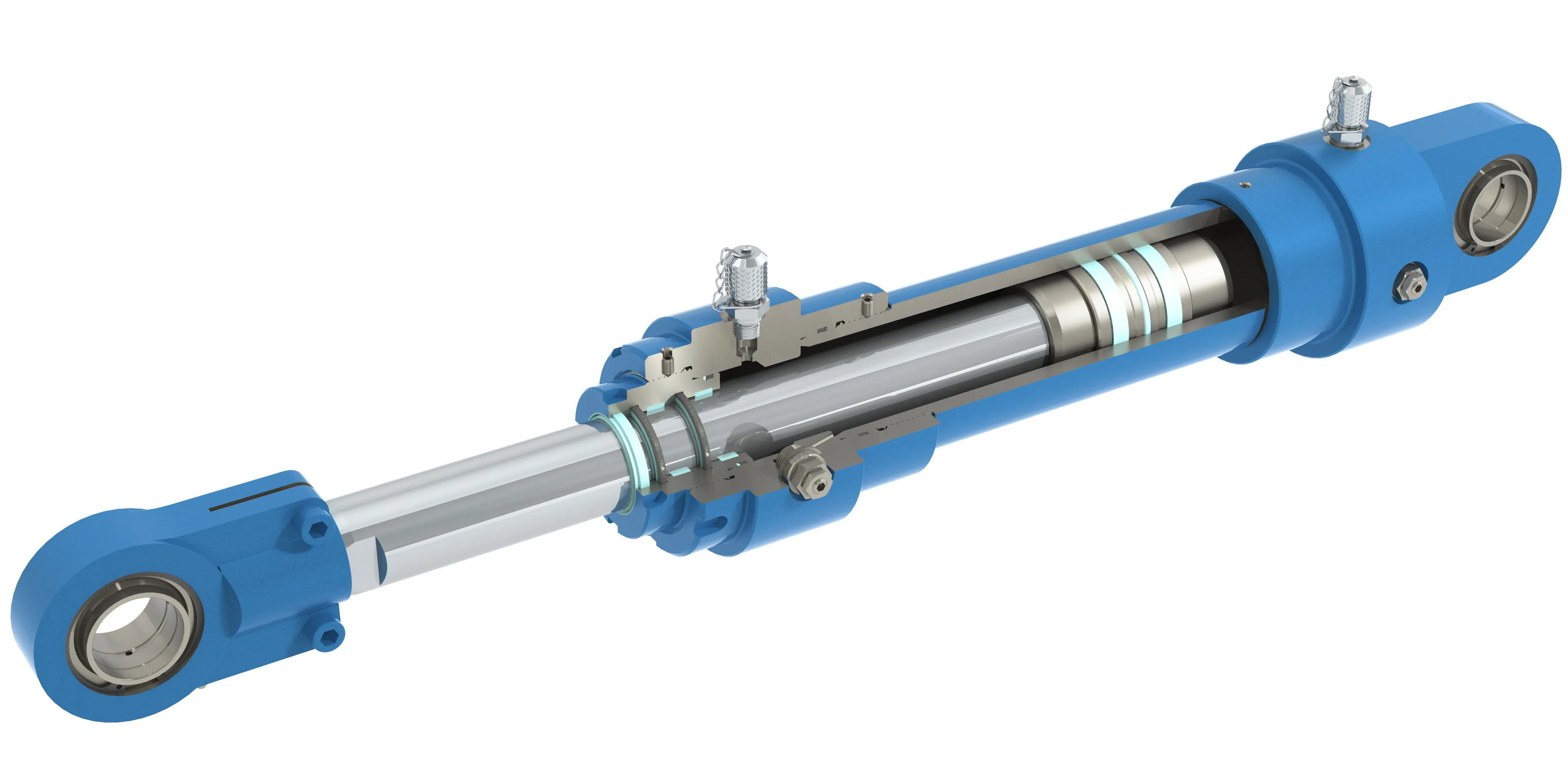
Piston rod welded hydraulic cylinders are hydraulic actuators that convert hydraulic energy into mechanical force and motion. They consist of a piston rod that extends and retracts within a welded cylinder barrel to generate linear motion. These cylinders are commonly used in various applications, including emergency response vehicles, due to their high strength, durability, and efficiency.
Principle of Piston Rod Welded Hydraulic Cylinders
At the heart of a piston rod welded hydraulic cylinder is the transfer of hydraulic pressure into linear motion. When pressurized hydraulic fluid enters the cylinder, it pushes the piston rod, causing it to extend or retract. This movement is harnessed to perform various functions in emergency response vehicles, such as lifting, pushing, or pulling heavy loads.
Application in Emergency Response Vehicles
Piston rod welded hydraulic cylinders are crucial components in emergency response vehicles, where they are used in applications such as hydraulic jacks for lifting vehicles, stabilizing systems for rescue operations, and steering systems for precise control. Their robust construction and efficient force transfer make them ideal for demanding situations where reliability is paramount.
Design and Construction Characteristics
Material Selection
The materials used in the manufacture of piston rod welded hydraulic cylinders are carefully chosen to withstand high pressures and heavy loads. High-strength materials combined with advanced welding processes ensure long-term stability and performance in emergency response vehicles.
Design Features
Piston rod welded hydraulic cylinders incorporate design features that enhance their performance and durability. These include efficient force transfer mechanisms, excellent sealing properties, customization options to meet specific requirements, and simplified maintenance procedures for ease of use in emergency situations.
Welding Technology
The welding technology used in the construction of piston rod welded hydraulic cylinders plays a crucial role in ensuring structural integrity and leak-proof operation. Advanced welding techniques are employed to create strong, reliable welds that can withstand the rigors of emergency response applications.
Working Principle
The working principle of piston rod welded hydraulic cylinders revolves around the efficient transfer of hydraulic force to achieve linear motion. The piston movement, workload capacity, sealing systems, and pressure release mechanisms work together to deliver precise and reliable performance in emergency response vehicles.
Types and Configurations
There are three main types of piston rod welded hydraulic cylinders commonly used in emergency response vehicles: single-acting cylinders, double-acting cylinders, and telescopic cylinders. Each type offers unique features and configurations to suit specific application requirements.
Advantages of Piston Rod Welded Hydraulic Cylinders
High Strength and Durability
Piston rod welded hydraulic cylinders are known for their high strength materials and welded construction, enabling them to withstand high pressures and heavy loads in emergency response vehicles.
Excellent Sealing Performance
The welded design of these cylinders reduces the risk of leakage, ensuring the hydraulic system’s integrity and efficiency during critical operations.
Customization Options
Piston rod welded hydraulic cylinders can be customized to meet specific length, diameter, and pressure requirements, providing flexible solutions for emergency response applications.
Simplified Maintenance
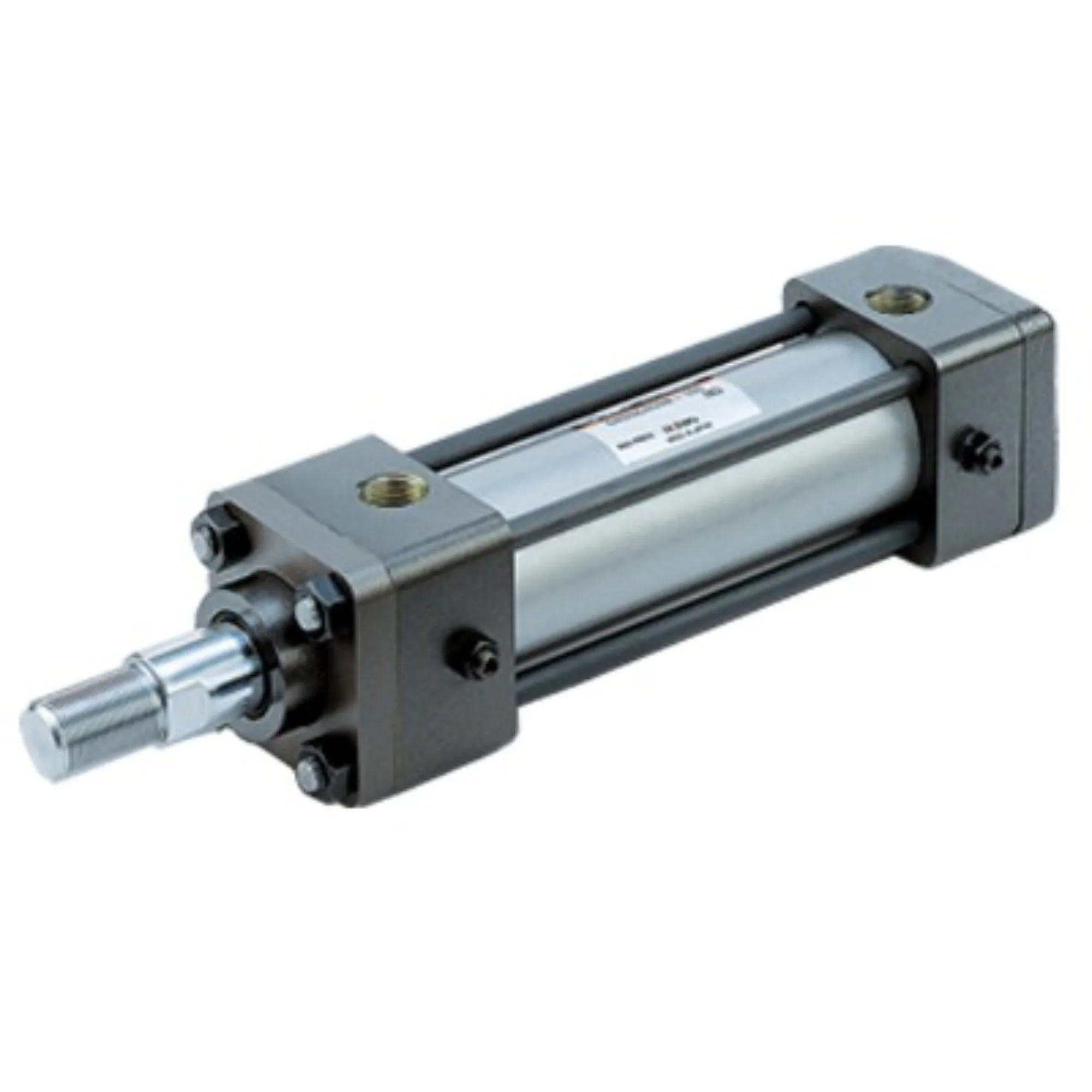
The welded structure of these cylinders minimizes components, making maintenance and overhaul tasks straightforward and cost-effective for emergency response vehicle operators.
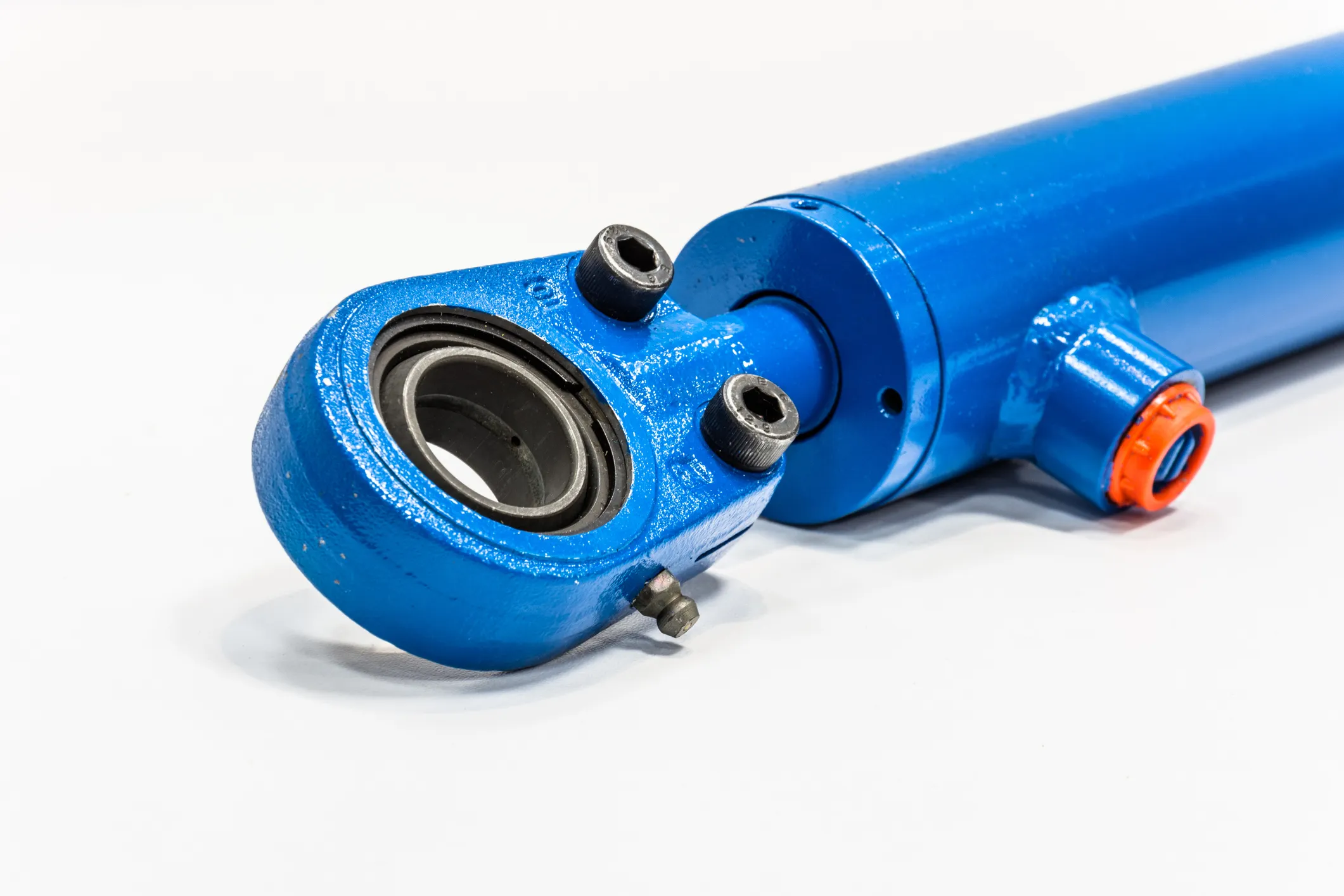
Efficient Force Transfer
Piston rod welded hydraulic cylinders deliver efficient force transfer, allowing smooth motion control and precise operation in a variety of emergency response scenarios.
Performance Characteristics
High Pressure Bearing Capacity
Piston rod welded hydraulic cylinders can withstand high working pressures, making them suitable for heavy-duty applications in emergency response vehicles.
Excellent Force Transfer Efficiency
The design of these cylinders ensures efficient force transfer, reducing energy loss and enhancing overall system performance in critical situations.
Good Sealing
With reduced connection points and advanced sealing technology, piston rod welded hydraulic cylinders offer reliable and leak-free operation in emergency response vehicles.
Wear and Corrosion Resistance
These cylinders are made from high wear-resistant materials and surface treatments to withstand harsh environments and maintain operational integrity over time.
Compact Design
Compared to traditional hydraulic cylinders, piston rod welded cylinders feature a compact design, making them ideal for space-constrained installations in emergency response vehicles.
Impact Resistance
Piston rod welded hydraulic cylinders are designed to withstand impacts and shocks, ensuring reliable performance during emergency operations.
Industries Where Piston Rod Welded Hydraulic Cylinders Are Widely Used
- Construction and Infrastructure
- Manufacturing and Automation
- Agriculture and Farming
- Transportation and Logistics
- Mining and Resources
- Aerospace and Aviation
Design Considerations and Selection Criteria
Bearing Capacity
When selecting piston rod welded hydraulic cylinders for emergency response vehicles, it is crucial to consider their bearing capacity to ensure they can withstand the required loads and pressures.
Sealing and Durability
The sealing properties and durability of these cylinders are essential factors to prevent leaks and ensure long-term reliability in critical applications.
Safety and Maintainability
Ensuring the safety and ease of maintenance of piston rod welded hydraulic cylinders is vital for emergency response vehicles to operate effectively in challenging conditions.
Sealing and Lubrication
Proper sealing and lubrication of piston rod welded hydraulic cylinders are essential for maintaining their performance and longevity. Various seals and wear-resistant materials are used to prevent leakage, while regular lubrication helps reduce friction and wear.
Regular Inspection and Preventive Maintenance
Implementing regular inspection and preventive maintenance measures for piston rod welded hydraulic cylinders in emergency response vehicles can help identify issues early and prevent costly downtime. By following a maintenance schedule and replacing worn components promptly, operators can ensure optimal performance and safety.
Installation Guide
Proper installation of piston rod welded hydraulic cylinders is crucial to their performance and longevity. Following manufacturer guidelines, ensuring correct alignment, and tightening fasteners to the recommended torque values are essential steps in the installation process.
Maintenance Tasks
Three essential maintenance tasks for piston rod welded hydraulic cylinders in emergency response vehicles include regular inspection, proper lubrication, and seal replacement. By performing these tasks diligently and following recommended maintenance procedures, operators can prolong the service life of these critical components.
Safety Considerations
When using piston rod welded hydraulic cylinders in emergency response vehicles, operators must prioritize safety measures to prevent accidents and injuries. Proper training, equipment inspection, and adherence to safety protocols are essential for safe operation.
Fault Diagnosis and Common Problems
Common issues that may arise with piston rod welded hydraulic cylinders in emergency response vehicles include leaks, seal failures, and piston rod damage. By diagnosing these faults promptly and implementing appropriate solutions, operators can minimize downtime and ensure operational readiness.
FAQs
How does the welded process enhance the durability of these cylinders?
The welded construction of piston rod hydraulic cylinders improves durability by reducing potential leak points and enhancing structural integrity, ensuring long-term performance in demanding applications.

In which industries are piston rod welded cylinders most commonly used?
Piston rod welded cylinders are widely used in industries such as construction, manufacturing, agriculture, transportation, mining, and aerospace due to their reliability, efficiency, and durability.
What advantages do piston rod welded cylinders offer over traditional cylinders?
Piston rod welded cylinders provide advantages such as high strength, excellent sealing, customization options, simplified maintenance, and efficient force transfer, making them ideal for critical applications in emergency response vehicles.
How does the design of a piston rod welded cylinder affect its performance?
The design of a piston rod welded cylinder influences its performance by determining factors such as force transfer efficiency, sealing properties, wear resistance, and compactness, all of which contribute to reliable operation in emergency scenarios.
What maintenance practices are recommended for piston rod welded cylinders?
Recommended maintenance practices for piston rod welded cylinders include regular inspection, proper lubrication, seal replacement, and adherence to manufacturer guidelines to ensure optimal performance and longevity.
Long Tail Keywords
1. High-Pressure Welded Hydraulic Cylinders for Emergency Response Vehicles
2. Durability-Enhanced Piston Rod Cylinders for Critical Applications
3. Customizable Welded Cylinders for Efficient Force Transfer in Emergency Vehicles
Company Focus
As a leading hydraulic cylinder replacement manufacturer, our company specializes in providing high-quality piston rod welded hydraulic cylinders for emergency response vehicles. With a complete product line, professional certifications, customized services, advanced production equipment, and dedicated after-sales support, we strive to meet the unique needs of our customers in the domestic and international markets.